Long-Term Peritoneal Dialysis Using a Tenckhoff Catheter in a Premature Infant With Homozygous Autosomal Recessive Polycystic Kidney Disease: A Case Report
Maria Florou, Kleanthis Anastasiadis, Maria Tsopozidi, Chrysostomos Kepertis, Vassileios Lambropoulos, Vassileios Mouravas, Christos Kaselas

TL;DR
A premature infant with a rare kidney disease successfully underwent long-term peritoneal dialysis using a specialized catheter.
Contribution
This case report demonstrates the successful long-term use of a Tenckhoff catheter for peritoneal dialysis in a premature infant with autosomal recessive polycystic kidney disease.
Findings
Peritoneal dialysis using a Tenckhoff catheter was successfully maintained for 72 days in a premature infant.
Despite challenges like low body weight and a thin abdominal wall, dialysis remained effective and feasible.
This case highlights the potential of PD as a treatment option for neonates with end-stage renal failure.
Abstract
Polycystic kidney disease (PKD) is a clinical condition characterized by the presence of renal cysts and kidney enlargement. When it presents during the neonatal period, it can lead to progressive renal damage and eventually result in end-stage renal failure. Peritoneal dialysis (PD) can be particularly challenging in the neonatal intensive care unit due to the infant's thin abdominal wall and the often unsuitable size and shape of available catheters. As a result, the use of such catheters in infants is associated with high mortality and significant complications, including leakage, peritonitis, and hemoperitoneum. Here, we report our initial experience with Tenckhoff catheter placement and its management over 72 days in a premature newborn diagnosed with autosomal recessive polycystic kidney disease. To the best of our knowledge, this is among the few reported cases where PD was…
Genes, proteins, chemicals, diseases, species, mutations and cell lines named across the full text — each resolved to its canonical identifier and authoritative record.
Click any figure to enlarge with its caption.
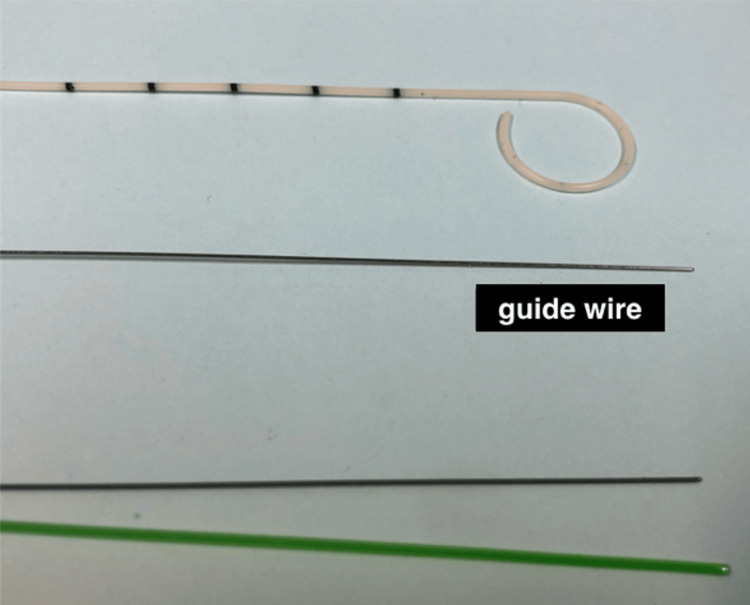 Figure 1
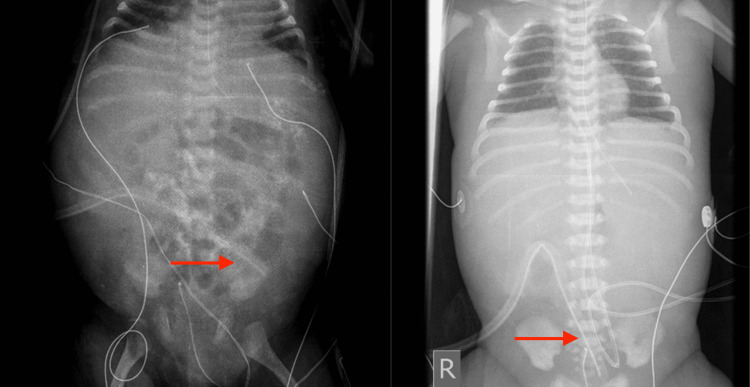 Figure 2
Peer Reviews
No public reviews on file for this paper yet. If you reviewed it on a platform where reviews are public (OpenReview, ICLR, NeurIPS, ICML), you can paste yours below so the community can read it here.
Videos
No videos yet. Explain this paper in a talk, walkthrough, or lecture? Add one.
Taxonomy
TopicsGenetic and Kidney Cyst Diseases · Genetic Syndromes and Imprinting · Renal and related cancers