Assessment of embryotoxic effects of quinoline yellow using attention-based convolutional neural network and machine learning in zebrafish model
Magdalena Majdan, Piotr S. Maciąg, Agata Rogalska

TL;DR
This study assesses the embryotoxic effects of the synthetic dye Quinoline Yellow using zebrafish and machine learning to evaluate its potential health risks.
Contribution
The study introduces an attention-based CNN and transfer learning to automate and improve the analysis of zebrafish embryo toxicity.
Findings
QY exposure caused lethal effects and developmental abnormalities in zebrafish embryos at concentrations above 0.5 mg/mL.
In silico predictions showed QY has clastogenic, reproductive, and allergenic potential.
AI-based analysis confirmed QY's toxicity and teratogenic effects in zebrafish embryos.
Abstract
Our daily diet often includes food additives found in numerous processed foods. Growing concerns about the toxicity and potential health risks of synthetic dyes have drawn increased attention from researchers and regulatory authorities. This study examines the embryotoxic effects of Quinoline Yellow (QY), a synthetic dye commonly used as an additive, using both in silico and in vivo models. Computational studies on QY were conducted using QSAR (Quantitative Structure Activity Relations) analysis to identify the major toxicological endpoints. In silico predictions indicated clastogenic and reproductive toxicities, interaction with androgen and estrogen receptors, and an elevated propensity for skin and respiratory allergies. Danio rerio (zebrafish) embryos were exposed to various concentrations of QY (0.005–2 mg⋅mL−1) over 48, 72 and 96-h periods. Lethal effects were observed at…
Genes, proteins, chemicals, diseases, species, mutations and cell lines named across the full text — each resolved to its canonical identifier and authoritative record.
Click any figure to enlarge with its caption.
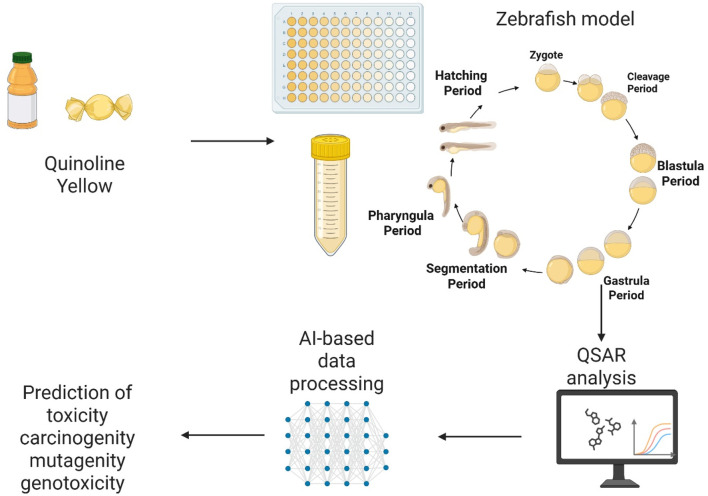 Figure 1
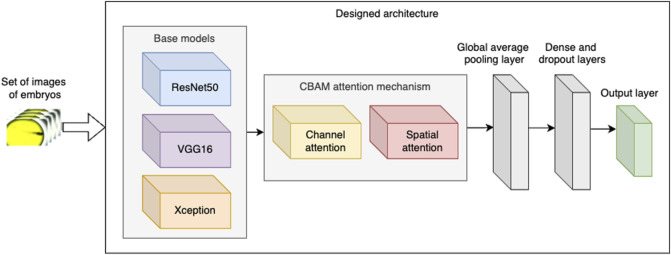 Figure 2
 Figure 3
 Figure 4
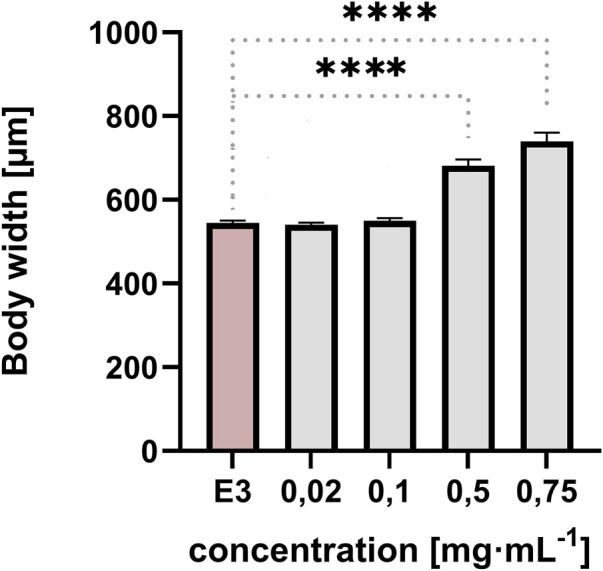 Figure 5
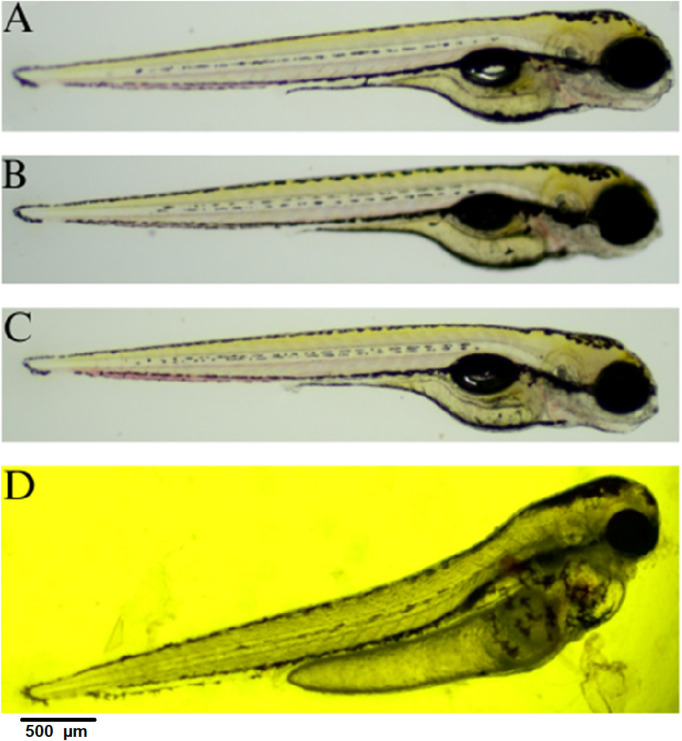 Figure 6
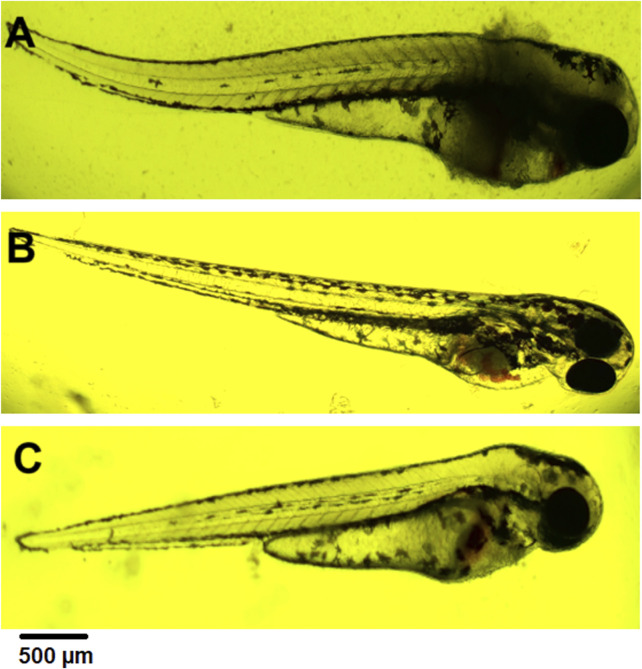 Figure 7
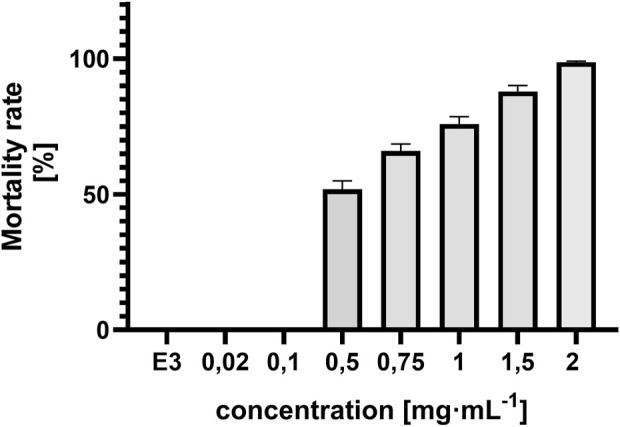 Figure 8
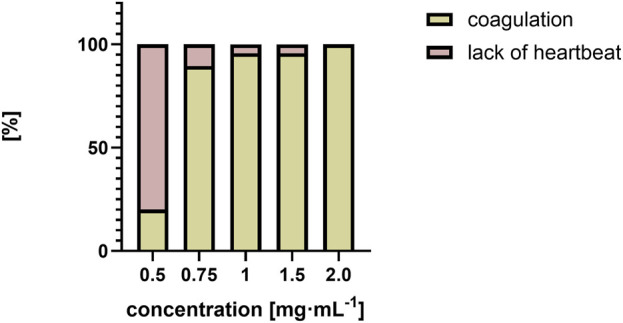 Figure 9
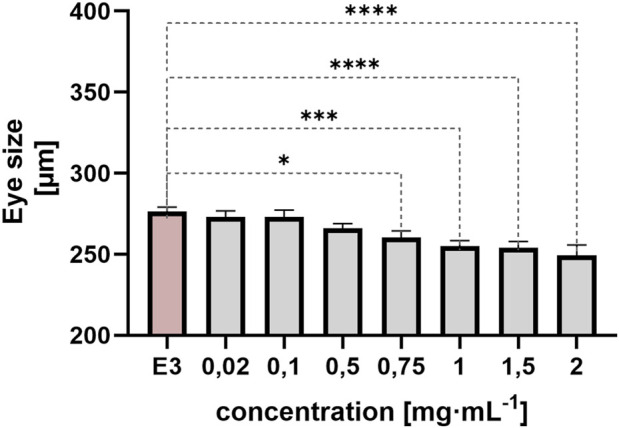 Figure 10
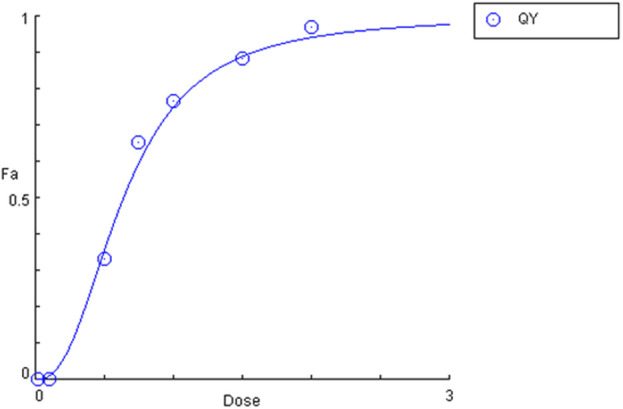 Figure 11
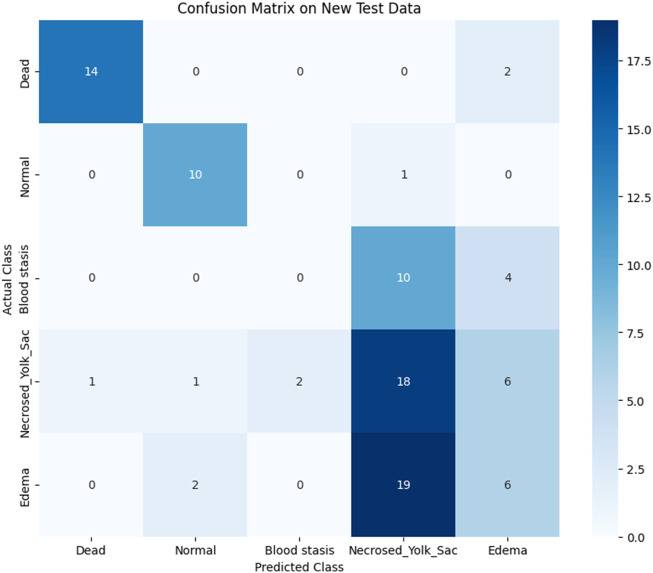 Figure 12
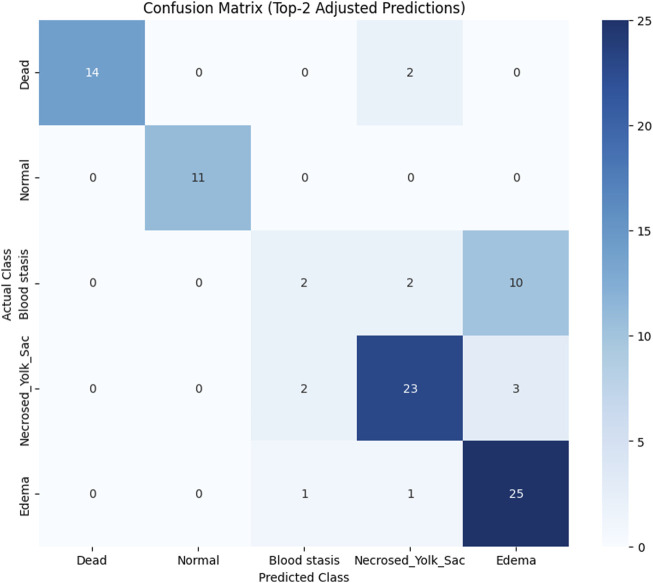 Figure 13
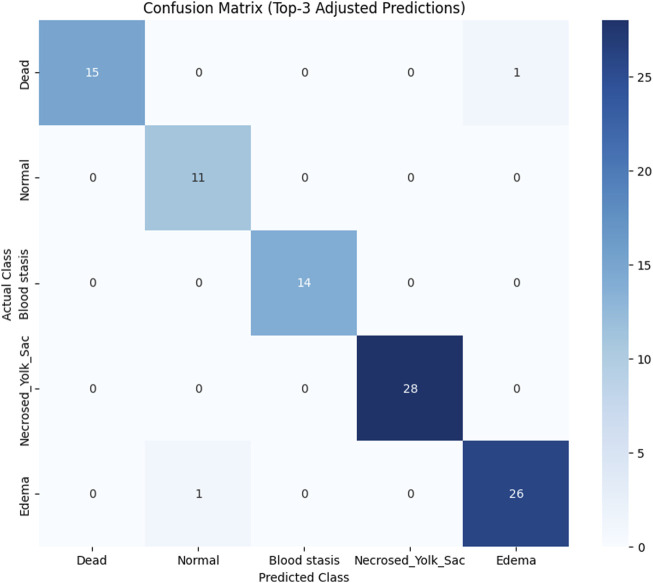 Figure 14
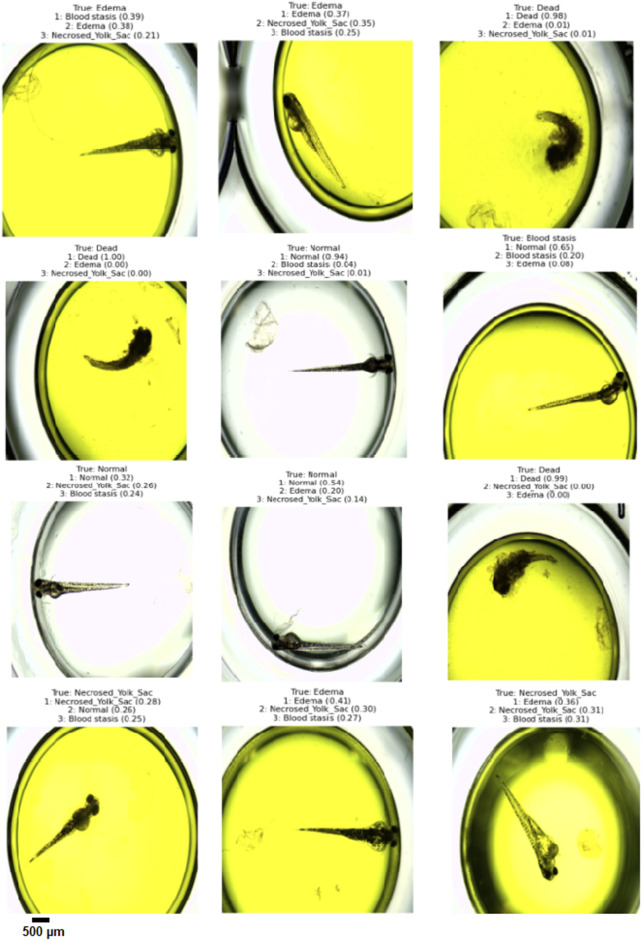 Figure 15
Peer Reviews
No public reviews on file for this paper yet. If you reviewed it on a platform where reviews are public (OpenReview, ICLR, NeurIPS, ICML), you can paste yours below so the community can read it here.
Videos
No videos yet. Explain this paper in a talk, walkthrough, or lecture? Add one.
Taxonomy
TopicsDye analysis and toxicity