Scat‐Tered Evidence. Understanding the Diet of Forest‐Associated Mammalian Mesopredators in a UK Peatland Ecosystem
R. McHenry, L. J. Mitchell, J. Smart, R. Andersen

TL;DR
This study uses DNA from animal droppings to understand what forest-associated predators eat in a Scottish peatland, revealing unexpected dietary patterns.
Contribution
The study provides direct evidence of predator diets using DNA metabarcoding, challenging assumptions about prey interactions in peatland ecosystems.
Findings
Foxes and pine martens primarily consumed small mammals, non-wader birds, and frogs.
Wading birds were not found in the predator diets, contradicting prior assumptions.
Red deer carrion and pine marten scat were significant food sources for foxes.
Abstract
Peatland ecosystems and the unique biodiversity they support are under risk from multiple stressors, including changes in species interactions. Land use changes that lead to increases in the density and activity of mammalian mesopredators such as red fox ( Vulpes vulpes ) and pine marten ( Martes martes ) could be particularly detrimental to vulnerable peatland species such as wading birds (Chardiiformes). However, our understanding of predator–prey interactions in the context of land use change remains limited, because most published evidence is correlative. In contrast, DNA metabarcoding of scats can reliably identify both the host and the prey consumed, thereby clarifying the role of consumption in species interactions. In this study, we collected scats from areas of open peatland and non‐native forestry on peatland across the Forsinard Flows Nature Reserve, part of The Flow Country…
Genes, proteins, chemicals, diseases, species, mutations and cell lines named across the full text — each resolved to its canonical identifier and authoritative record.
Click any figure to enlarge with its caption.
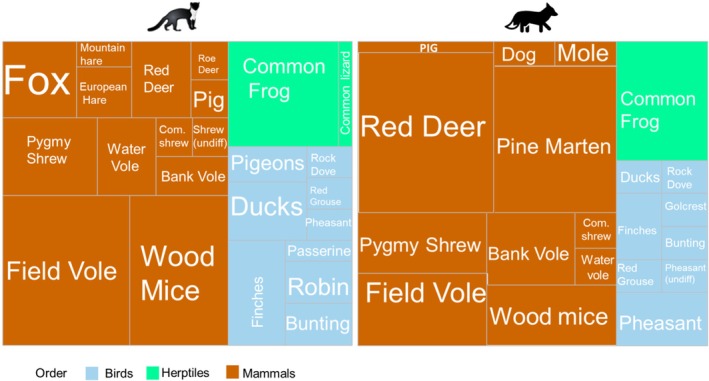 Figure 1
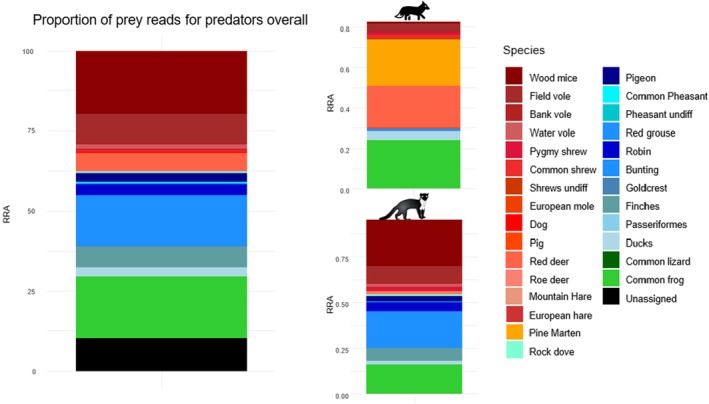 Figure 2
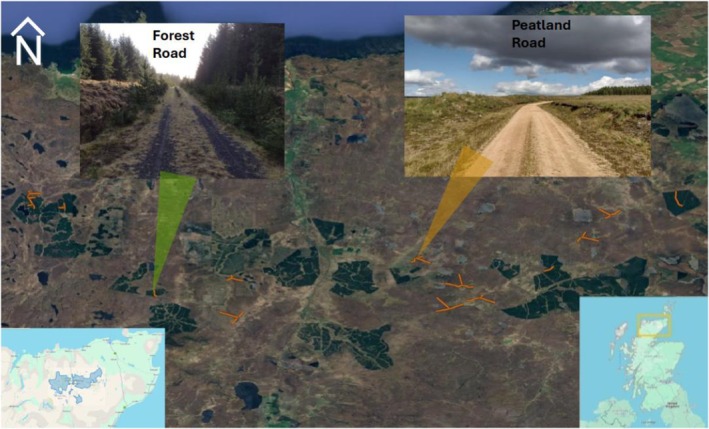 Figure 3
 Figure 4
Peer Reviews
No public reviews on file for this paper yet. If you reviewed it on a platform where reviews are public (OpenReview, ICLR, NeurIPS, ICML), you can paste yours below so the community can read it here.
Videos
No videos yet. Explain this paper in a talk, walkthrough, or lecture? Add one.
Taxonomy
TopicsWildlife Ecology and Conservation · Ecology and biodiversity studies