The potential impact of clindamycin on neurosurgery patients: a randomized controlled trial
Lobna w. Alam El-Din, Noha A. El-Bassiouny, Wael M. Khedr, Rehab H. Werida

TL;DR
This study explores if adding clindamycin to standard care after neurosurgery helps reduce brain damage and improve recovery.
Contribution
The study introduces clindamycin as a potential neuroprotective adjunct in post-neurosurgery care.
Findings
Clindamycin significantly reduced neuron-specific enolase levels, indicating less brain damage.
Neurotensin levels were lower in the clindamycin group, suggesting reduced inflammation and neuronal apoptosis.
Glasgow Coma Scale scores showed no significant difference between the groups on day 3.
Abstract
The study investigates whether adding clindamycin to neurosurgery patients’ as a postsurgical management regimen improves recovery, provides neuroprotection, and prevents neurological complications. Neuron-specific enolase (NSE) and neurotensin (NT) were measured as biomarkers of inflammation, brain damage, and neuronal apoptosis. Patients were randomly assigned into two groups (n = 22 each) to receive the standard management plus either ceftriaxone (2 g / 12 h) or plus ceftriaxone and clindamycin (900 mg/8 h) as a combination therapy for seven days. NSE serum levels in the clindamycin and control group on day 3 were (10.01 ± 1.64) versus (23.77 ± 11.75), respectively (p = 0.0001). NT serum levels in the clindamycin and control groups on day 3 were (4.5 ± 2.8) versus (8.29 ± 7.97), respectively (p = 0.0418). Glasgow Coma Scale (GCS) on day 3 was (14.32 ± 1.13) versus (14.23 ± 1.31) in…
Genes, proteins, chemicals, diseases, species, mutations and cell lines named across the full text — each resolved to its canonical identifier and authoritative record.
Click any figure to enlarge with its caption.
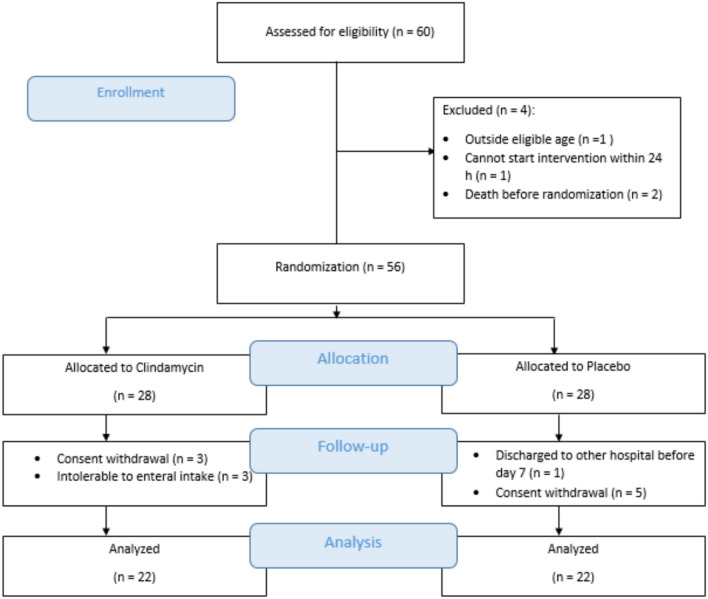 Figure 1
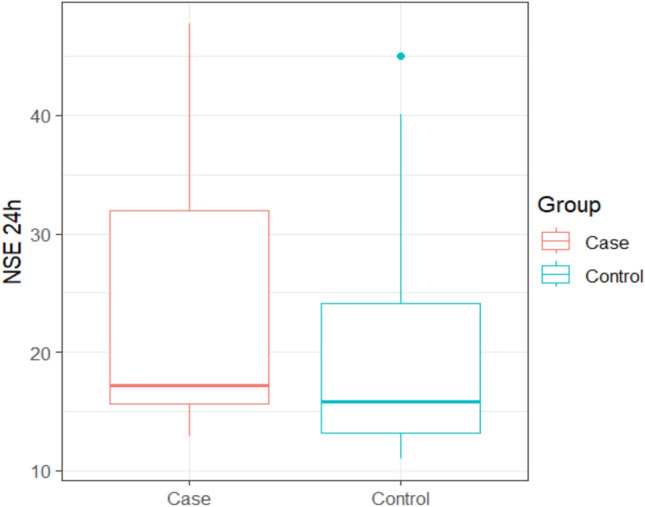 Figure 2
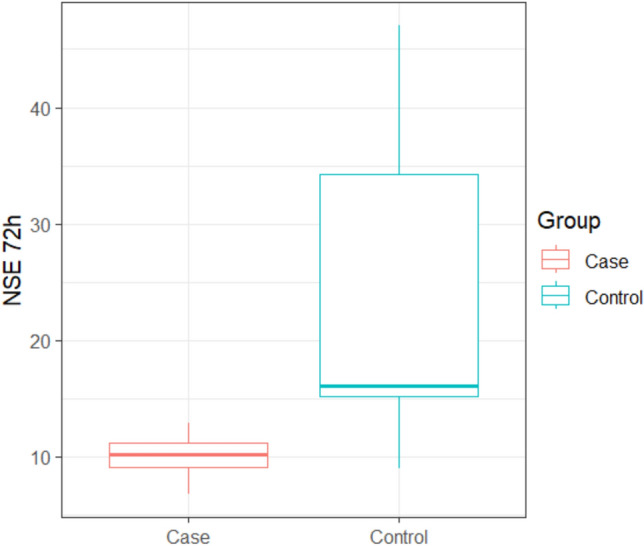 Figure 3
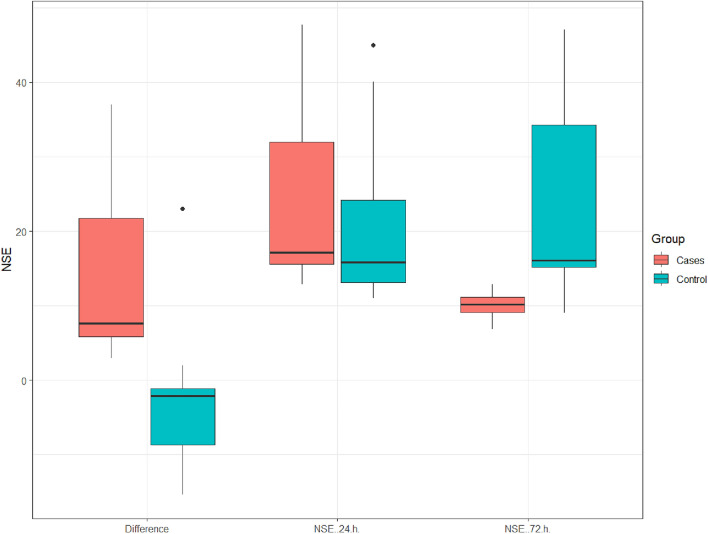 Figure 4
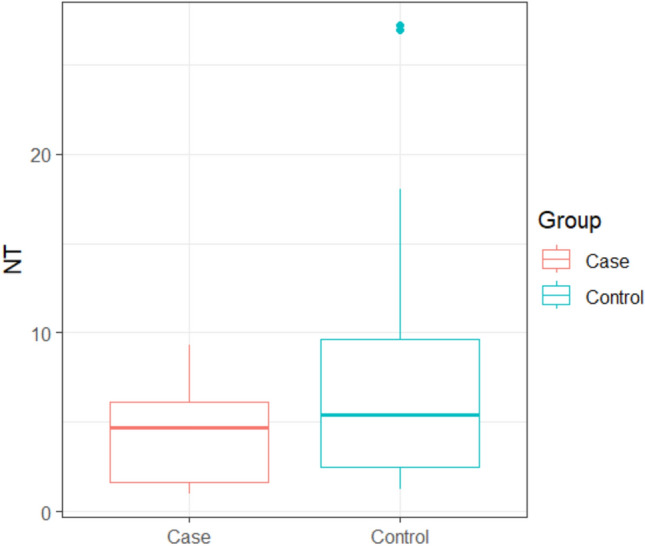 Figure 5
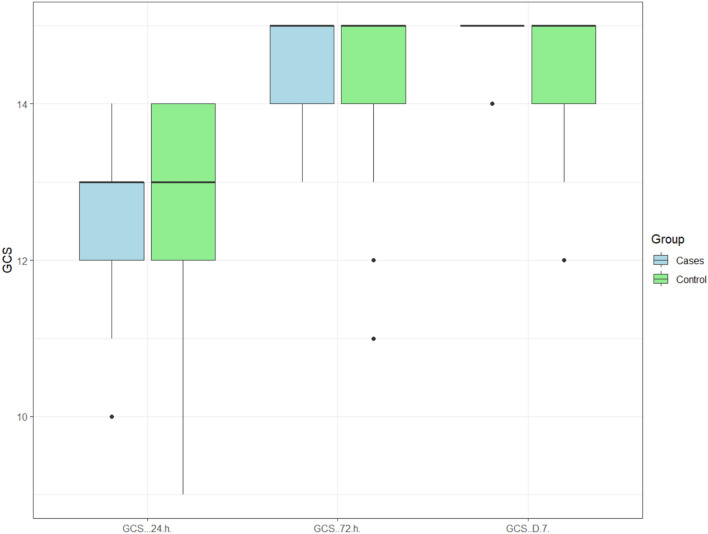 Figure 6
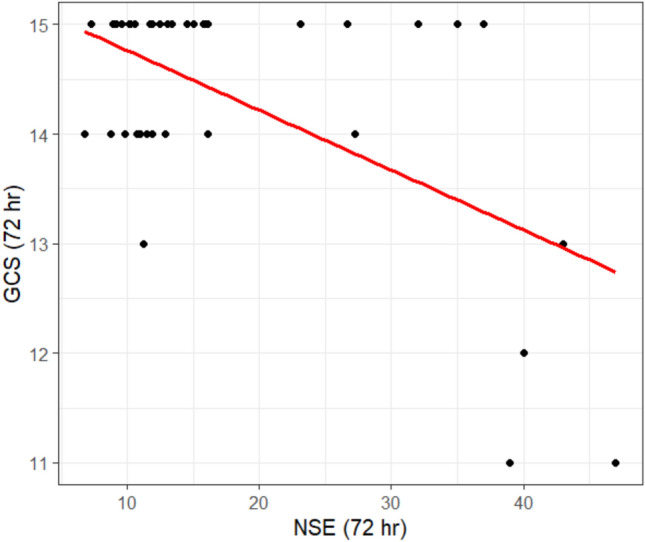 Figure 7
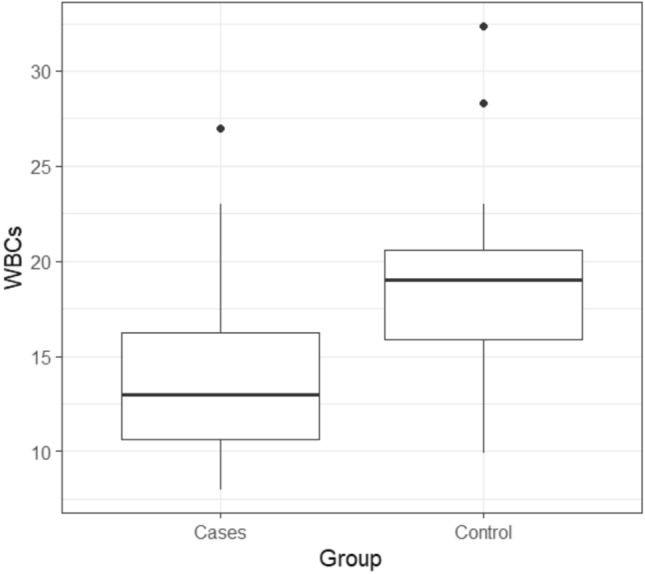 Figure 8
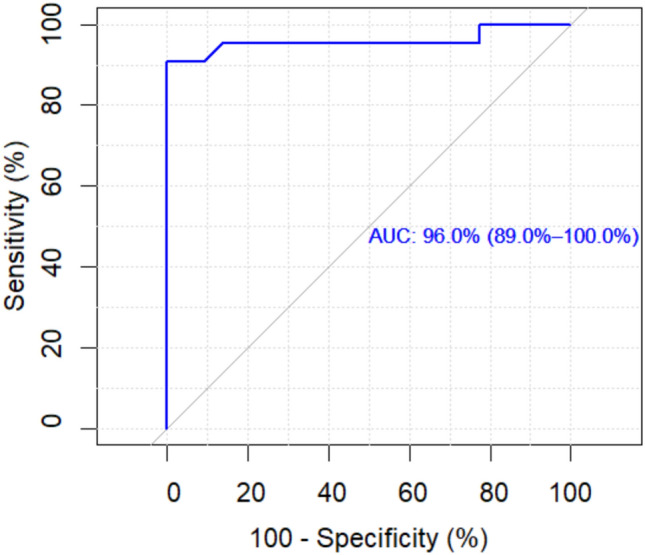 Figure 9
Peer Reviews
No public reviews on file for this paper yet. If you reviewed it on a platform where reviews are public (OpenReview, ICLR, NeurIPS, ICML), you can paste yours below so the community can read it here.
Videos
No videos yet. Explain this paper in a talk, walkthrough, or lecture? Add one.
Taxonomy
TopicsBacterial Infections and Vaccines · Infectious Diseases and Tuberculosis · Anesthesia and Sedative Agents