Bioinformatics analysis of lncRNA and mRNA differentially expressed in patients with cervical cancer
Xiaohua An, Xiaoxue Huang, Qiujie Yu, Yiyue Tang, Yan Wang, Huasu Chen, Yafei Zhang, Qianhao Huang, Yudi Rao, Guomei Hu, He Zha

TL;DR
This study identifies thousands of lncRNAs and mRNAs that are differentially expressed in cervical cancer, linking them to HPV16 infection and key biological processes like cell cycle and signaling pathways.
Contribution
The study provides new insights into the role of lncRNAs and mRNAs in HPV16-associated cervical cancer and identifies potential diagnostic markers.
Findings
3,608 lncRNAs were upregulated and 4,383 were downregulated in cervical cancer tissues compared to paracancerous tissues.
Differentially expressed mRNAs were enriched in cell cycle, cell senescence, and pathways like cAMP and MAPK.
CDKN2B-AS1, HAGLROS, and GATA6-AS1 were potentially regulated by HPV16 E6/E7, suggesting their role in cervical cancer progression.
Abstract
To verify the expression profile of long non-coding RNAs (lncRNAs) and mRNAs in cervical cancer, identify their clinical significance in HPV16-associated cervical cancer, and annotate the biological function of mRNAs. Three pairs of cancerous and paracancer tissues were selected in cervical squamous cell carcinoma (IB2 stage), high-throughput sequencing was utilized to determine the expression levels of lncRNAs and mRNAs. The detection results were validated by GEPIA database analysis and RT-qPCR. Functional annotations of differential mRNAs were conducted through Gene Ontology (GO), Kyoto Encyclopedia of Genes and Genomes (KEGG) pathway enrichment analysis, and protein-protein interaction (PPI) network states. Furthermore, the association between antisense lncRNA and mRNA in cervical cancer was analyzed to predict the biological functions of lncRNA. Finally, recombinant lentivirus…
Genes, proteins, chemicals, diseases, species, mutations and cell lines named across the full text — each resolved to its canonical identifier and authoritative record.
Click any figure to enlarge with its caption.
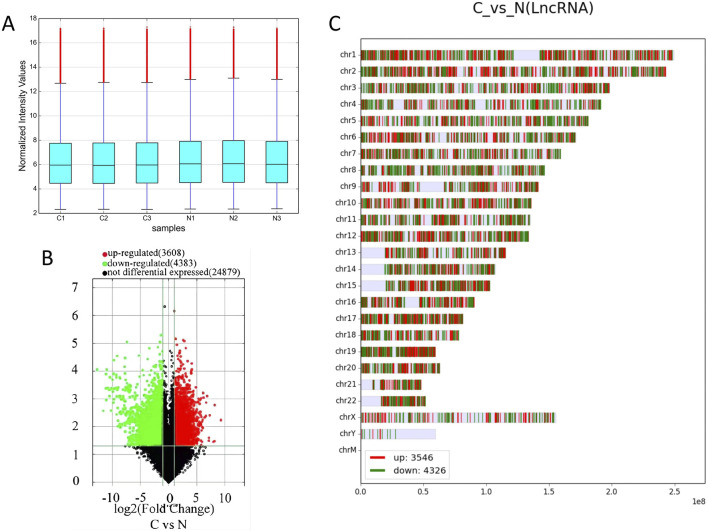 Figure 1
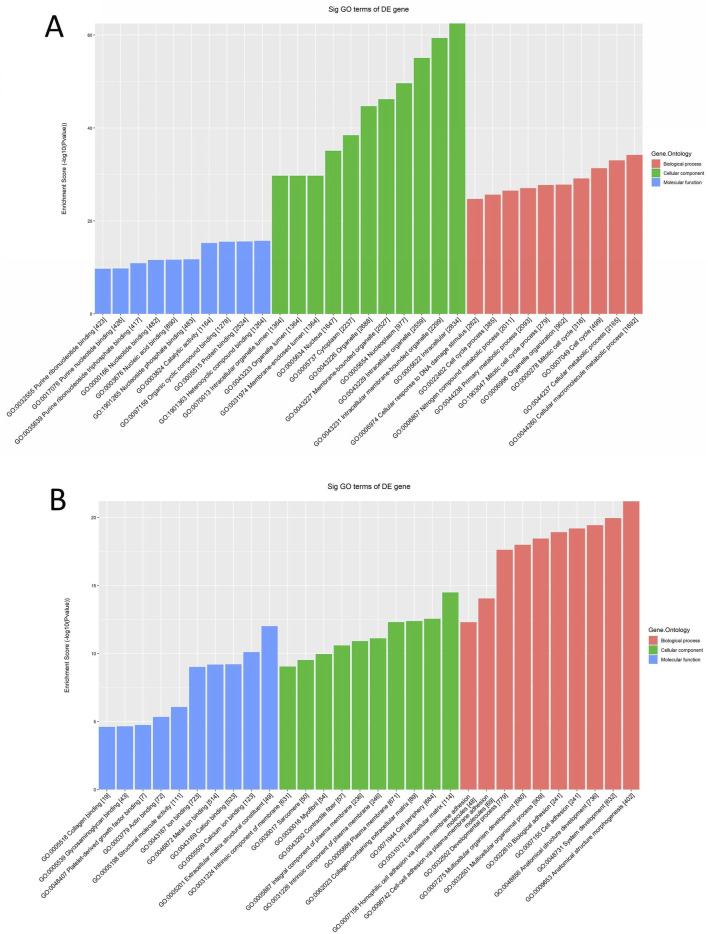 Figure 2
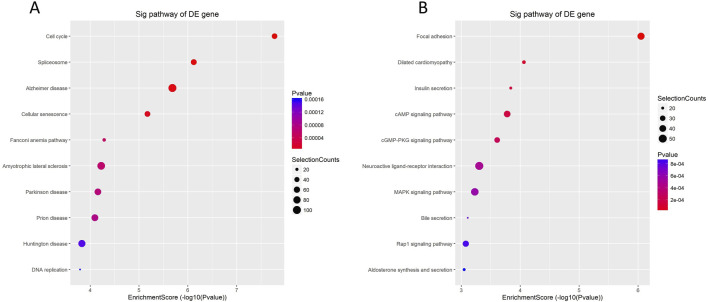 Figure 3
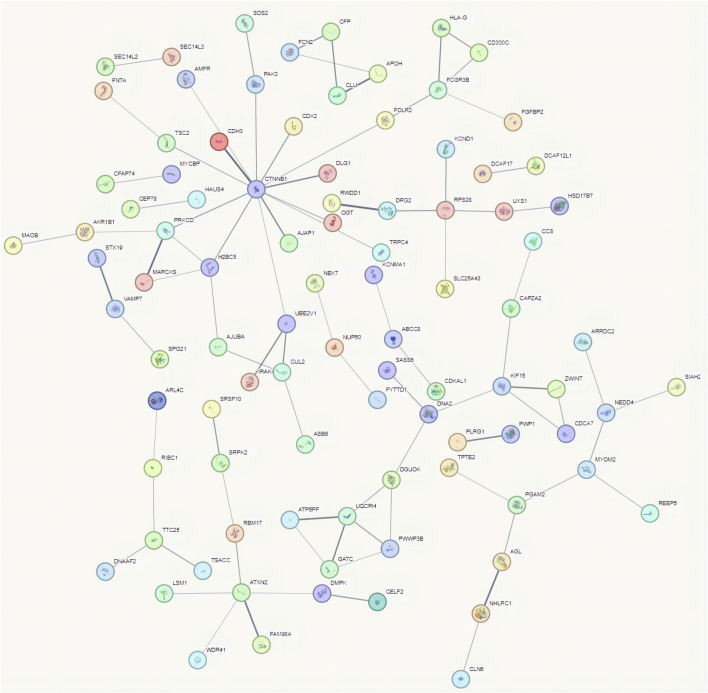 Figure 4
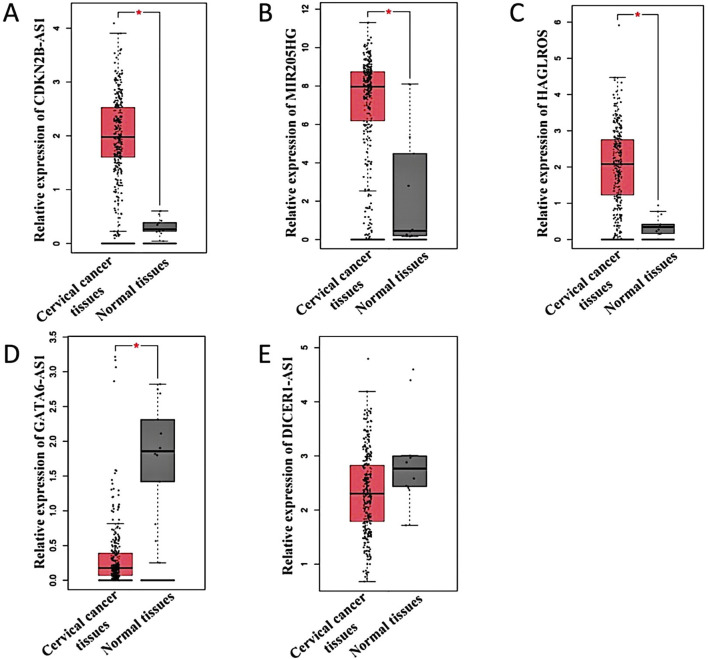 Figure 5
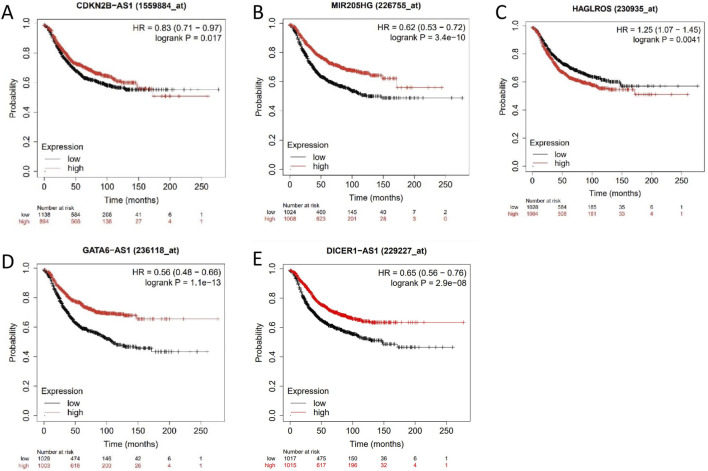 Figure 6
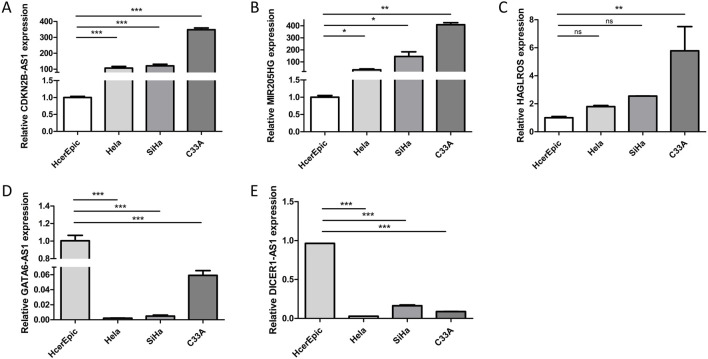 Figure 7
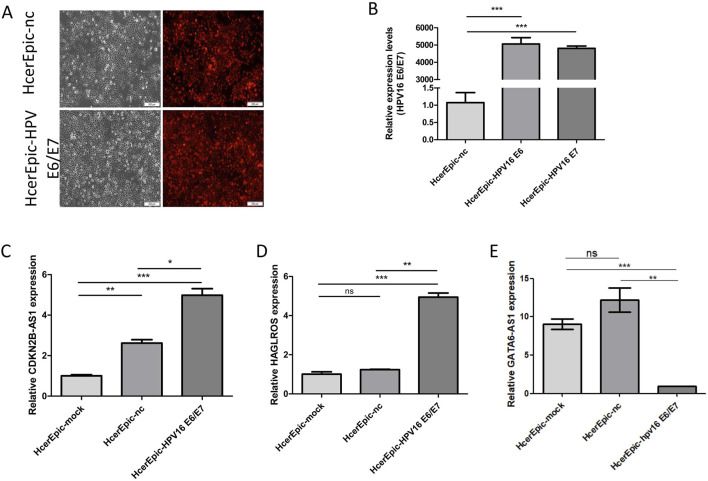 Figure 8
Peer Reviews
No public reviews on file for this paper yet. If you reviewed it on a platform where reviews are public (OpenReview, ICLR, NeurIPS, ICML), you can paste yours below so the community can read it here.
Videos
No videos yet. Explain this paper in a talk, walkthrough, or lecture? Add one.
Taxonomy
TopicsCancer-related molecular mechanisms research · Circular RNAs in diseases