Interactions between bacterial vaginosis-associated microbiota and Trichomonas vaginalis modulate parasite-induced pathogenicity and host immune responses
Shu-Fang Chiu, Ching-Yun Huang, Chien-Yung Chen, Wei-Jane Hsu, Yuan-Ming Yeh, Ya-Wen Shih, Lichieh Julie Chu, Wei-Ning Lin, Kuo-Yang Huang

TL;DR
This study shows how bacteria linked to bacterial vaginosis can increase the harmful effects of a parasitic infection and change immune responses in the vagina.
Contribution
The study reveals that Prevotella bivia enhances Trichomonas vaginalis pathogenicity and host inflammation through specific molecular pathways.
Findings
Prevotella bivia increases Trichomonas vaginalis adhesion and cytotoxicity in host cells.
P. bivia triggers IL-6, IL-8, CXCL1, and IP-10 secretion and activates MAPK pathways in Ect1 cells.
The interaction promotes epithelial-mesenchymal transition, worsening infection outcomes.
Abstract
Trichomoniasis, caused by Trichomonas vaginalis (Tv), is the most common nonviral sexually transmitted infection (STI). Bacterial vaginosis (BV) is characterized by a reduction in health-associated Lactobacillus and an overgrowth of anaerobes. Both BV-associated bacteria (BVB) and Tv are linked to adverse gynecologic outcomes. Herein, we aimed to investigate whether interactions between vaginal bacterial species and Tv could modulate Tv pathogenicity and Tv-induced host immune responses. We established a co-culture system to evaluate the interaction between Tv and various vaginal bacteria, including Lactobacillus crispatus, Escherichia coli, Prevotella bivia, and Lactobacillus iners, in the context of polymicrobial infection in ectocervical cells (Ect1). The impact of the interactions between Tv and these bacterial species on Tv adhesion, Tv-induced cytotoxicity in Ect1 cells, and…
Genes, proteins, chemicals, diseases, species, mutations and cell lines named across the full text — each resolved to its canonical identifier and authoritative record.
Click any figure to enlarge with its caption.
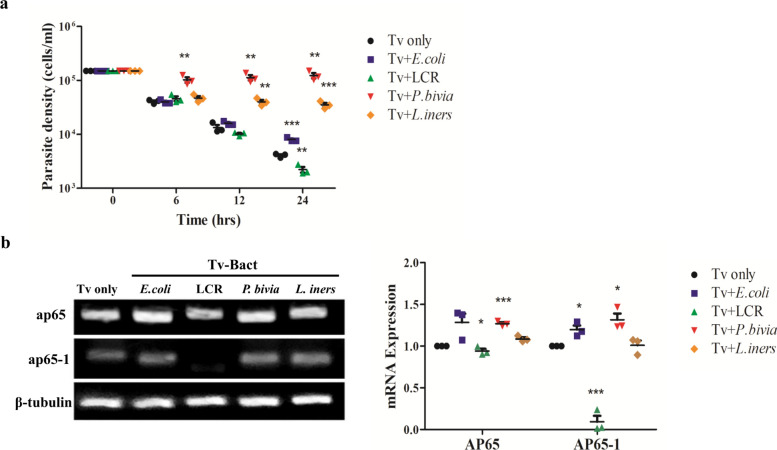 Figure 1
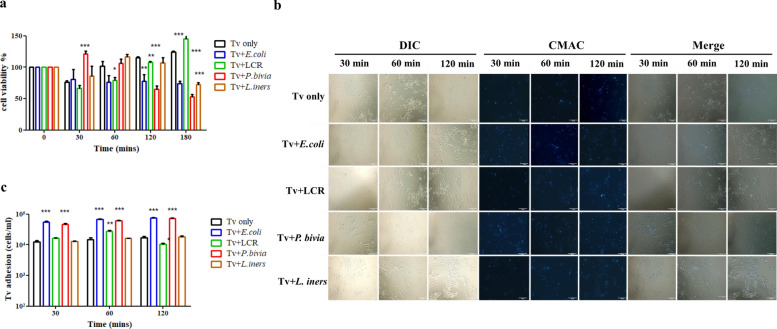 Figure 2
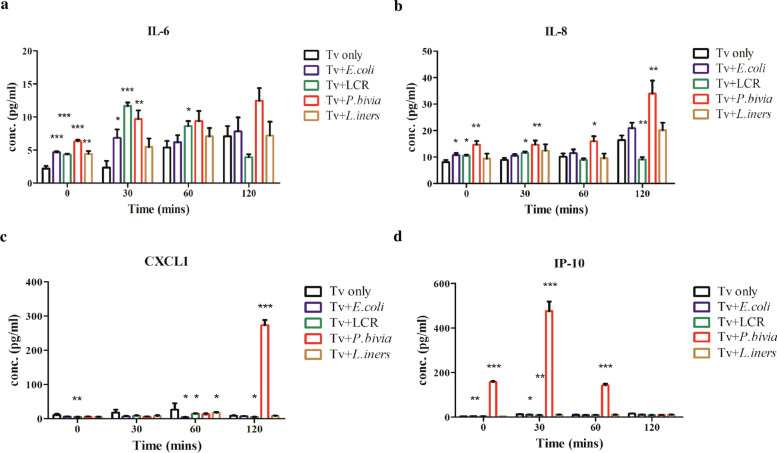 Figure 3
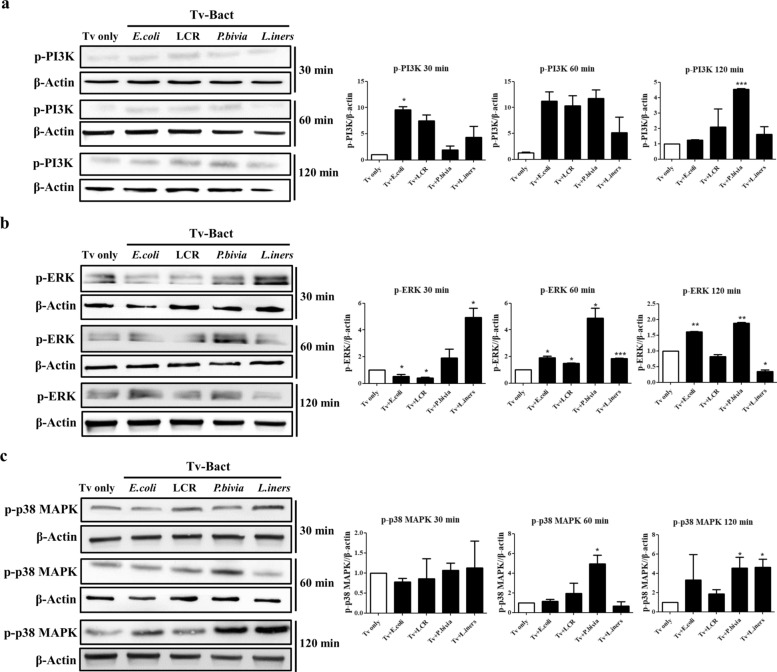 Figure 4
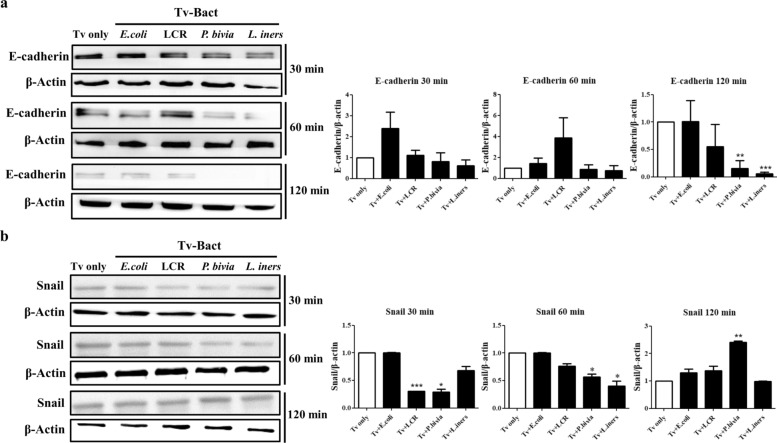 Figure 5
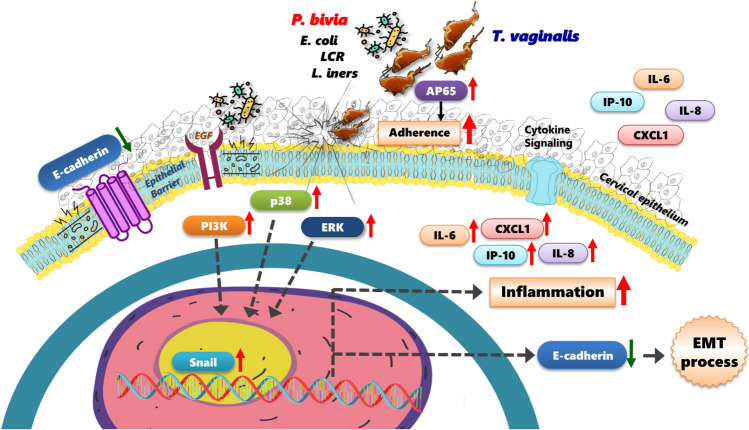 Figure 6
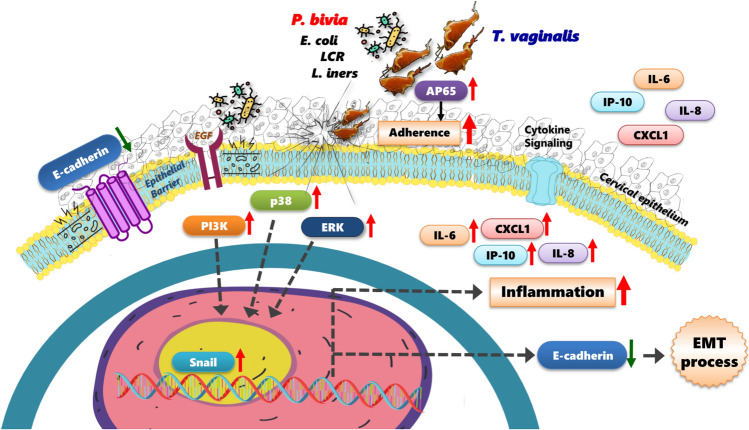 Figure 7
Peer Reviews
No public reviews on file for this paper yet. If you reviewed it on a platform where reviews are public (OpenReview, ICLR, NeurIPS, ICML), you can paste yours below so the community can read it here.
Videos
No videos yet. Explain this paper in a talk, walkthrough, or lecture? Add one.
Taxonomy
TopicsReproductive tract infections research · Gut microbiota and health · Adolescent Sexual and Reproductive Health