Development of a Decellularized Urinary Bladder Matrix and Heparin‐Based Cryogel for Promoting Angiogenesis
Dayeon Roo, Minkyu Lee, Sivashanmugam Amirthalingam, Kyung Min Ryu, Beom Seok Kim, Juan M. Melero‐Martin, Kyoung‐Ha So, Nathaniel S. Hwang

TL;DR
Researchers created a biocompatible scaffold that releases VEGF over time to promote blood vessel growth in damaged tissues.
Contribution
A novel dECM/heparin cryogel scaffold with sustained VEGF release for enhanced angiogenesis is developed.
Findings
The dECM/heparin cryogel effectively binds and releases VEGF over an extended period.
The scaffold showed significant angiogenic potential in vitro and in a mouse model of hindlimb ischemia.
The cryogel's properties make it a promising platform for tissue regeneration therapies.
Abstract
Decellularized extracellular matrix(dECM)‐based scaffolds have demonstrated potential in promoting cellular migration and tissue regeneration. In this study, dECM‐based cryogel scaffolds are developed with sustained vascular endothelial growth factor (VEGF) release properties to enhance angiogenesis in ischemic tissues. VEGF plays a critical role in angiogenesis by stimulating cell proliferation and migration, but its therapeutic delivery remains challenging due to the need for precise dosing to avoid adverse effects. Cryogels, with their microporous structure, elasticity, and shape‐recovery characteristics, offer an ideal platform for controlled VEGF delivery. Using decellularized porcine urinary bladder matrix extracellular matrix (dECM) and heparin, a VEGF‐releasing cryogel scaffold is fabricated. The resulting dECM/heparin cryogel is a biocompatible scaffold capable of binding VEGF…
Genes, proteins, chemicals, diseases, species, mutations and cell lines named across the full text — each resolved to its canonical identifier and authoritative record.
Click any figure to enlarge with its caption.
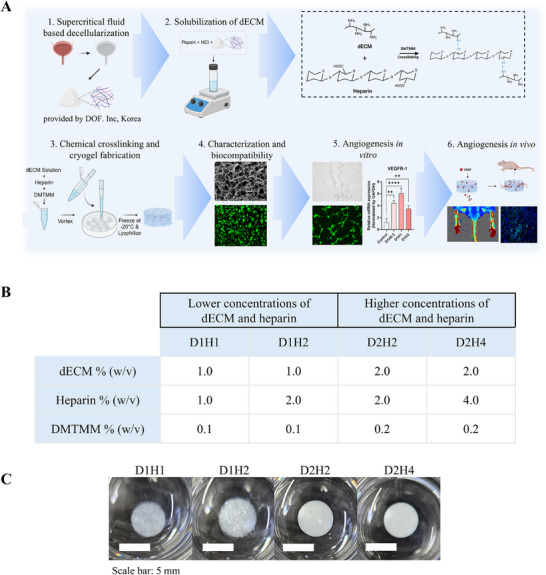 Figure 1
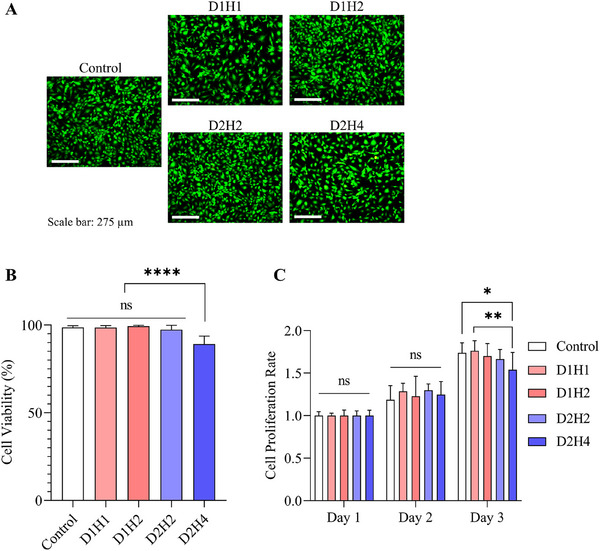 Figure 2
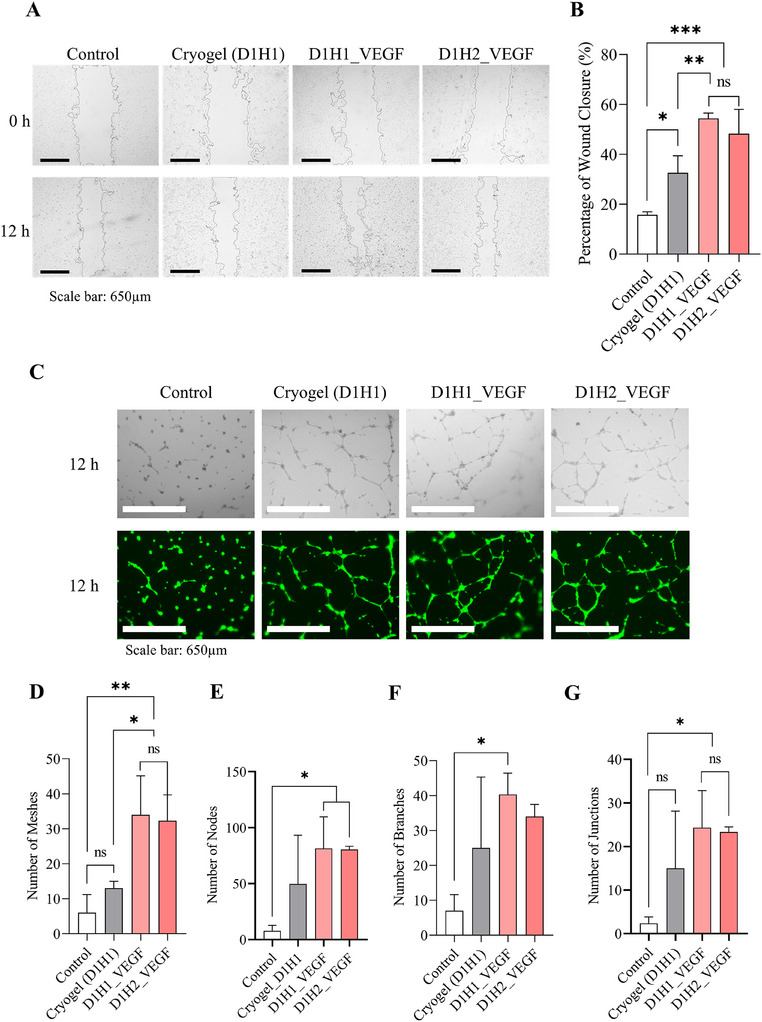 Figure 3
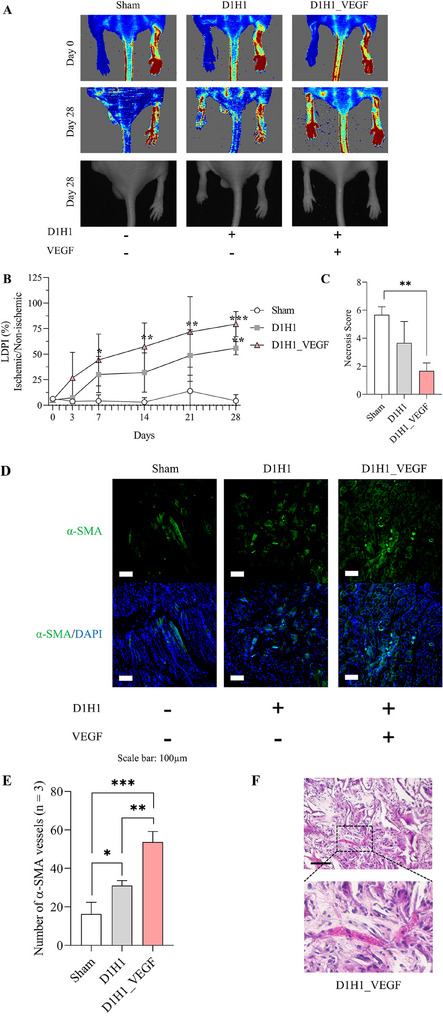 Figure 4
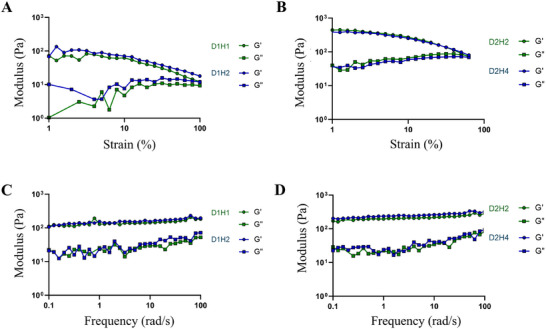 Figure 5
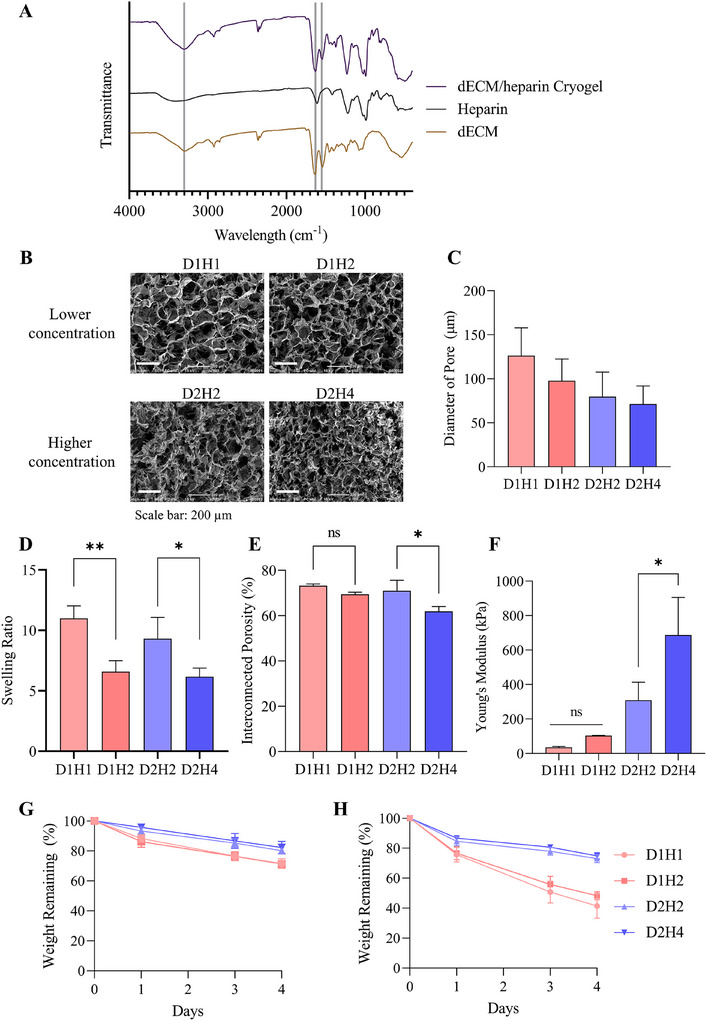 Figure 6
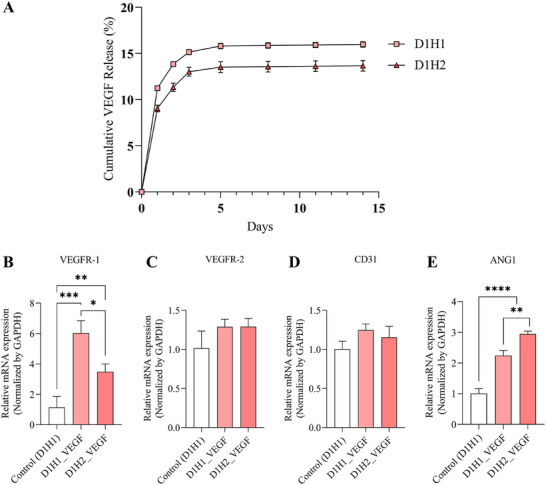 Figure 7
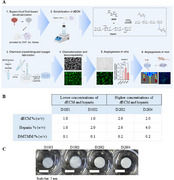 Figure 8
Peer Reviews
No public reviews on file for this paper yet. If you reviewed it on a platform where reviews are public (OpenReview, ICLR, NeurIPS, ICML), you can paste yours below so the community can read it here.
Videos
No videos yet. Explain this paper in a talk, walkthrough, or lecture? Add one.
Taxonomy
TopicsTissue Engineering and Regenerative Medicine · Electrospun Nanofibers in Biomedical Applications · Urinary Bladder and Prostate Research