Transcriptomic–proteomic analysis reveals the regulatory mechanisms of Alfalfa (Medicago sativa) in response to Fusarium acuminatum
Zhidan Shi, Hongxia Sun, Lifen Hao, Yongqing Yang, Chen Guo, Haiyan Huangfu, Hongli Huo, Lili Zhao, Jiuru Huangfu, Haijun Ding, Yongyu Fang, Ziqin Li, Yiding Niu

TL;DR
This study uses transcriptomic and proteomic analysis to understand how alfalfa responds to a fungal infection, revealing key genes and proteins involved in defense mechanisms.
Contribution
The study identifies specific genes and proteins involved in alfalfa's response to Fusarium root rot using combined transcriptomic and proteomic approaches.
Findings
Alfalfa shows significant changes in gene and protein expression in response to Fusarium acuminatum infection.
Key enriched pathways include cell wall synthesis, defense response, and flavonoid biosynthesis.
81 genes and their corresponding proteins show the same expression pattern, highlighting important defense mechanisms.
Abstract
Alfalfa (Medicago sativa) is the most widely cultivated and important forage crop worldwide, owing to its high protein content. However, alfalfa Fusarium root rot seriously affects and restricts the yield and quality. This study explores the response mechanism of alfalfa to Fusarium root rot. we used transcriptomic and proteomic methods to analyze differentially expressed genes (DEGs) and differentially expressed proteins (DEPs) in alfalfa inoculated with Fusarium acuminatum on 0, 3, and 13 days. In total, 13,017 DEGs (6902 upregulated, 6115 downregulated) and 4830 DEPs (697 upregulated, 659 downregulated) were identified. Gene Ontology (GO) and Kyoto and Encyclopedia of Genes and Genomes (KEGG) analyses indicated that the DEGs and DEPs were mainly enriched in the cell cortex, flavonoid biosynthesis, and amino acid metabolism on day 3, whereas on day 13, they were primarily enriched in…
Genes, proteins, chemicals, diseases, species, mutations and cell lines named across the full text — each resolved to its canonical identifier and authoritative record.
Click any figure to enlarge with its caption.
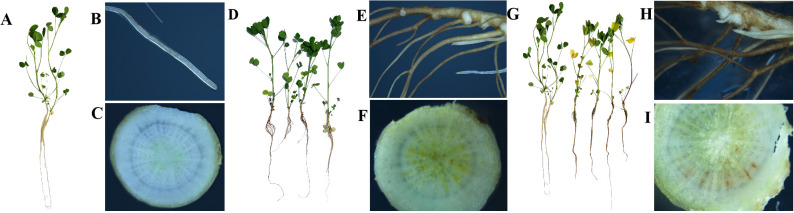 Figure 1
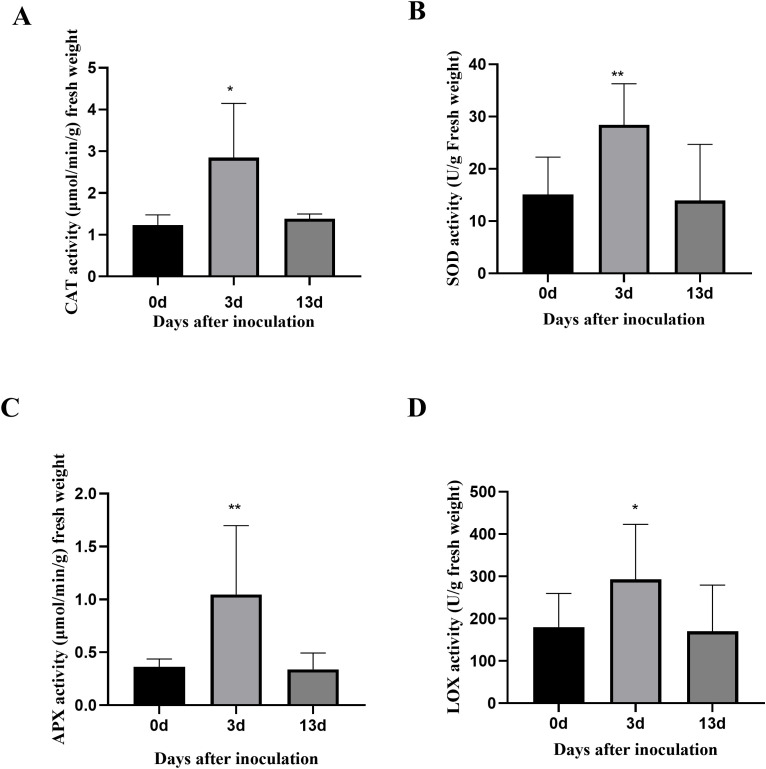 Figure 2
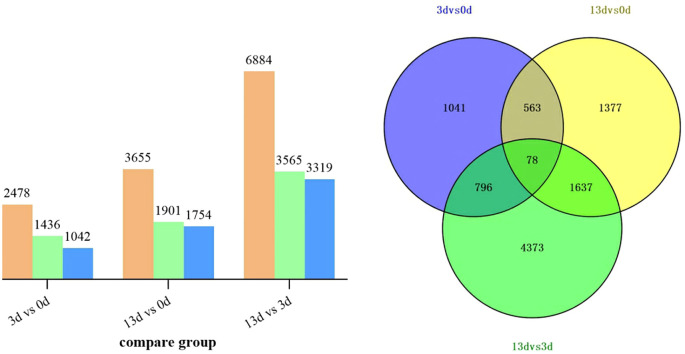 Figure 3
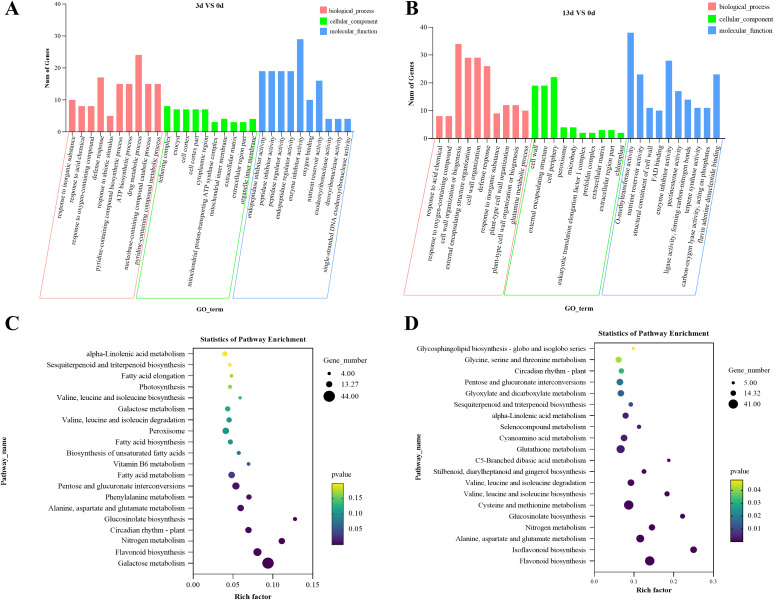 Figure 4
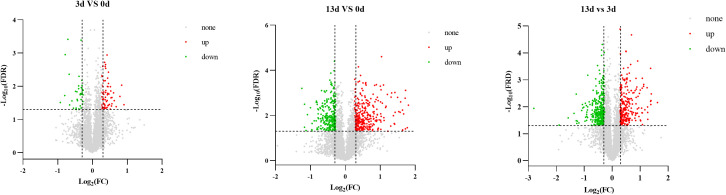 Figure 5
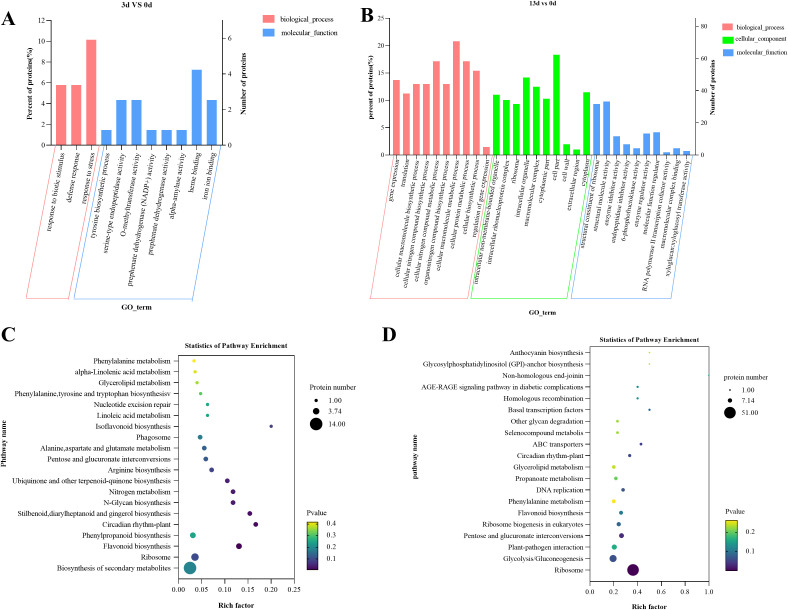 Figure 6
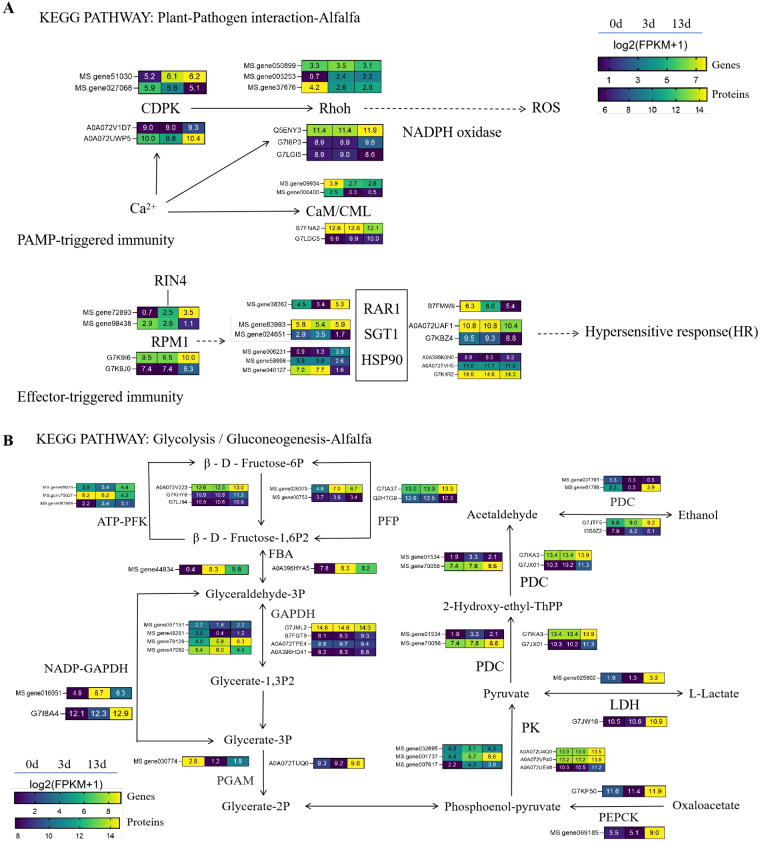 Figure 7
Peer Reviews
No public reviews on file for this paper yet. If you reviewed it on a platform where reviews are public (OpenReview, ICLR, NeurIPS, ICML), you can paste yours below so the community can read it here.
Videos
No videos yet. Explain this paper in a talk, walkthrough, or lecture? Add one.
Taxonomy
TopicsPlant-Microbe Interactions and Immunity · Plant Pathogens and Fungal Diseases · Mycotoxins in Agriculture and Food