Archaeogenomic Analysis of Nineteenth‐Century Burials at Saint Mary's Basilica: An Intersectional Analysis of Religion, Race, and Migration
Raquel E. Fleskes, Horvey M. Palacios, Hannah Budner, Dana Kollmann, Cassandra Newby‐Alexander, Reed Harder, Deborah A. Bolnick, Marcus Pollard, Paige Pollard, Theodore G. Schurr, David A. Brown

TL;DR
This study uses archaeogenomics to explore the lives of 19th-century congregants at a historically African American church, revealing genetic ties to Europe and Spain.
Contribution
The novel use of an intersectional framework with archaeogenomic data to explore race, religion, and migration in a historically African American context.
Findings
Three adults were genetically linked to populations in the UK, France, and Spain.
One adult had a unique mitochondrial DNA haplotype from northern Spain.
Burial analysis suggests these individuals were part of an earlier church in the 1790s to 1856 period.
Abstract
The Basilica of Saint Mary's of the Immaculate Conception in Norfolk, Virginia, is the only predominantly African American basilica in the United States. A community‐based archaeogenomic investigation was carried out at this church to investigate the history of its previous congregants. Five burials were selected for excavation and archaeological analysis. The skeletal remains of these past congregants were assessed to determine age, sex, and preservation status. Ancient DNA was extracted at the University of Connecticut's ancient DNA laboratory. Five burials excavated at the basilica yielded four sets of human remains of variable preservation and sex. Interment location, style, and positioning of the burials suggested that they belong to the earlier Saint Patrick's church (AD 1790s to 1856), which once stood adjacent to the current basilica. Osteological analyses indicated the…
Genes, proteins, chemicals, diseases, species, mutations and cell lines named across the full text — each resolved to its canonical identifier and authoritative record.
Click any figure to enlarge with its caption.
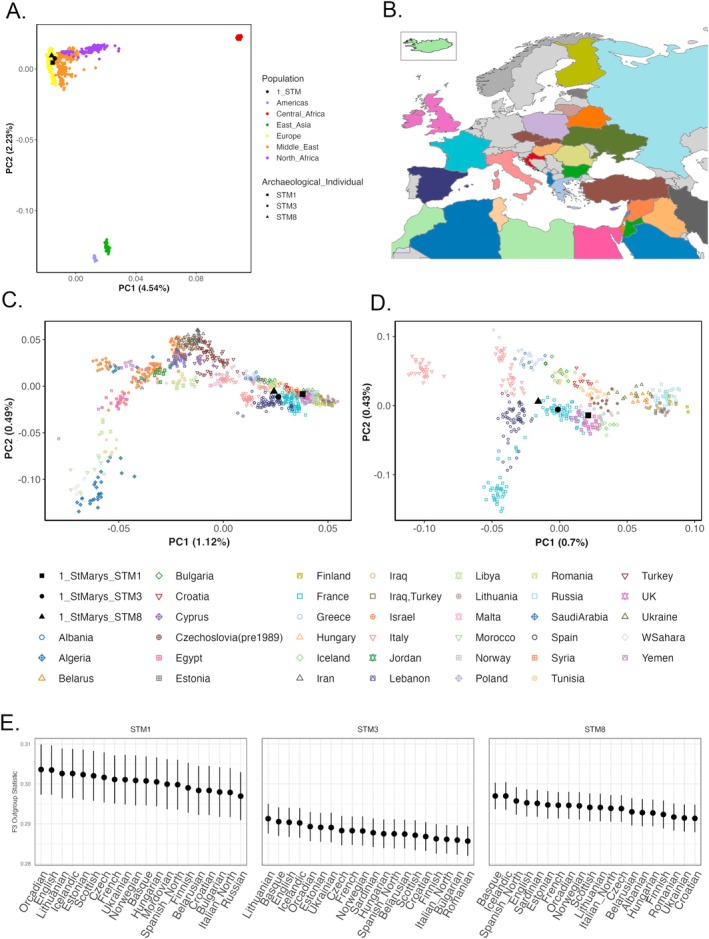 Figure 1
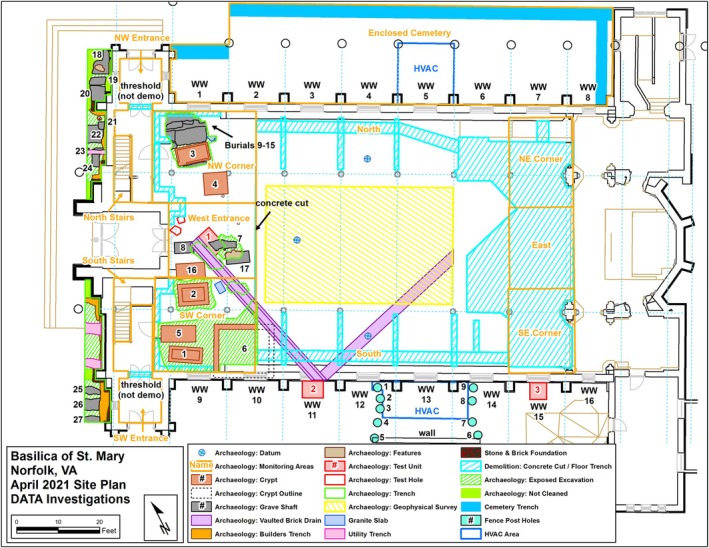 Figure 2
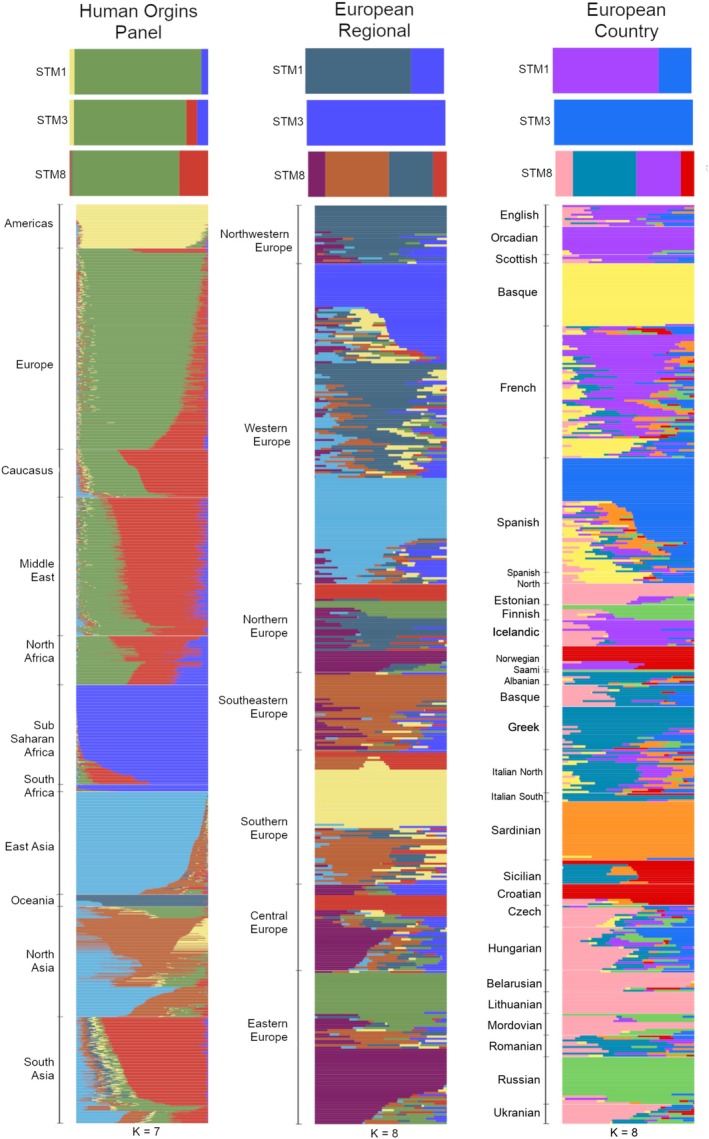 Figure 3
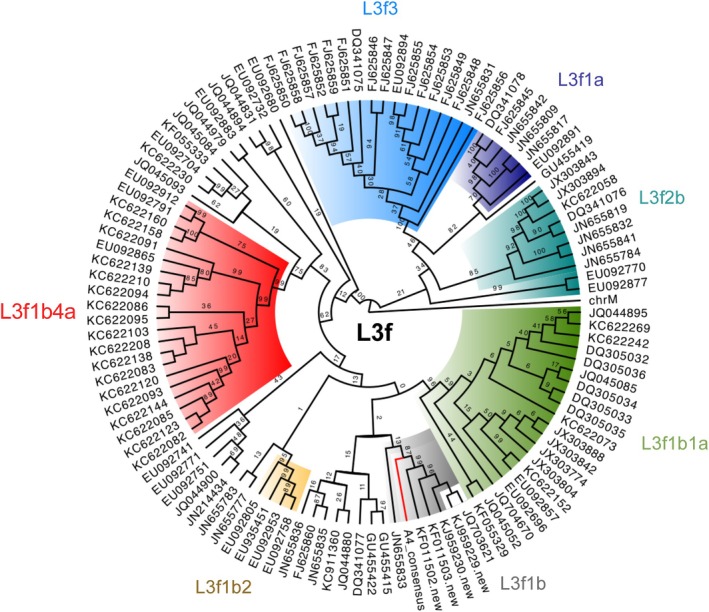 Figure 4
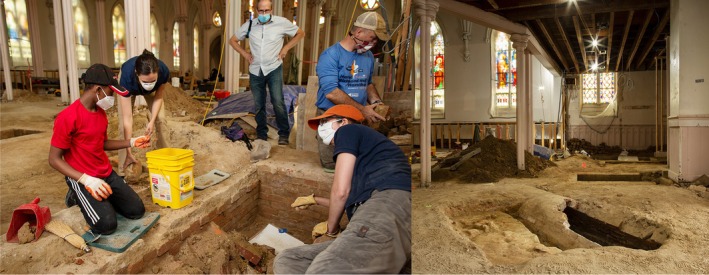 Figure 5
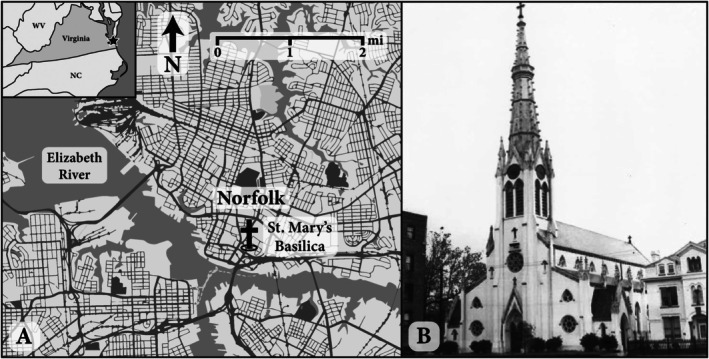 Figure 6
Peer Reviews
No public reviews on file for this paper yet. If you reviewed it on a platform where reviews are public (OpenReview, ICLR, NeurIPS, ICML), you can paste yours below so the community can read it here.
Videos
No videos yet. Explain this paper in a talk, walkthrough, or lecture? Add one.
Taxonomy
TopicsForensic and Genetic Research · Archaeology and ancient environmental studies · Forensic Anthropology and Bioarchaeology Studies