Histological Changes and Immunohistological Analysis of Interstitial Cells of Cajal in Pelvi-Ureteric Junction Obstruction: Correlation With Preoperative Renal Function
Priya S Patil, Santosh V Patil, Manisha R Dhobale, Nitin R Mudiraj

TL;DR
This study examines the microscopic changes in the pelvi-ureteric junction of patients with obstruction and finds that reduced interstitial cells of Cajal and increased fibrosis correlate with poor kidney function.
Contribution
The study provides new insights into the histological and immunohistological features of pelvi-ureteric junction obstruction and their correlation with preoperative renal function.
Findings
Histological changes like fibrosis and smooth muscle hypertrophy are more severe at the obstructed pelvi-ureteric junction.
Interstitial cells of Cajal are significantly reduced in obstructed segments and correlate with poor renal function.
Older patients show higher grades of fibrosis at the pelvi-ureteric junction.
Abstract
Introduction: A decrease in smooth muscle cells at the pelvi-ureteric junction (PUJ), along with abnormal muscle orientation, collagen deposition, and a reduction in Cajal cells, is proposed as the primary cause of obstruction at the PUJ. The findings on histology and the density of interstitial cells of Cajal (ICCs) in patients operated for pelvi-ureteric junction obstruction (PUJO) show variable observations. Clinicians often face a dilemma during the diagnosis and management of patients with PUJO. Hence, to address this knowledge gap, a study of the detailed microanatomy of PUJO and the number of ICCs has been undertaken. A correlation of these parameters with preoperative renal function will help clinicians during postoperative follow-up and prediction of the surgical outcome. Methodology: The study was carried out on resected specimens from all 54 patients who underwent surgery…
Genes, proteins, chemicals, diseases, species, mutations and cell lines named across the full text — each resolved to its canonical identifier and authoritative record.
Click any figure to enlarge with its caption.
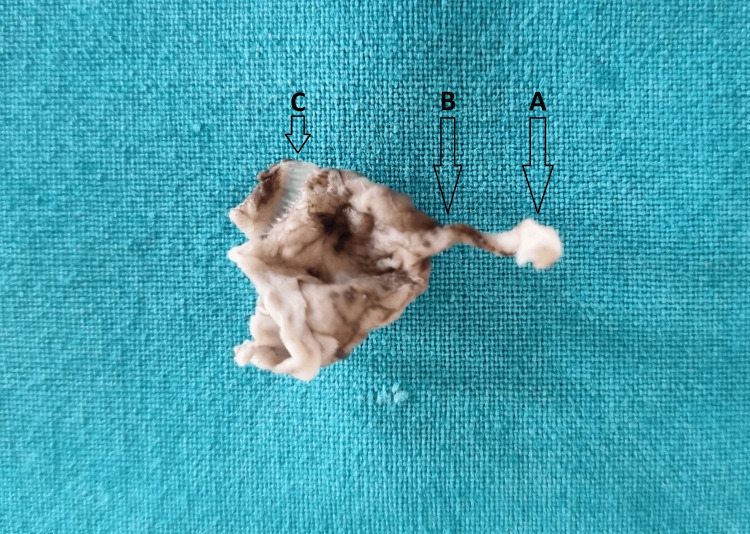 Figure 1
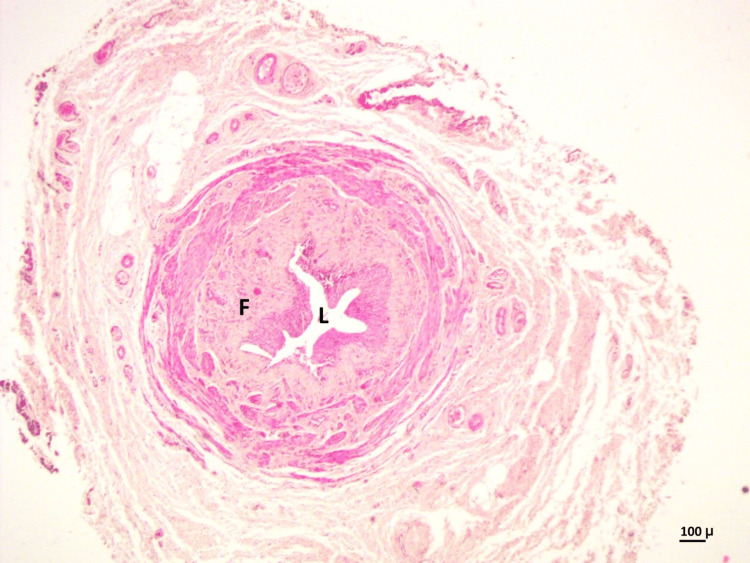 Figure 2
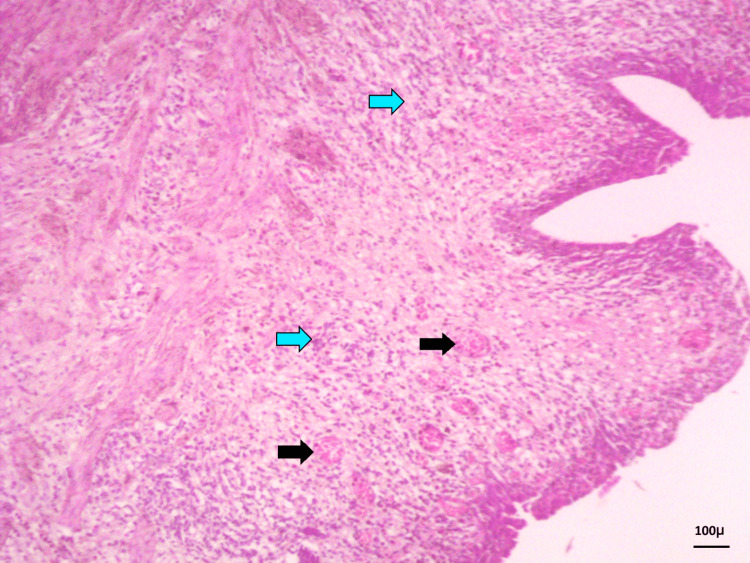 Figure 3
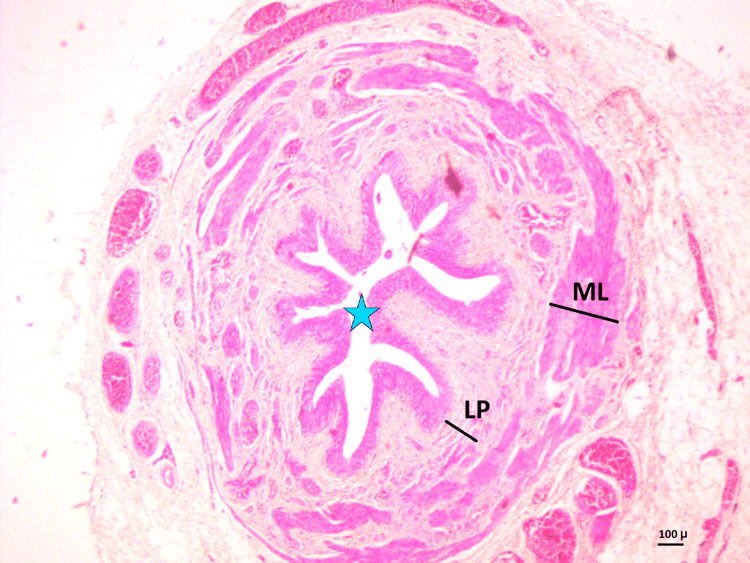 Figure 4
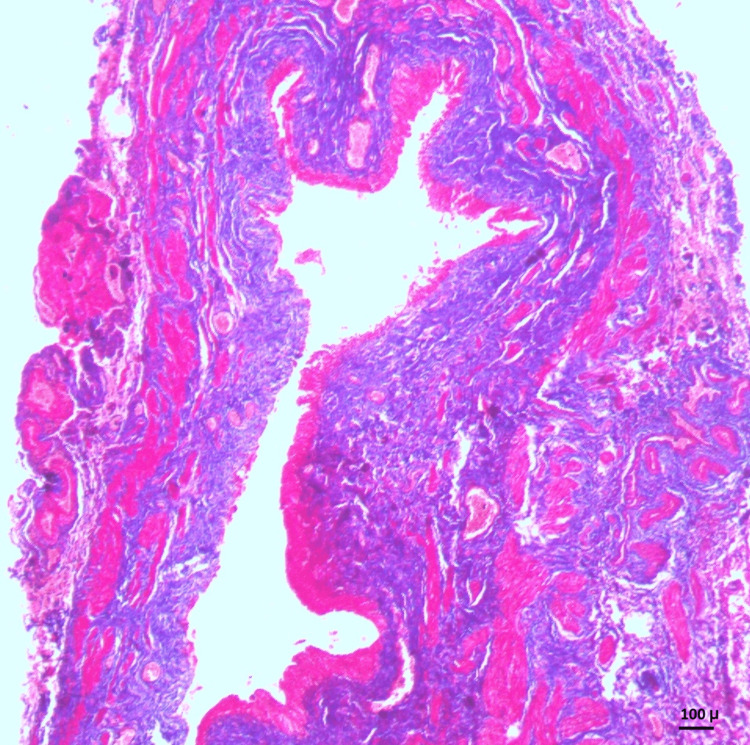 Figure 5
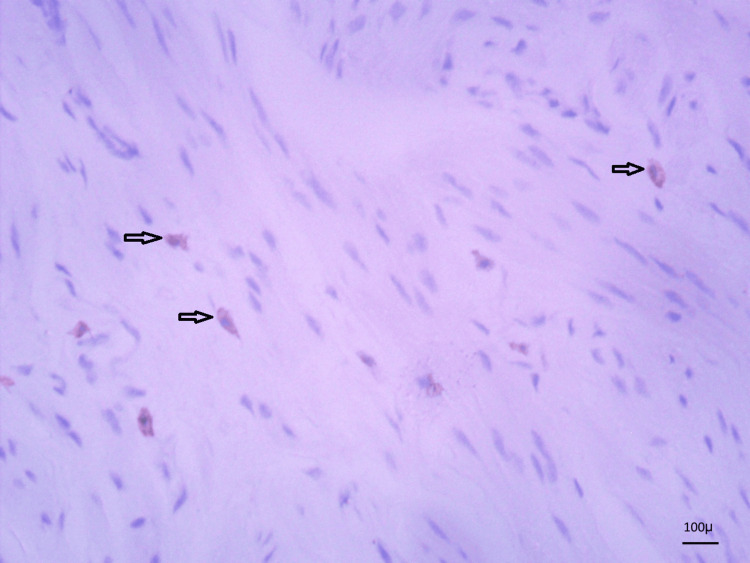 Figure 6
Peer Reviews
No public reviews on file for this paper yet. If you reviewed it on a platform where reviews are public (OpenReview, ICLR, NeurIPS, ICML), you can paste yours below so the community can read it here.
Videos
No videos yet. Explain this paper in a talk, walkthrough, or lecture? Add one.
Taxonomy
TopicsPediatric Urology and Nephrology Studies · Pelvic floor disorders treatments · Kidney Stones and Urolithiasis Treatments