When breast cancer patients participate in ritual interactive activities: the mechanism of perceived emotional synchrony on health information avoidance
Jie Chen, Yang Yang, Fangjuan Du, Jie Li

TL;DR
This study explores how shared emotional experiences during group activities affect breast cancer patients' tendency to avoid health information.
Contribution
The paper introduces a moderated chain mediation model linking perceived emotional synchrony to health information avoidance in breast cancer patients.
Findings
Perceived emotional synchrony is negatively correlated with health information avoidance in breast cancer patients.
Positive emotions and coping self-efficacy mediate the relationship between emotional synchrony and health information avoidance.
Advanced-stage cancer patients show stronger chain-mediated effects between emotional synchrony and health information avoidance.
Abstract
Health information avoidance (HIA) creates serious health risks, particularly for patients with serious health problems such as breast cancer. Although existing research has explained how emotional responses affect HIA from several perspectives, little attention has been paid to how perceived emotional synchrony (PES), as an antecedent, influences HIA behavior, especially in the context of breast cancer patients participating in ritualistic interactive activities. In this study, we constructed a moderated chain mediation model drawn on the Interactive Ritual Chains (IRCs) theory, combined with social cognitive theory to test the relationship between PES and HIA behaviors in cancer patients. At the same time, the important individual characteristic of cancer staging has been overlooked in studies of boundary mechanisms in HIA. We further explored the moderating role of cancer staging.…
Genes, proteins, chemicals, diseases, species, mutations and cell lines named across the full text — each resolved to its canonical identifier and authoritative record.
Click any figure to enlarge with its caption.
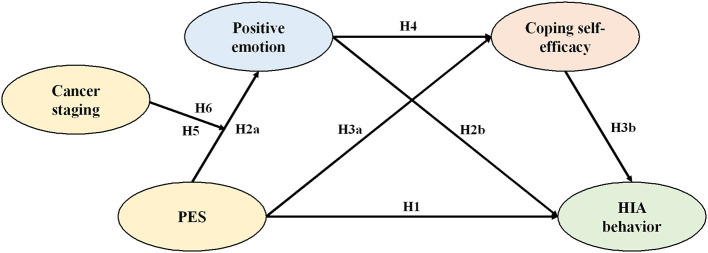 Figure 1
 Figure 2
 Figure 3
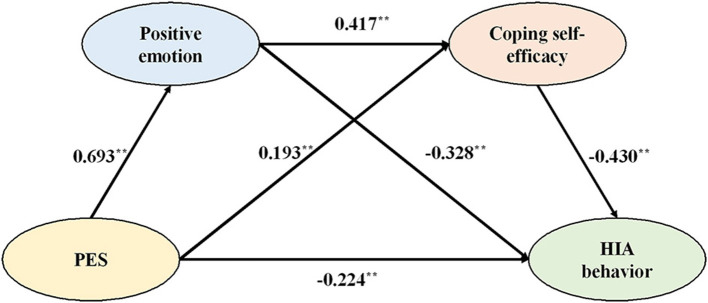 Figure 4
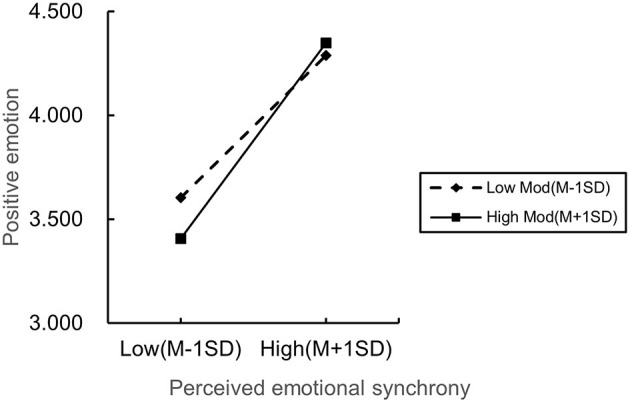 Figure 5
Peer Reviews
No public reviews on file for this paper yet. If you reviewed it on a platform where reviews are public (OpenReview, ICLR, NeurIPS, ICML), you can paste yours below so the community can read it here.
Videos
No videos yet. Explain this paper in a talk, walkthrough, or lecture? Add one.
Taxonomy
TopicsHealth Literacy and Information Accessibility · Behavioral Health and Interventions · Mental Health via Writing