Biotransformation of Sophorabioside in the Fruits and Small Branches of Sophora japonica into Sophoricoside Using α-L-Rhamnosidase from Chloroflexus aurantiacus
Su-Hwan Kang, Yeong-Su Kim, Hwan Lee, Kyung-Chul Shin

TL;DR
This study shows how to convert sophorabioside into the more effective sophoricoside using an enzyme from a specific bacteria, improving the medicinal value of Sophora japonica.
Contribution
The study introduces an efficient enzymatic method to convert sophorabioside into sophoricoside using α-L-rhamnosidase from Chloroflexus aurantiacus.
Findings
Optimal conversion occurred at pH 6.0 and 55°C with high enzyme selectivity for neohesperidose-containing flavonoids.
Sophoricoside production was enhanced by 2.5% methanol in the reaction mixture.
Biotransformed extracts showed significant lipoxygenase inhibitory activity, indicating improved anti-inflammatory potential.
Abstract
Sophora japonica L., a medicinal herb used in East Asia, contains bioactive flavonoids such as sophoricoside and sophorabioside. Sophoricoside, a more bioavailable and therapeutically potent form, is known for its pharmacological properties, including anti-inflammatory, -cancer, and -osteoporotic effects. However, conversion of sophorabioside into sophoricoside has not been extensively studied. In this study, we aimed for the enzymatic conversion of sophorabioside, abundant in the S. japonica fruits and small branches, into sophoricoside using α-L-rhamnosidase from Chloroflexus aurantiacus. Optimal reaction conditions for this biotransformation were established, with maximal enzymatic activity observed at pH 6.0 and 55°C. Substrate specificity analysis revealed high selectivity of the enzyme for neohesperidose-containing flavonoids, including sophorabioside. Sophoricoside was…
Genes, proteins, chemicals, diseases, species, mutations and cell lines named across the full text — each resolved to its canonical identifier and authoritative record.
Click any figure to enlarge with its caption.
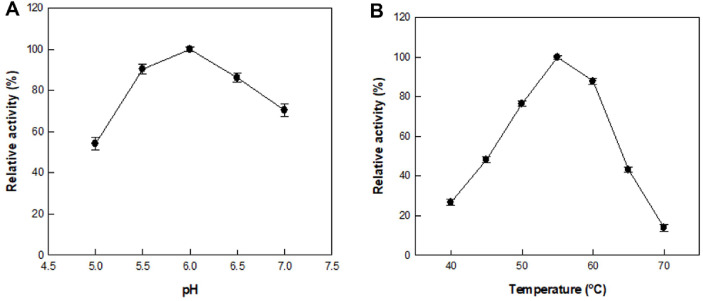 Figure 1
 Figure 2
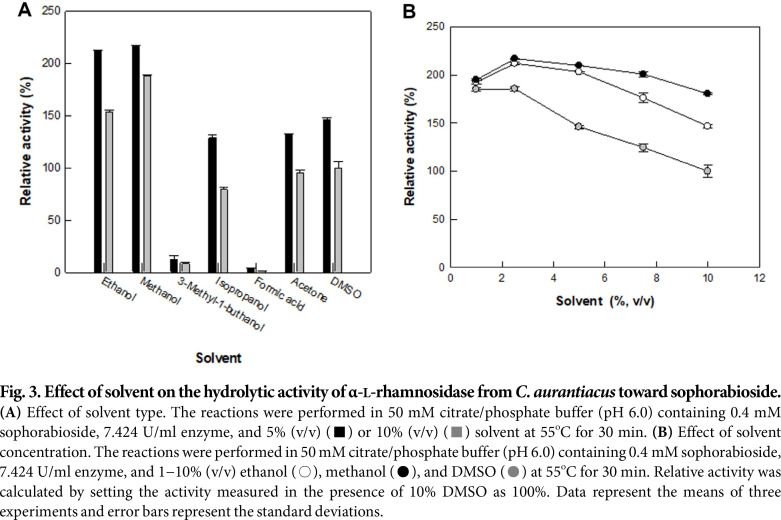 Figure 3
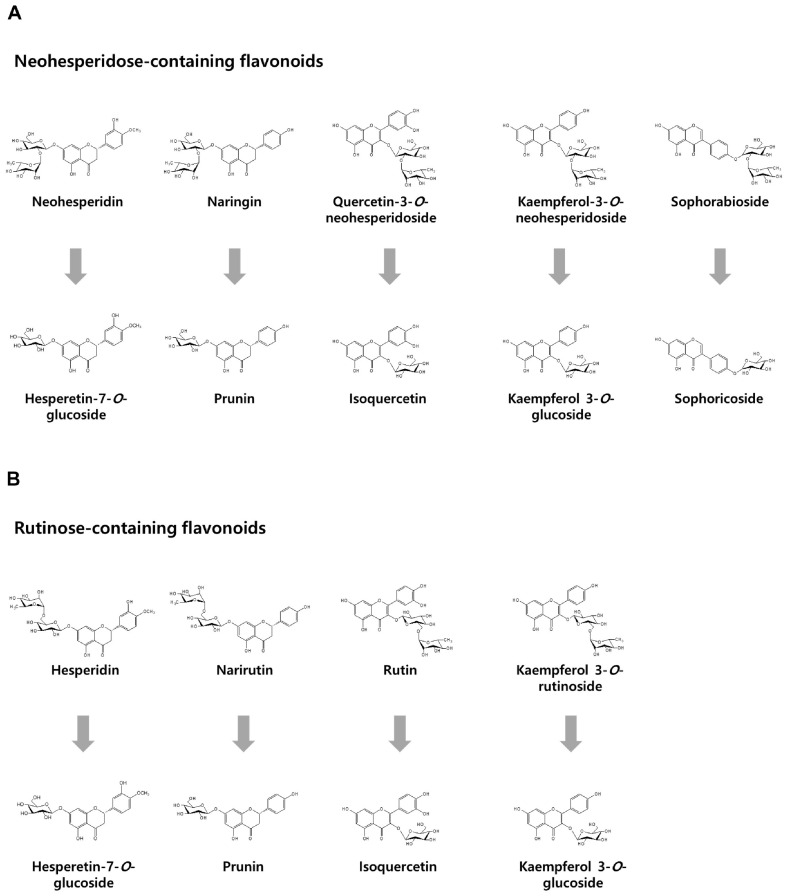 Figure 4
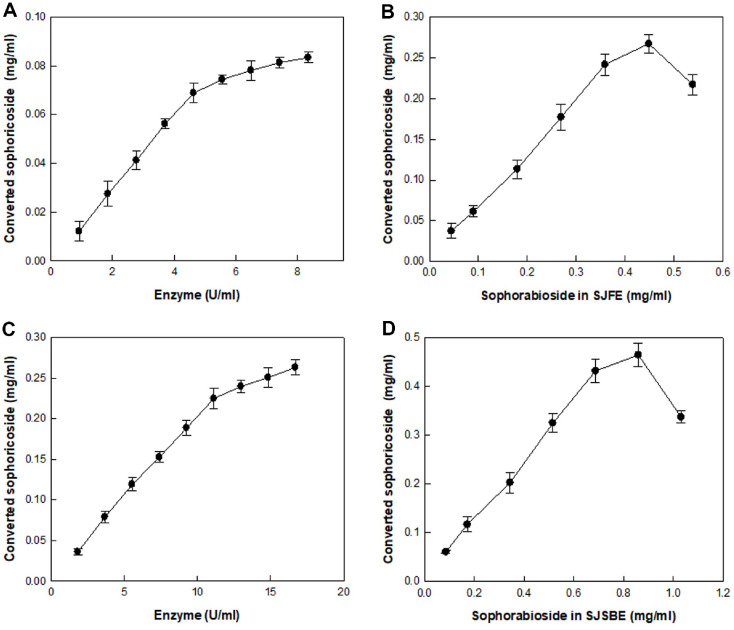 Figure 5
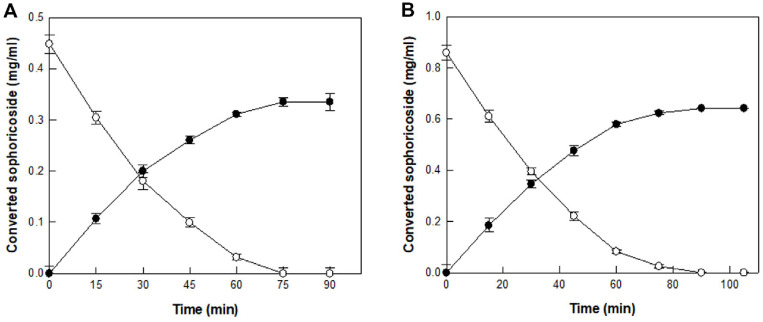 Figure 6
Peer Reviews
No public reviews on file for this paper yet. If you reviewed it on a platform where reviews are public (OpenReview, ICLR, NeurIPS, ICML), you can paste yours below so the community can read it here.
Videos
No videos yet. Explain this paper in a talk, walkthrough, or lecture? Add one.
Taxonomy
TopicsPhytochemical compounds biological activities · Natural product bioactivities and synthesis · Moringa oleifera research and applications