Cloning, Expression, and Characterization of GDSL-Type Lipolytic Enzyme Genes from Epidermidibacterium keratini EPI-7 Isolated from Human Skin
Seok-Yun Jeong, Seok Kyun Yun, Suhyeon Cho, Seyeol Baek, Hee-Jae Shin, Seokmuk Park, Sugyeong Jeong, Gayoung Kim, Seunghyun Kang, Seunghee Bae

TL;DR
This study identifies and characterizes seven new carboxylesterase enzymes from a skin bacterium, showing potential for use in cosmetics and pharmaceuticals due to their stability and activity under industrial conditions.
Contribution
The discovery of novel thermostable, alkaline carboxylesterases from the skin microbiome with industrial application potential.
Findings
The enzymes prefer short-chain fatty acids and are classified as carboxylesterases, a novel finding in the skin microbiome.
They show optimal activity at alkaline pH and high temperatures, with good thermostability.
The enzymes are stable in non-ionic detergents and tolerate organic solvents like methanol and isopropanol.
Abstract
This study investigated seven putative lipolytic enzymes (EstEk01-07) from the skin microbiome bacterium Epidermidibacterium keratini EPI-7, focusing on their properties relevant to industrial applications. Sequence analysis revealed conserved GDSL motifs and four conserved blocks, characteristic of the GDSL/SGNH superfamily, with predicted α/β/α folds consistent with these enzymes. Significant variations in the number of α-helices and β-sheets among the EstEk enzymes suggested diverse substrate specificities and catalytic efficiencies. The enzymes exhibited a strong preference for short-chain fatty acids (C2-C4), classifying them as carboxylesterases, a novel finding within the skin microbiome. Optimal enzyme activity was observed at alkaline pH (8.0-9.0) and thermophilic condition (50-60°C), with substantial thermostability retained after heating at 50°C for three hours. Metal ion…
Genes, proteins, chemicals, diseases, species, mutations and cell lines named across the full text — each resolved to its canonical identifier and authoritative record.
Click any figure to enlarge with its caption.
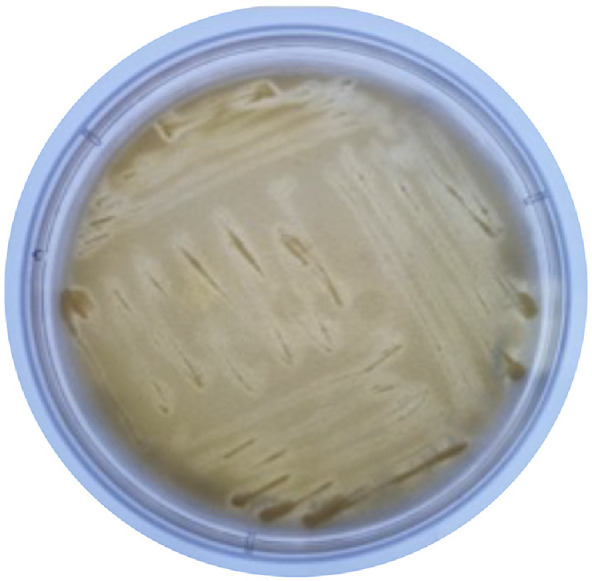 Figure 1
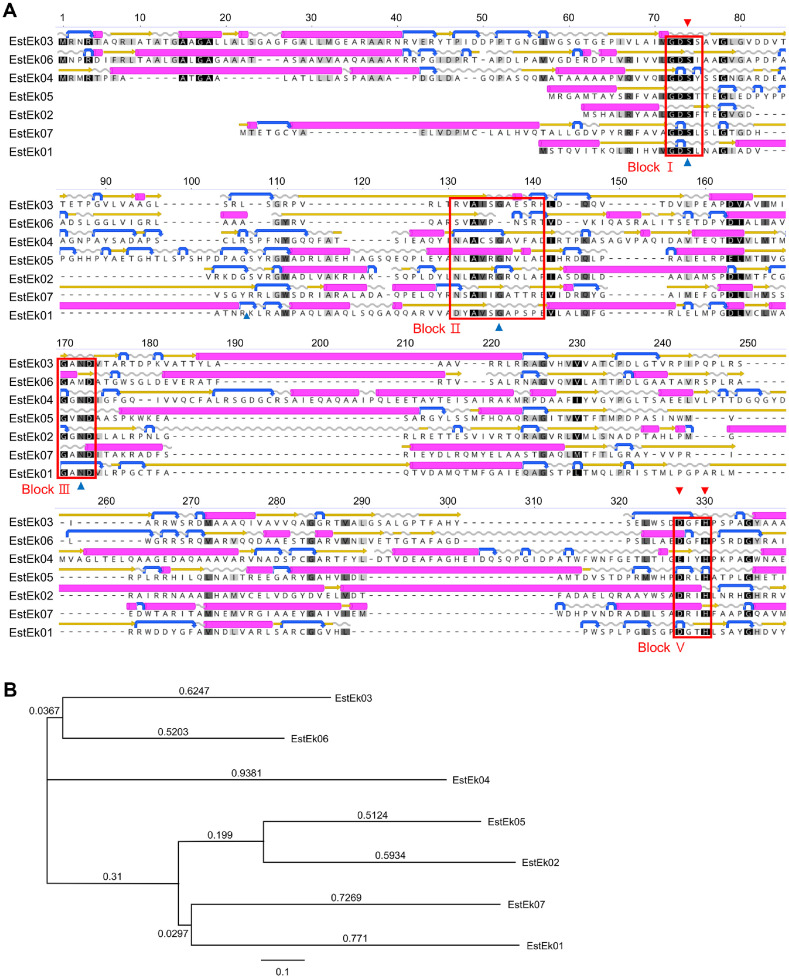 Figure 2
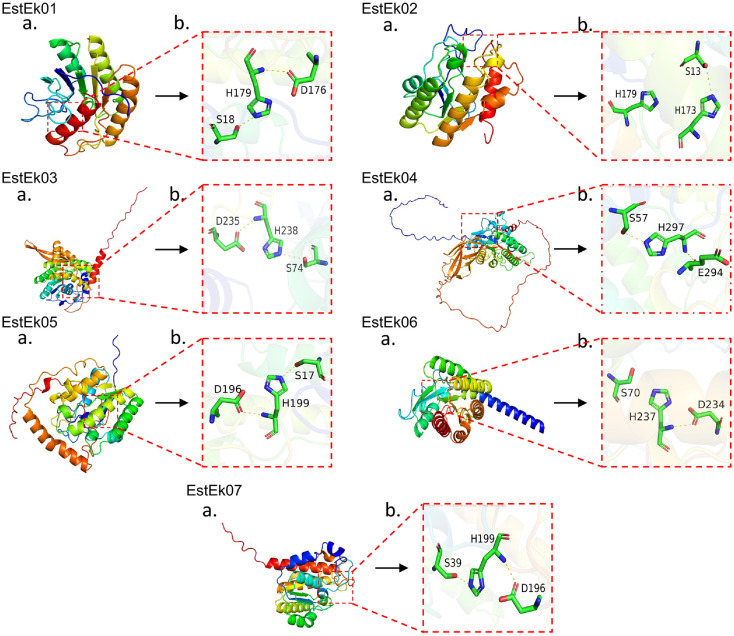 Figure 3
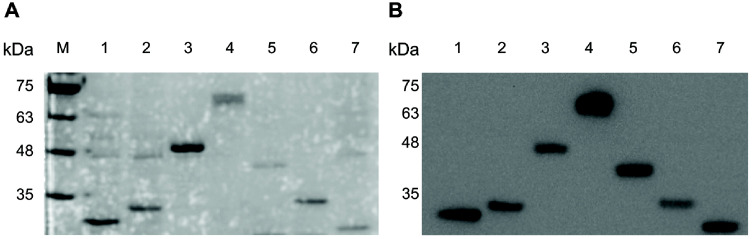 Figure 4
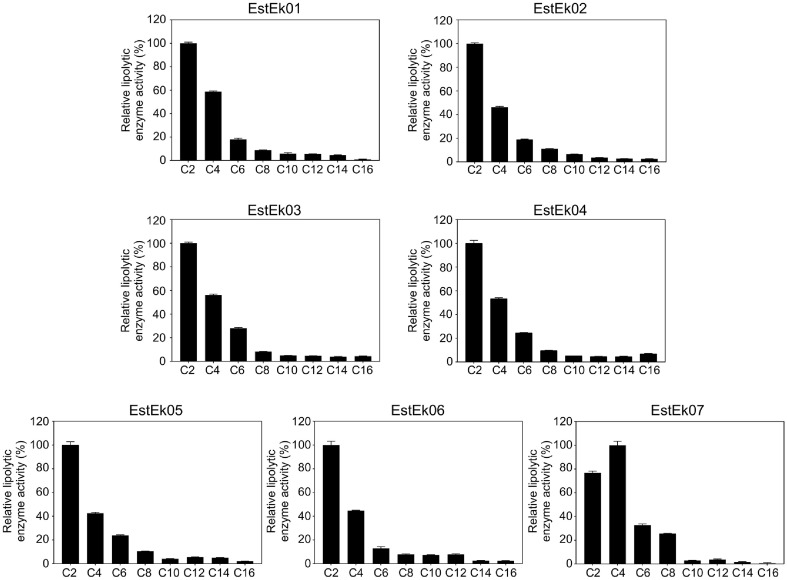 Figure 5
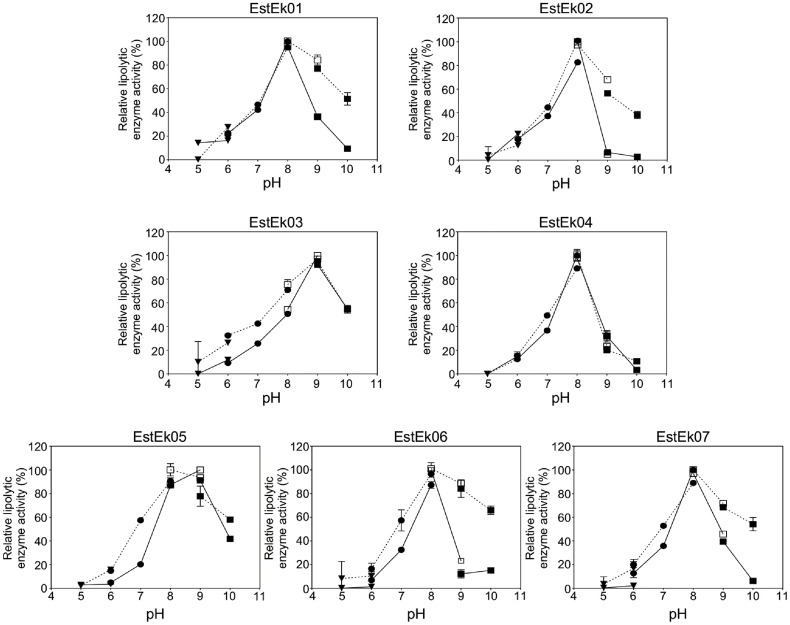 Figure 6
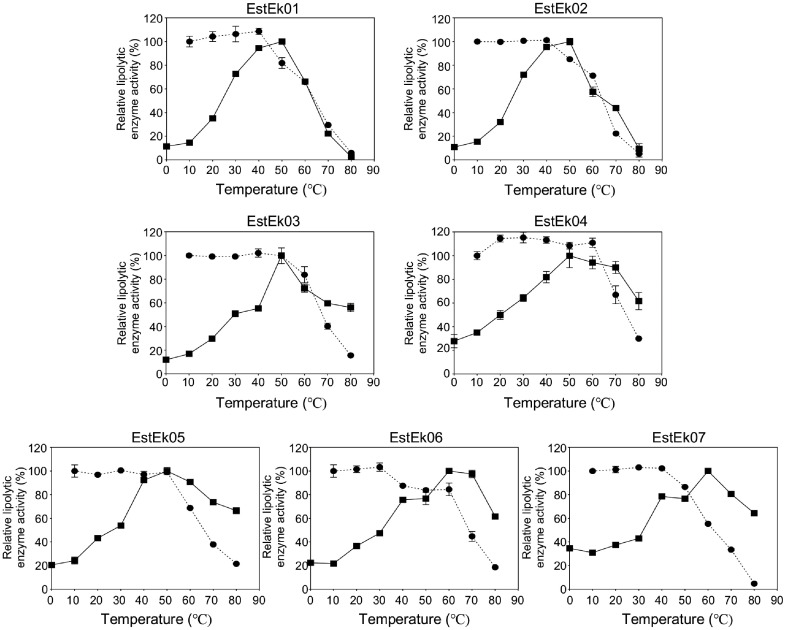 Figure 7
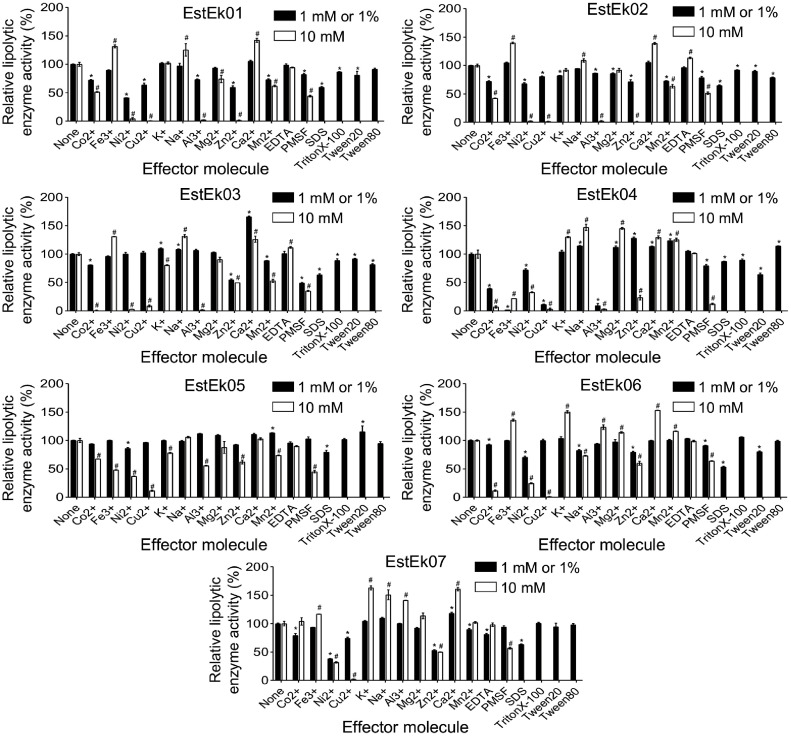 Figure 8
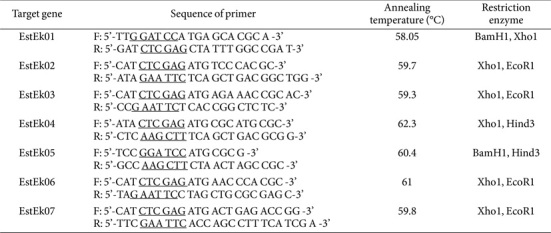 Figure 9
Peer Reviews
No public reviews on file for this paper yet. If you reviewed it on a platform where reviews are public (OpenReview, ICLR, NeurIPS, ICML), you can paste yours below so the community can read it here.
Videos
No videos yet. Explain this paper in a talk, walkthrough, or lecture? Add one.
Taxonomy
TopicsEnzyme Catalysis and Immobilization · Enzyme Production and Characterization · Microbial Metabolic Engineering and Bioproduction