The Modified Trochleoplasty for Trochlear Dysplasia Types B and D
Sergio Marinho de Gusmão Canuto, Arthur Macedo de Gusmão Canuto, Camilo Partezani Helito, Pedro Baches Jorge, Vitor Barion Castro de Padua, Diego Ariel de Lima

TL;DR
This paper introduces a new surgical technique for treating severe kneecap instability caused by specific types of trochlear dysplasia.
Contribution
The paper presents a novel modified trochleoplasty technique that simplifies surgery while preserving cartilage and improving patellar stability.
Findings
The modified technique reshapes the trochlear groove without additional osteotomies.
It uses headless compression screws to enhance stability and reduce cartilage damage.
The method is effective for high-grade trochlear dysplasia types B and D.
Abstract
Trochlear dysplasia is a major risk factor for recurrent patellar instability, often requiring surgical intervention in high-grade cases. The present modified trochleoplasty technique, known as the “Brazilian trochleoplasty,” is a reproducible technique developed by the Brazilian Storm Knee Research Group, which reshapes the trochlear groove while preserving cartilage integrity. Our technique is indicated for patients with recurrent patellar dislocation; abnormal patellar tracking, such as the J-sign; and high-grade trochlear dysplasia classified as Dejour types B and D, with trochlear prominence greater than 5 mm. This approach creates a single central sulcus without additional osteotomies, simplifying the procedure while ensuring anatomic precision. Fixation is achieved using headless compression screws, enhancing stability while minimizing cartilage damage. Compared with traditional…
Genes, proteins, chemicals, diseases, species, mutations and cell lines named across the full text — each resolved to its canonical identifier and authoritative record.
Click any figure to enlarge with its caption.
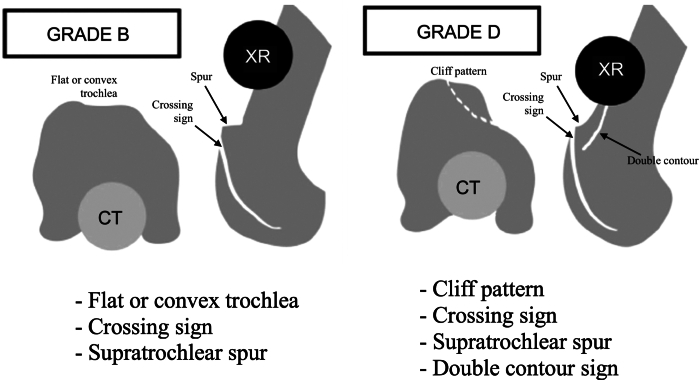 Figure 1
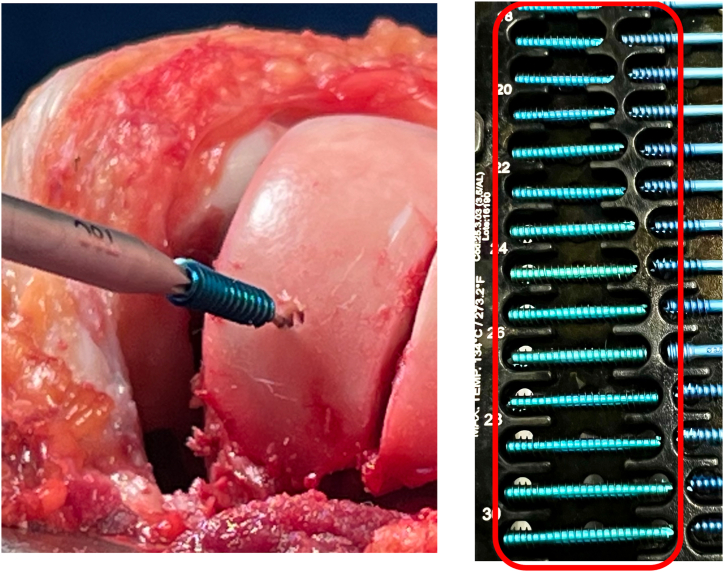 Figure 2
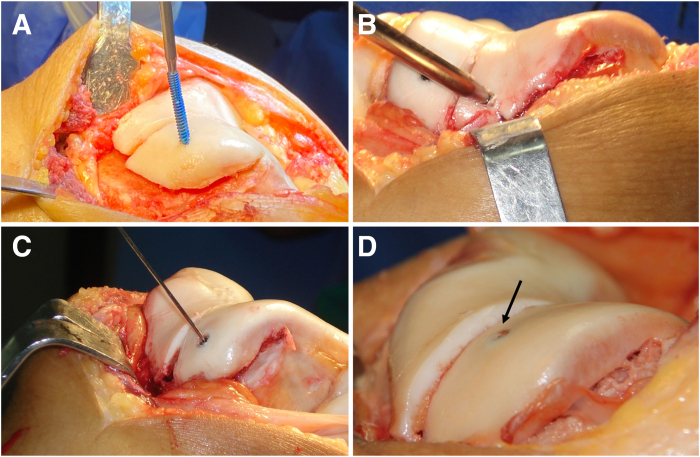 Figure 3
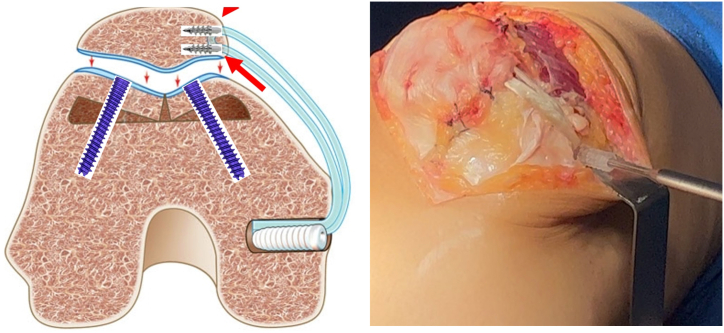 Figure 4
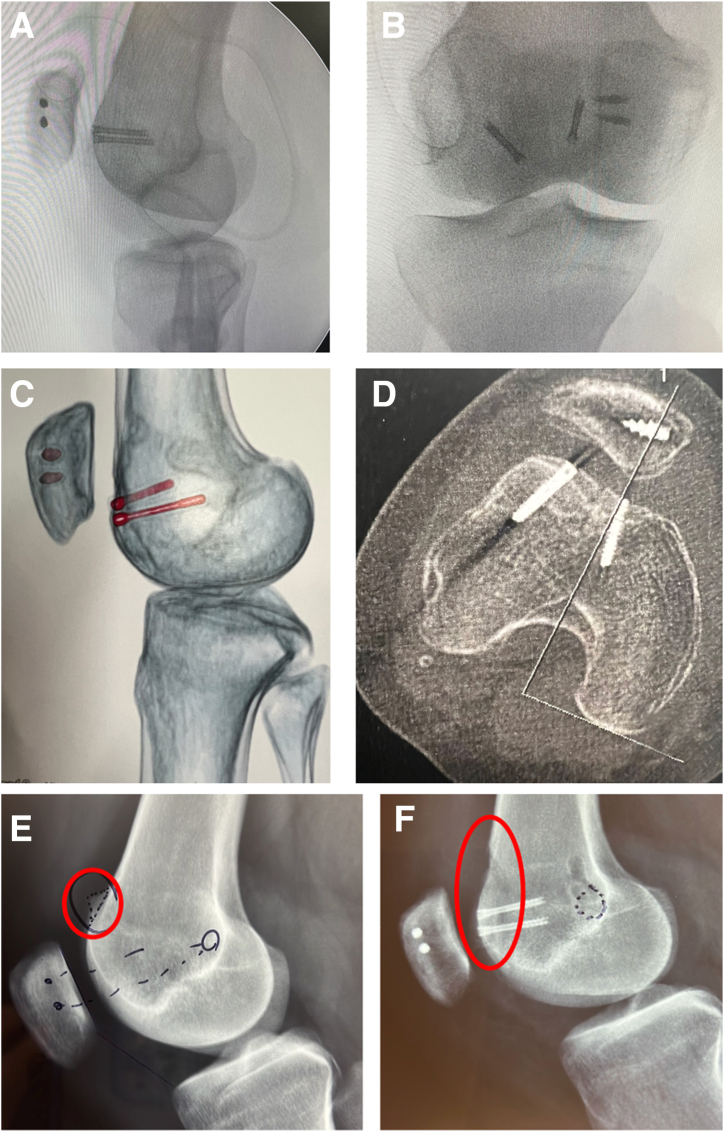 Figure 5
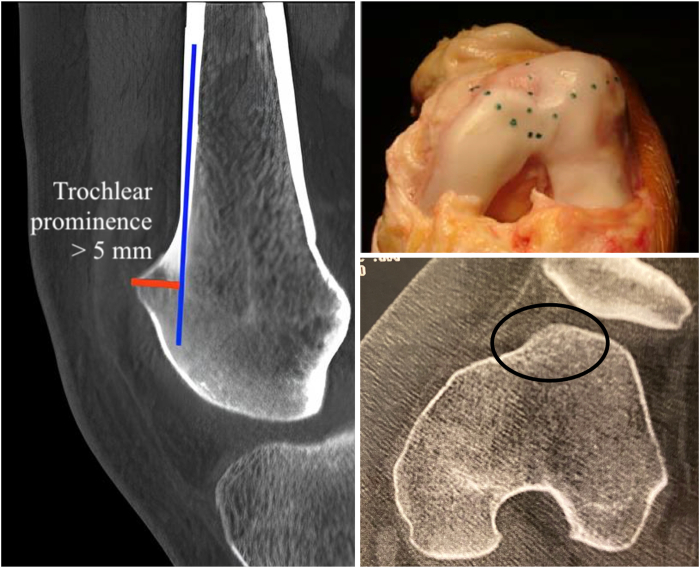 Figure 6
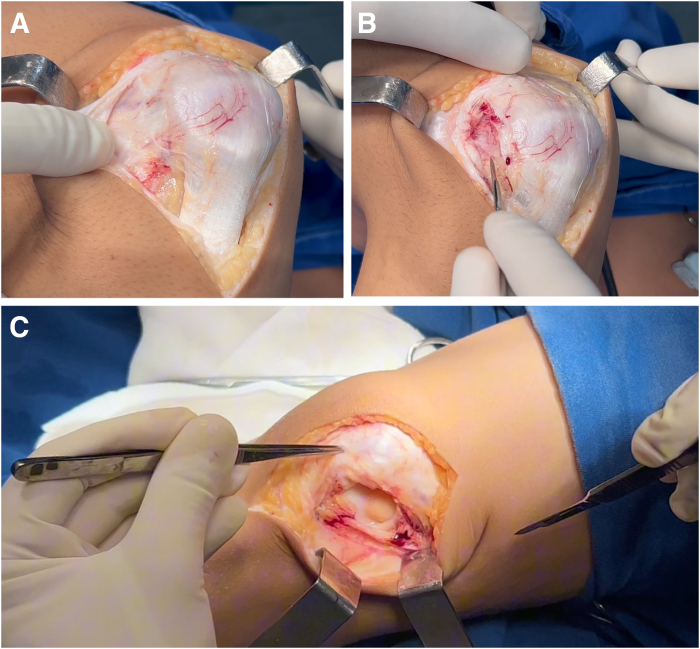 Figure 7
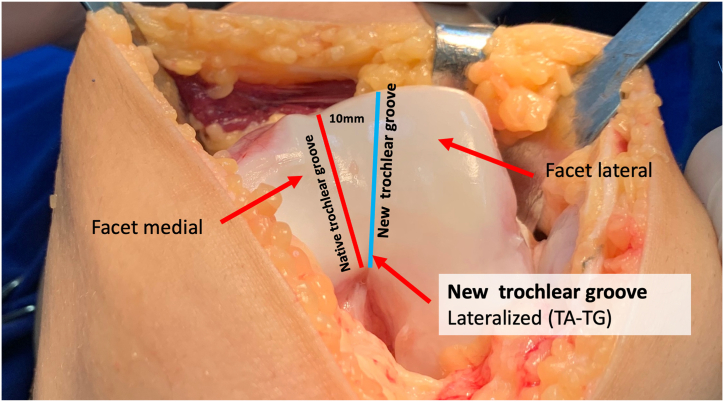 Figure 8
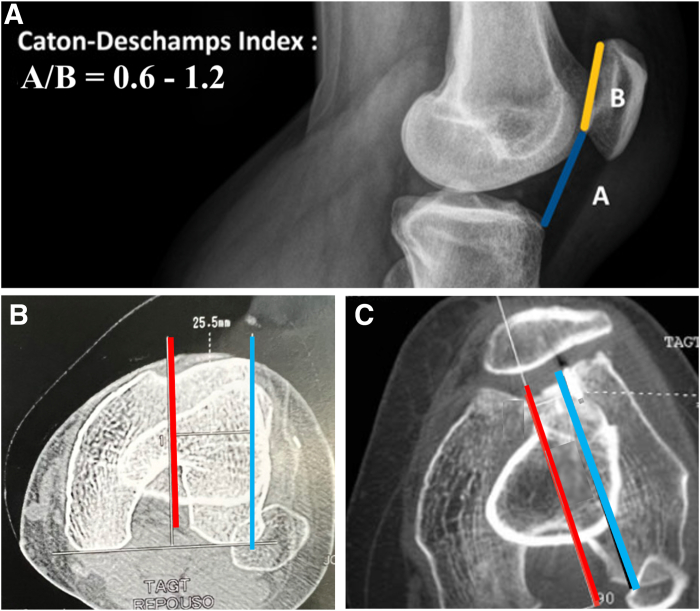 Figure 9
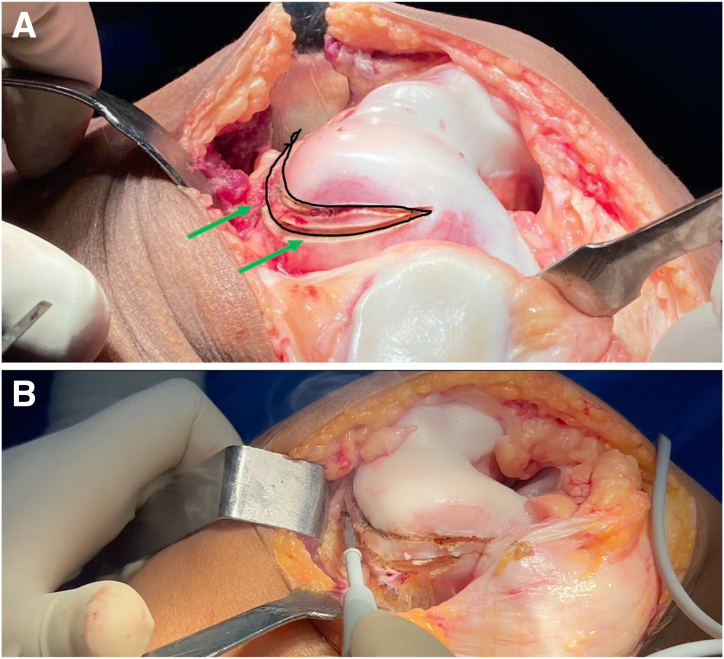 Figure 10
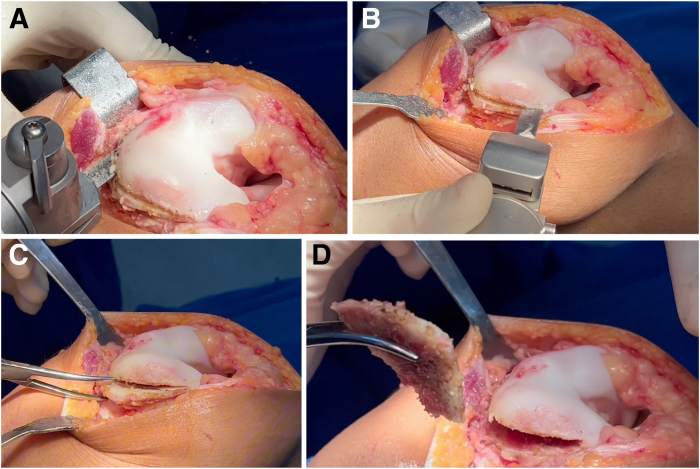 Figure 11
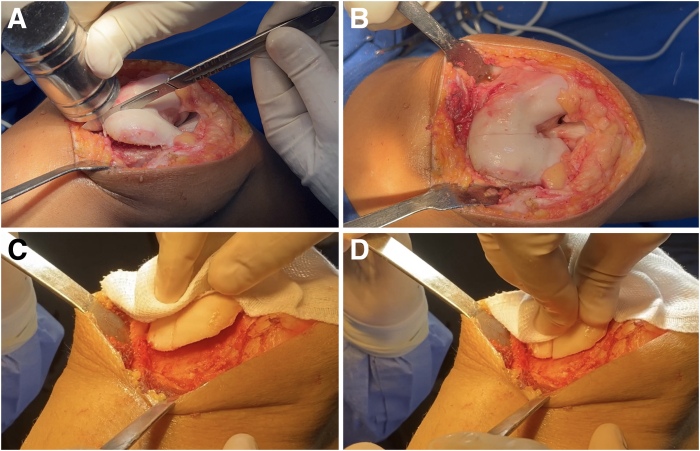 Figure 12
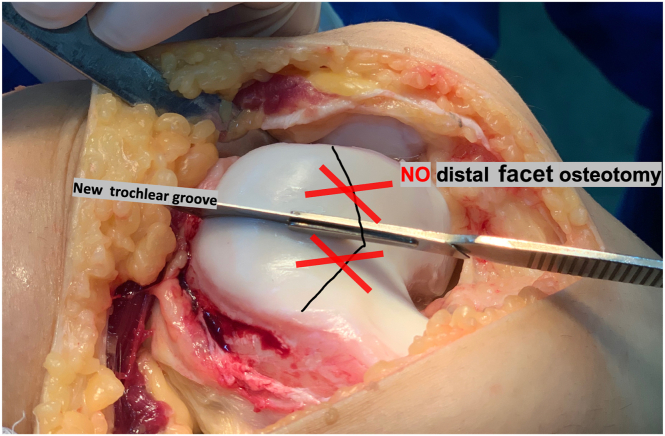 Figure 13
Peer Reviews
No public reviews on file for this paper yet. If you reviewed it on a platform where reviews are public (OpenReview, ICLR, NeurIPS, ICML), you can paste yours below so the community can read it here.
Videos
No videos yet. Explain this paper in a talk, walkthrough, or lecture? Add one.
Taxonomy
TopicsStructural Health Monitoring Techniques · Acoustic Wave Phenomena Research · Hearing Loss and Rehabilitation