TRDMT1 methyltransferase gene knockout attenuates STING-based cell death signaling during self-extracellular RNA-mediated response in drug-induced senescent osteosarcoma cells
Gabriela Betlej, Anna Deręgowska, Maciej Wnuk, Dominika Błoniarz, Tomasz Szmatoła, Katarzyna Klimczak, Jagoda Adamczyk-Grochala, Julia Świętoń, Anna Lewińska

TL;DR
This study shows that knocking out the TRDMT1 gene reduces immune responses and cell death in drug-resistant osteosarcoma cells triggered by self-RNA.
Contribution
The study reveals a novel role of TRDMT1 in modulating STING-based immune signaling in senescent osteosarcoma cells.
Findings
TRDMT1 gene knockout prevents STING activation and proinflammatory responses in senescent osteosarcoma cells.
TRDMT1 KO leads to replication stress and increased APOBEC3A/G levels when exposed to self-RNA.
RNA D and RNA S induce immune responses and cell death in proliferating osteosarcoma cells.
Abstract
Under stress conditions, endogenous biomolecules such as nucleic acids or proteins can be released from damaged cells and considered as damage-associated molecular patterns (DAMPs) activating innate immune system and context-dependent responses. In the present study, self-extracellular RNA was obtained from dying (RNA D) and senescent (RNA S) cellular models of osteosarcoma (OS), characterized by NGS, and tested against proliferating and non-proliferating (etoposide-indued senescent) OS cells (U-2 OS, SaOS-2, MG-63, 143B). RNA D and RNA S induced apoptosis, nitro-oxidative stress, nucleic acid sensing pathways and cytokine production, and RNA m5C methyltransferase-based responses (TRDMT1 and NSUN2) in proliferating OS cells. In drug-induced senescent OS cells, TRDMT1 gene knockout (KO) prevented STING activation, related proinflammatory response, and cell death. Furthermore, IFN-β…
Genes, proteins, chemicals, diseases, species, mutations and cell lines named across the full text — each resolved to its canonical identifier and authoritative record.
Click any figure to enlarge with its caption.
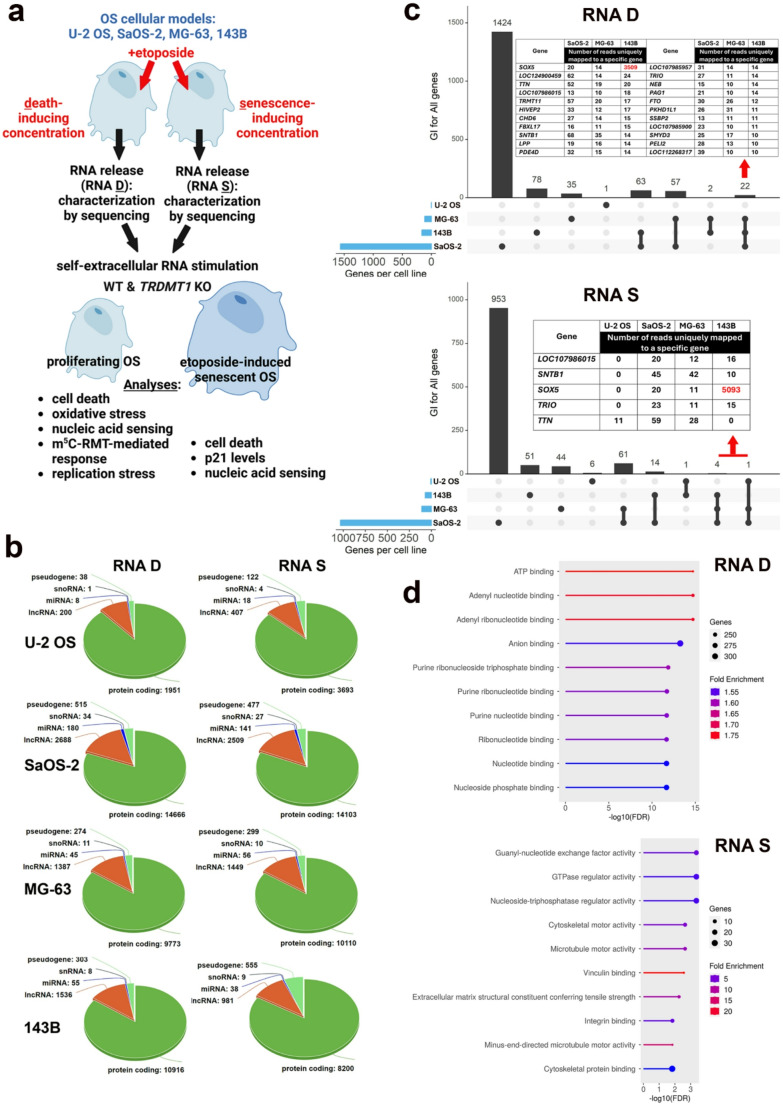 Figure 1
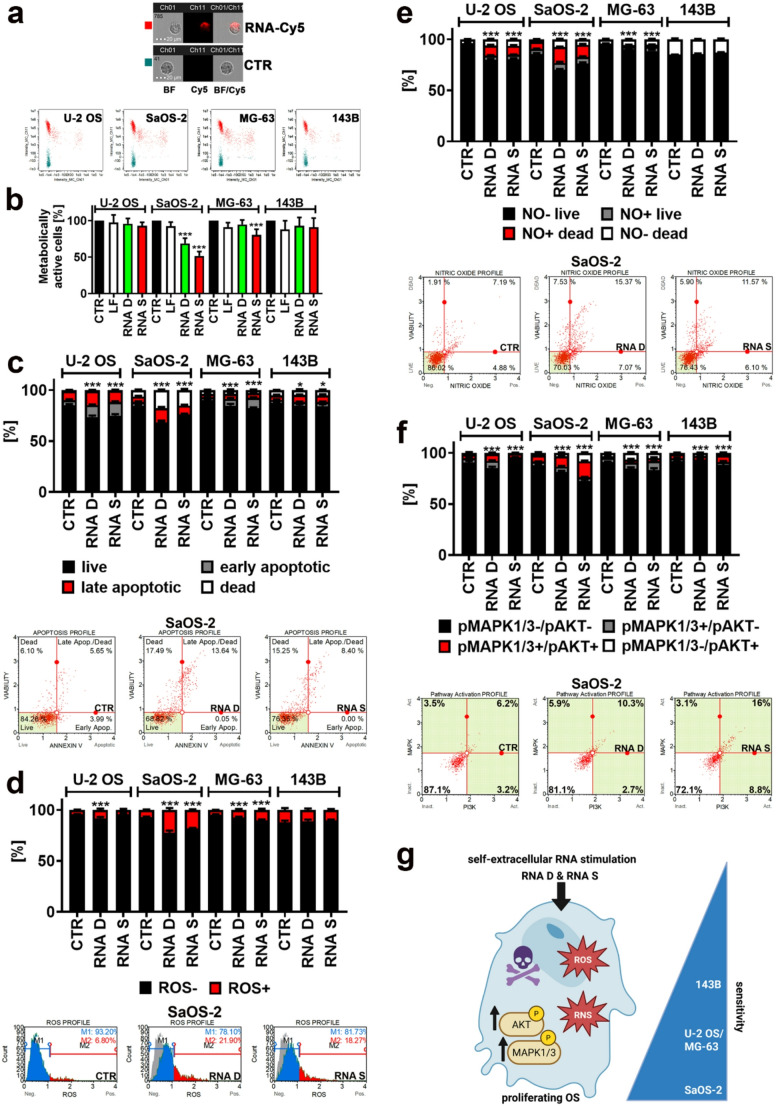 Figure 2
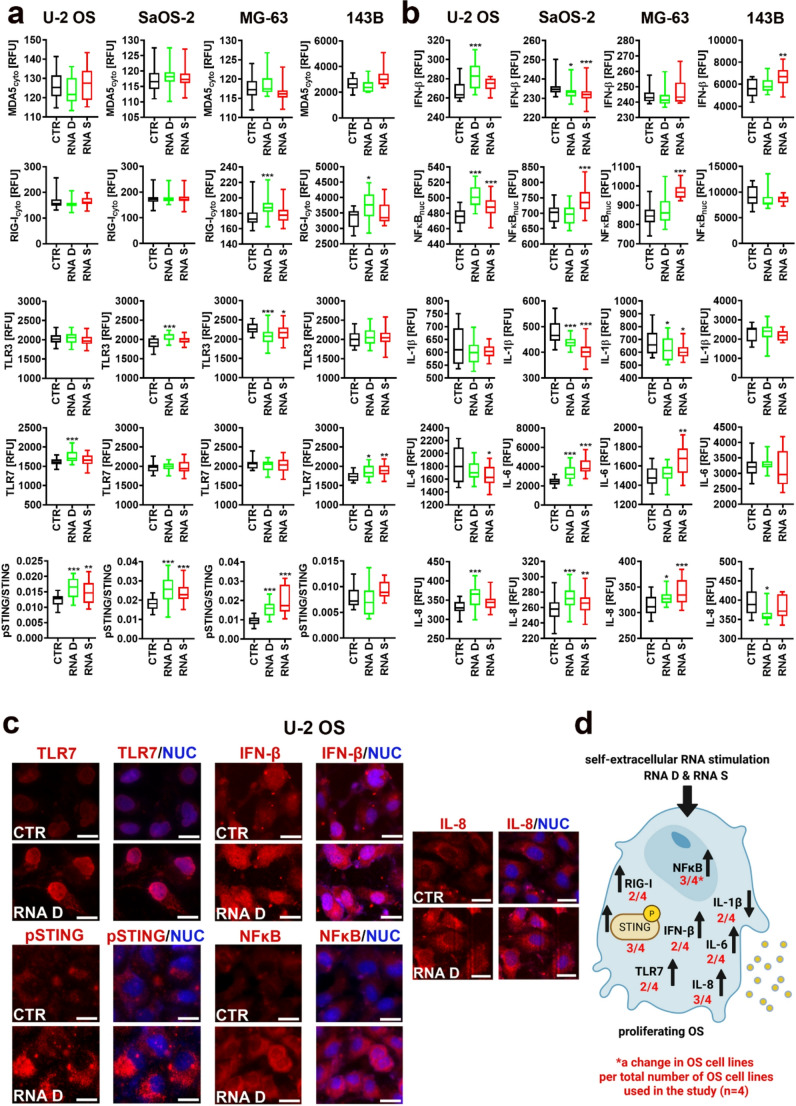 Figure 3
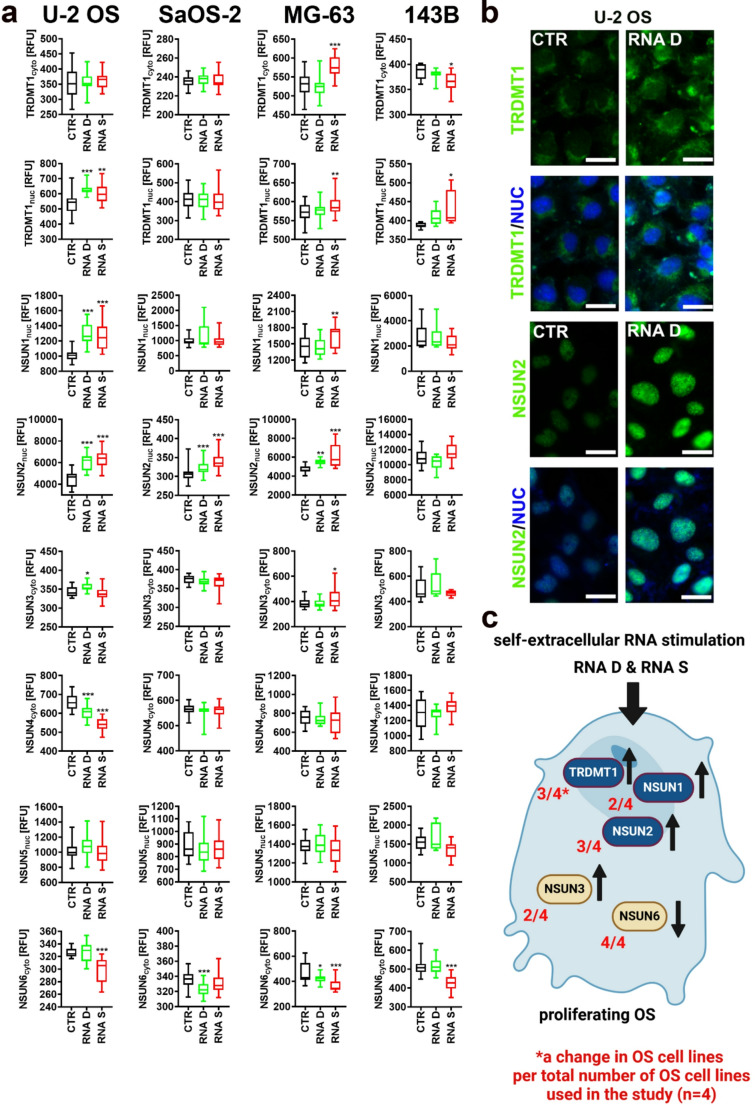 Figure 4
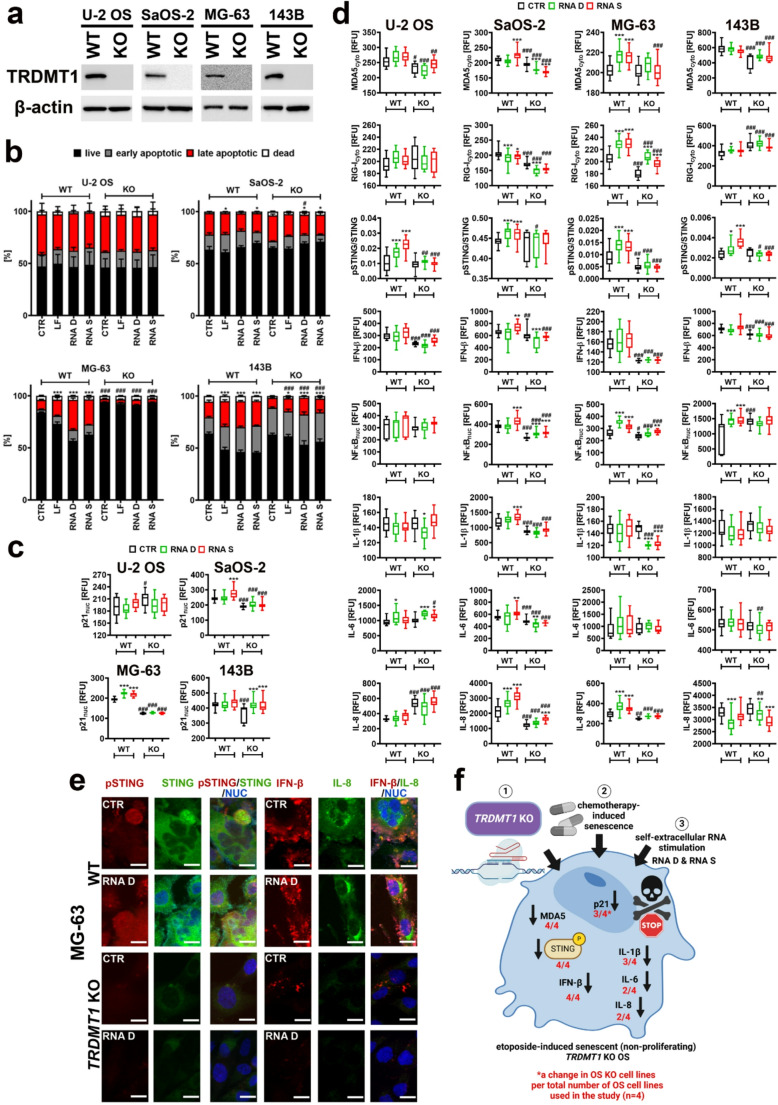 Figure 5
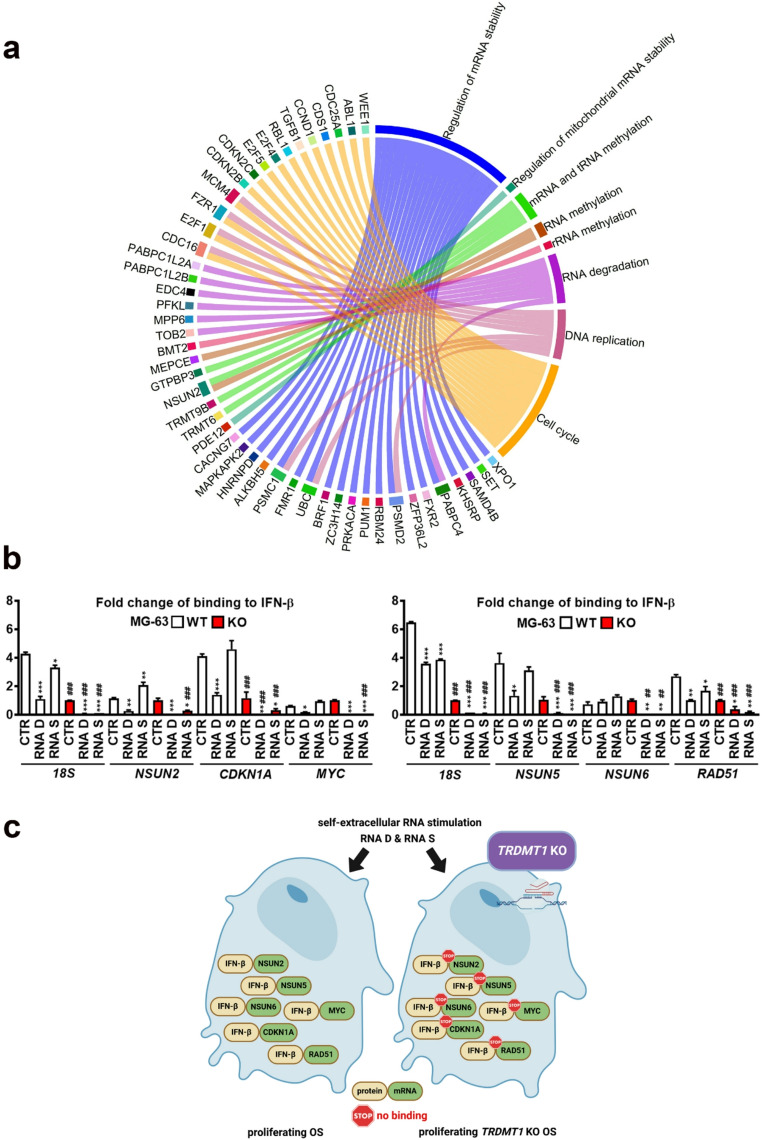 Figure 6
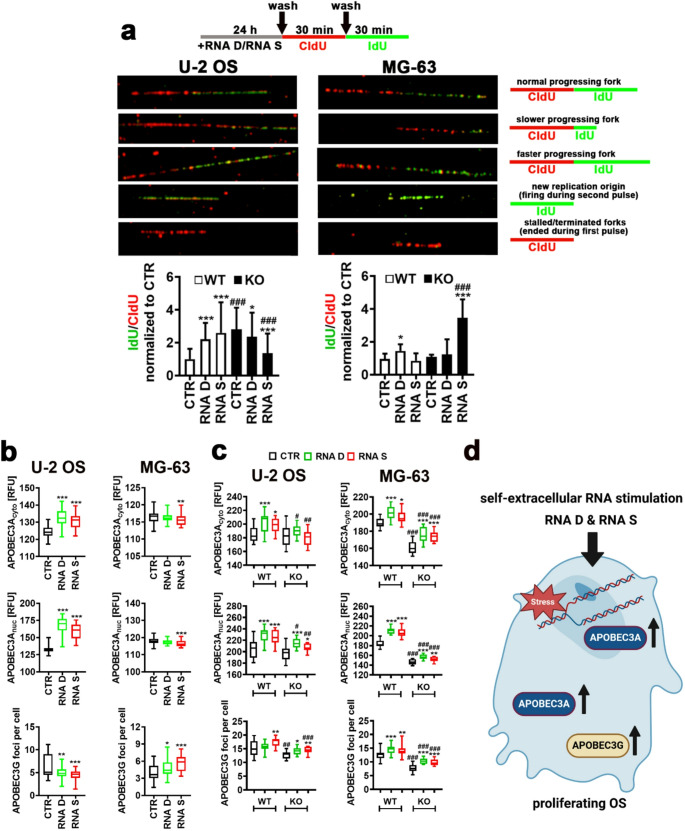 Figure 7
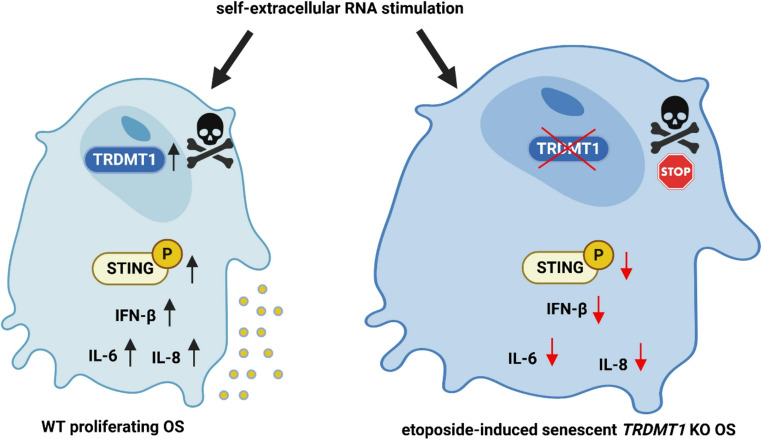 Figure 8
Peer Reviews
No public reviews on file for this paper yet. If you reviewed it on a platform where reviews are public (OpenReview, ICLR, NeurIPS, ICML), you can paste yours below so the community can read it here.
Videos
No videos yet. Explain this paper in a talk, walkthrough, or lecture? Add one.
Taxonomy
Topicsinterferon and immune responses · Immune cells in cancer · Mosquito-borne diseases and control