Experimental and predictive analysis of deep eutectic solvent gel membranes for efficient CO2 separation
Remya Ranjith, Bharti Saini, Swapnil Dharaskar, Tushar Patil, Grishma Pindolia, Satyam Shinde, Rama Rao Karri

TL;DR
This paper explores using deep eutectic solvent gel membranes as a cost-effective and safe alternative to ionic liquids for separating CO2 from gas mixtures.
Contribution
The study introduces a novel DES-gel membrane fabrication method and evaluates its CO2 separation performance using experimental and predictive methods.
Findings
DES-gel membranes achieved high CO2 permeability of 138.98 Barrer for pure gas and 93.17 Barrer for mixed gas.
DES-gel membranes outperformed other DES-supported liquid membranes in CO2 separation efficiency.
DFT calculations confirmed strong interactions between DES and CO2 molecules.
Abstract
The capture of Carbon Dioxide (CO2) is very relevant nowadays as global warming hits its peak. The separation of CO2 using membranes has received wide recognition by researchers because of its energy efficiency. Various Ionic Liquid supported membranes have been proven effective in this regard; however, their higher cost and toxicity are limitations, which opens possibilities for Deep Eutectic Solvents (DES). This work explains how DES gel membrane fabrication separates CO2 from CO2/CH4 mixtures. DES, composed of choline chloride and glycerol, is mixed with Pebax1657 polymer, and Polyvinylidene fluoride sheets are used as supports for casting. Fourier transform infrared spectroscopy has been used to confirm the synthesis of DES. X-ray Diffraction and Scanning Electron Microscopy analysis were used to analyse the membrane structure and cross-section. The physicochemical properties of DES…
Genes, proteins, chemicals, diseases, species, mutations and cell lines named across the full text — each resolved to its canonical identifier and authoritative record.
Click any figure to enlarge with its caption.
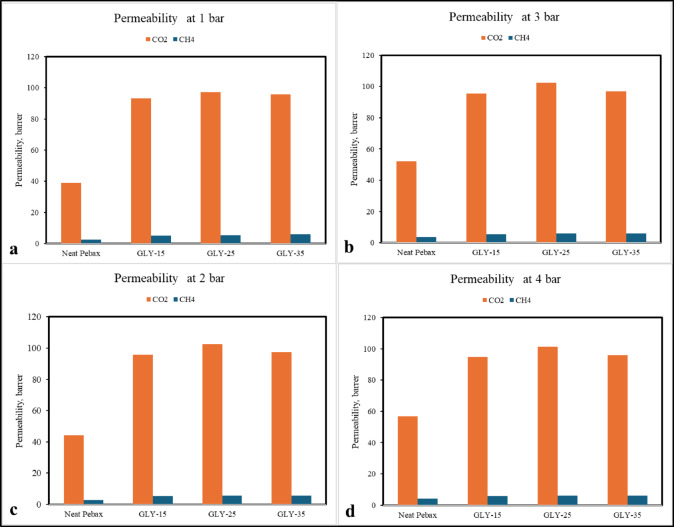 Figure 10
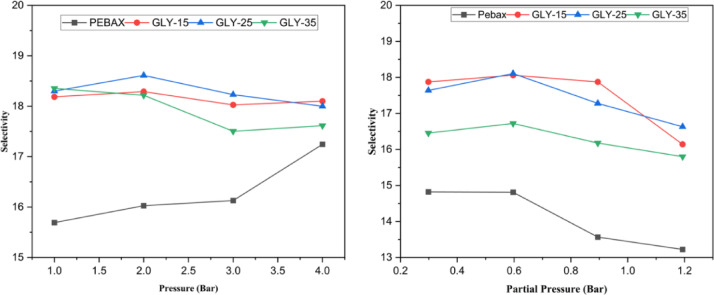 Figure 11
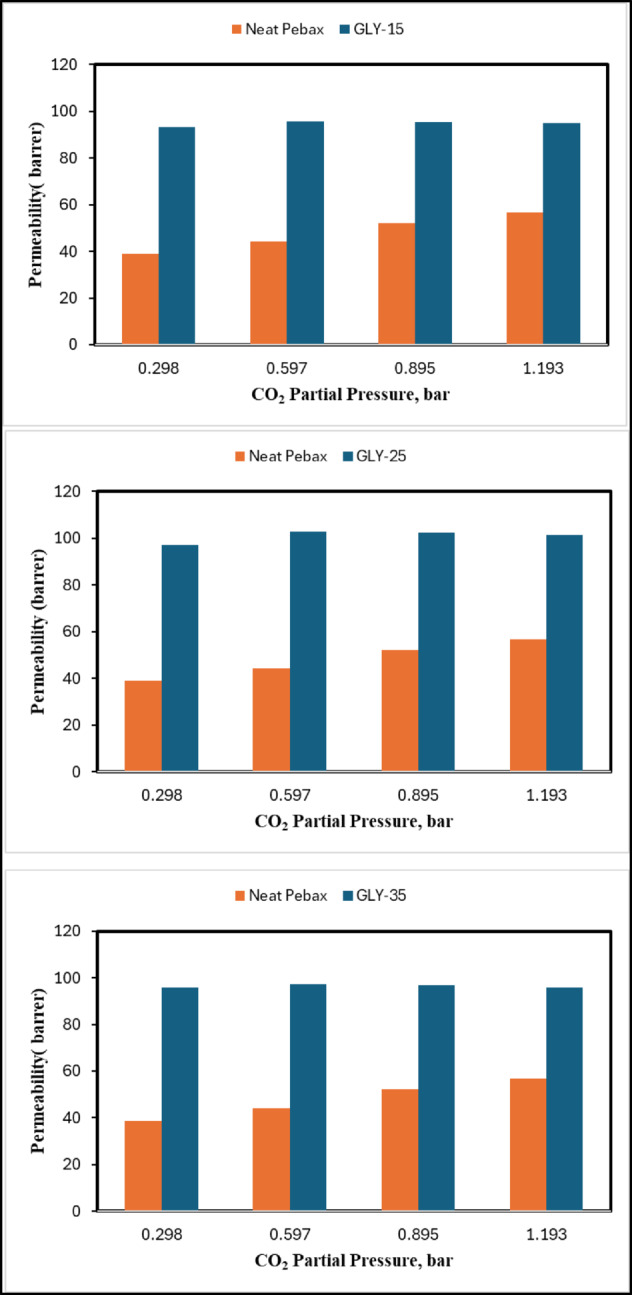 Figure 12
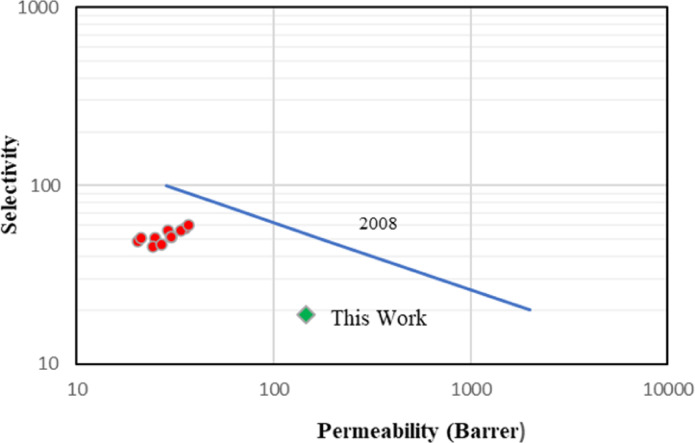 Figure 13
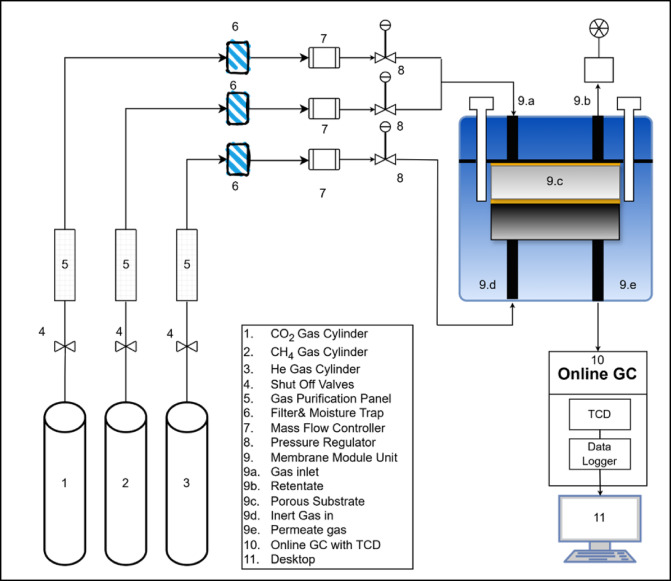 Figure 1
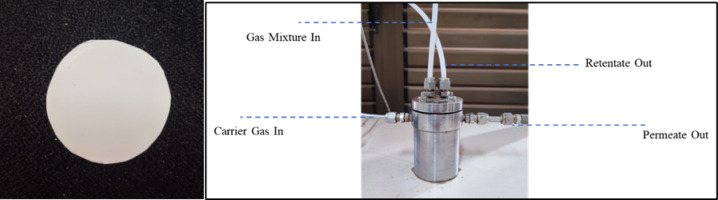 Figure 2
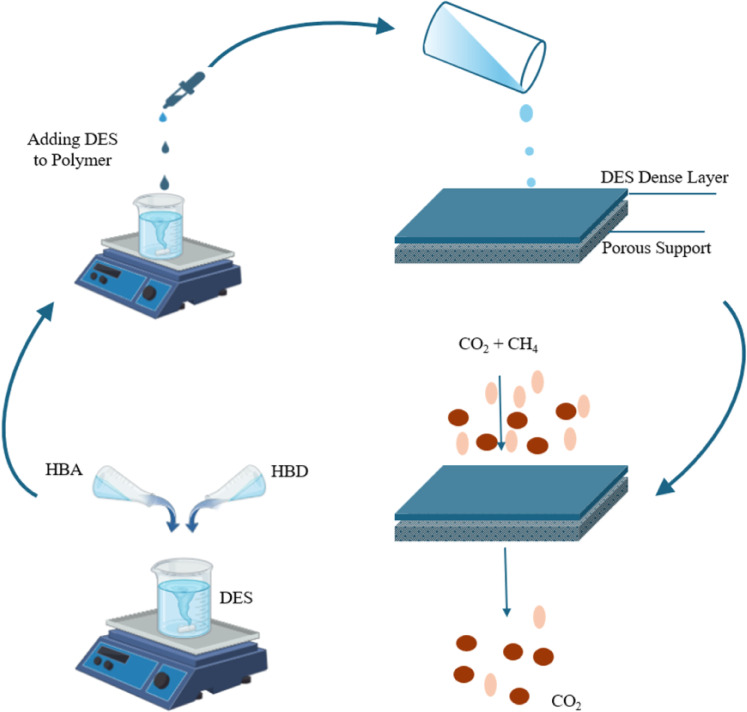 Figure 3
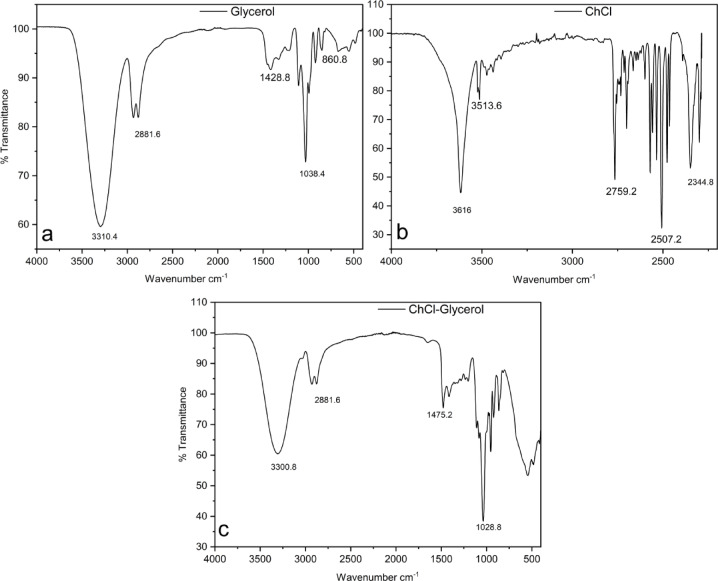 Figure 4
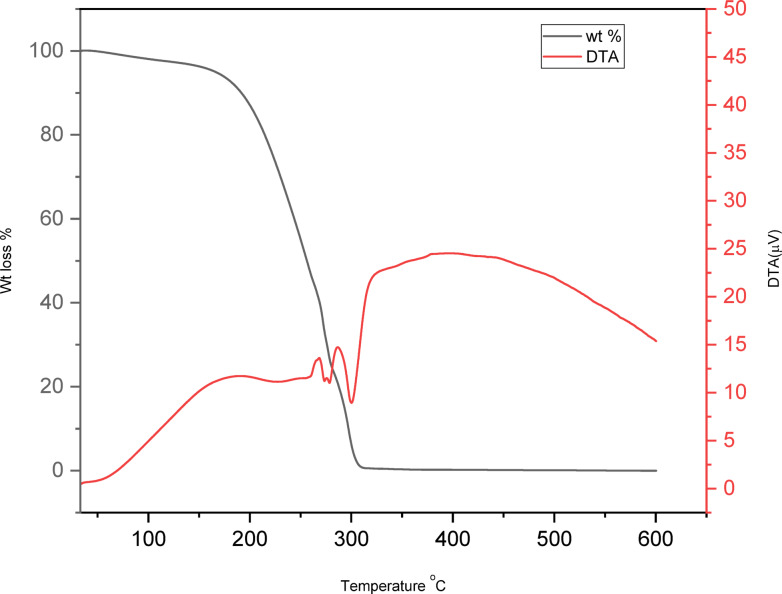 Figure 5
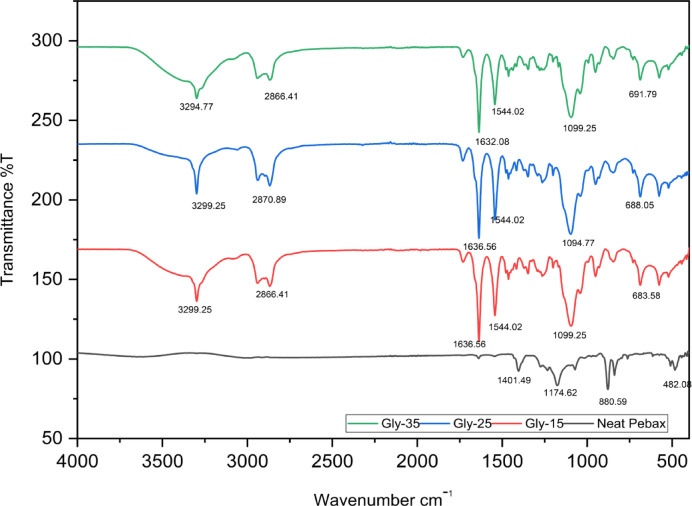 Figure 6
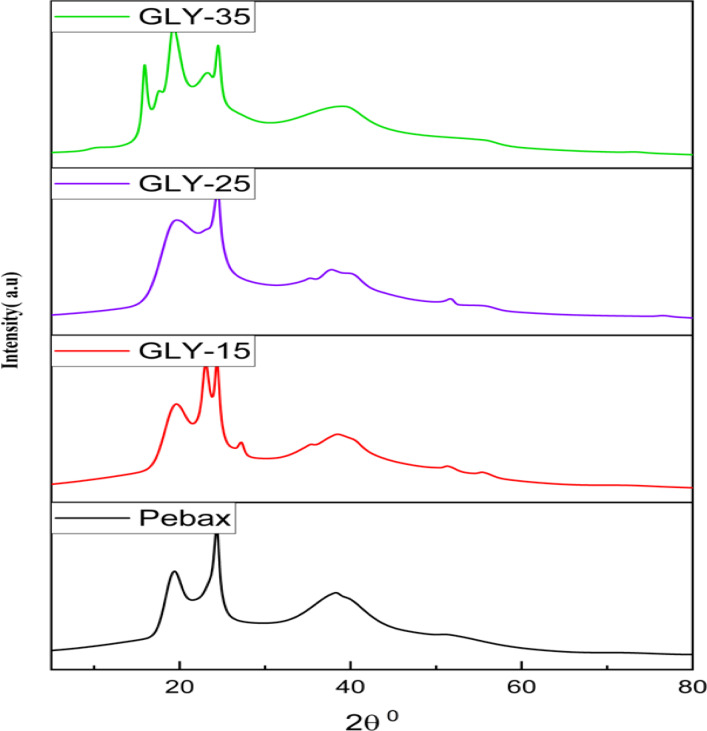 Figure 7
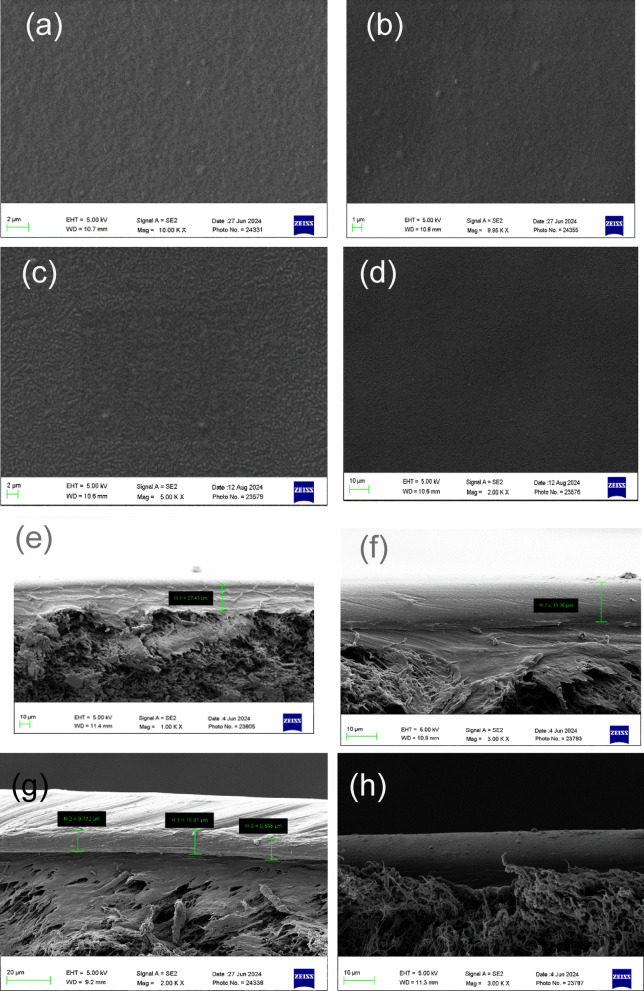 Figure 8
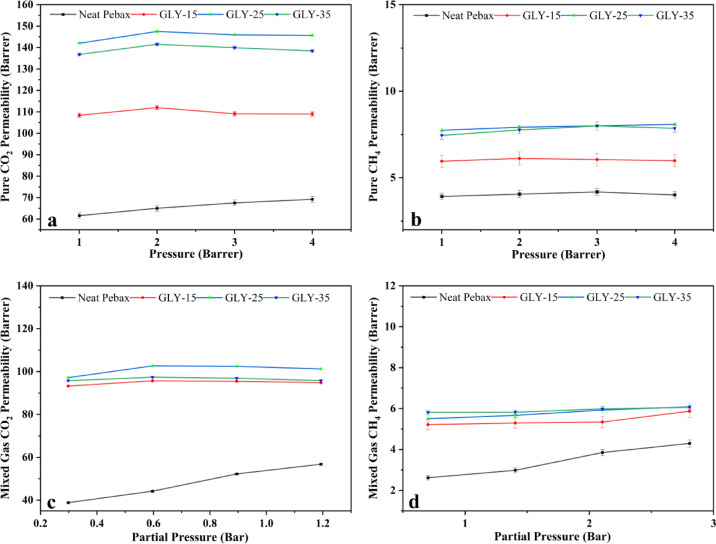 Figure 9
Peer Reviews
No public reviews on file for this paper yet. If you reviewed it on a platform where reviews are public (OpenReview, ICLR, NeurIPS, ICML), you can paste yours below so the community can read it here.
Videos
No videos yet. Explain this paper in a talk, walkthrough, or lecture? Add one.
Taxonomy
TopicsIonic liquids properties and applications · Membrane Separation and Gas Transport · Carbon Dioxide Capture Technologies