Suppressive effects of Momordica charantia MAP30 on the senescence, proliferation and migration of bladder cancer cells mediated by CENPA
Kun Lu, Liu Chao, Jin Wang, Xiangyu Wang, Longjun Cai, Jianjun Zhang, Shaoqi Zhang

TL;DR
This study shows that a compound from bitter melon, called MAP30, can slow bladder cancer growth and migration by affecting a key protein called CENPA.
Contribution
The study identifies CENPA as a novel target of MAP30 in bladder cancer and demonstrates its role in mediating MAP30's anticancer effects.
Findings
MAP30 suppresses bladder cancer cell proliferation and induces apoptosis in a dose-dependent manner.
CENPA is identified as a central molecule inhibited by MAP30, with its knockdown reducing cancer cell growth and motility.
MAP30 treatment in mice significantly reduces tumor growth and alters gene expression related to cell cycle and senescence.
Abstract
Bladder cancer (BC) is notably prevalent, particularly among men. Emerging evidence highlights that traditional Chinese medicine (TCM) has distinct anticancer properties. This study focuses on recombinant MAP30, a key active constituent of Momordica charantia extract, recognized for its antiviral, immunomodulatory, and antitumor effects. We discovered that MAP30 suppresses BC cell proliferation and induces apoptosis in a dose-responsive manner. It also hinders cell migration, as evidenced by Transwell and wound healing assays. In nude mice, MAP30 injections adjacent to tumors significantly curtail tumor growth. Molecular analyses after MAP30 exposure show elevated SA-β-Gal activity and increased expression of cell cycle inhibitors p21 and p16 in BC cells. Integrating TCGA BC data, MAP30 appears to correct dysregulated gene expression associated with the cell cycle, senescence,…
Genes, proteins, chemicals, diseases, species, mutations and cell lines named across the full text — each resolved to its canonical identifier and authoritative record.
Click any figure to enlarge with its caption.
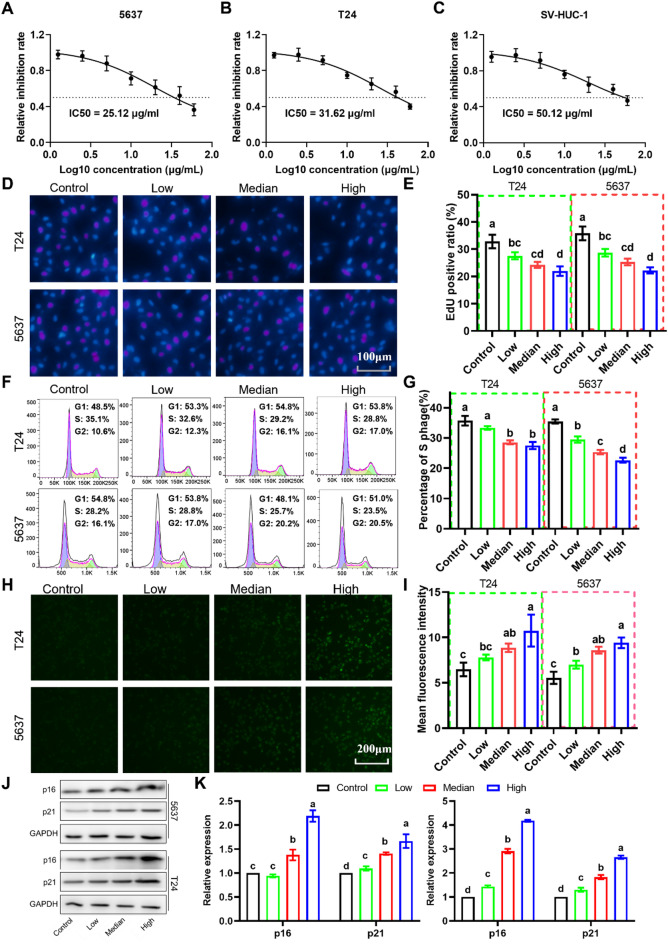 Figure 1
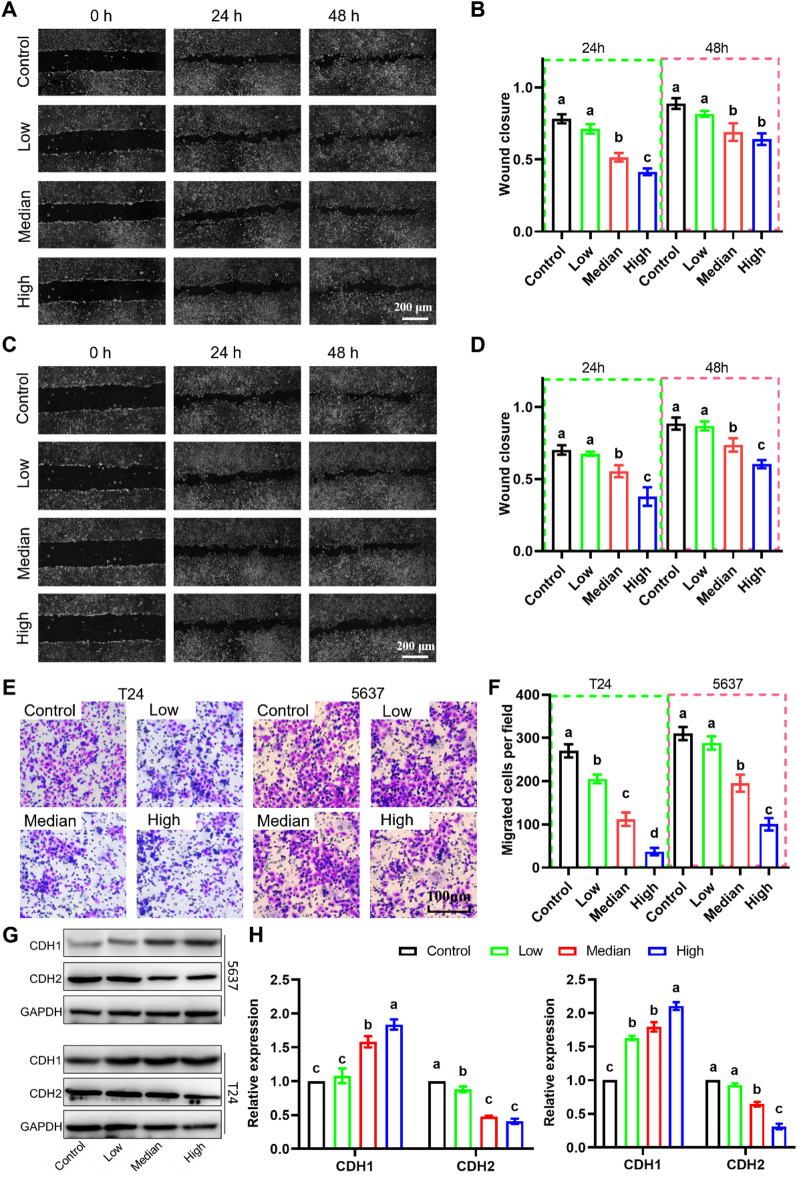 Figure 2
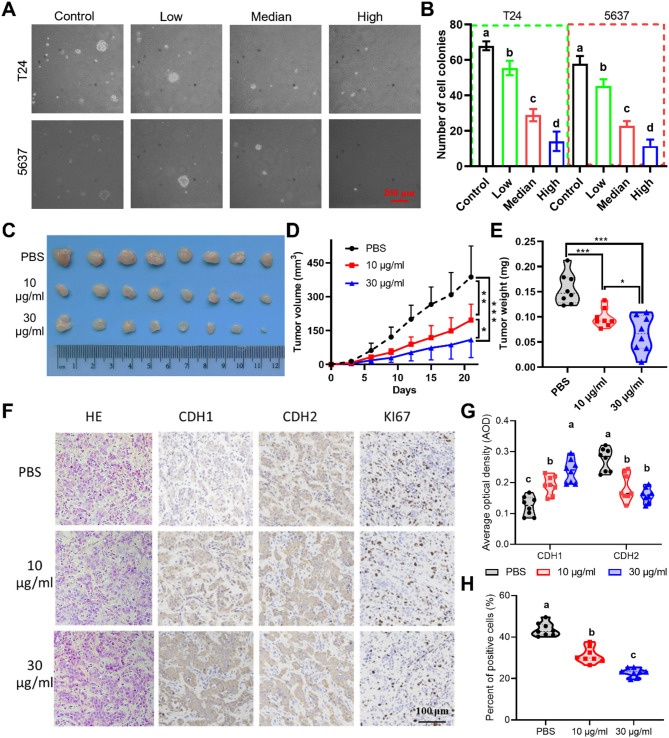 Figure 3
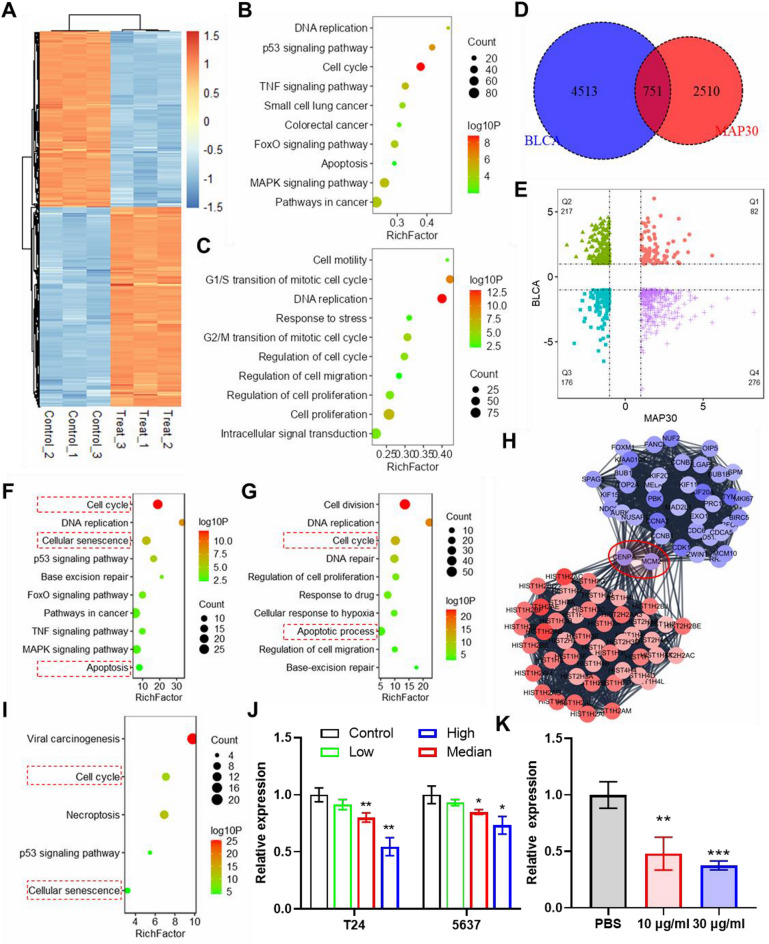 Figure 4
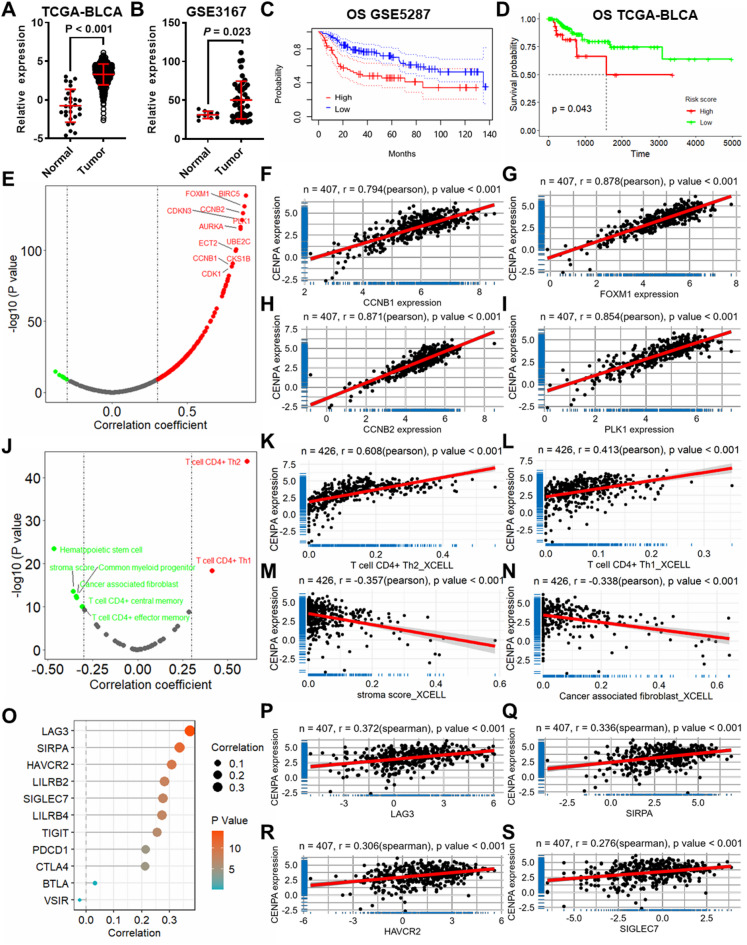 Figure 5
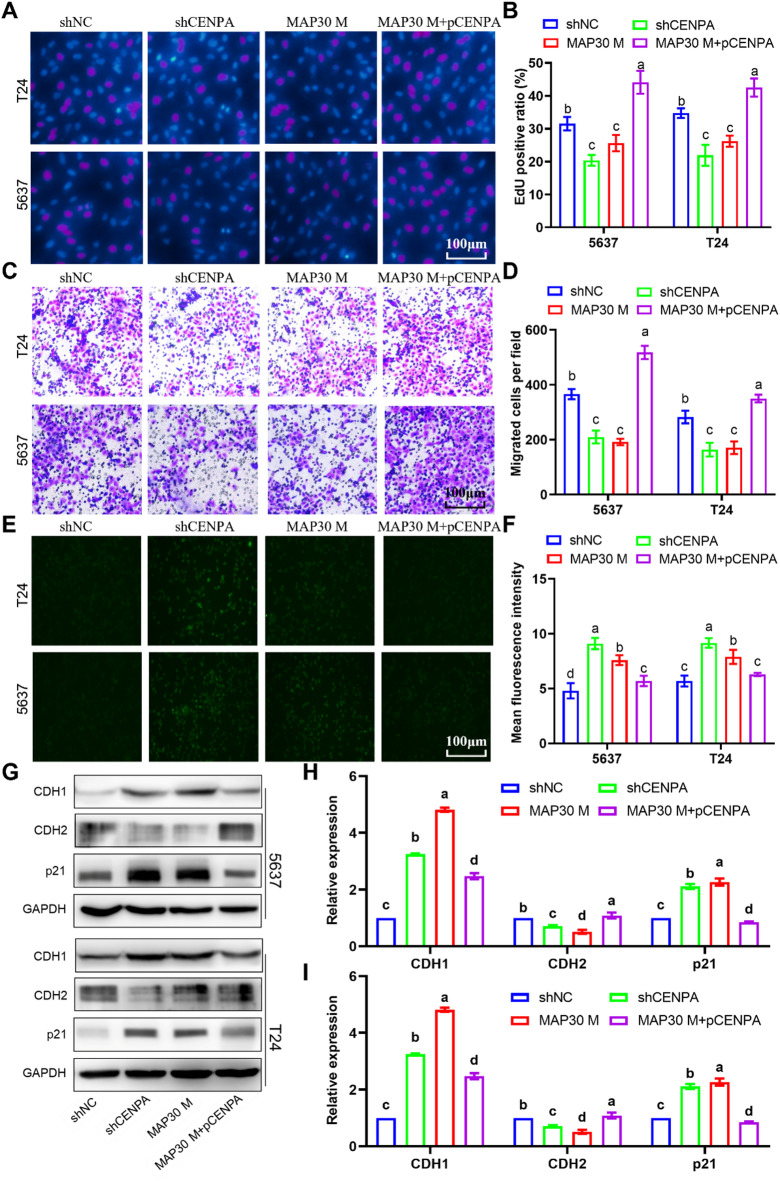 Figure 6
Peer Reviews
No public reviews on file for this paper yet. If you reviewed it on a platform where reviews are public (OpenReview, ICLR, NeurIPS, ICML), you can paste yours below so the community can read it here.
Videos
No videos yet. Explain this paper in a talk, walkthrough, or lecture? Add one.
Taxonomy
TopicsNF-κB Signaling Pathways · Ubiquitin and proteasome pathways · Immunotherapy and Immune Responses