Traction-Free Arthroscopy Using an Inside-Out Technique for Treating Femoroacetabular Impingement Syndrome
Lingchao Ye, Xiangang Jin, Huixia Fan, Qingguo Zhang, Pangtao Chen, Yongzhi Ye, Dawei Han, Li Ying, Junbo Liang, Xiaobo Zhou

TL;DR
This paper introduces a new traction-free hip arthroscopy technique to safely treat femoroacetabular impingement without using traction, reducing injury and radiation risks.
Contribution
A novel inside-out traction-free arthroscopy technique is introduced to minimize traction-related injuries and radiation exposure.
Findings
The traction-free technique avoids perineal nerve damage associated with traditional traction methods.
The approach reduces fluoroscopic radiation exposure for both patients and surgeons.
The method maintains procedural efficacy while enhancing safety during hip arthroscopy.
Abstract
Hip arthroscopy is widely used for treating conditions such as femoroacetabular impingement (FAI) and labral tears. Traditionally, traction has been considered essential during hip arthroscopy to provide adequate working space for procedures in the central and peripheral compartments. However, perineal posts, commonly used with traction boots, have been associated with iatrogenic injuries, including perineal nerve damage. Although modified traction-free techniques have been introduced, they still carry risks of traction-related complications. To address these limitations, we developed a traction-free hip arthroscopy technique designed to minimize the risk of traction-related injuries while maintaining procedural efficacy. This approach reduces exposure to fluoroscopic radiation for both patients and surgeons, enhancing safety and efficiency during hip arthroscopy.
Genes, proteins, chemicals, diseases, species, mutations and cell lines named across the full text — each resolved to its canonical identifier and authoritative record.
Click any figure to enlarge with its caption.
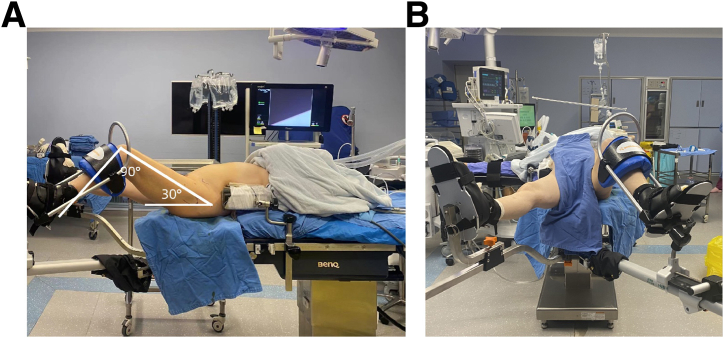 Figure 1
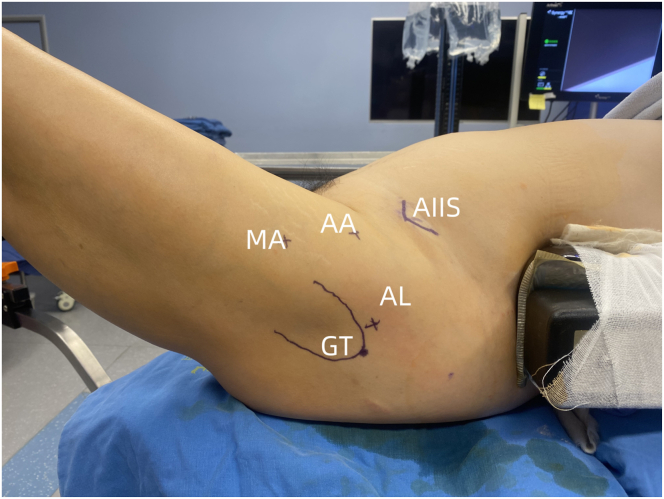 Figure 2
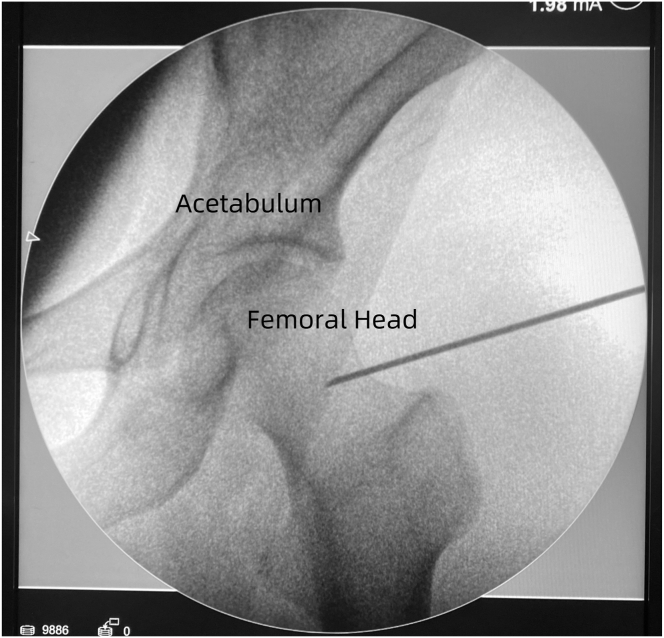 Figure 3
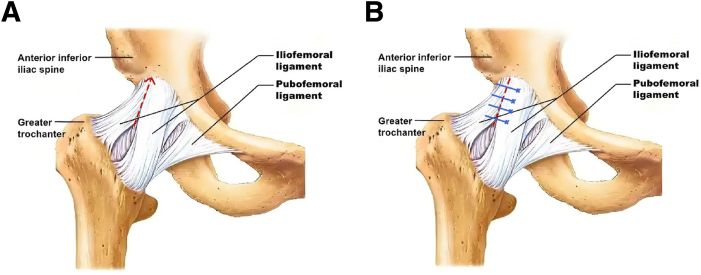 Figure 4
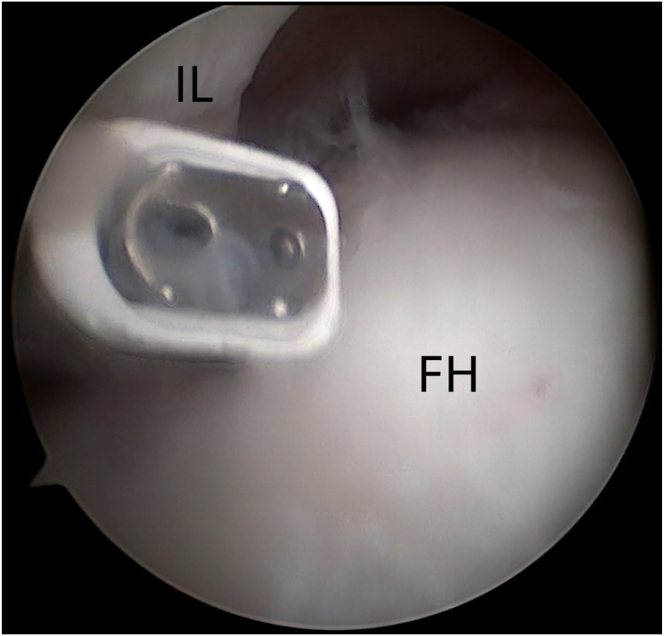 Figure 5
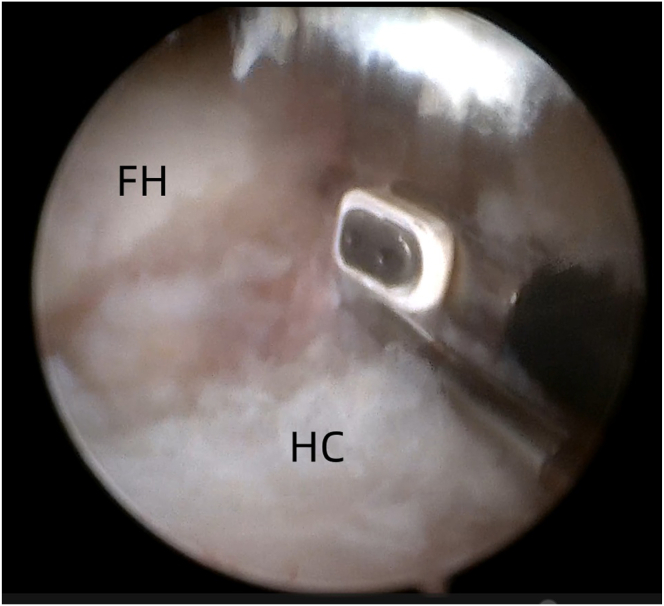 Figure 6
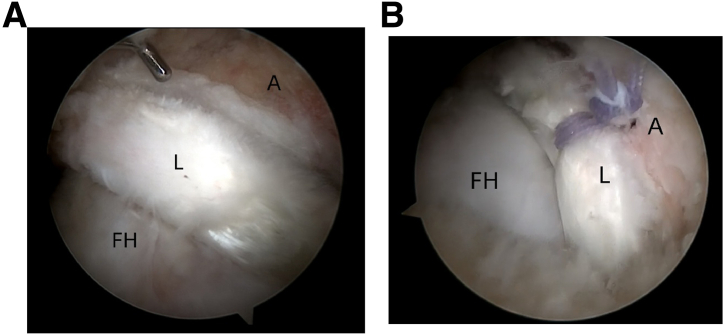 Figure 7
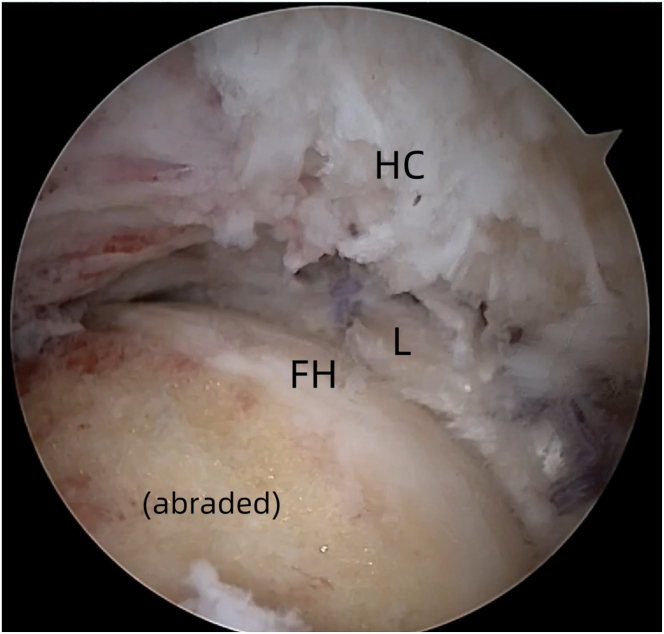 Figure 8
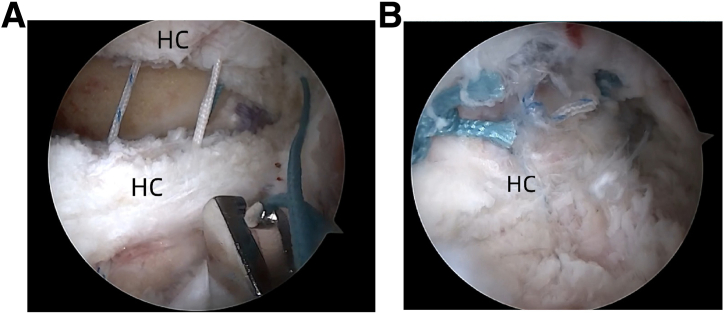 Figure 9
Peer Reviews
No public reviews on file for this paper yet. If you reviewed it on a platform where reviews are public (OpenReview, ICLR, NeurIPS, ICML), you can paste yours below so the community can read it here.
Videos
No videos yet. Explain this paper in a talk, walkthrough, or lecture? Add one.
Taxonomy
TopicsHip disorders and treatments · Shoulder Injury and Treatment · Sports injuries and prevention