Obtusifolin improves cisplatin-induced hepatonephrotoxicity via the Nrf2/HO-1 signaling pathway
Selcan Cesur, Berrin Yalinbas-Kaya, Ali Tureyen, Fahriye Zemheri-Navruz, Hasan Huseyin Demirel, Sinan Ince

TL;DR
Obtusifolin reduces liver and kidney damage caused by cisplatin chemotherapy by reducing oxidative stress and inflammation.
Contribution
This study demonstrates that obtusifolin mitigates cisplatin-induced hepatonephrotoxicity via the Nrf2/HO-1 signaling pathway.
Findings
Obtusifolin reduced cisplatin-induced increases in liver and kidney damage markers by 9-18%.
Obtusifolin decreased oxidative stress markers by 25-31% and increased antioxidant levels by 36-95%.
Obtusifolin modulated gene and protein expression related to oxidative stress, inflammation, and apoptosis.
Abstract
Cisplatin (CIS) is a highly effective chemotherapeutic drug, but one of its most serious side effects is hepatonephrotoxicity, which varies based on its dosage and duration of use. Previous studies have reported that obtusifolin (OBS) exhibits several pharmacological effects, including antioxidant and antidiabetic activities. In this study, we investigated the protective effects of OBS against CIS-induced hepatonephrotoxicity. OBS (0.5 and 1 mg/kg, i.p.) was administered to male mice for 10 days, while CIS (20 mg/kg, i.p.) was administered on day 7 to induce hepatonephrotoxicity. The results showed that OBS reduced the CIS-induced elevations in AST, ALT, ALP, BUN, and creatinine levels by approximately 14%, 11%, 9%, 18%, and 14%, respectively. OBS also decreased liver and kidney MDA levels by approximately 31% and 25%, while enhancing liver and kidney GSH, SOD, and CAT levels by 50–36%,…
Genes, proteins, chemicals, diseases, species, mutations and cell lines named across the full text — each resolved to its canonical identifier and authoritative record.
Click any figure to enlarge with its caption.
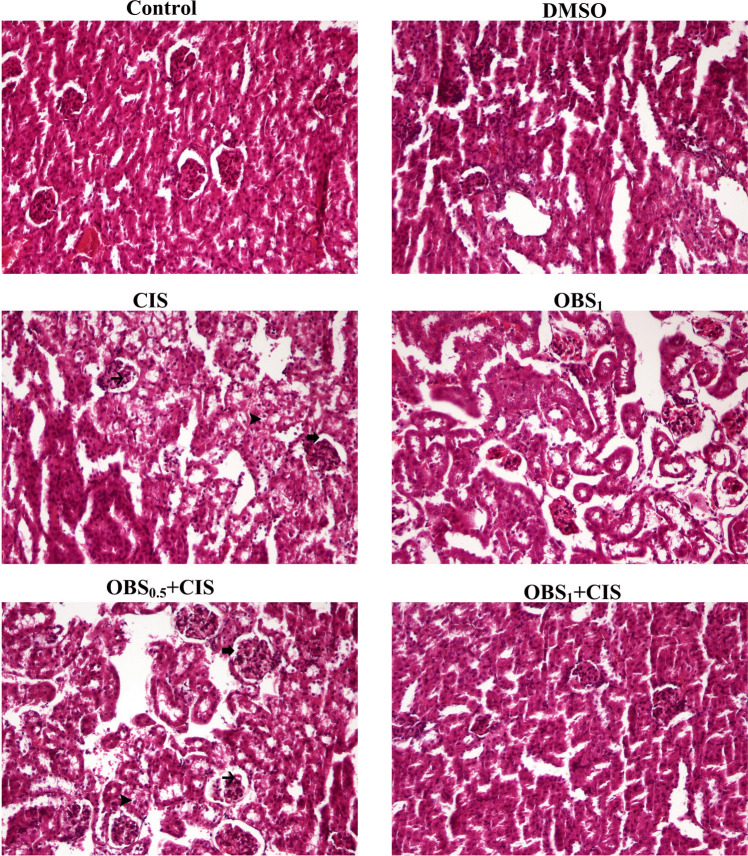 Figure 10
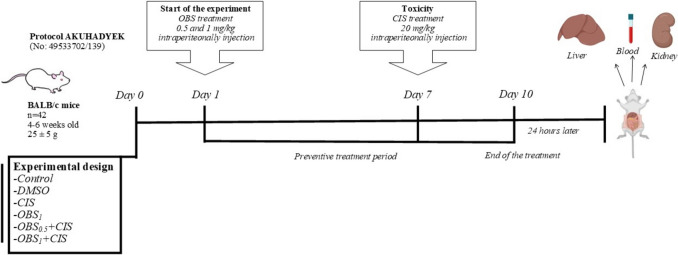 Figure 1
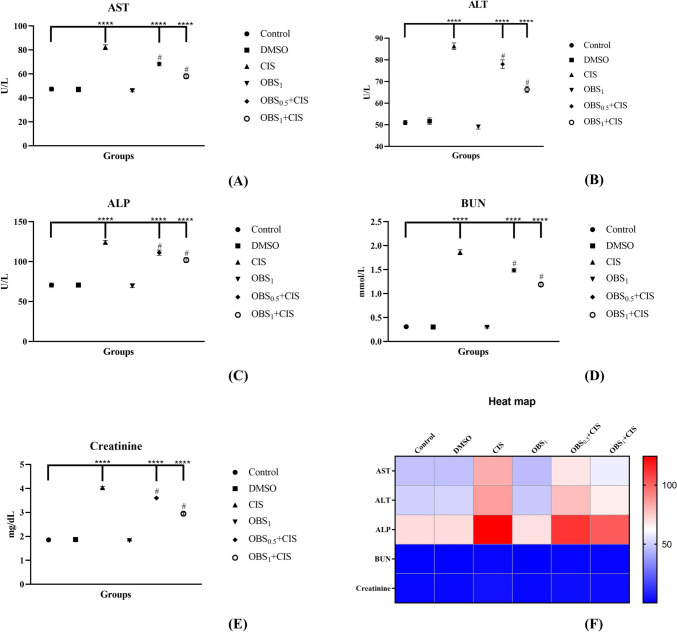 Figure 2
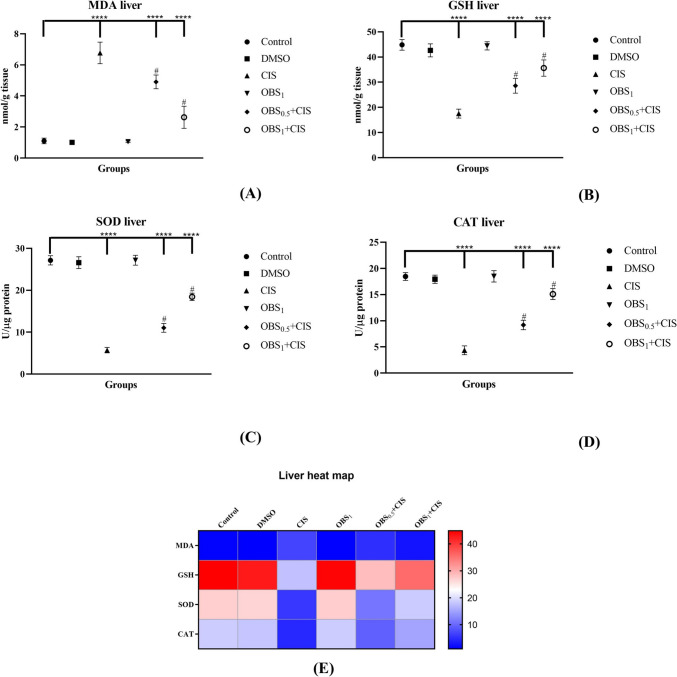 Figure 3
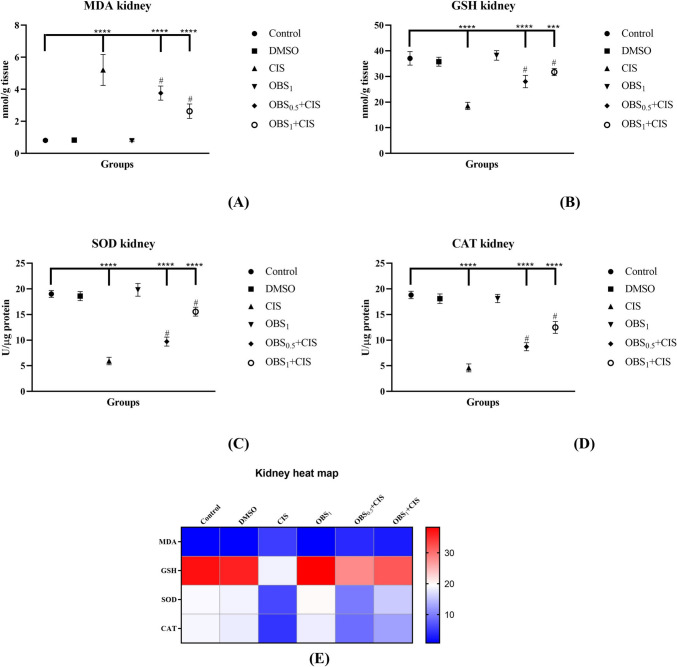 Figure 4
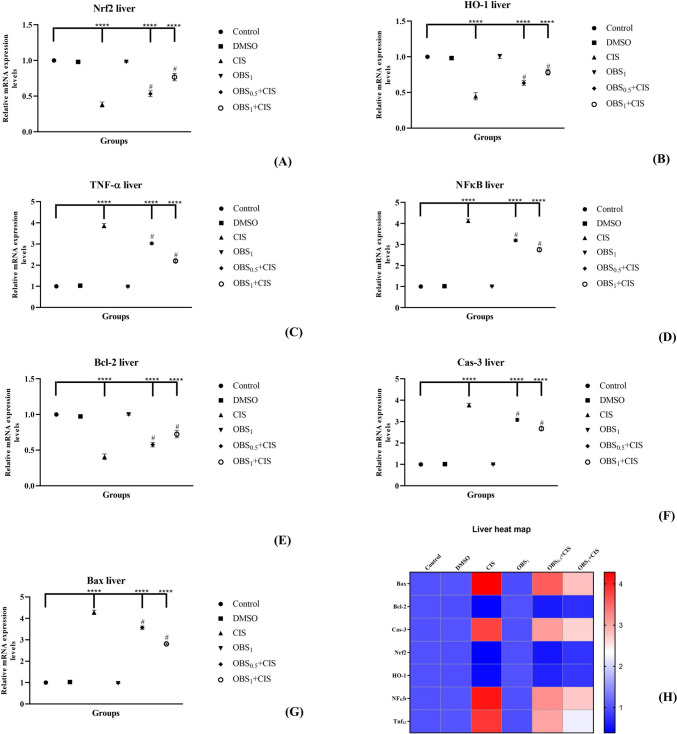 Figure 5
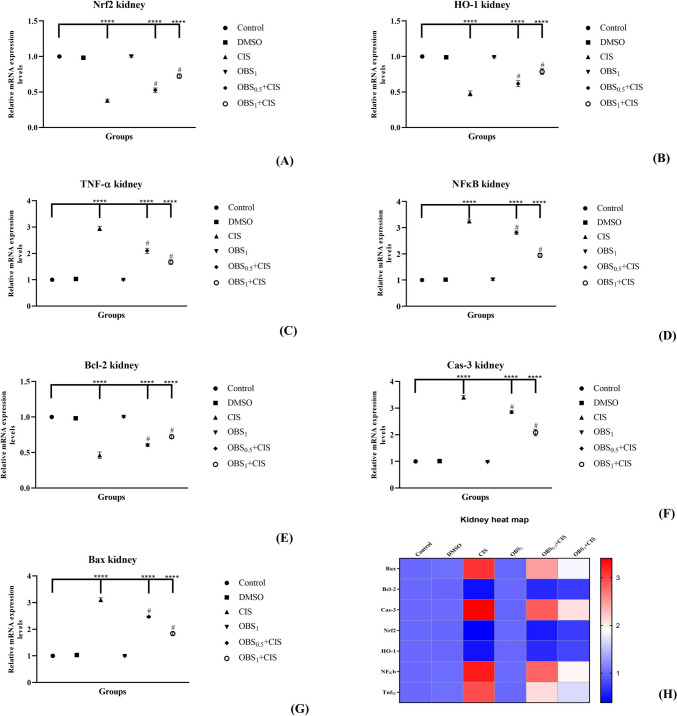 Figure 6
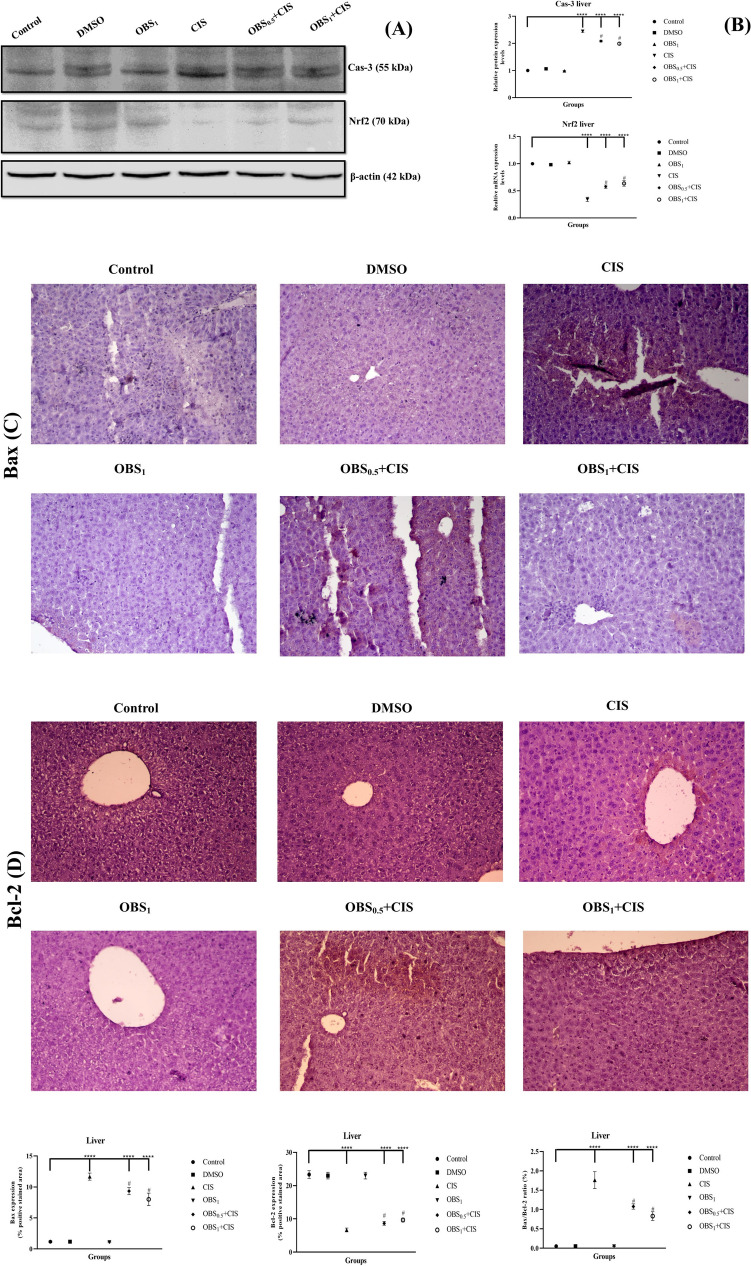 Figure 7
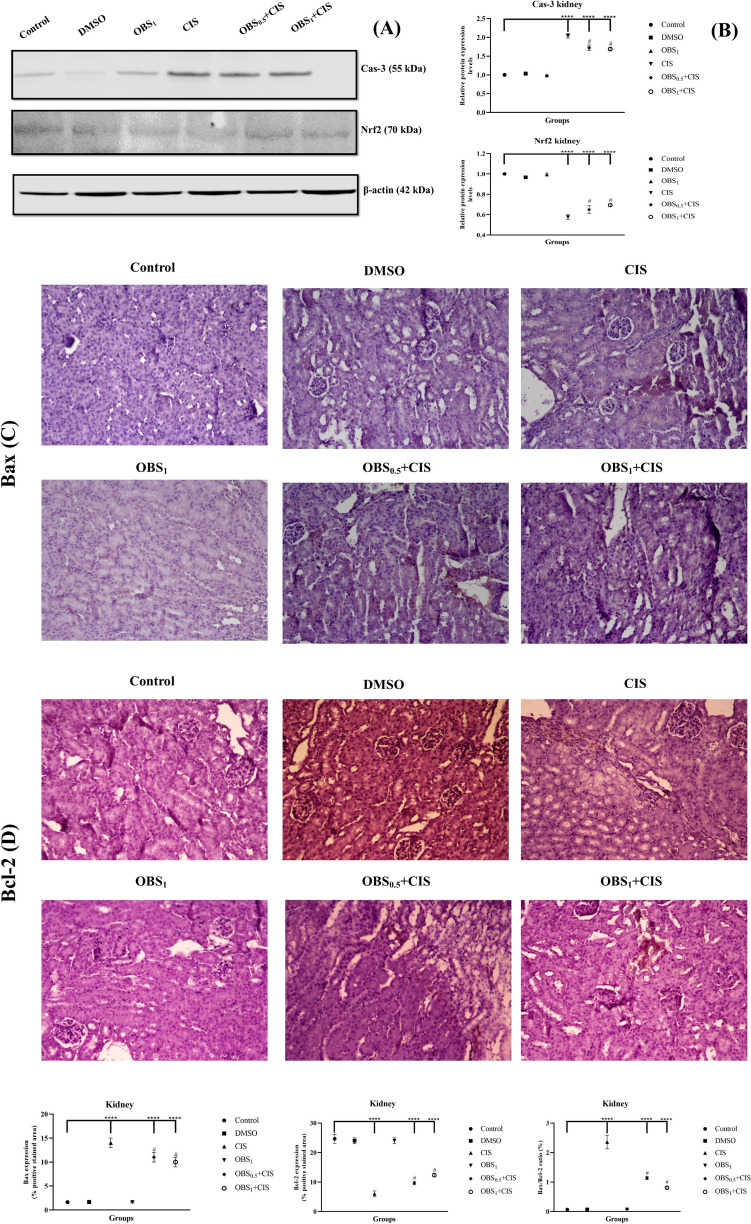 Figure 8
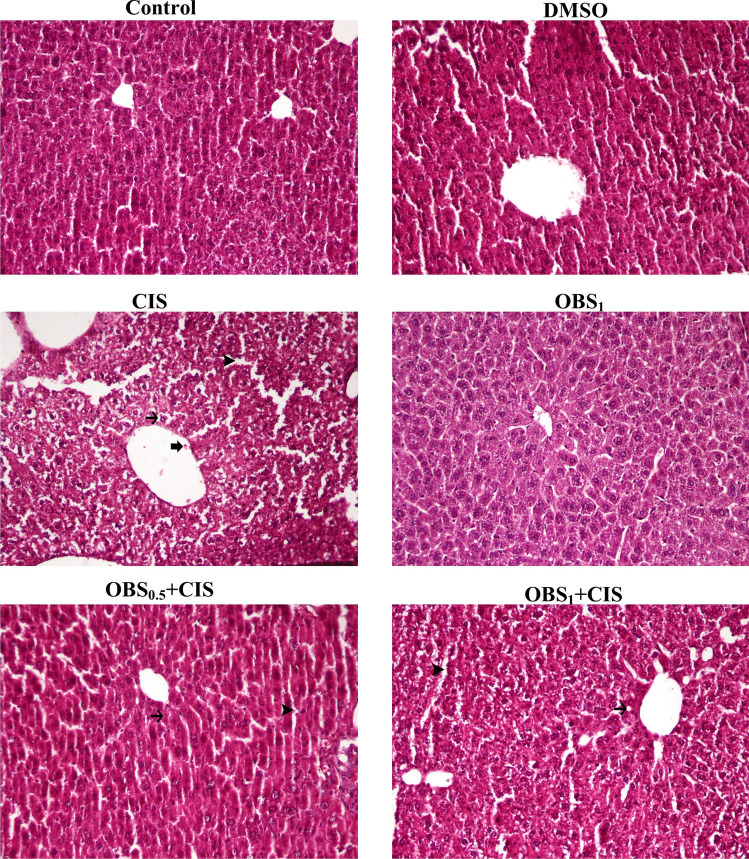 Figure 9
Peer Reviews
No public reviews on file for this paper yet. If you reviewed it on a platform where reviews are public (OpenReview, ICLR, NeurIPS, ICML), you can paste yours below so the community can read it here.
Videos
No videos yet. Explain this paper in a talk, walkthrough, or lecture? Add one.
Taxonomy
TopicsChemotherapy-induced organ toxicity mitigation · Genomics, phytochemicals, and oxidative stress · Plant-derived Lignans Synthesis and Bioactivity