Histamine H3 Receptor Antagonists Influence the Directional Growth of Type II Spiral Ganglion Neurites Within the Developing Cochlea of C57BL/6 Mice
Lingyi Kong, Heidi Olze, Agnieszka J. Szczepek

TL;DR
This study shows that blocking histamine H3 receptors in mouse cochleas affects the growth of specific nerve cells, suggesting a new role for these receptors in hearing development.
Contribution
The study reveals a novel role for histamine H3 receptors in directing the growth of spiral ganglion neuron neurites in the developing cochlea.
Findings
H3R mRNA levels are significantly higher in the modiolus compared to other cochlear regions.
H3R antagonists disrupt type II spiral ganglion neurite projections, altering their growth direction.
Ciproxifan causes hair cell loss, while pitolisant leads to stereociliary abnormalities at high concentrations.
Abstract
The histamine H3 receptor (H3R) is a crucial regulator of synaptic plasticity, neurotransmitter release, and neural signaling within the central nervous system. However, its role in the cochlea remains poorly understood, even though mast cells, a rich endogenous source of histamine, have recently been documented in the mammalian cochlea. This study examined H3R expression and localization in the postnatal day 4–5 (P4-5) C57BL/6 mouse cochlea and evaluated its functional consequences under antagonist treatment. RT-qPCR analysis showed significantly higher H3R mRNA levels in the modiolus compared to the organ of Corti and the lateral wall. Immunofluorescence staining confirmed H3R localization in hair cells (HCs) and spiral ganglion neurons (SGNs). Dissected cochlear explants exposed to two distinct H3R antagonists—ciproxifan and pitolisant—at concentrations of 10µM, 50µM, and 100µM,…
Genes, proteins, chemicals, diseases, species, mutations and cell lines named across the full text — each resolved to its canonical identifier and authoritative record.
Click any figure to enlarge with its caption.
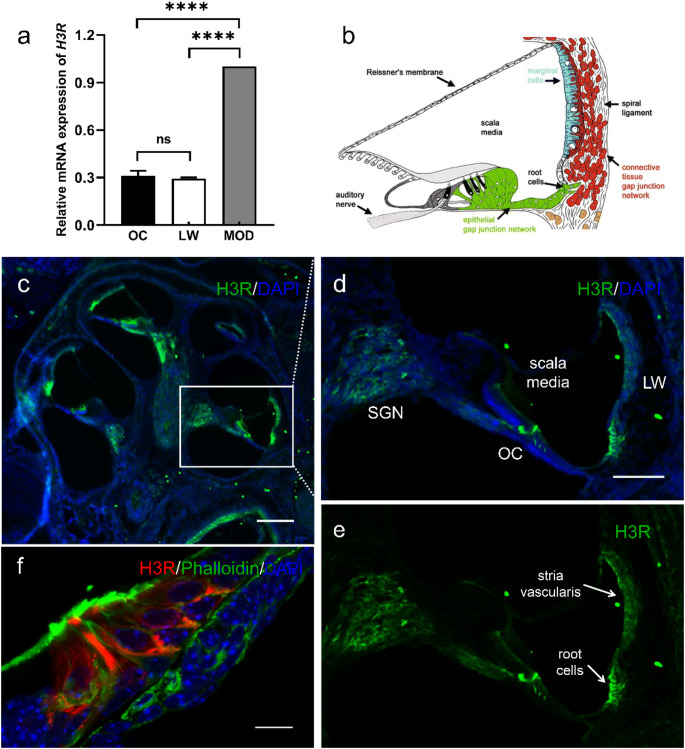 Figure 1
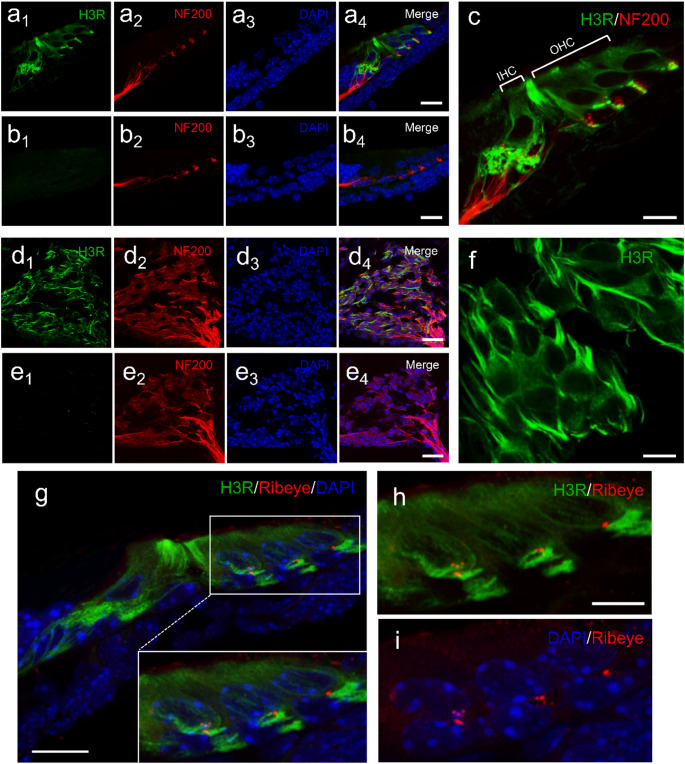 Figure 2
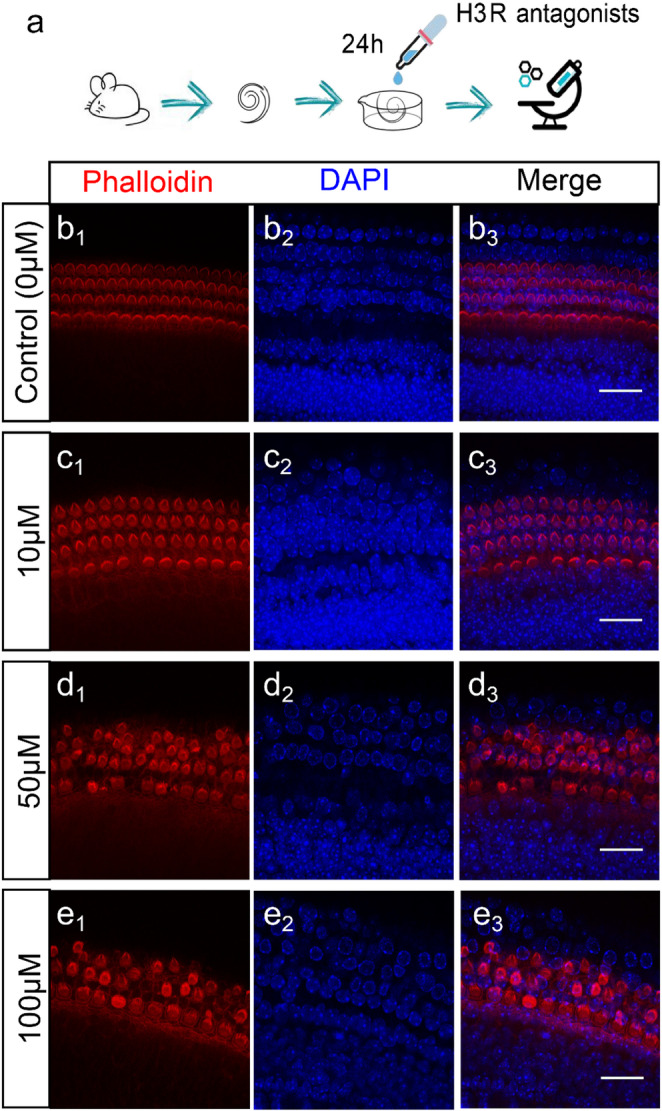 Figure 3
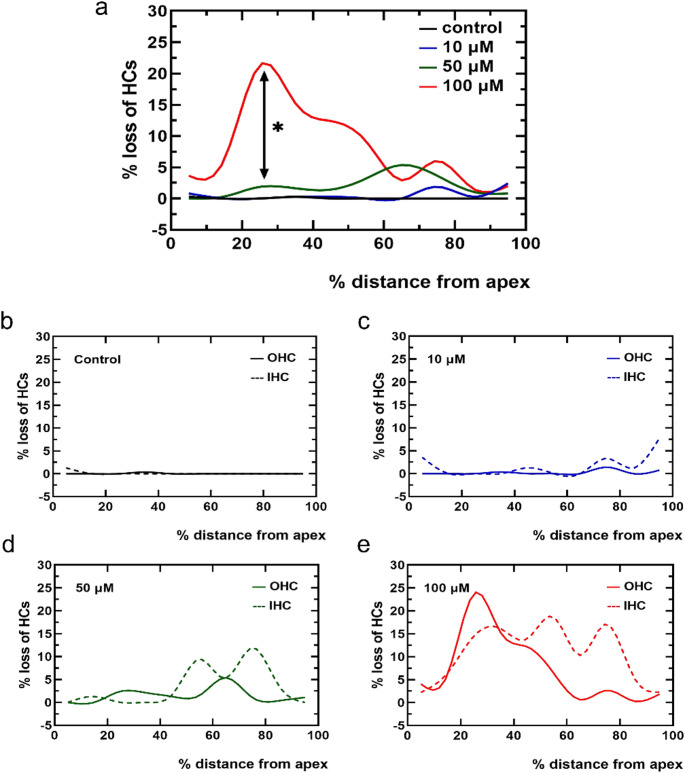 Figure 4
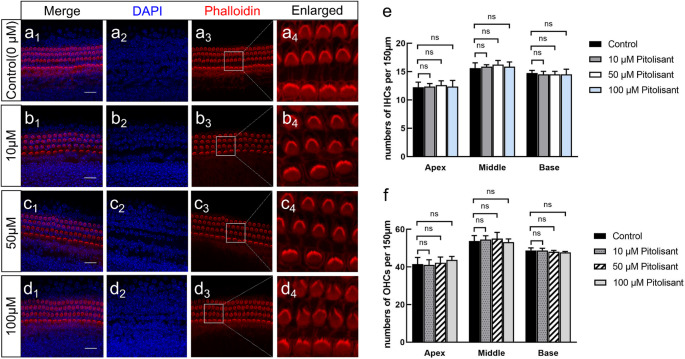 Figure 5
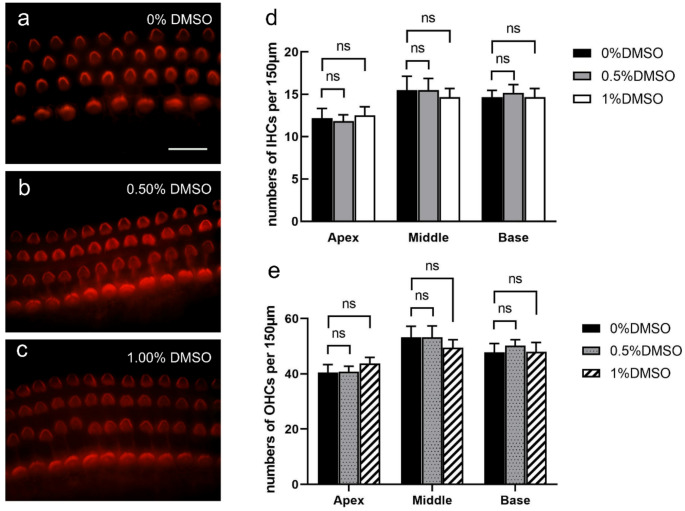 Figure 6
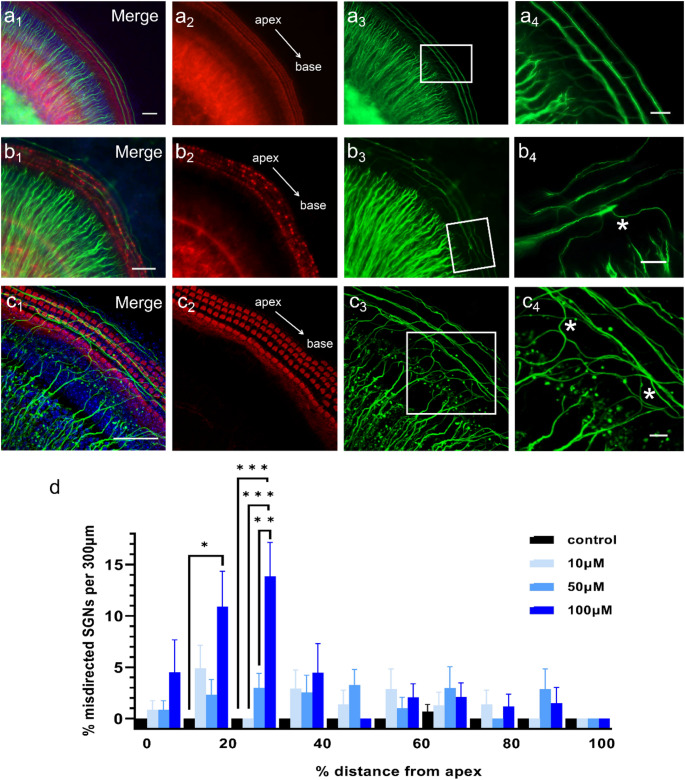 Figure 7
Peer Reviews
No public reviews on file for this paper yet. If you reviewed it on a platform where reviews are public (OpenReview, ICLR, NeurIPS, ICML), you can paste yours below so the community can read it here.
Videos
No videos yet. Explain this paper in a talk, walkthrough, or lecture? Add one.
Taxonomy
TopicsMast cells and histamine · Olfactory and Sensory Function Studies · Asthma and respiratory diseases