Soufeng sanjie formula alleviates bone erosion in CIA mice via inhibiting RANKL/NF-κB signaling pathway and ameliorates the RA symptom in patients
Dan Lin, Yutong Wu, Lizhong Zhu, Jie Yang, Jianbin Ge, Xiaoyan Sun, Xueting Cai, Juan Ye, Zhonghua Pang, Jiao Chen, Chunping Hu

TL;DR
A traditional Chinese medicine formula reduces joint damage in mice and improves symptoms in rheumatoid arthritis patients by inhibiting a key signaling pathway.
Contribution
The study demonstrates that Soufeng sanjie formula alleviates bone erosion in CIA mice and RA patients via inhibiting RANKL/NF-κB signaling.
Findings
SF reduced joint destruction and osteoclast counts in CIA mice.
SF inhibited RANKL-induced osteoclast differentiation and reduced cathepsin K and MMP9 expression.
Clinical observation showed SF improved RA symptoms and regulated bone erosion-related factors without toxicity.
Abstract
Soufeng sanjie formula (SF), composed by scolopendra, scorpion, astragali radix and black soybean seed coats, is an in-hospital preparation of traditional Chinese medicine used for the treatment of rheumatoid arthritis (RA). It has been demonstrated to have a prominent effect on relieving the symptoms of collagen-induced arthritis (CIA) mice after 1 month of administration. This study aimed to evaluate the effect and mechanism of SF on ameliorating bone erosion in CIA mice and RA patients. SF or methotrexate (MTX) was administered orally to CIA mice for 3 months. The degree of ankle joint destruction, osteoclast counts, bone erosion and the expression of osteoclast-related proteins were evaluated in the ankle joints of CIA mice. Then, the inhibitory effect of SF on RANKL-stimulated osteoclast differentiation was investigated in bone marrow-derived mononuclear cells in vitro, with a…
Genes, proteins, chemicals, diseases, species, mutations and cell lines named across the full text — each resolved to its canonical identifier and authoritative record.
Click any figure to enlarge with its caption.
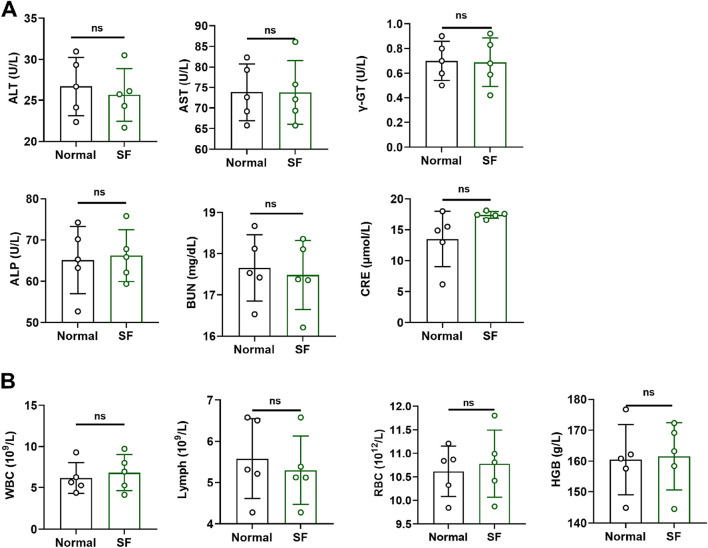 Figure 1
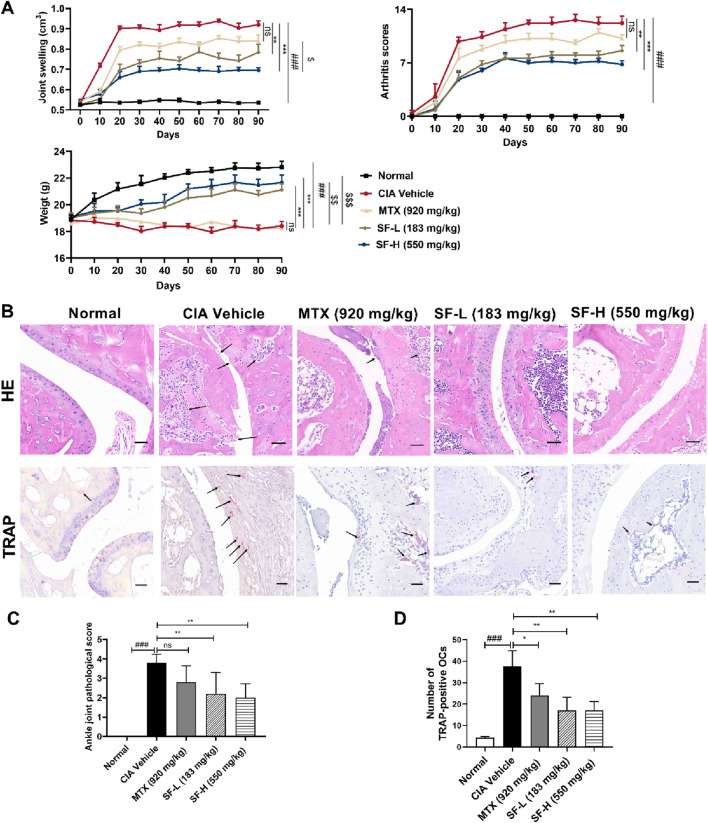 Figure 2
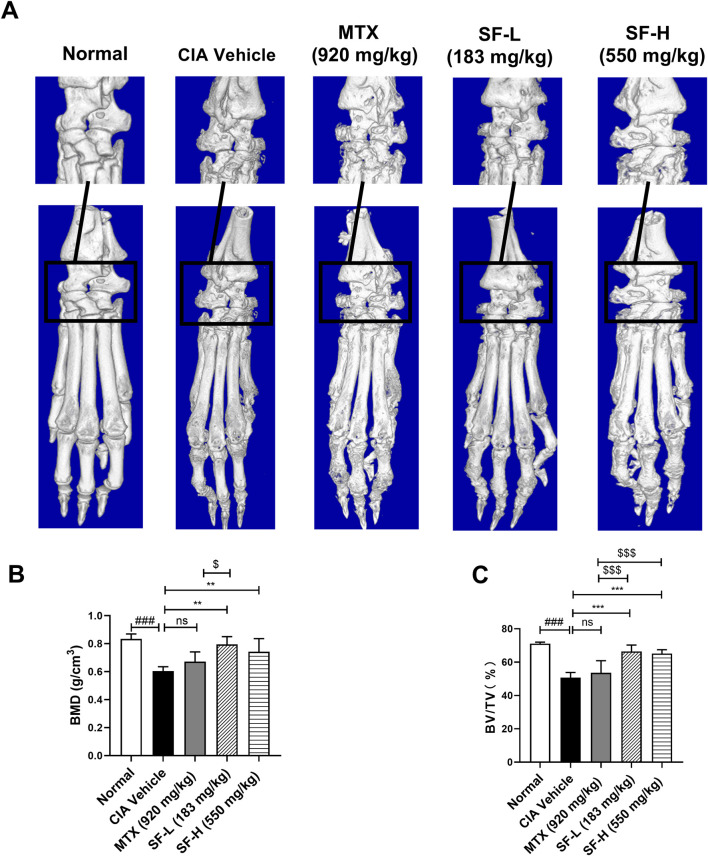 Figure 3
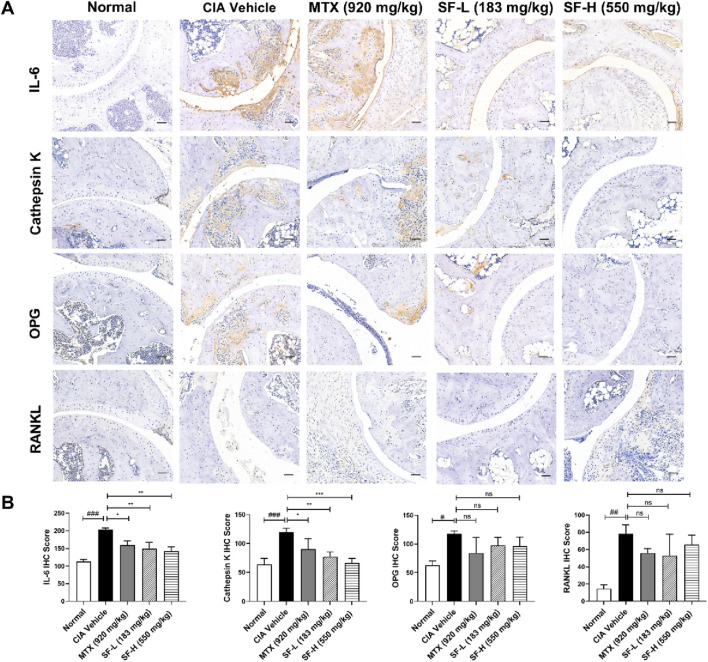 Figure 4
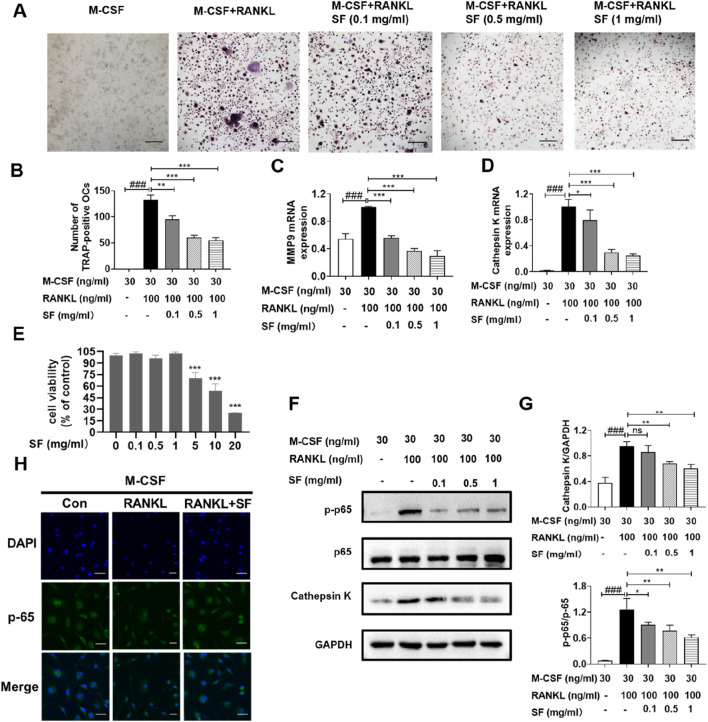 Figure 5
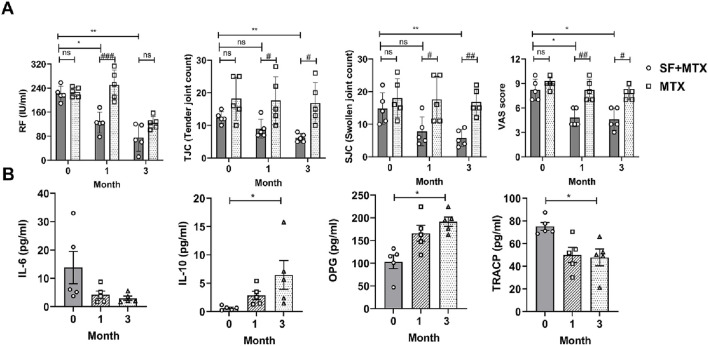 Figure 6
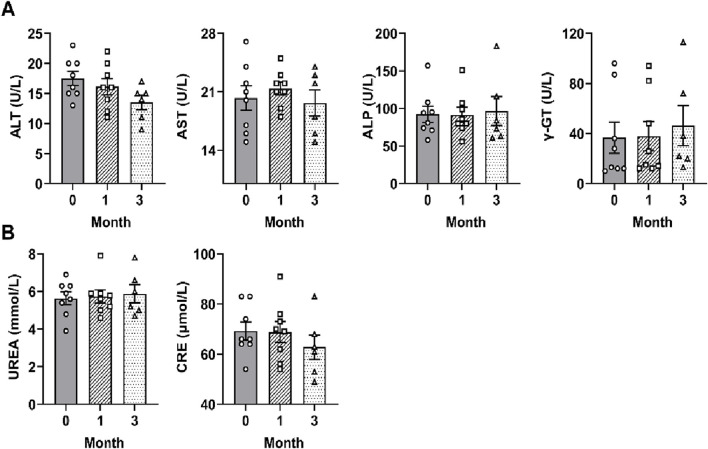 Figure 7
Peer Reviews
No public reviews on file for this paper yet. If you reviewed it on a platform where reviews are public (OpenReview, ICLR, NeurIPS, ICML), you can paste yours below so the community can read it here.
Videos
No videos yet. Explain this paper in a talk, walkthrough, or lecture? Add one.
Taxonomy
TopicsPharmacological Effects of Natural Compounds · Complementary and Alternative Medicine Studies · Therapeutic Uses of Natural Elements