Research on the pathogen causing root rot on Phyllanthus emblica from the perspectives of identification, bionomics, fungicide sensitivity assay, and transcriptome analysis under different pH stress
Yiming Zhang, Minyan Song, Yonghong He, Yehua Si

TL;DR
This study identifies the pathogen causing root rot in Phyllanthus emblica and explores its biology, fungicide sensitivity, and response to pH stress.
Contribution
The study provides new insights into the pathogen's bionomics and transcriptomic responses under different pH conditions.
Findings
Prochloraz is the most effective fungicide against Diaporthe eres with an EC50 of 0.059 mg·L-1.
Diaporthe eres thrives best at 26°C, 12:12 light cycle, and pH 6.
Transcriptome analysis reveals distinct stress response mechanisms in acidic and alkaline environments.
Abstract
In recent years, Phyllanthus emblica root rot disease has occurred in Yunnan and caused significant economic losses to local plantation farmers, the pathogen was identified as Diaporthe eres through morphological and molecular method. The indoor toxicity testing and biological characteristic research on Diaporthe eres were carried out. Additionally, the transcriptional regulatory mechanism under different pH stress conditions was studied. The results showed that Prochloraz had the strongest inhibitory effect on Diaporthe eres mycelial growth, with an EC50 value of 0.059 mg·L-1. Diaporthe eres grows best in an environment of 26°C, 12: 12 alternating light, and pH 6. Go enrichment analysis revealed that the differentially expressed genes were mainly related to the biosynthesis of ribonucleoprotein complexes, ncRNA metabolic processes, ribosome and so on. KEGG analysis shows that in acidic…
Genes, proteins, chemicals, diseases, species, mutations and cell lines named across the full text — each resolved to its canonical identifier and authoritative record.
Click any figure to enlarge with its caption.
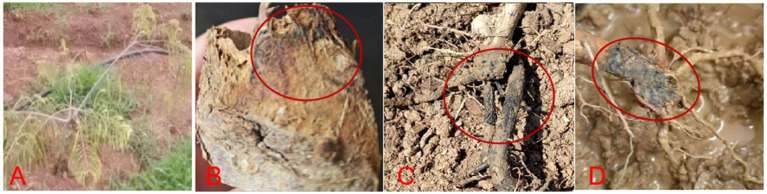 Figure 1
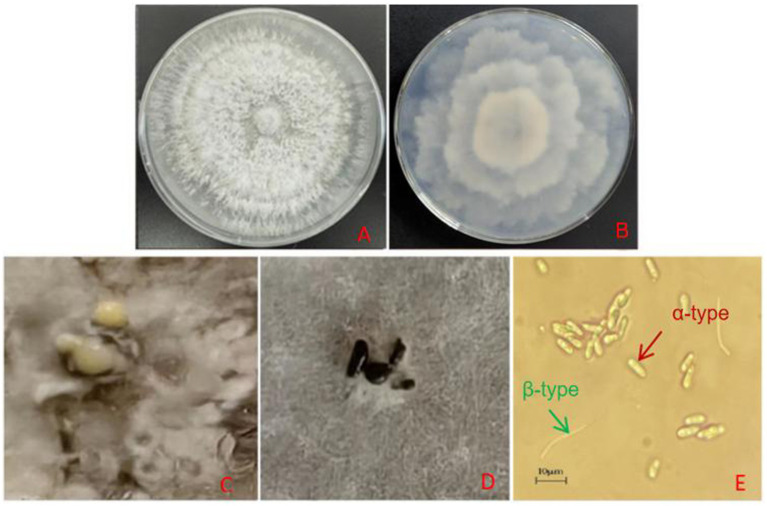 Figure 2
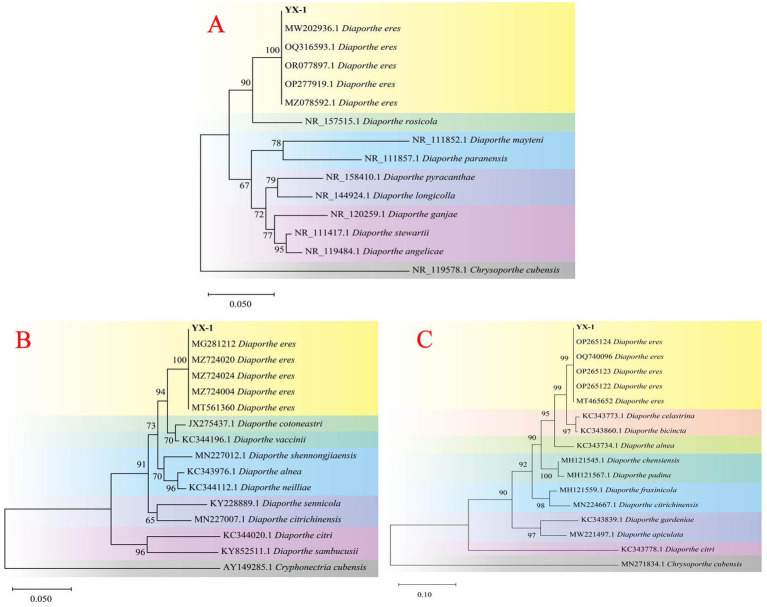 Figure 3
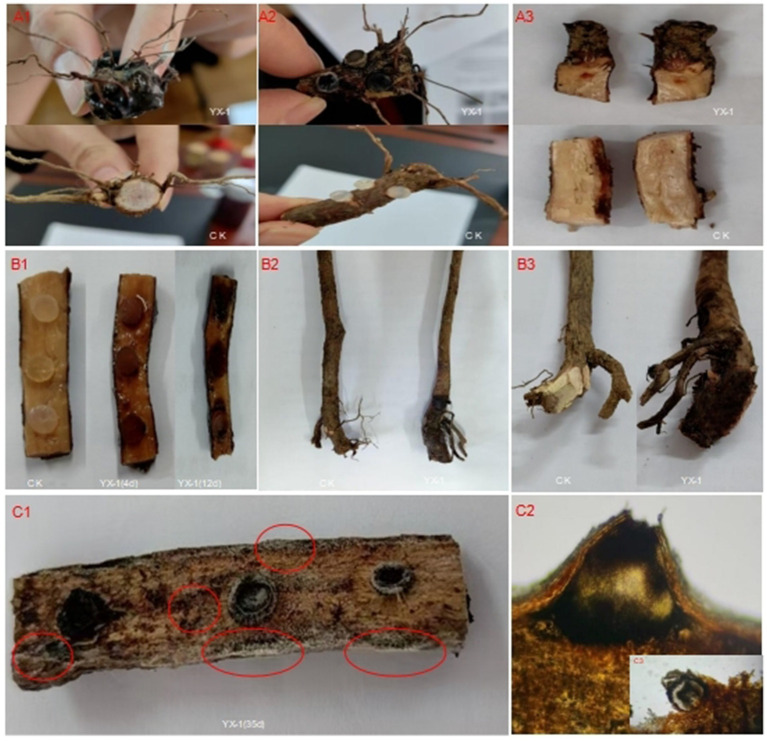 Figure 4
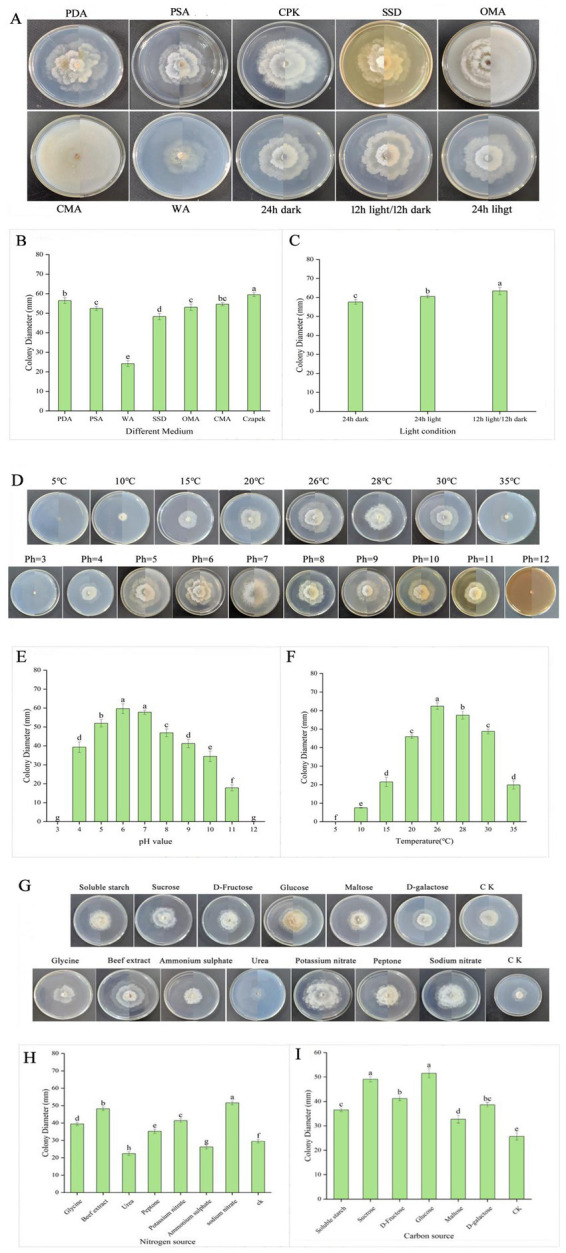 Figure 5
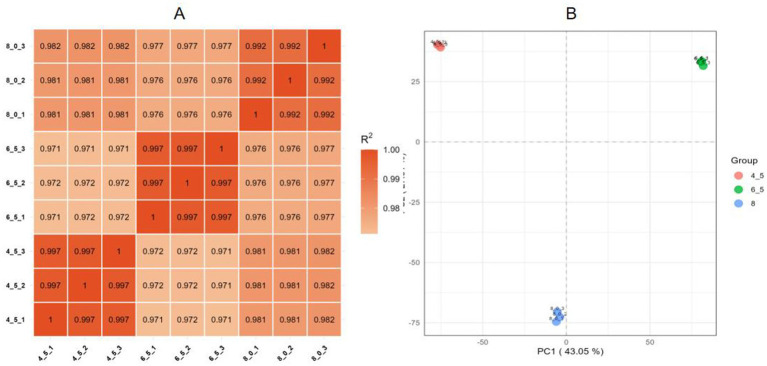 Figure 6
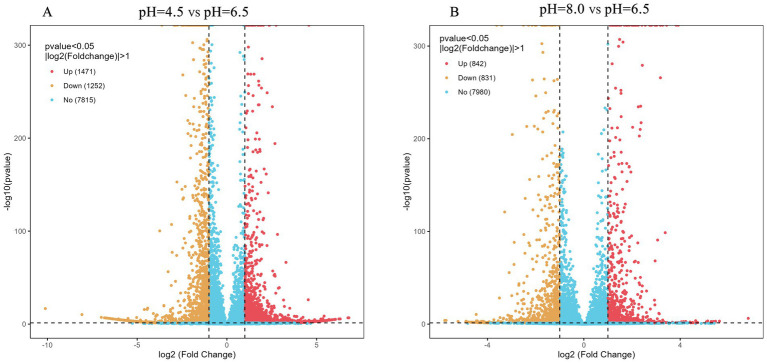 Figure 7
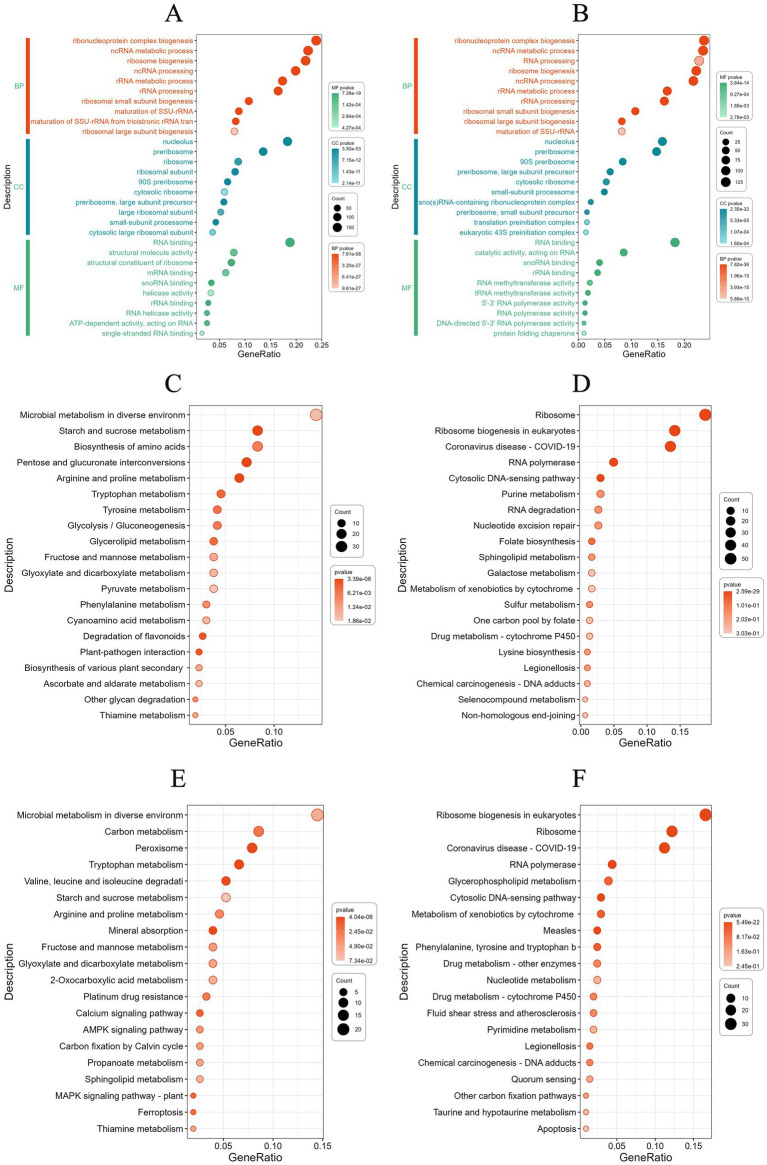 Figure 8
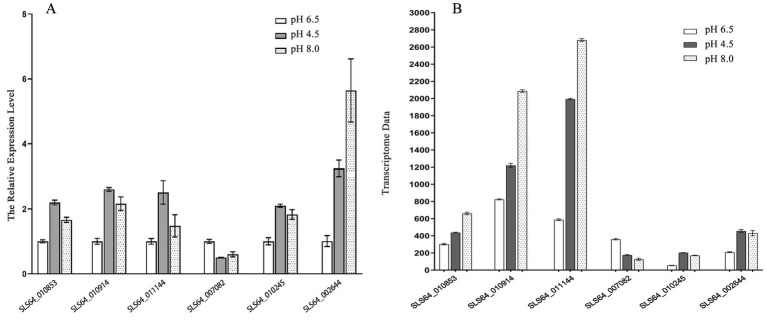 Figure 9
Peer Reviews
No public reviews on file for this paper yet. If you reviewed it on a platform where reviews are public (OpenReview, ICLR, NeurIPS, ICML), you can paste yours below so the community can read it here.
Videos
No videos yet. Explain this paper in a talk, walkthrough, or lecture? Add one.
Taxonomy
TopicsPhytochemistry and Bioactivity Studies · Plant tissue culture and regeneration · Plant-Microbe Interactions and Immunity