From rings to regions: modeling and mapping climate-driven timber production zones for Cyclocarya paliurus by integrating niche models and growth traits
Zijie Zhang, Zhengyang Ye, Xulan Shang, Wanxia Yang, Tongli Wang, Shengzuo Fang

TL;DR
This study maps how climate change will affect the timber production of Cyclocarya paliurus in China, helping guide conservation and afforestation efforts.
Contribution
The study integrates niche models with growth traits to project climate-driven shifts in timber production zones.
Findings
High predictive models (RF AUC = 0.970, MaxEnt AUC = 0.942) identified temperature and water as key factors for Cyclocarya paliurus.
Climate suitability strongly correlates with 20-year diameter growth (R² = 0.625) and wood density (R² = 0.463).
Future projections show a 49.2–60.0% decline in suitable habitats by the 2050s, with shifts toward higher latitudes.
Abstract
Cyclocarya paliurus, a native hardwood species with multi-functional value, has been prioritized in China’s National Reserve Forest Program. However, uncertainties related to its habitat stability and timber productivity under climate change pose challenges to effective conservation and afforestation planning aligned with national carbon neutrality goals. In this study, we constructed species distribution models using Random Forest (RF) and Maximum Entropy (MaxEnt), based on verified field occurrence records and climatic data. Habitat suitability was projected under current and future climate scenarios (SSP2-4.5 and SSP5-8.5). We further analyzed the relationships between climate suitability and growth traits across 27 natural populations. Both models demonstrated high predictive performance (RF AUC = 0.970, MaxEnt AUC = 0.942), identifying temperature variability and water…
Genes, proteins, chemicals, diseases, species, mutations and cell lines named across the full text — each resolved to its canonical identifier and authoritative record.
Click any figure to enlarge with its caption.
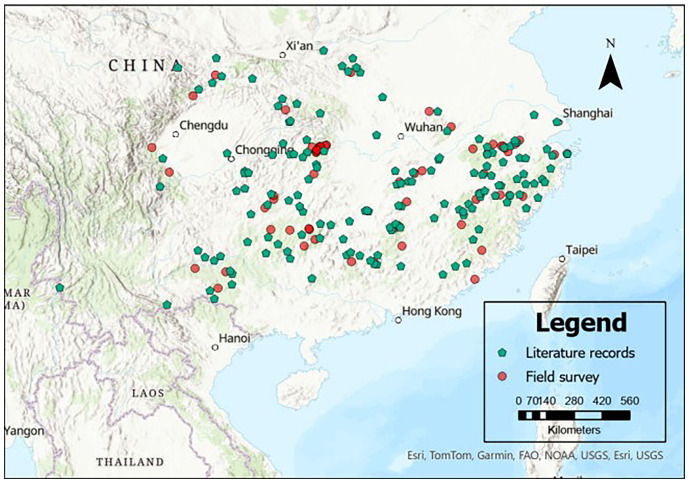 Figure 1
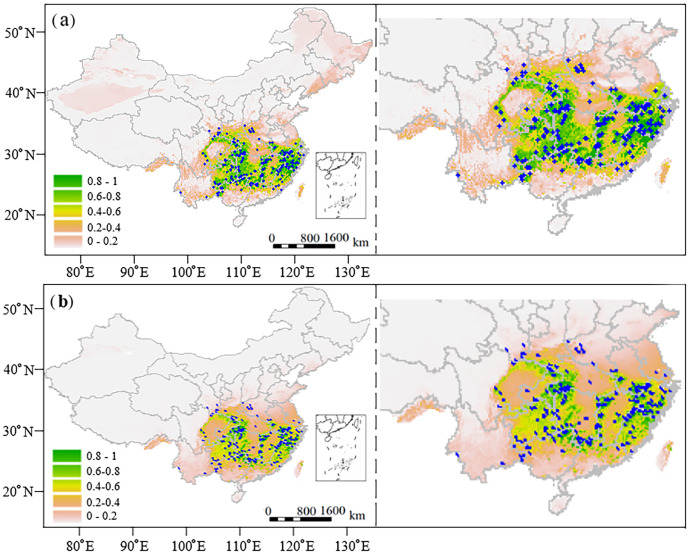 Figure 2
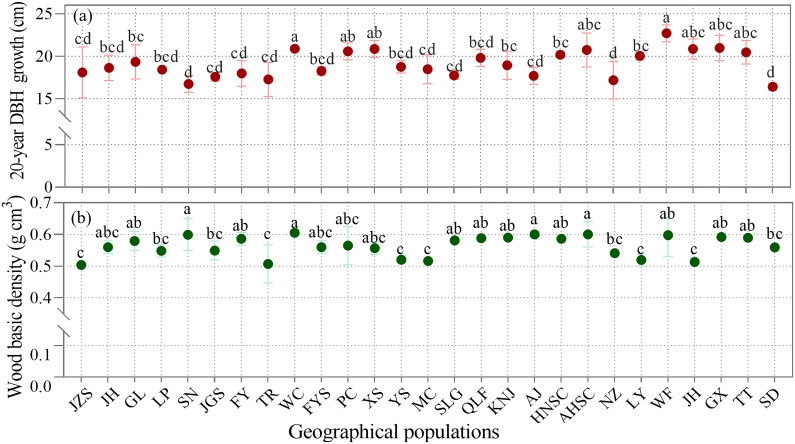 Figure 3
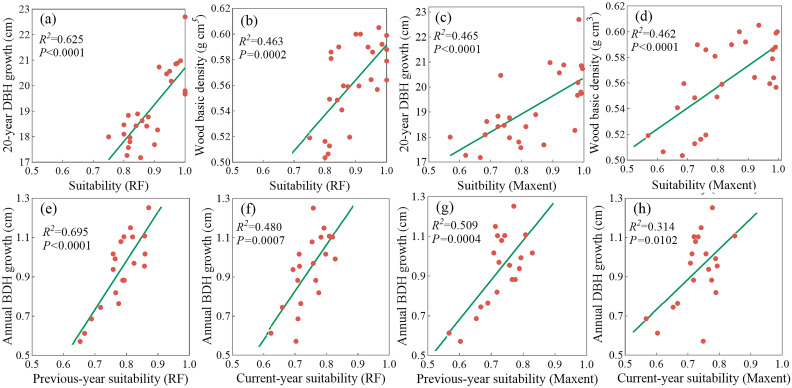 Figure 4
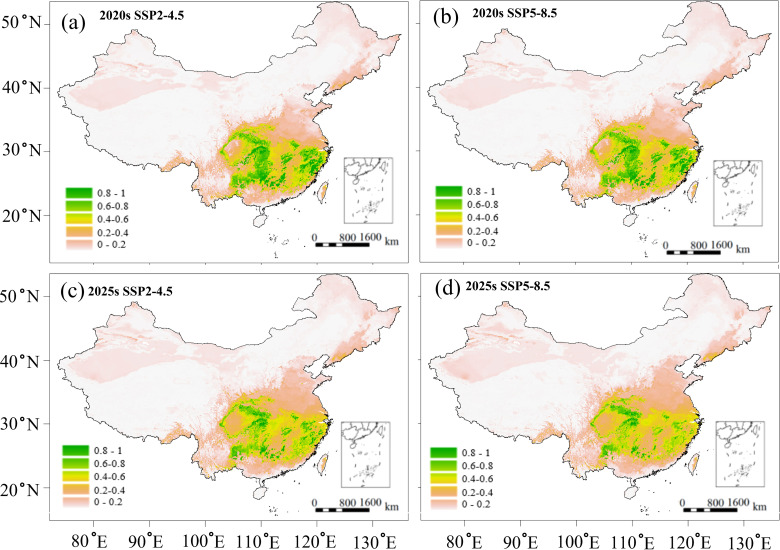 Figure 5
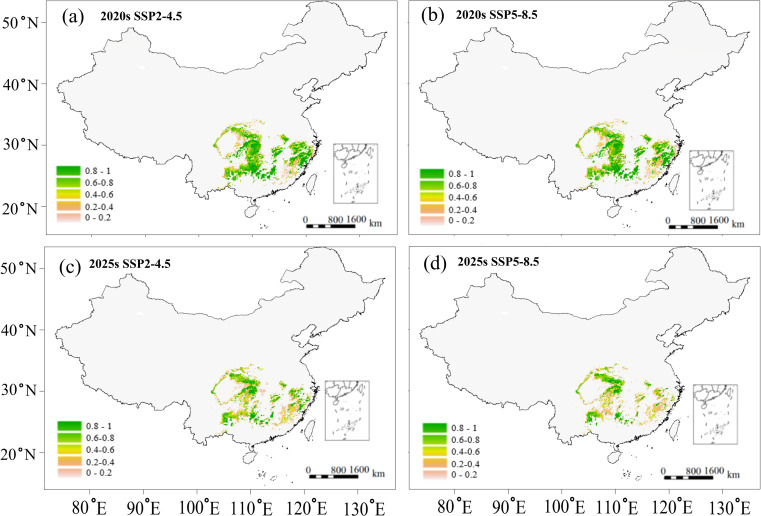 Figure 6
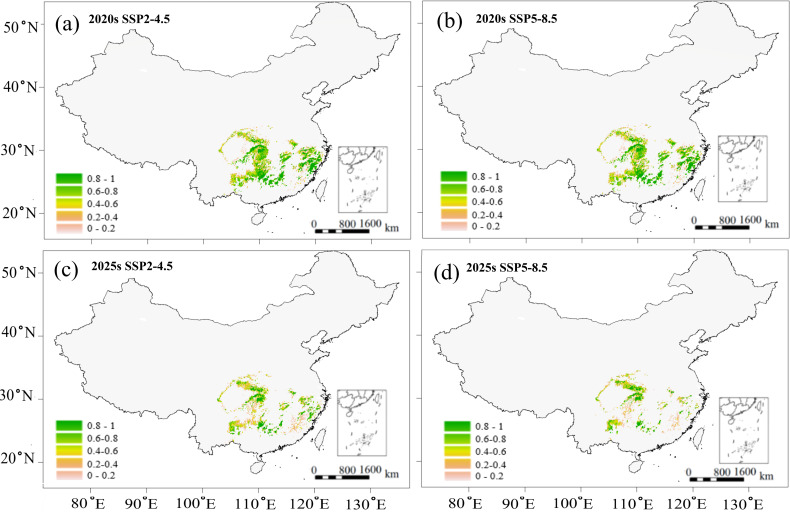 Figure 7
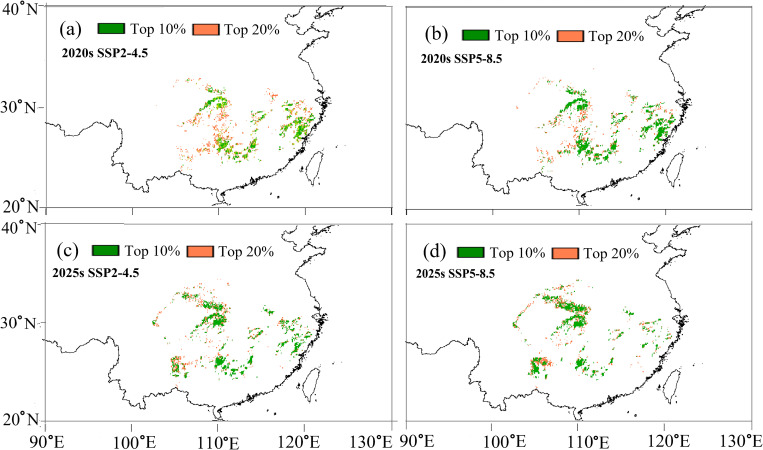 Figure 8
Peer Reviews
No public reviews on file for this paper yet. If you reviewed it on a platform where reviews are public (OpenReview, ICLR, NeurIPS, ICML), you can paste yours below so the community can read it here.
Videos
No videos yet. Explain this paper in a talk, walkthrough, or lecture? Add one.
Taxonomy
TopicsSpecies Distribution and Climate Change · Ecology and Vegetation Dynamics Studies · Forest ecology and management