Ultrasound-Assisted Anatomic Posterior Cruciate Ligament Reconstruction With Remnant Preservation by Reference to Distal Reflection of the Posterior Capsule and Posterior Septum
Xiaoqian Men, Shengkun Wu, Zhikuan Li, Yi Zheng, Yingzhen Niu, Jiangtao Dong

TL;DR
This paper introduces a new ultrasound-assisted technique for PCL reconstruction that improves success rates by preserving anatomical structures and minimizing graft complications.
Contribution
The novel contribution is an ultrasound-assisted PCL reconstruction method that uses distal posterior capsule reflection and posterior septum as references for tibial tunnel placement.
Findings
The technique preserves the posterior septum and minimizes the impact of the 'killer turn' on graft success.
Using ultrasound assistance improves the accuracy of tibial tunnel placement in PCL reconstruction.
The method effectively enhances the success rate of PCL reconstruction surgeries.
Abstract
Compared with anterior cruciate ligament reconstruction, posterior cruciate ligament (PCL) reconstruction has a higher failure rate and revision rate, which is associated with multiple factors such as graft option, fixation method, postoperative rehabilitation, and management of concomitant injuries. Among them, “killer turn” is a key factor in the failure of PCL reconstruction. Although there are various techniques for PCL reconstruction, the ideal surgery remains controversial. Combined with our clinical experience, ultrasound-assisted positioning is used to locate the tibial tunnel with the distal posterior capsule reflection and the posterior septum as reference to safely achieve anatomic remnant preservation and PCL reconstruction. This technique not only preserves the integrity of the posterior septum but also minimizes the impact of the “killer turn” on the graft by keeping the…
Genes, proteins, chemicals, diseases, species, mutations and cell lines named across the full text — each resolved to its canonical identifier and authoritative record.
Click any figure to enlarge with its caption.
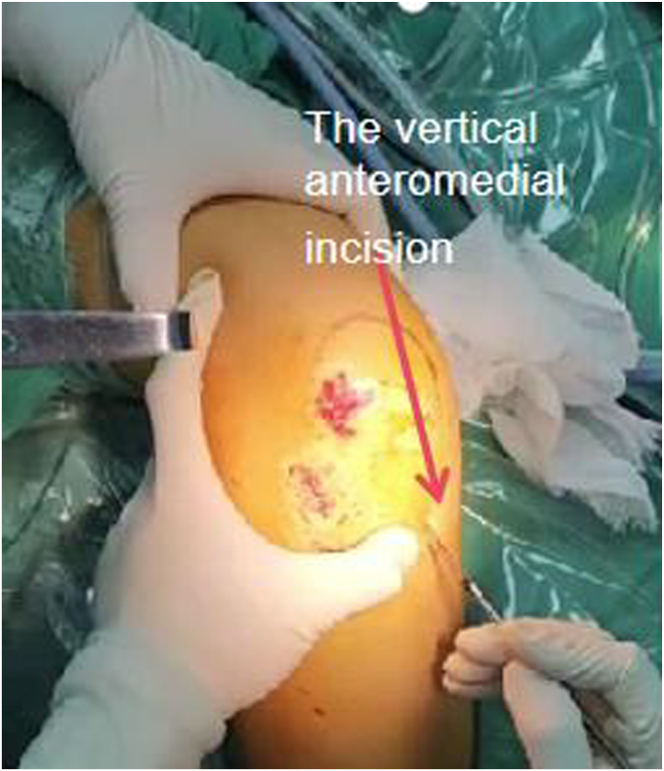 Figure 1
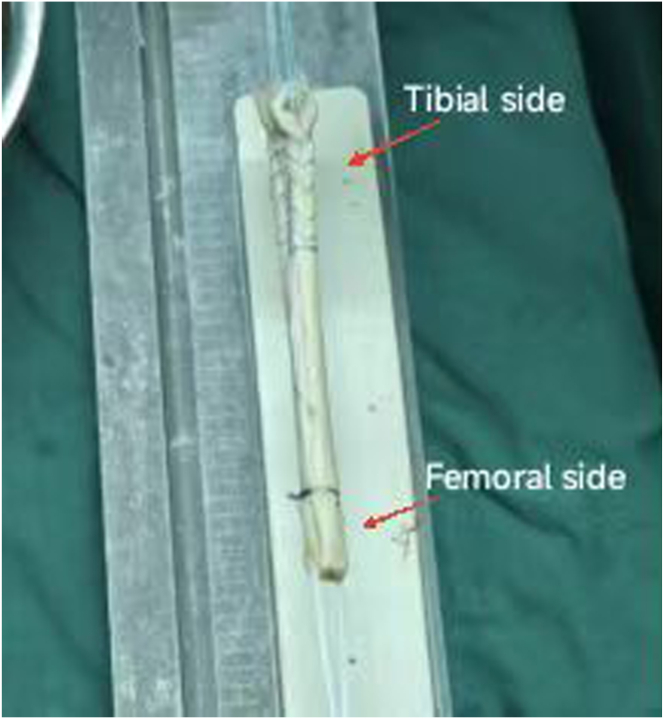 Figure 2
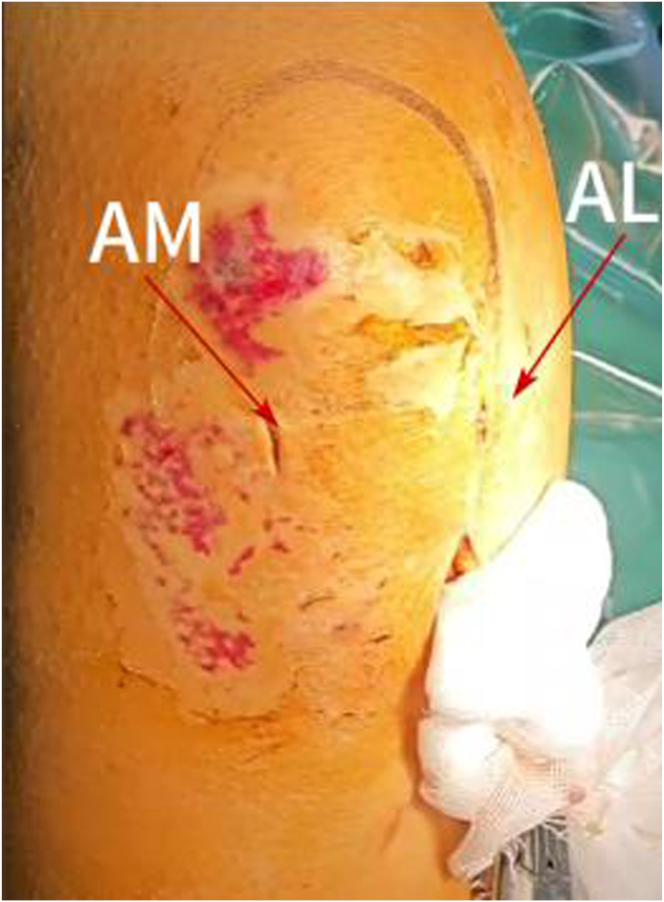 Figure 3
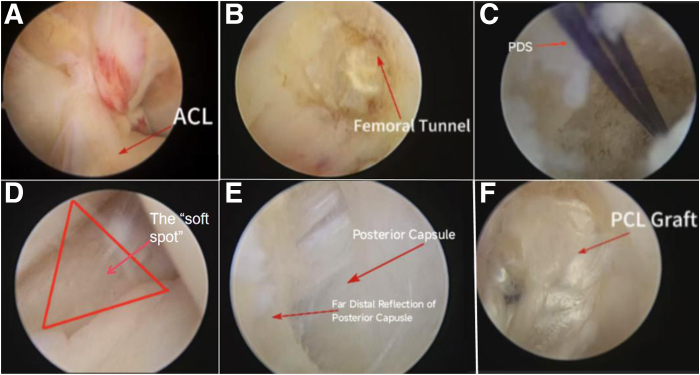 Figure 4
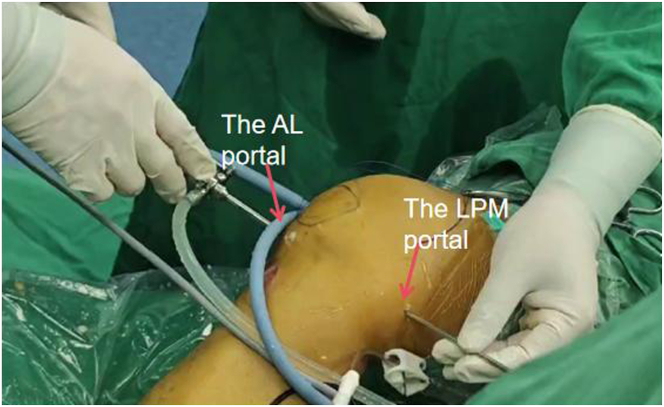 Figure 5
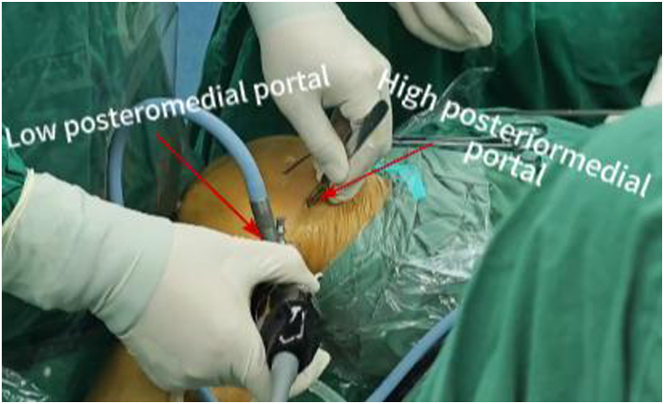 Figure 6
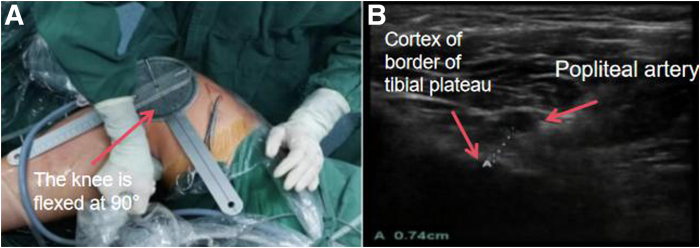 Figure 7
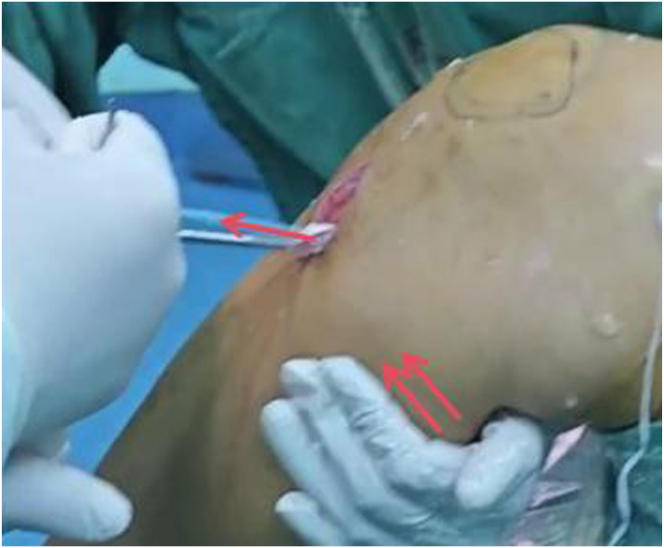 Figure 8
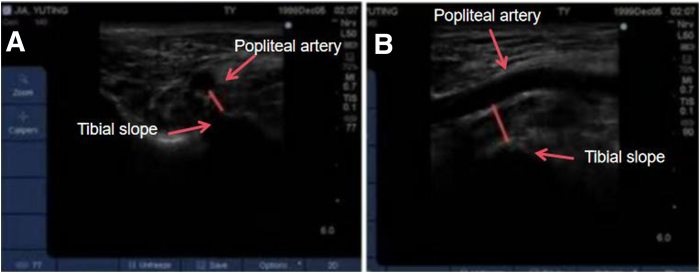 Figure 9
Peer Reviews
No public reviews on file for this paper yet. If you reviewed it on a platform where reviews are public (OpenReview, ICLR, NeurIPS, ICML), you can paste yours below so the community can read it here.
Videos
No videos yet. Explain this paper in a talk, walkthrough, or lecture? Add one.
Taxonomy
TopicsKnee injuries and reconstruction techniques · Adhesion, Friction, and Surface Interactions · Sports injuries and prevention