Capsulolabral Advancement and “Suture-First” Knot-Less Technique for Chronic Posterior Glenolabral Articular Disruption Lesion of the Shoulder
Ranajit Panigrahi, Aruddha Sarkar

TL;DR
This paper introduces a new surgical technique using suture-first knotless anchors to treat chronic posterior shoulder labral lesions.
Contribution
The novel contribution is a suture-first knotless anchor technique for capsulolabral advancement in chronic posterior GLAD lesions.
Findings
The described technique aims to minimize articular defect exposure and restore glenolabral integrity.
The method involves capsulolabral advancement and knotless anchors for chronic posterior GLAD lesions.
Abstract
Glenoid labrum articular disruption (GLAD lesions) have been classically described along the anterior and inferior aspect of the glenoid. Posterior GLAD lesions are a rare variant in which the posterior-inferior glenoid and the labrum are involved. The management of chronic GLAD lesions is challenging and requires removal of loose fibrous tissue, microdrilling, and capsulolabral advancement in order to minimize an exposed articular defect and re-establish glenolabral integrity. We describe a technique of capsulolabral advancement with “suture-first” knotless anchors to manage a case of chronic posterior GLAD lesion of shoulder.
Genes, proteins, chemicals, diseases, species, mutations and cell lines named across the full text — each resolved to its canonical identifier and authoritative record.
Click any figure to enlarge with its caption.
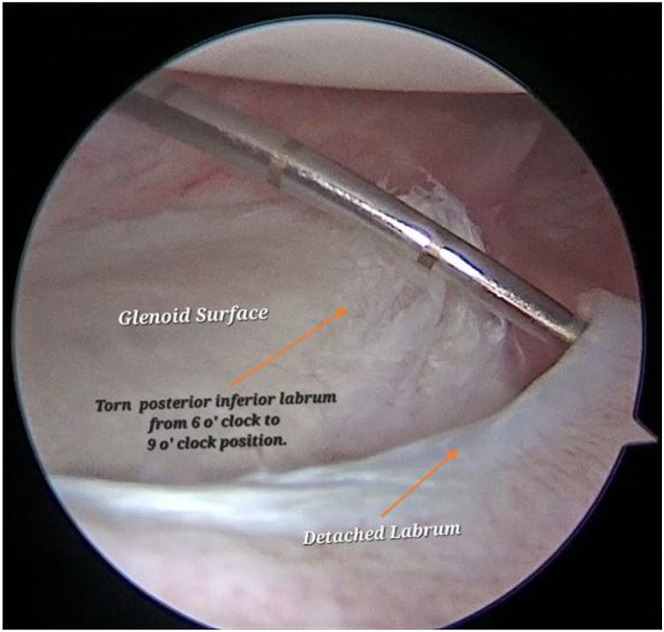 Figure 1
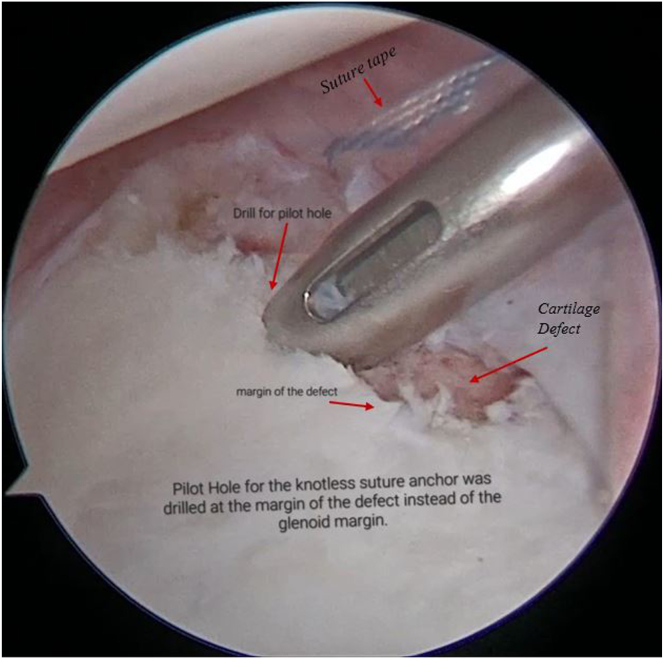 Figure 2
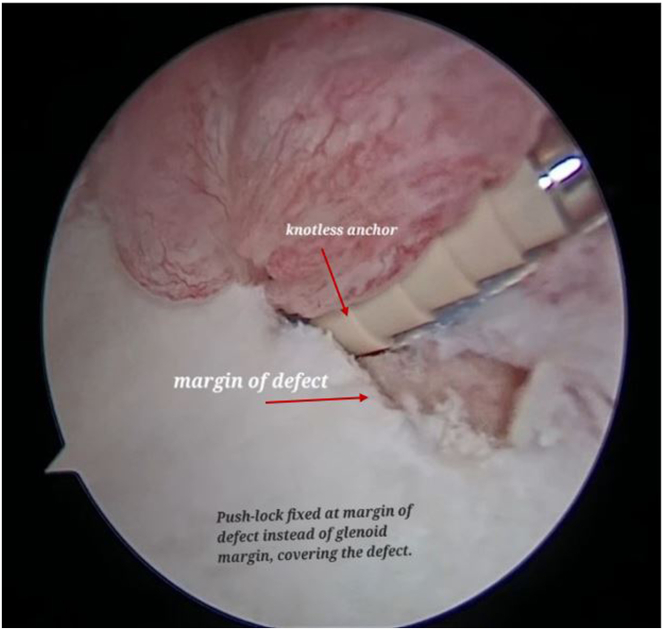 Figure 3
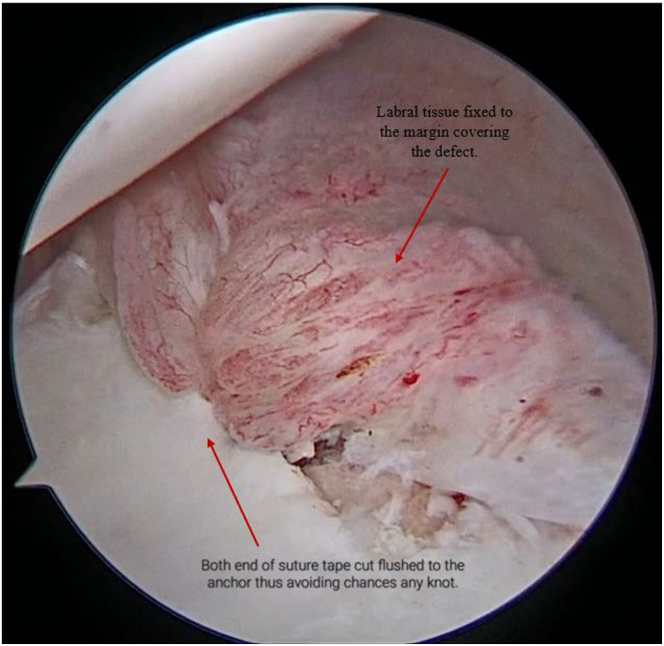 Figure 4
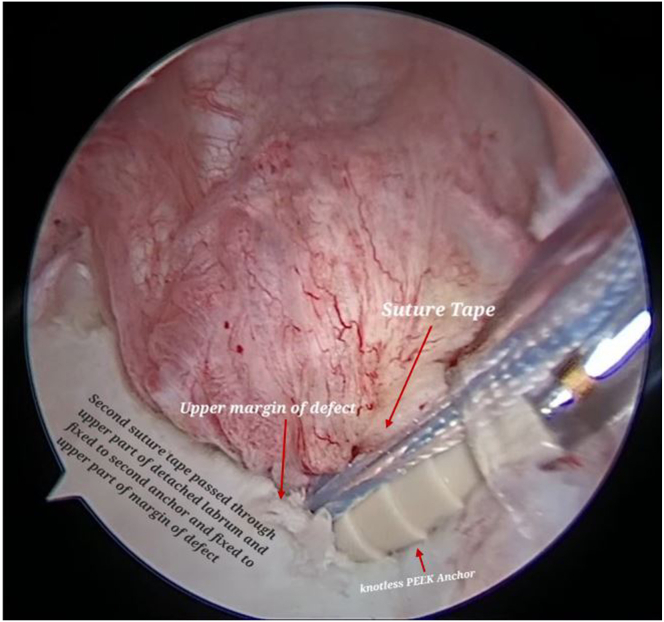 Figure 5
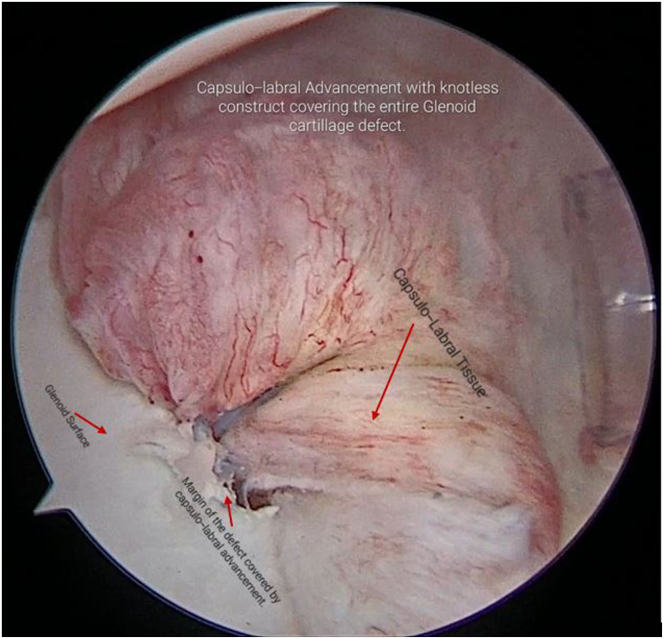 Figure 6
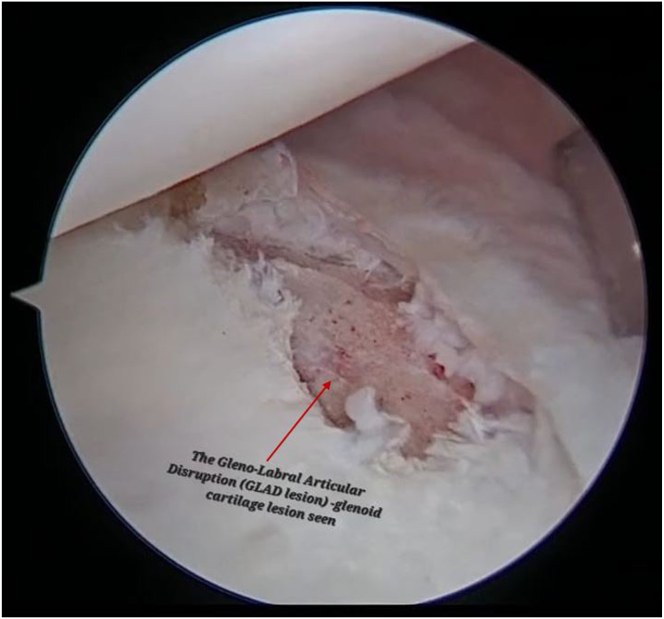 Figure 7
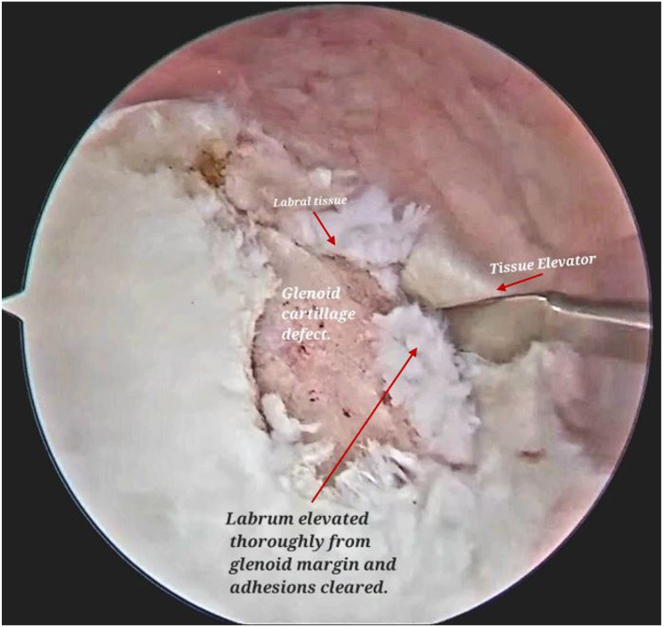 Figure 8
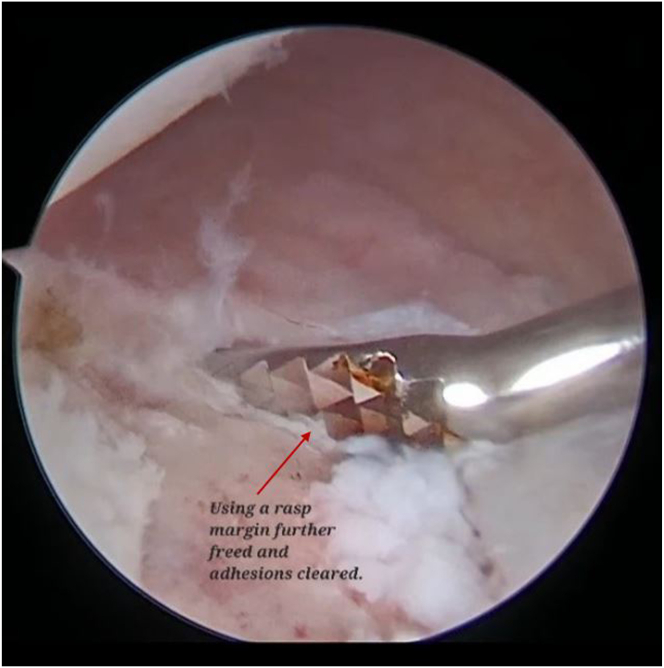 Figure 9
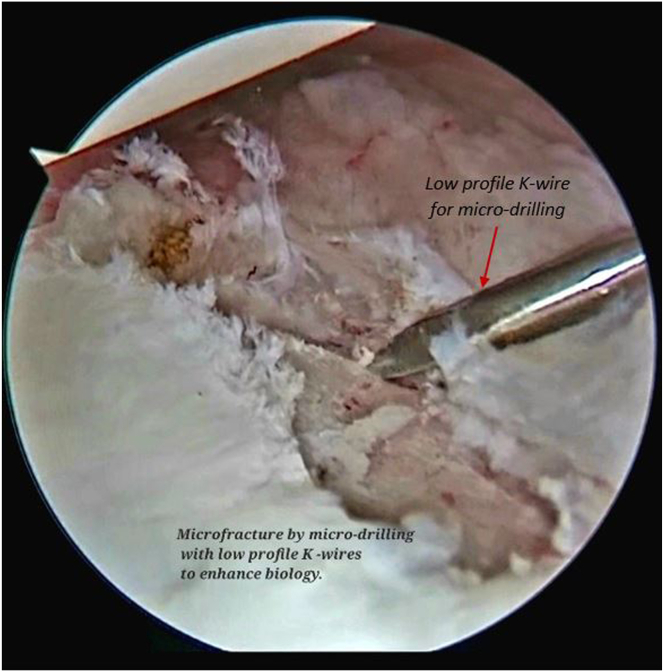 Figure 10
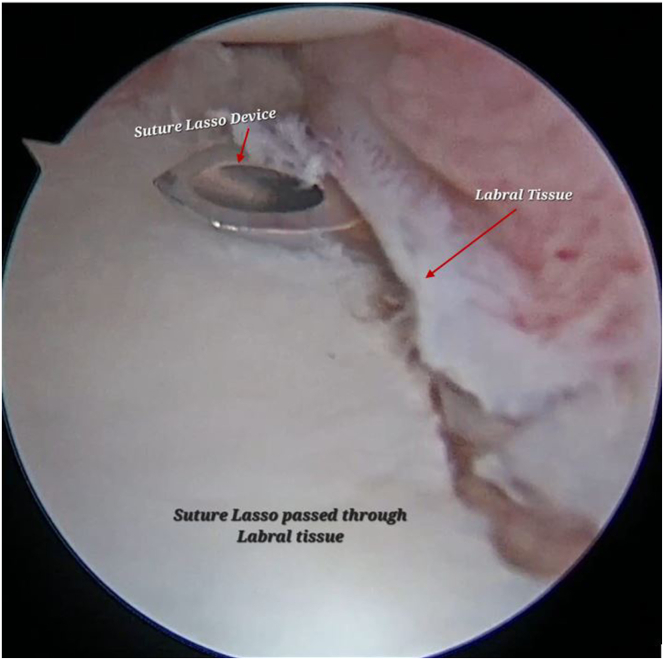 Figure 11
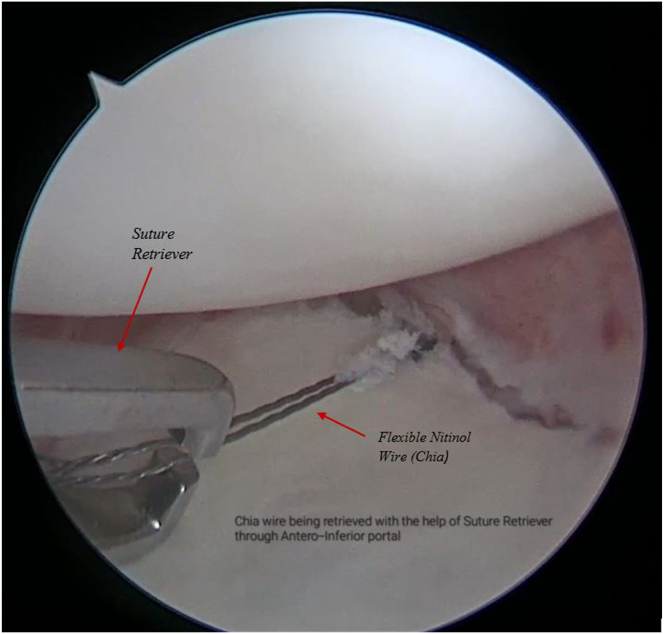 Figure 12
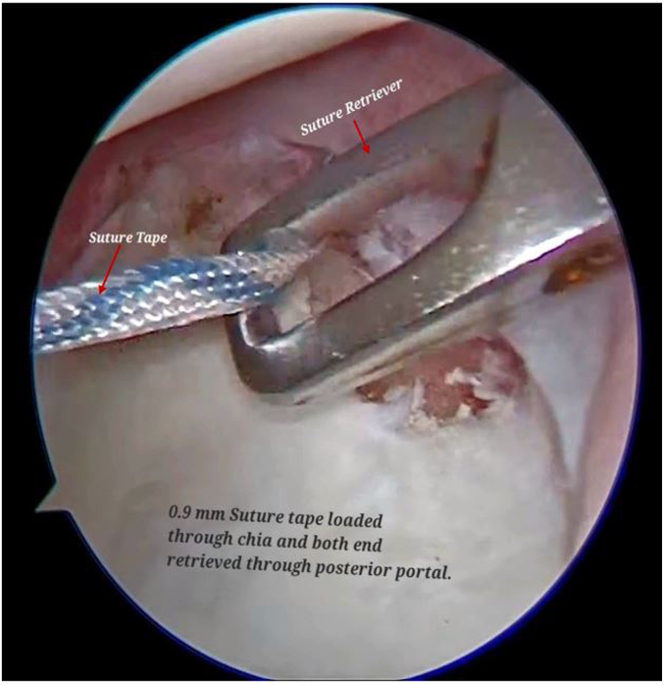 Figure 13
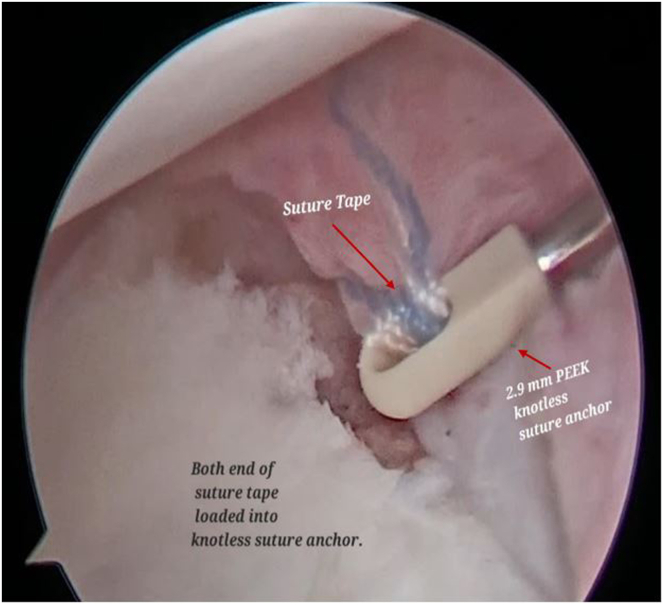 Figure 14
Peer Reviews
No public reviews on file for this paper yet. If you reviewed it on a platform where reviews are public (OpenReview, ICLR, NeurIPS, ICML), you can paste yours below so the community can read it here.
Videos
No videos yet. Explain this paper in a talk, walkthrough, or lecture? Add one.
Taxonomy
TopicsShoulder Injury and Treatment · Shoulder and Clavicle Injuries · Hip disorders and treatments