Single-agent rituximab and ultra-low-dose adaptive radiotherapy for the treatment of indolent B-cell non-Hodgkin lymphomas
Katherine E. Lake, Meredith Jackson, Samantha Hull, Sean All, Akshat M. Patel, Xingzhe Li, Neil B. Desai, Elif Yilmaz, Heather Wolfe, Mohammad Faizan Zahid, Hsiao-Ching Li, Farrukh Awan, Margaret M. Kozak, Praveen Ramakrishnan Geethakumari, Kiran A. Kumar

TL;DR
This study shows that combining rituximab with ultra-low-dose radiation therapy effectively controls indolent B-cell non-Hodgkin lymphomas with minimal side effects.
Contribution
The novel approach combines adaptive ultra-low-dose radiotherapy with rituximab for treating iNHLs, achieving high response rates and minimal toxicity.
Findings
90% overall response rate with 61% complete response in patients treated with rituximab and ULDRT.
2-year in-field and overall progression-free survival rates were 91% and 78%, respectively.
No patients experienced disease transformation or significant toxicity.
Abstract
For indolent B-cell non-Hodgkin lymphomas (iNHLs), ultra-low-dose radiation therapy (ULDRT) with 4 Gy has demonstrated durable local control (70%), although distal relapses may occur. Concurrent systemic chemotherapy with radiation therapy (RT) extends progression-free survival (PFS) but is often avoided due to toxicity. We hypothesize that the combination of adaptive ULDRT, with repeat treatment as needed, and single-agent rituximab results in excellent local and systemic control with minimal toxicity. We conducted an institutional review board (IRB)-approved retrospective review of patients with iNHLs (n=26) who were treated with both ULDRT and rituximab (four weekly doses of 375 mg/m2), either concurrently or within a short interval (median 16 days), at our institution from 2017 to 2024. Treatment response and disease control (local and distant) were measured by PET/CT. Overall…
Genes, proteins, chemicals, diseases, species, mutations and cell lines named across the full text — each resolved to its canonical identifier and authoritative record.
Click any figure to enlarge with its caption.
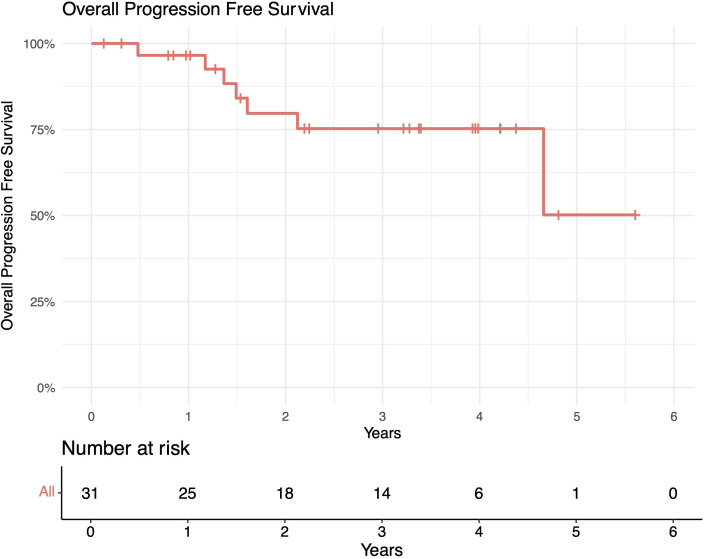 Figure 1
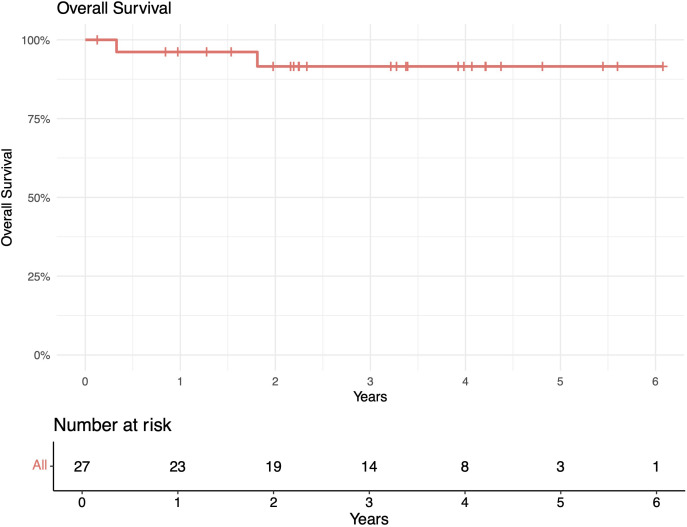 Figure 2
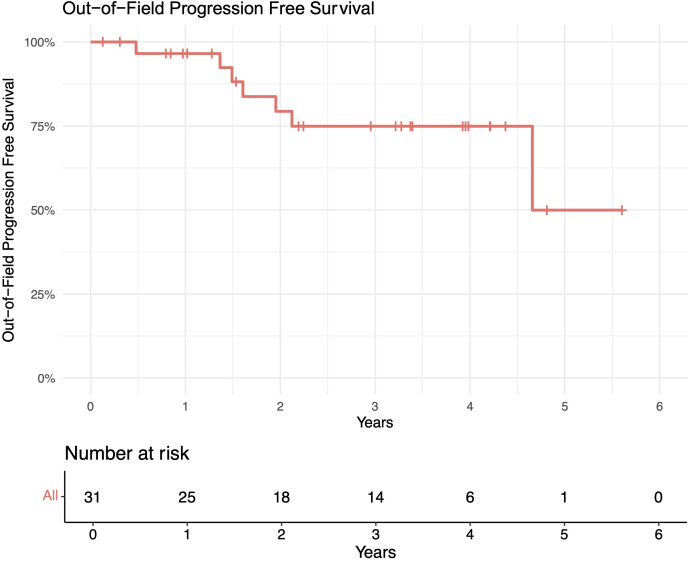 Figure 3
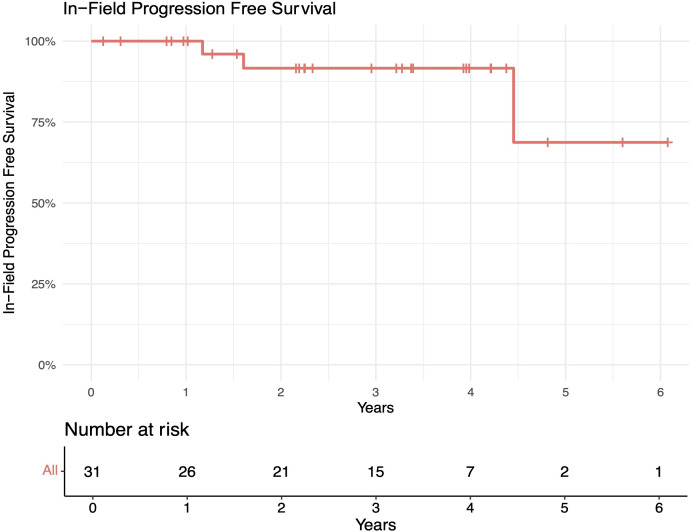 Figure 4
Peer Reviews
No public reviews on file for this paper yet. If you reviewed it on a platform where reviews are public (OpenReview, ICLR, NeurIPS, ICML), you can paste yours below so the community can read it here.
Videos
No videos yet. Explain this paper in a talk, walkthrough, or lecture? Add one.
Taxonomy
TopicsLymphoma Diagnosis and Treatment · CNS Lymphoma Diagnosis and Treatment · Sarcoma Diagnosis and Treatment