Bibliometric Analysis of Research Trends Related to the Publication of Clinical Trials on the Treatment of Temporomandibular Disorders Between 1973 and 2023
Yens Mendoza-Martiarena, Miguel Ángel Norabuena-Robles, Kilder Maynor Carranza-Samanez, Claudia Denisse Piscoche-Rodríguez

TL;DR
This paper analyzes trends in clinical trial publications on treating temporomandibular disorders from 1973 to 2023, showing growth and highlighting key contributors and therapies.
Contribution
The study provides a comprehensive bibliometric analysis of clinical trials on TMD treatments over 50 years, identifying trends and gaps in research.
Findings
There was a significant increase in clinical trial publications on TMD treatments in the last 10 years.
Conservative and minimally invasive therapies were the most commonly studied in recent years.
The USA, Brazil, and Turkey were the top contributors to TMD treatment research publications.
Abstract
Objective: To perform a bibliometric analysis of clinical trials (CTs) that evaluated the effectiveness of treatments for temporomandibular disorders (TMDs) between 1973 and 2023. Materials and methods: This bibliometric study analyzed CT on TMD treatment identified in Scopus and Web of Science (WoS) databases through a query in MeSH terms. The main characteristics analyzed were year of publication, institutions, authors, citations, and keywords. Data were retrieved on March 18, 2024. VOSviewer and CiteSpace tools were used to create bibliometric networks and other visualizations. Results: A total of 559 CTs evaluating TMD treatments were identified. A remarkable growth was observed in the last 10 years, with USA, Brazil, and Turkey being the main contributors in publications. Conservative therapies (COTs) such as physiotherapy and the use of occlusal splints, together with minimally…
Genes, proteins, chemicals, diseases, species, mutations and cell lines named across the full text — each resolved to its canonical identifier and authoritative record.
Click any figure to enlarge with its caption.
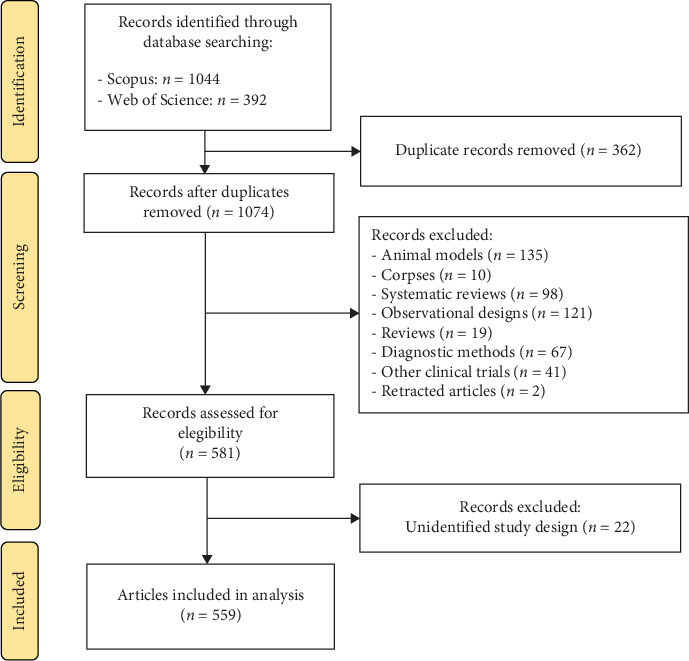 Figure 1
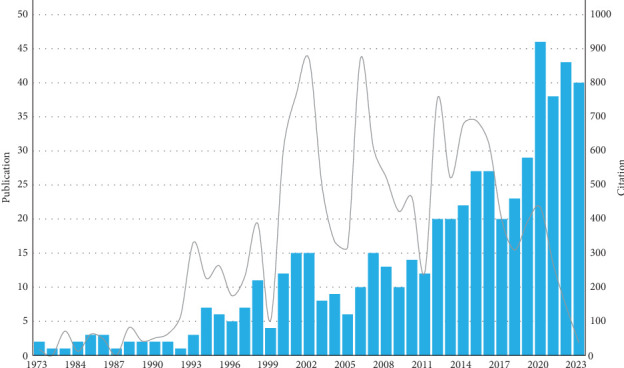 Figure 2
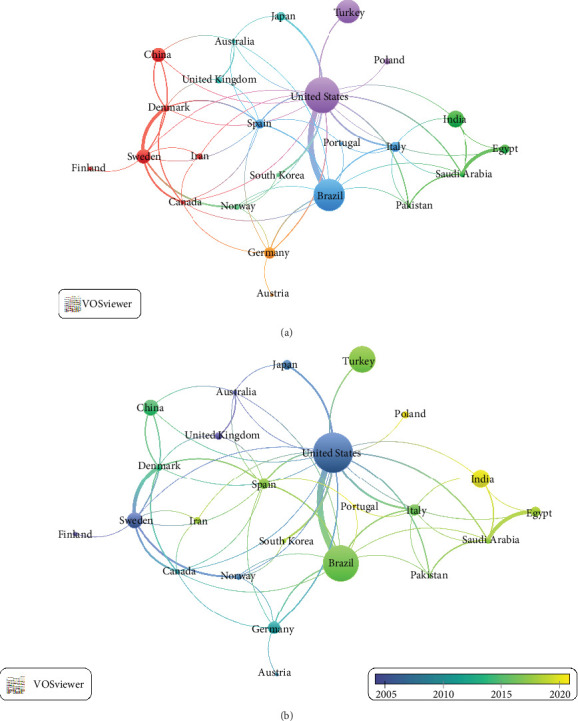 Figure 3
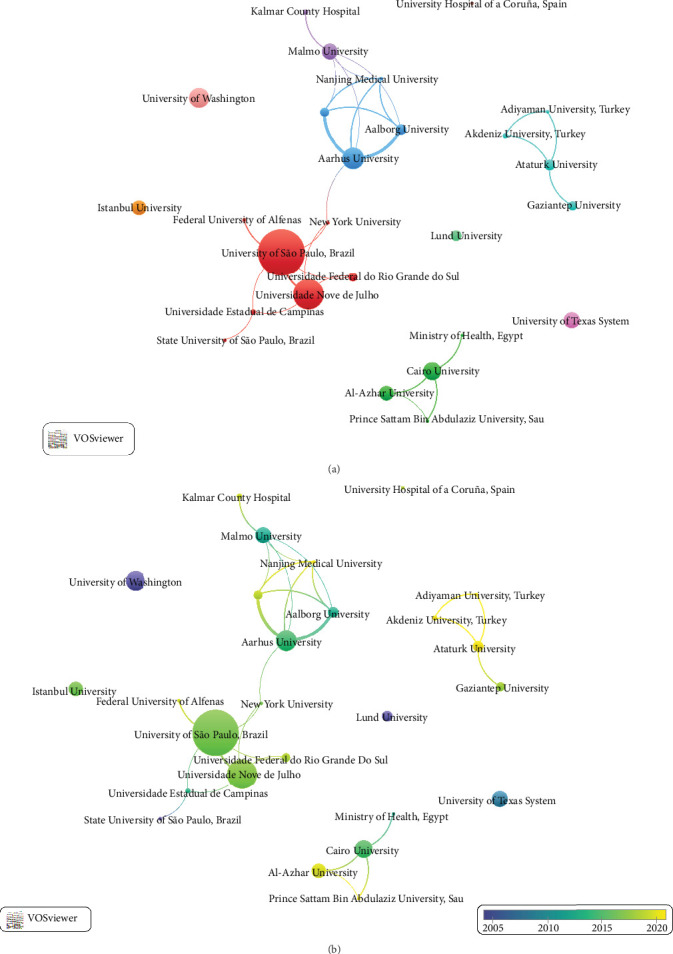 Figure 4
 Figure 5
 Figure 6
 Figure 7
Peer Reviews
No public reviews on file for this paper yet. If you reviewed it on a platform where reviews are public (OpenReview, ICLR, NeurIPS, ICML), you can paste yours below so the community can read it here.
Videos
No videos yet. Explain this paper in a talk, walkthrough, or lecture? Add one.
Taxonomy
TopicsTemporomandibular Joint Disorders · Orthodontics and Dentofacial Orthopedics · Botulinum Toxin and Related Neurological Disorders