A Phytobiotic Supersupplement From Murraya koenigii Improves Growth, Physiological Health, Skin Colour and Pattern in a Wild Ornamental Fish (Oreichthys crenuchoides) Under Captivity
Nallaperumal Siva, Gouranga Biswas, Paramita Banerjee Sawant, Sujata Sahoo, Dilip Kumar Singh, Sweta Pradhan, Prem Kumar

TL;DR
A supplement from Murraya koenigii improves growth and health in a wild ornamental fish under captivity without changing skin color but enhancing patterns.
Contribution
The study introduces a phytobiotic supplement from Murraya koenigii as a multifunctional solution for ornamental fish health and growth.
Findings
PMK improved growth performance and feed utilization efficiency in the fish.
PMK enhanced liver health and haematological profile, indicating better metabolism and immunity.
PMK increased reticulate skin patterns without altering skin color significantly.
Abstract
Ornamental fish sector is one of the fastest growing industries in the world with an estimated market value of 18–20 billion USD. Despite its global economic significance, it suffers from several issues notably, high-cost carotenoids, inadequate seed production and antimicrobial resistance (AMR). The existence of multifaceted problems needs an integrated multifunctional solution. The phytobiotics of Murraya koenigii (PMK), also called as curry leaf is known for its diverse bioactive compounds with rich flavonoids and carotenoids, and can be a silver bullet in dealing with the multidimensional issues in ornamental fish sector. The multifunctionality of the selected phytobiotics was assessed in drapefin barb, Oreichthys crenuchoides which is known for its non-chromatic nature with prominent reticulate melanin patterns. The PMK was administered orally at 0, 5, 10, 15 and 20 g/kg diet for…
Genes, proteins, chemicals, diseases, species, mutations and cell lines named across the full text — each resolved to its canonical identifier and authoritative record.
Click any figure to enlarge with its caption.
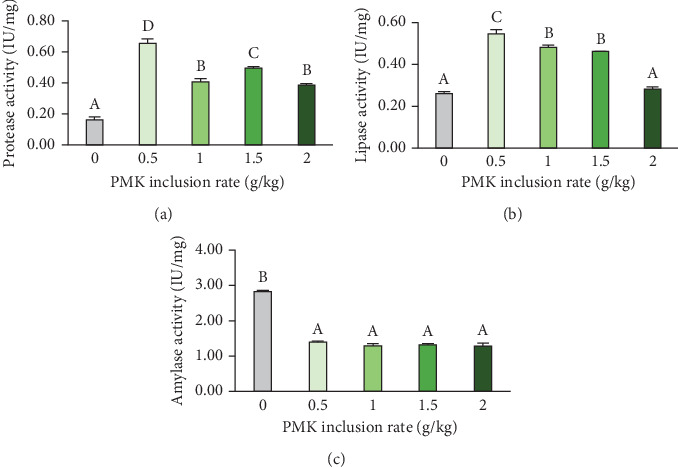 Figure 1
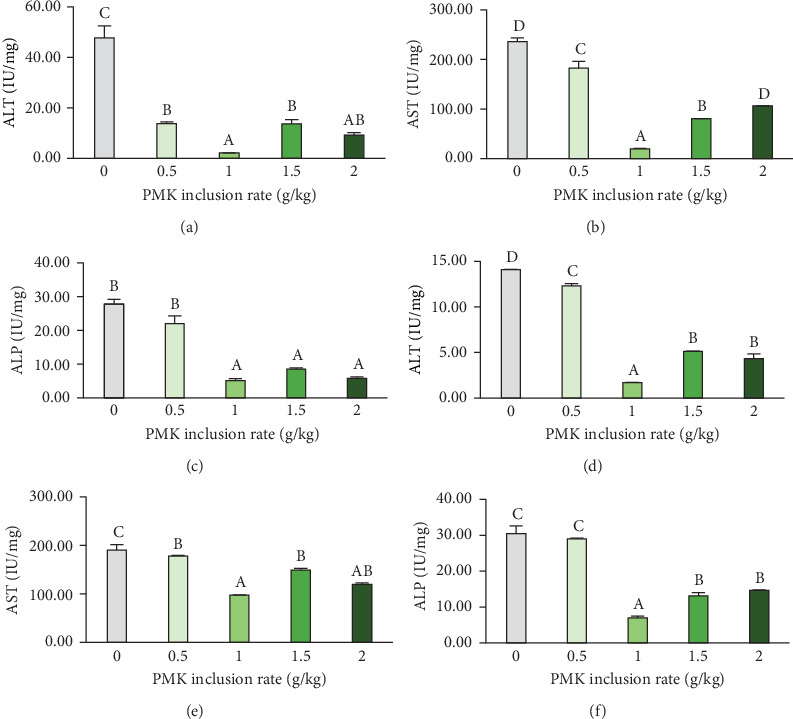 Figure 2
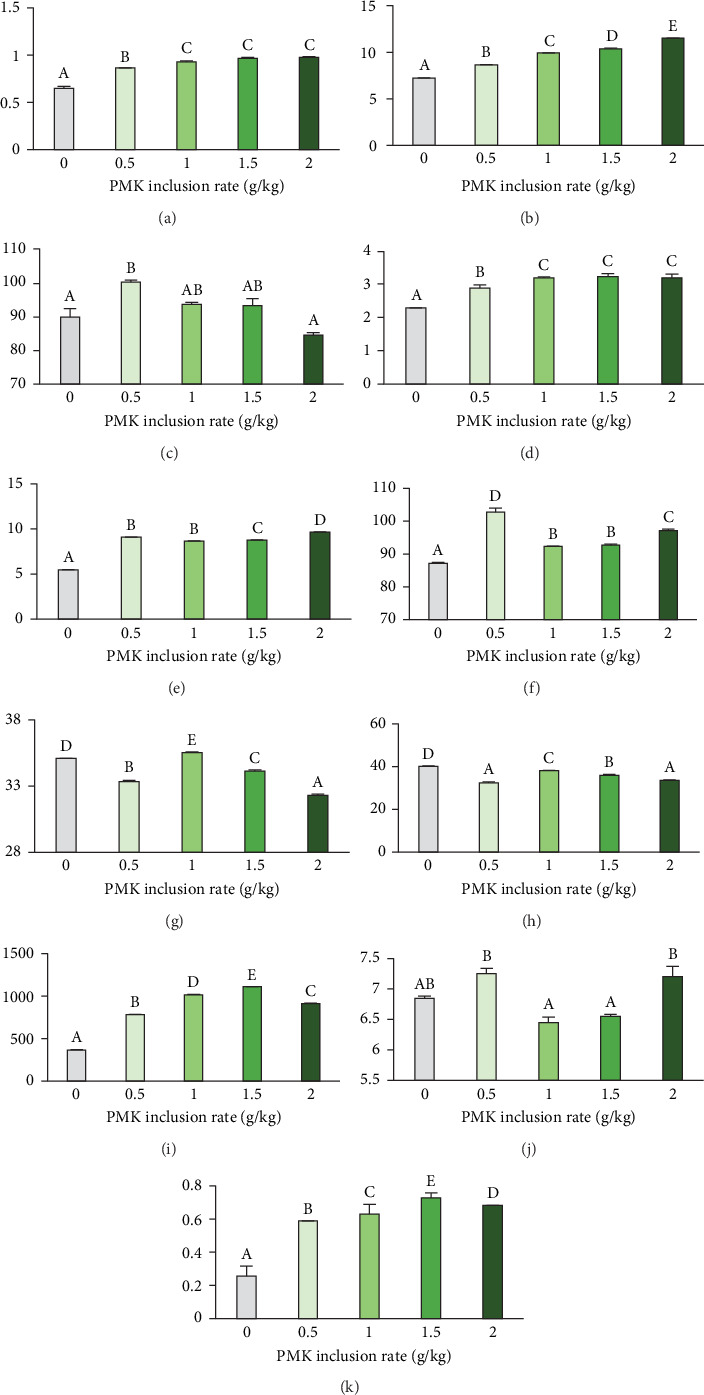 Figure 3
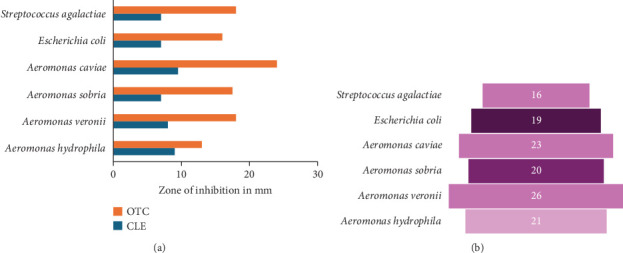 Figure 4
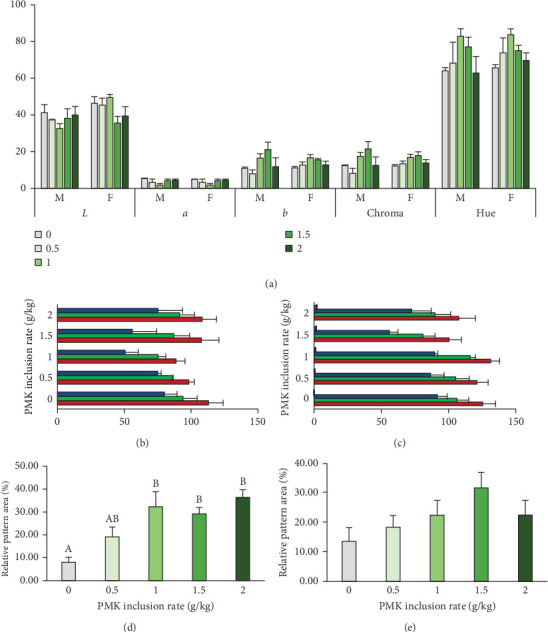 Figure 5
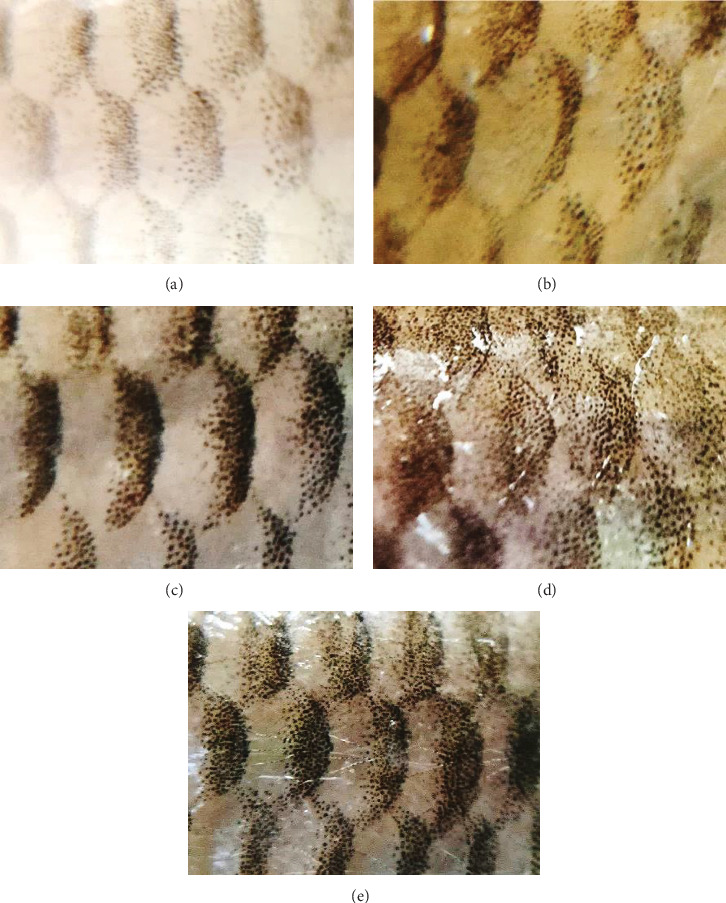 Figure 6
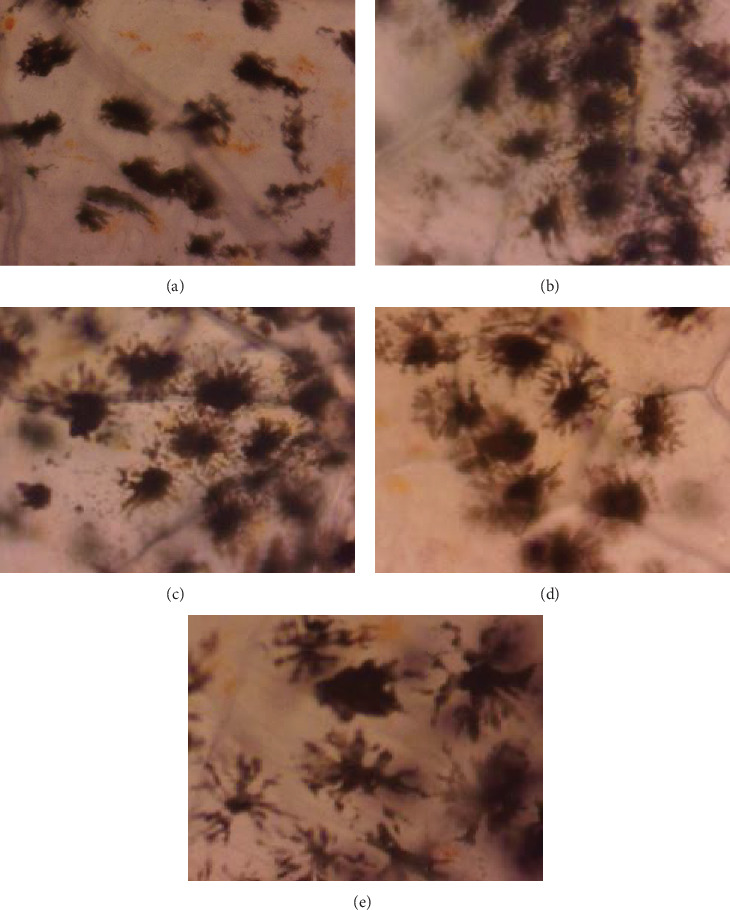 Figure 7
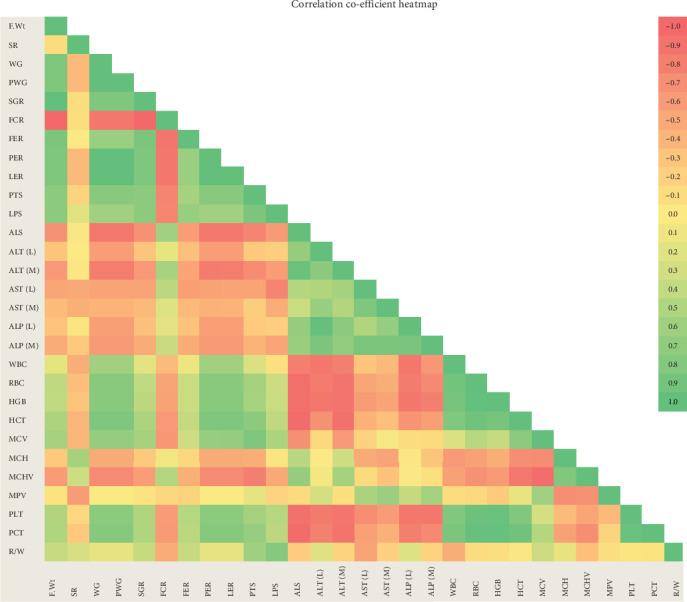 Figure 8
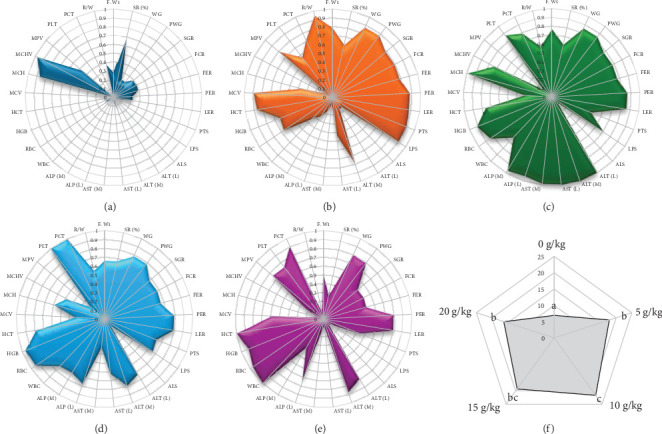 Figure 9
Peer Reviews
No public reviews on file for this paper yet. If you reviewed it on a platform where reviews are public (OpenReview, ICLR, NeurIPS, ICML), you can paste yours below so the community can read it here.
Videos
No videos yet. Explain this paper in a talk, walkthrough, or lecture? Add one.
Taxonomy
TopicsAquaculture disease management and microbiota · Essential Oils and Antimicrobial Activity · Antioxidant Activity and Oxidative Stress