Surgical Innovations in Otolaryngology: A Critical Analysis of Emerging Techniques and Technologies
Bushra Naqvi, Samreen Ameen, Syeda Wajiha Batool, Maryum Riaz, Muhammad Rizwan Umer, Aiza Ali Akbar, Amna Akbar, Batool Ali

TL;DR
This study evaluates new otolaryngology surgical techniques like TORS and 3D-printed implants, finding they improve quality of life and reduce complications but may favor healthier patients.
Contribution
The study introduces a random forest model to predict postoperative complications in otolaryngology surgeries with high accuracy.
Findings
TORS and 3D-printed implants showed higher QoL scores and lower complication rates compared to traditional methods.
The random forest model predicted complications with 86.7% accuracy and an AUC-ROC of 0.91.
Patients with fewer comorbidities and smaller tumors were more likely to receive advanced surgical techniques, indicating selection bias.
Abstract
Introduction An evaluation of new methods of surgery in otolaryngology is done with emphasis on four advanced surgical techniques: transoral robotic surgery (TORS), image-guided sinus surgery (IGSS), endoscopic skull base surgery, and 3D-printed implant-assisted procedures. The study evaluated a sample of 300 patients from Pakistan, ensuring that the evaluation was done in the light of these technologies vis-à-vis traditional ones. Objectives The aim of this study was to evaluate the impact of such surgical innovations in terms of quality of life (QoL), complication rates, follow-up compliance, and intra-operative parameters. In addition, this study aimed to identify predictors for postoperative complications, thereby profiling potential selection biases for using these advanced techniques in surgical interventions. Methodology A retrospective cohort analysis of 300 patients was…
Genes, proteins, chemicals, diseases, species, mutations and cell lines named across the full text — each resolved to its canonical identifier and authoritative record.
Click any figure to enlarge with its caption.
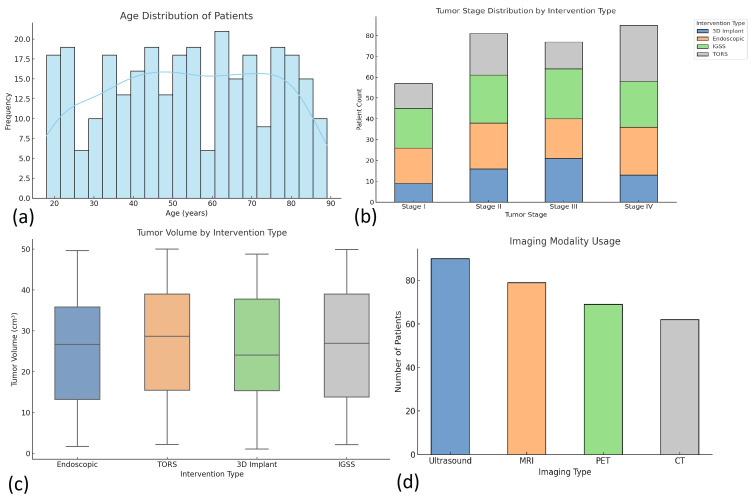 Figure 1
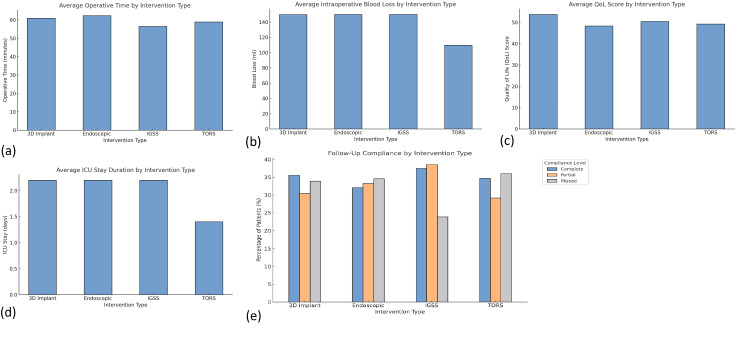 Figure 2
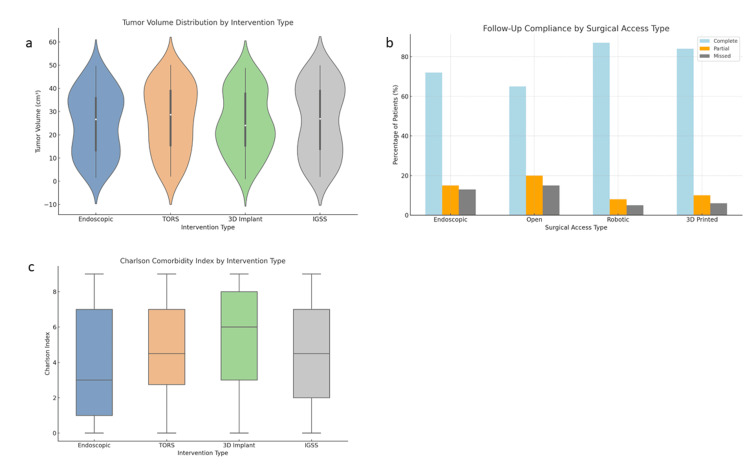 Figure 3
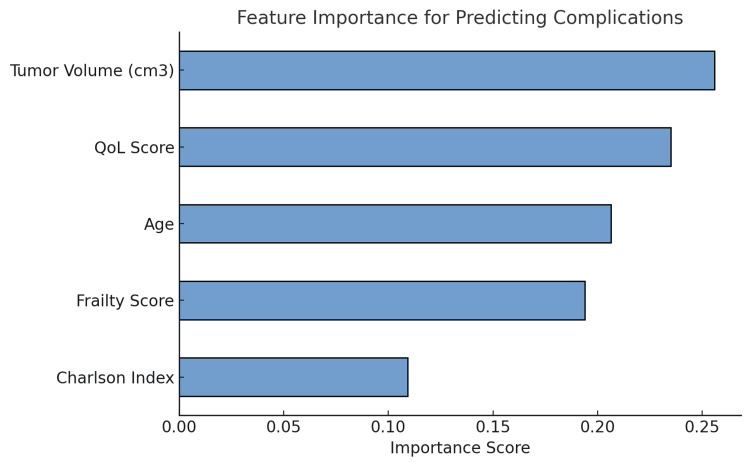 Figure 4
Peer Reviews
No public reviews on file for this paper yet. If you reviewed it on a platform where reviews are public (OpenReview, ICLR, NeurIPS, ICML), you can paste yours below so the community can read it here.
Videos
No videos yet. Explain this paper in a talk, walkthrough, or lecture? Add one.
Taxonomy
TopicsTracheal and airway disorders · Nasal Surgery and Airway Studies · Surgical Simulation and Training