Synthesis, Characterization, HSA/DNA Binding, and Cytotoxic Activity of [RuCl2(η6-p-cymene)(bph-κN)] Complex
Stefan Perendija, Dušan Dimić, Thomas Eichhorn, Aleksandra Rakić, Luciano Saso, Đura Nakarada, Dragoslava Đikić, Teodora Dragojević, Jasmina Dimitrić Marković, Goran N. Kaluđerović

TL;DR
A new ruthenium complex was created and tested for its ability to bind to proteins and DNA, showing potential as an anticancer drug.
Contribution
The study introduces a novel ruthenium complex with demonstrated DNA binding and selective cytotoxicity against cancer cells.
Findings
The complex binds to HSA and DNA via hydrophobic interactions and intercalation.
It shows selective cytotoxicity against pancreatic and colorectal cancer cells.
Antioxidant activity was observed with effective radical scavenging.
Abstract
A novel ruthenium(II) complex, [RuCl2(η6-p-cymene)(bph-κN)] (1), was synthesized and structurally characterized using FTIR and NMR spectroscopy. Density functional theory (DFT) calculations supported the proposed geometry and allowed for comparative analysis of experimental and theoretical spectroscopic data. The interaction of complex 1 with human serum albumin (HSA) and calf thymus DNA was investigated through fluorescence quenching experiments, revealing spontaneous binding driven primarily by hydrophobic interactions. The thermodynamic parameters indicated mixed quenching mechanisms in both protein and DNA systems. Ethidium bromide displacement assays and molecular docking simulations confirmed DNA intercalation as the dominant binding mode, with a Gibbs free binding energy of −34.1 kJ mol−1. Antioxidant activity, assessed by EPR spectroscopy, demonstrated effective scavenging of…
Genes, proteins, chemicals, diseases, species, mutations and cell lines named across the full text — each resolved to its canonical identifier and authoritative record.
Click any figure to enlarge with its caption.
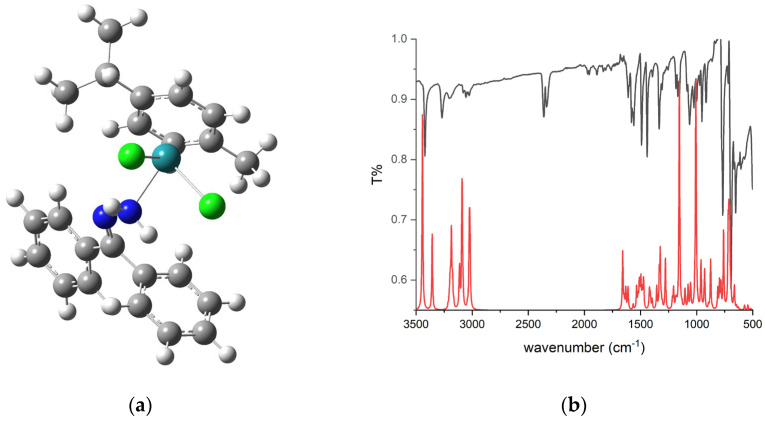 Figure 1
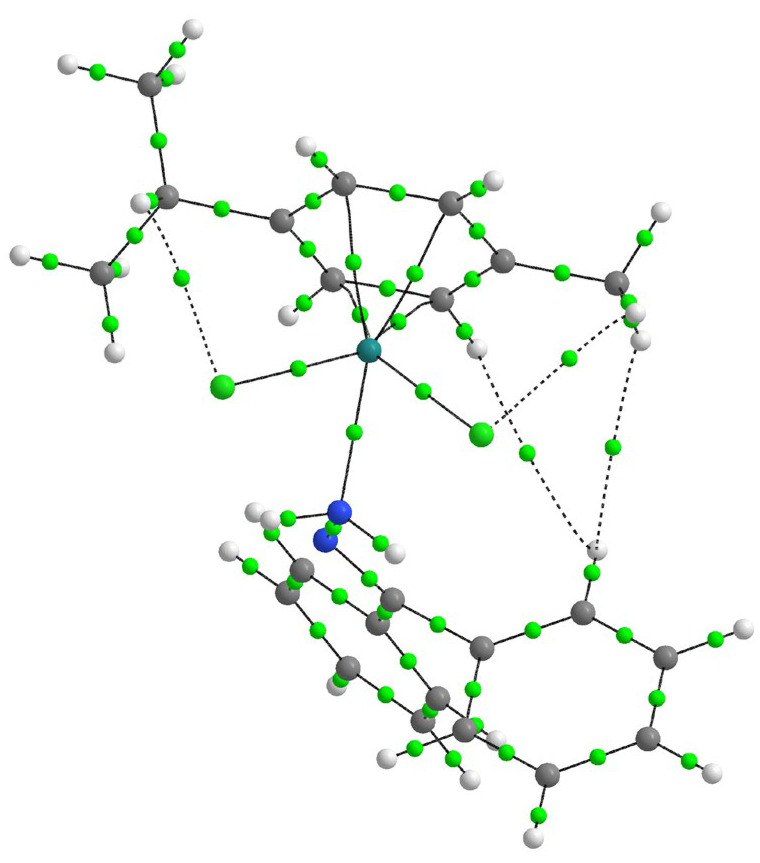 Figure 2
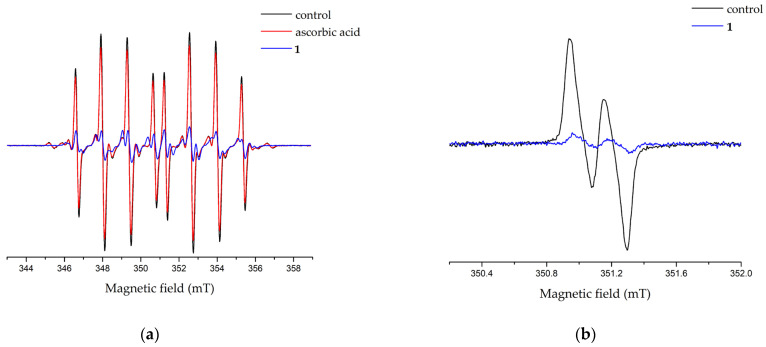 Figure 3
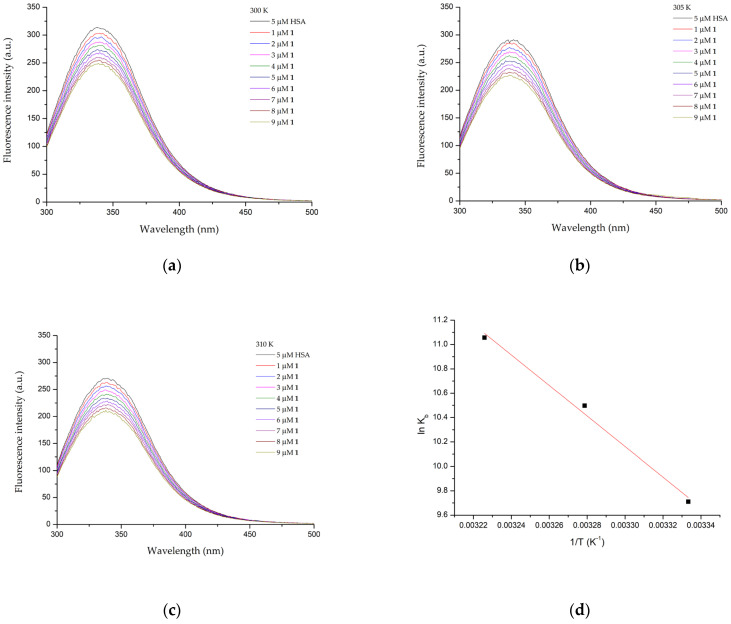 Figure 4
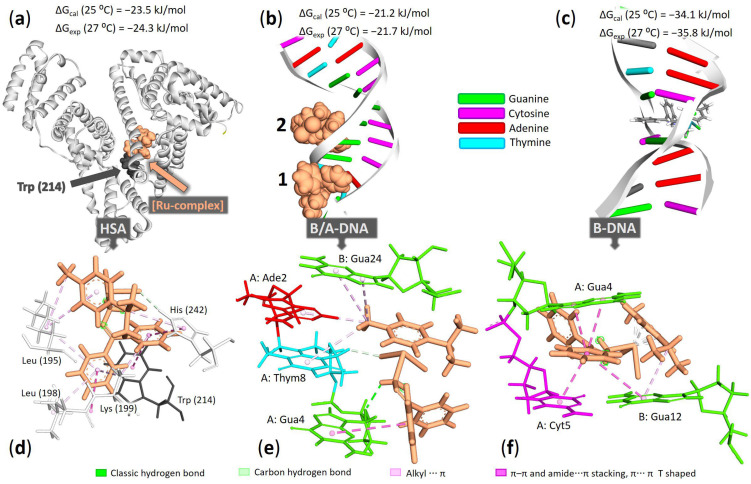 Figure 5
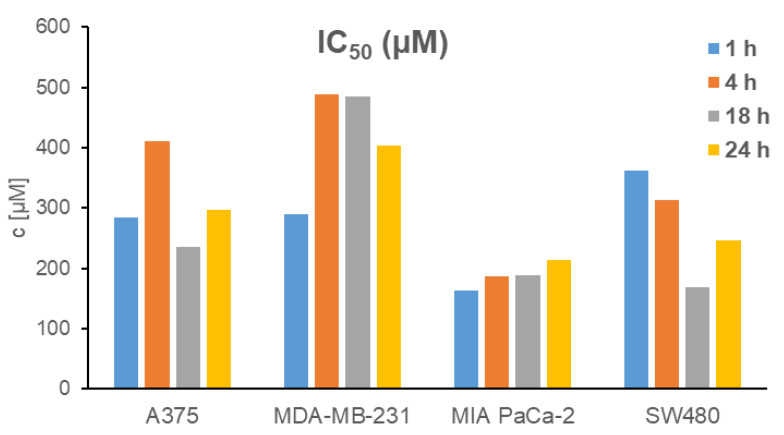 Figure 6
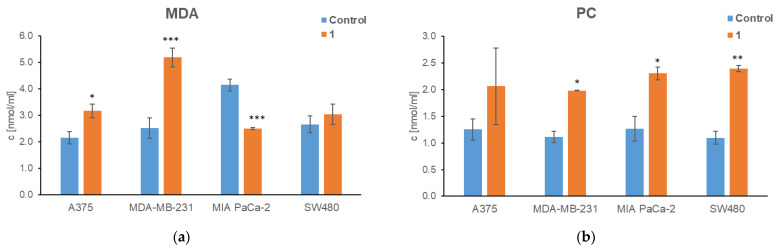 Figure 7
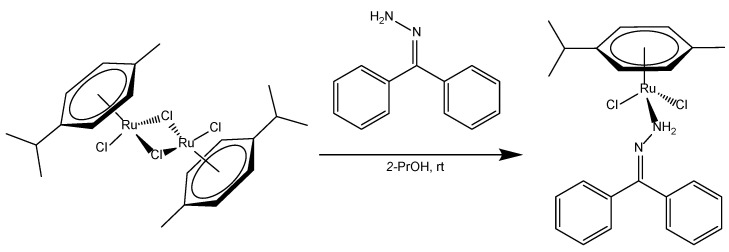 Figure 8
Peer Reviews
No public reviews on file for this paper yet. If you reviewed it on a platform where reviews are public (OpenReview, ICLR, NeurIPS, ICML), you can paste yours below so the community can read it here.
Videos
No videos yet. Explain this paper in a talk, walkthrough, or lecture? Add one.
Taxonomy
TopicsProtein Interaction Studies and Fluorescence Analysis · Metal complexes synthesis and properties · Lanthanide and Transition Metal Complexes