Efficient Tetracycline Hydrochloride Degradation by Urchin-Like Structured MoS2@CoFe2O4 Derived from Steel Pickling Sludge via Peroxymonosulfate Activation
Jin Qi, Kai Zhu, Ming Li, Yucan Liu, Pingzhou Duan, Lihua Huang

TL;DR
A catalyst made from steel pickling sludge efficiently degrades tetracycline hydrochloride using peroxymonosulfate activation.
Contribution
A cost-effective method to convert steel pickling sludge into a high-performance Fe-based catalyst for tetracycline hydrochloride degradation.
Findings
The MoS2@CoFe2O4 catalyst achieved 81% tetracycline hydrochloride degradation within 30 minutes.
SO4∙− was identified as the primary oxidative species in the degradation process.
The catalyst showed high stability and reusability across multiple cycles.
Abstract
Steel pickling sludge serves as a valuable iron source for synthesizing Fe-based catalysts in heterogeneous advanced oxidation processes (AOPs). Here, MoS2@CoFe2O4 catalyst derived from steel pickling sludge was prepared via a facile solvothermal approach and utilized to activate peroxymonosulfate (PMS) for tetracycline hydrochloride (TCH) degradation. Comprehensive characterization using scanning electron microscopy (SEM)-energy dispersive spectrometer (EDS), X-ray photoelectron spectroscopy (XPS), and X-ray diffraction (XRD) confirmed the supported microstructure, composition, and crystalline structure of the catalyst. Key operational parameters—including catalyst dosage, PMS concentration, and initial solution pH—were systematically optimized, achieving 81% degradation efficiency within 30 min. Quenching experiments and electron paramagnetic resonance (EPR) analysis revealed SO4∙− as…
Genes, proteins, chemicals, diseases, species, mutations and cell lines named across the full text — each resolved to its canonical identifier and authoritative record.
Click any figure to enlarge with its caption.
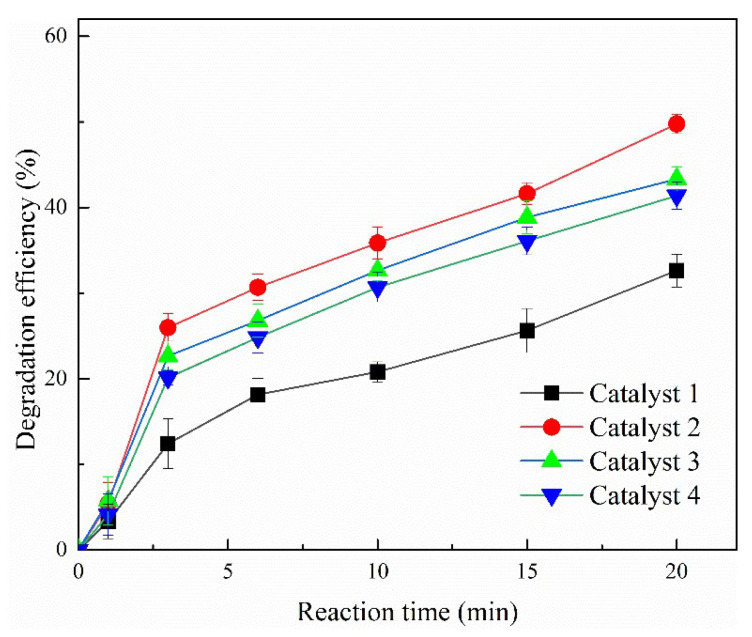 Figure 1
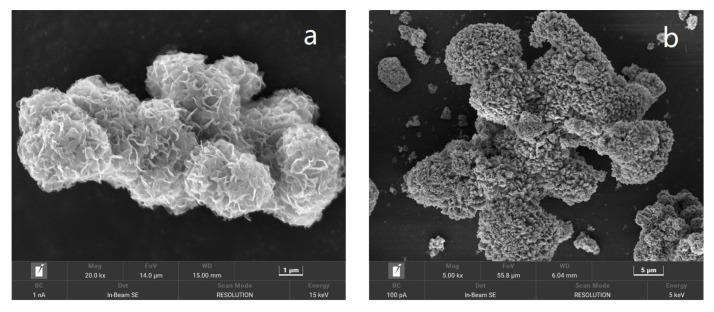 Figure 2
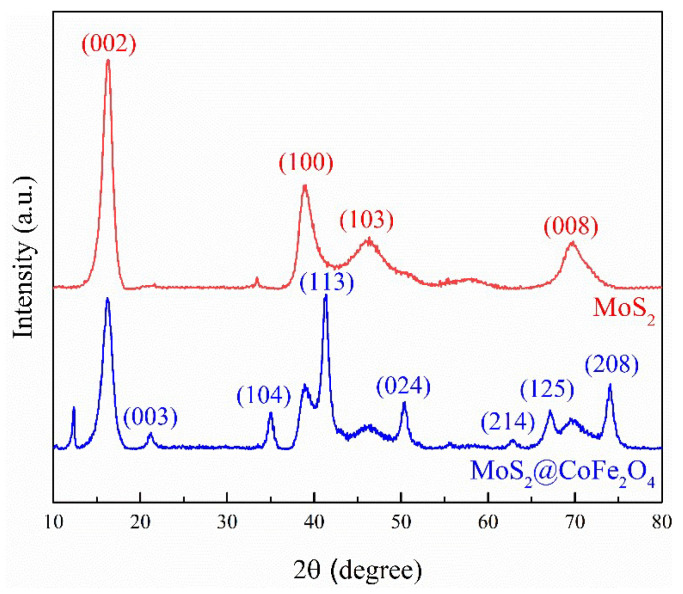 Figure 3
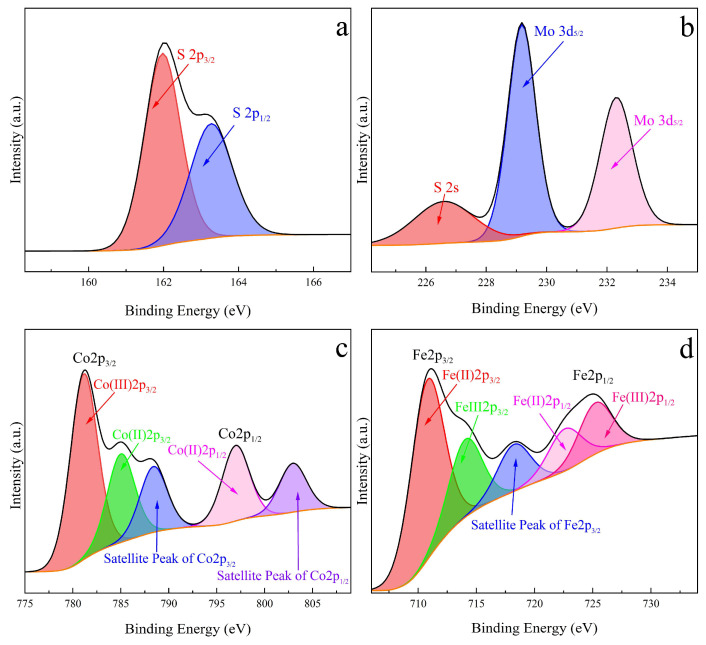 Figure 4
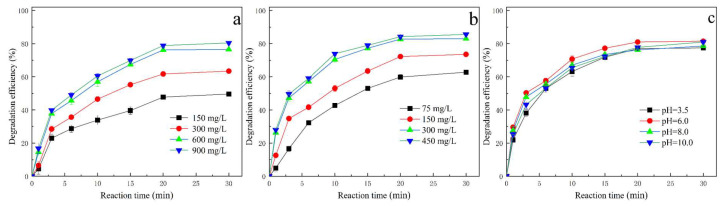 Figure 5
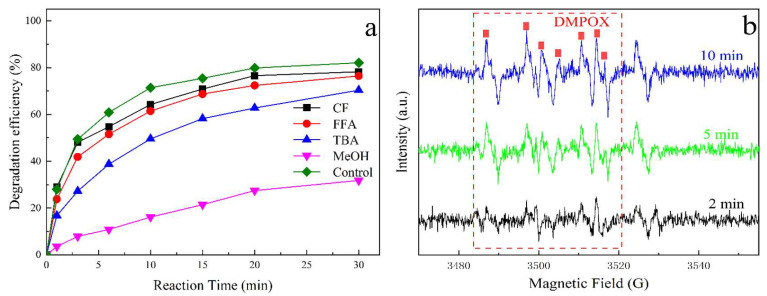 Figure 6
 Figure 7
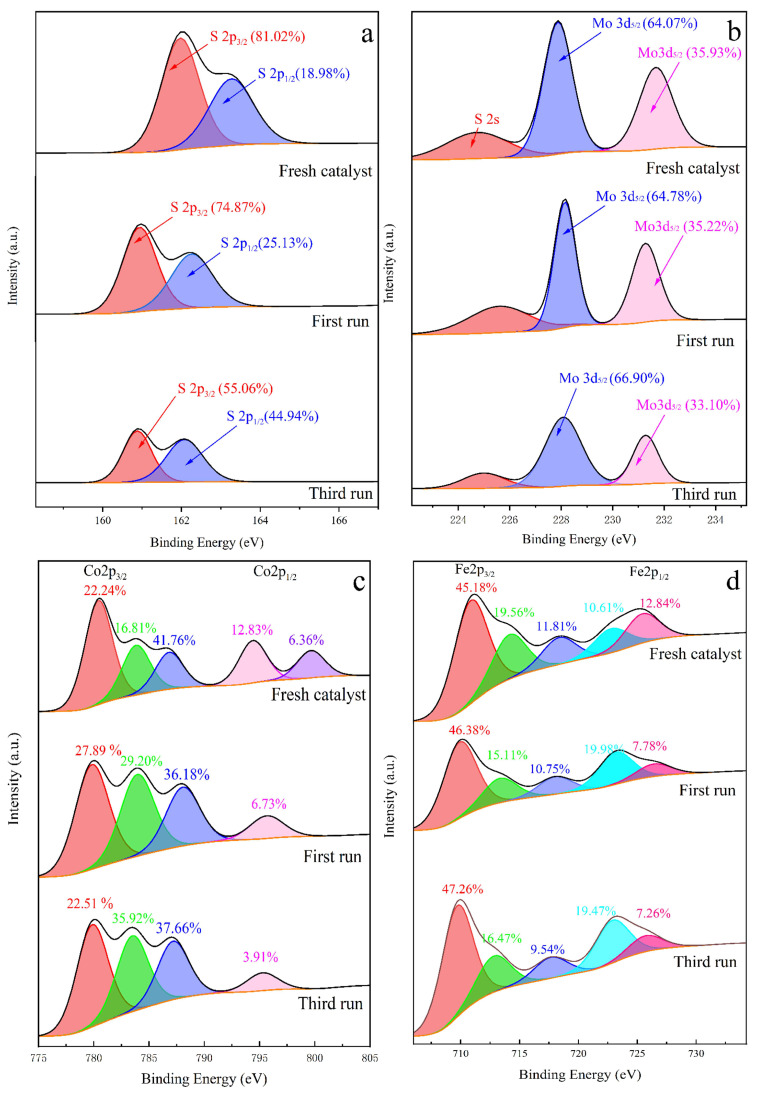 Figure 8
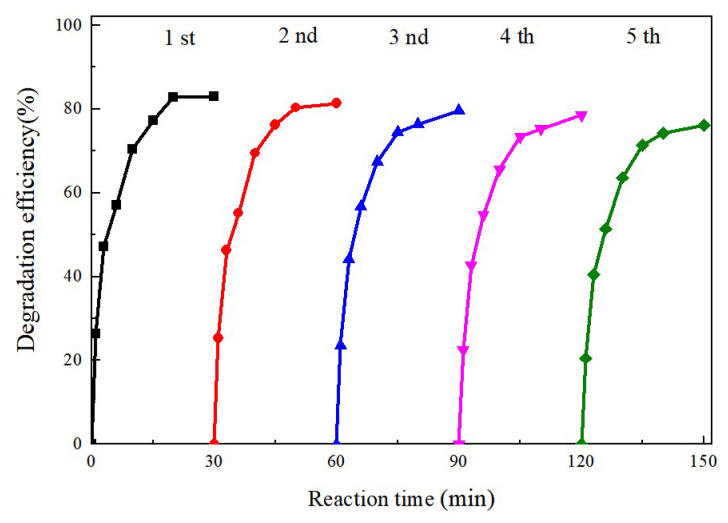 Figure 9
Peer Reviews
No public reviews on file for this paper yet. If you reviewed it on a platform where reviews are public (OpenReview, ICLR, NeurIPS, ICML), you can paste yours below so the community can read it here.
Videos
No videos yet. Explain this paper in a talk, walkthrough, or lecture? Add one.
Taxonomy
TopicsAdvanced oxidation water treatment · Environmental remediation with nanomaterials · Advanced Photocatalysis Techniques