Dietary Intake of a Milk Sphingolipid-Rich MFGM/EV Concentrate Ameliorates Age-Related Metabolic Dysfunction
Richard R. Sprenger, Kat F. Kiilerich, Mikael Palner, Arsênio Rodrigues Oliveira, Mikaël Croyal, Marie S. Ostenfeld, Ann Bjørnshave, Gitte M. Knudsen, Christer S. Ejsing

TL;DR
A milk-based supplement rich in sphingolipids improves metabolic health in elderly rats, suggesting potential benefits for aging humans.
Contribution
Demonstrates that MFGM/EV supplementation reduces age-related metabolic dysfunction through lipidomic and functional improvements.
Findings
MFGM/EV supplementation increases unique sphingolipid signatures and reduces harmful ceramide biomarkers.
The supplement lowers triglyceride-rich lipoprotein particles and improves liver metabolism.
Lipidomic flux analysis reveals a general lipid-lowering effect and enhanced metabolic health.
Abstract
Background/Objectives: Nutraceuticals containing milk fat globule membranes (MFGMs) and extracellular vesicles (EVs) are purported to abate age-related metabolic dysfunction due to their richness in milk sphingolipids. As such, nutraceuticals offer a compelling strategy to improve metabolic health through dietary means, especially for elderly persons who are unable to adhere to common therapeutic interventions. To address this, we examined the effects of supplementing aged sedentary rats with an MFGM/EV-rich concentrate. Methods/Results: In a 25-week study, 89-week-old male rats received either a milk sphingolipid-rich MFGM/EV concentrate or a control supplement. Analysis of metabolic health using a battery of tests, including MSALL lipidomics of plasma, liver, and other peripheral tissues, revealed that MFGM/EV supplementation promotes accretion of unique sphingolipid signatures,…
Genes, proteins, chemicals, diseases, species, mutations and cell lines named across the full text — each resolved to its canonical identifier and authoritative record.
Click any figure to enlarge with its caption.
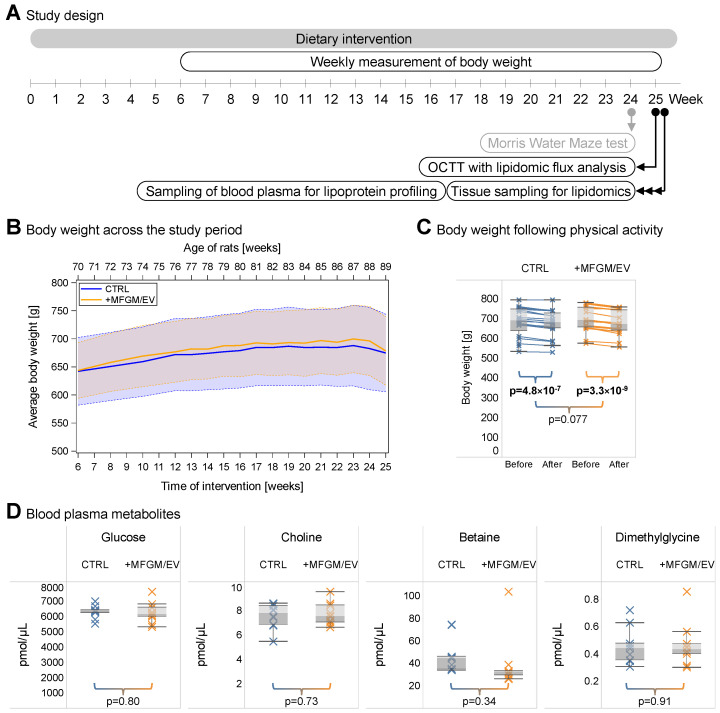 Figure 1
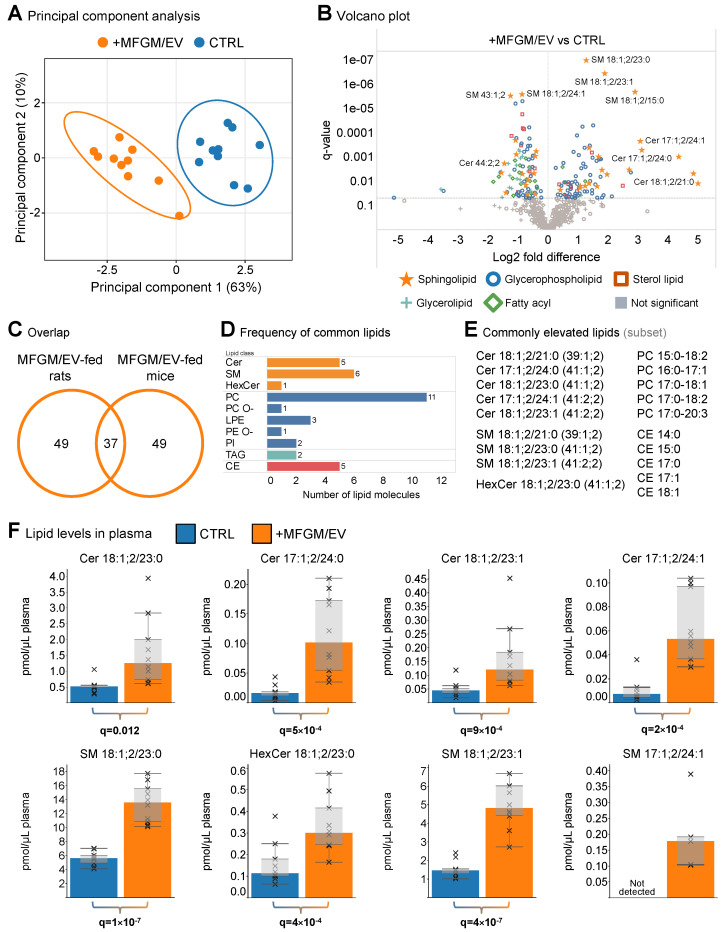 Figure 2
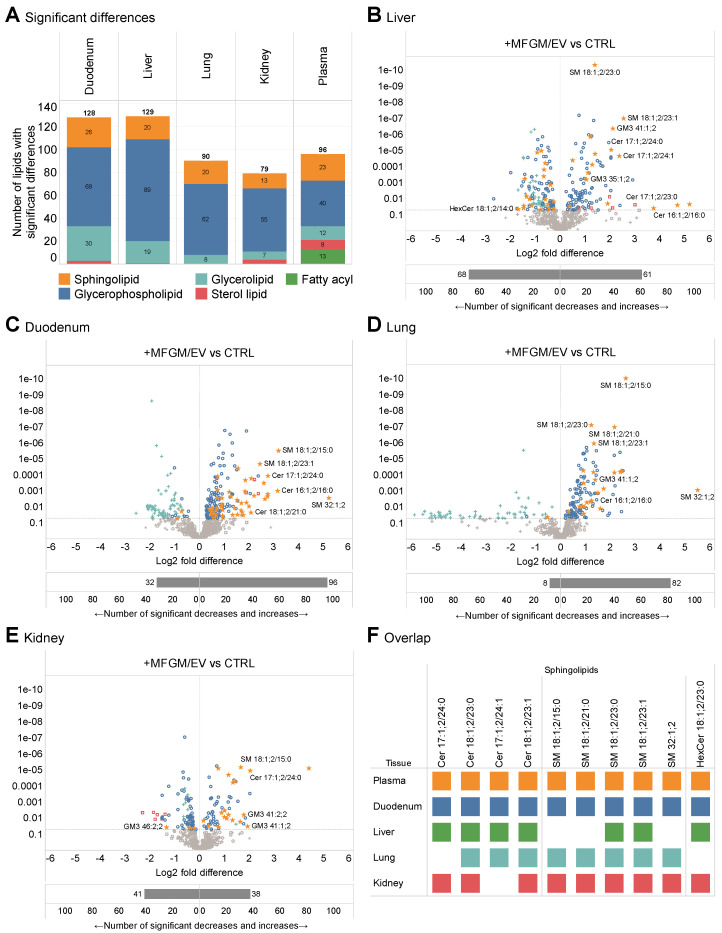 Figure 3
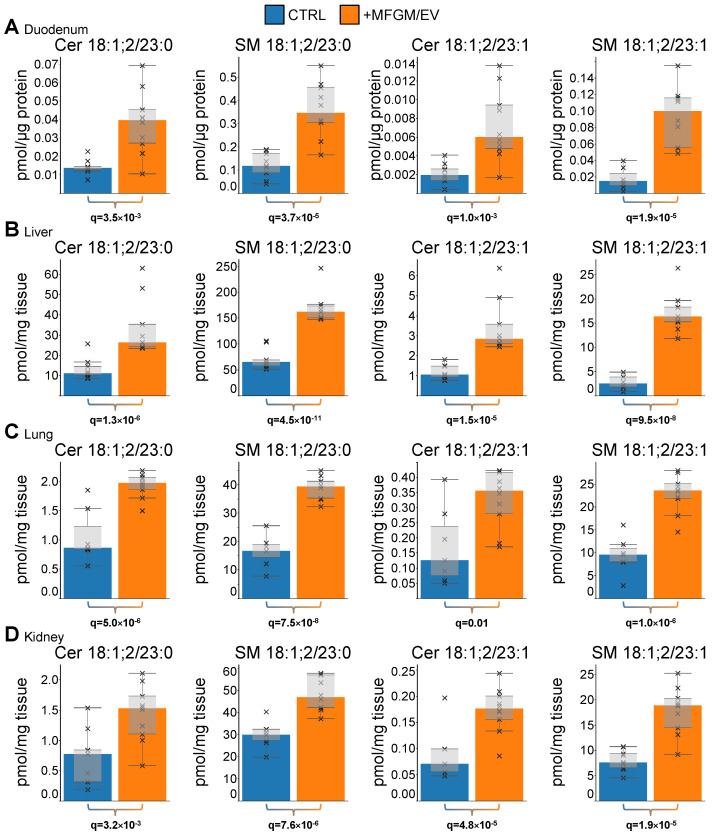 Figure 4
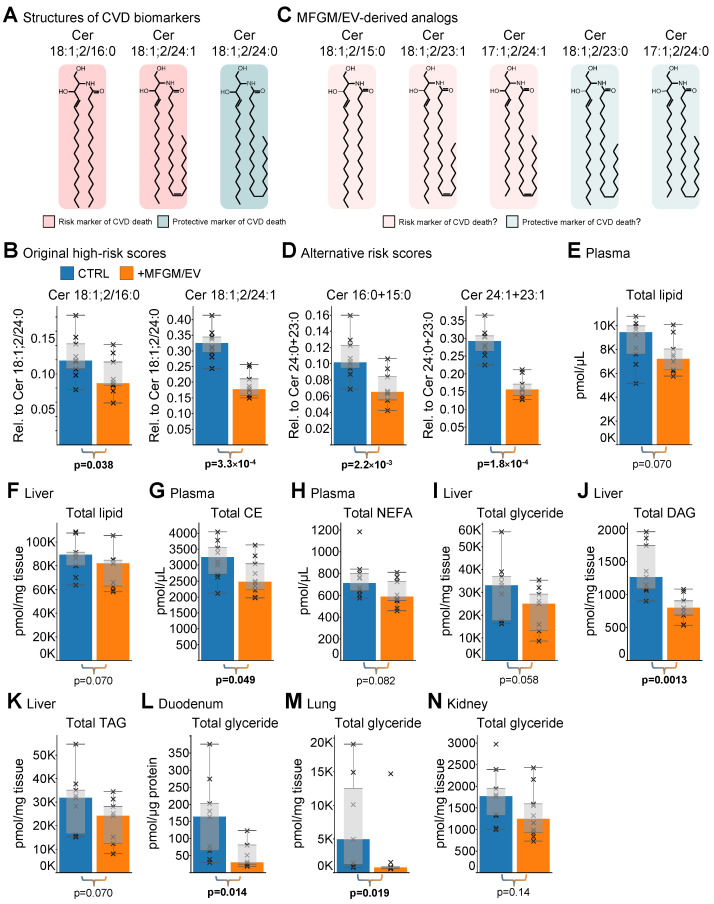 Figure 5
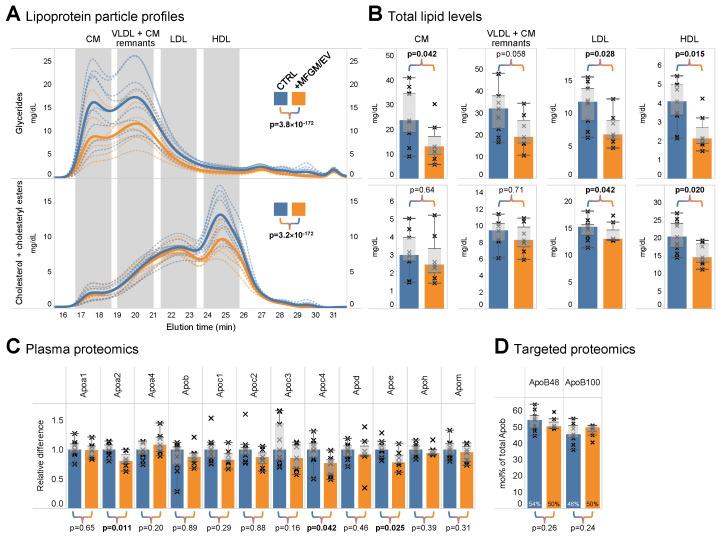 Figure 6
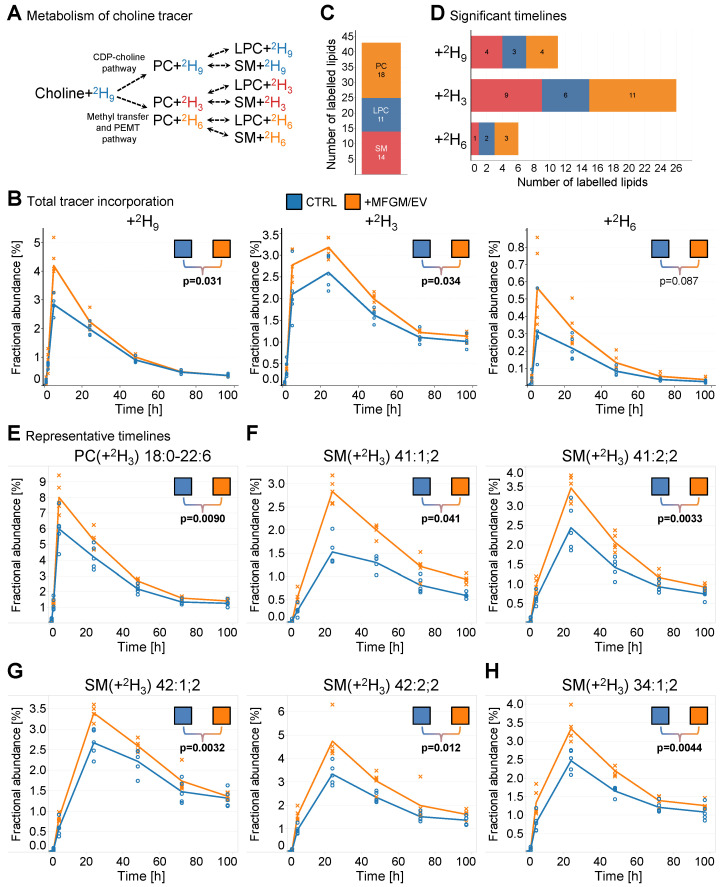 Figure 7
Peer Reviews
No public reviews on file for this paper yet. If you reviewed it on a platform where reviews are public (OpenReview, ICLR, NeurIPS, ICML), you can paste yours below so the community can read it here.
Videos
No videos yet. Explain this paper in a talk, walkthrough, or lecture? Add one.
Taxonomy
TopicsSphingolipid Metabolism and Signaling · Endoplasmic Reticulum Stress and Disease · Lipid Membrane Structure and Behavior