Effect of pH on the Efficiency of Pyrogallol, Gallic Acid, and Alkyl Gallates in Trapping Methylglyoxal
Haria Hadjipakkou, Eftychia Pinakoulaki

TL;DR
This study shows how pH affects how well certain compounds trap methylglyoxal, a harmful chemical linked to diseases like diabetes.
Contribution
The study reveals that pH significantly influences the efficiency of phenolic compounds in trapping methylglyoxal, with pH-dependent reaction pathways.
Findings
Pyrogallol was the most efficient MGO-trapping agent, followed by gallic acid, while alkyl gallates were less efficient.
Higher pH increased MGO-trapping efficiency, with reaction products varying between mono- and di-MGO adducts depending on pH.
LC-MS analysis identified pH-dependent formation of MGO adducts with pyrogallol.
Abstract
Methylglyoxal (MGO) is a highly reactive a-dicarbonyl compound produced in foods and endogenously in humans and constitutes a predominant precursor of advanced glycation end products that contribute to the pathology of several diseases, including diabetes and neurodegenerative diseases. In this study, the efficiency of pyrogallol, gallic acid, ethyl, and propyl gallate in trapping MGO was investigated at pH 6.5 to 8.0. Pyrogallol was the most efficient MGO-trapping agent, followed by gallic acid, whereas the alkyl gallates were notably less efficient, particularly at slightly acidic and neutral pH. The increase of pH from slightly acidic to alkaline enhanced the MGO-trapping efficiency of all compounds, albeit to a different extent that correlated inversely to the pKa of the most acidic -OH phenolic group, demonstrating the contribution of the deprotonated forms of the phenolic…
Genes, proteins, chemicals, diseases, species, mutations and cell lines named across the full text — each resolved to its canonical identifier and authoritative record.
Click any figure to enlarge with its caption.
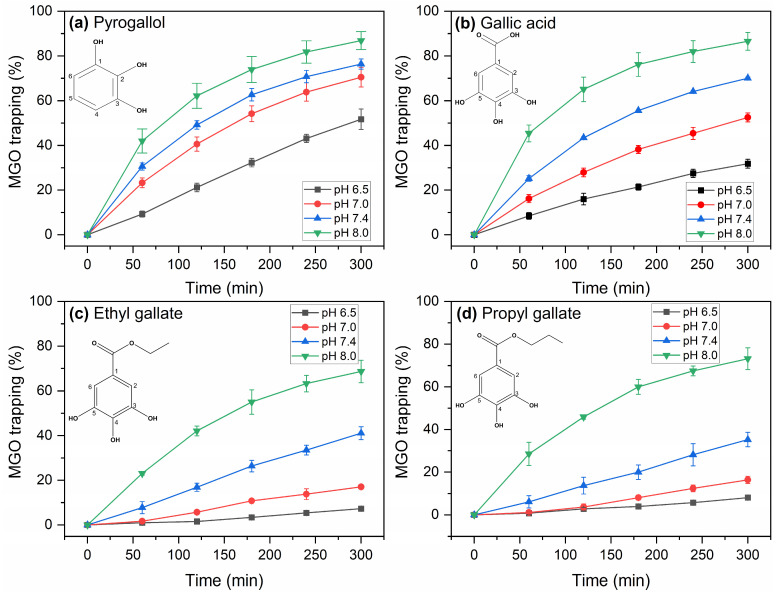 Figure 1
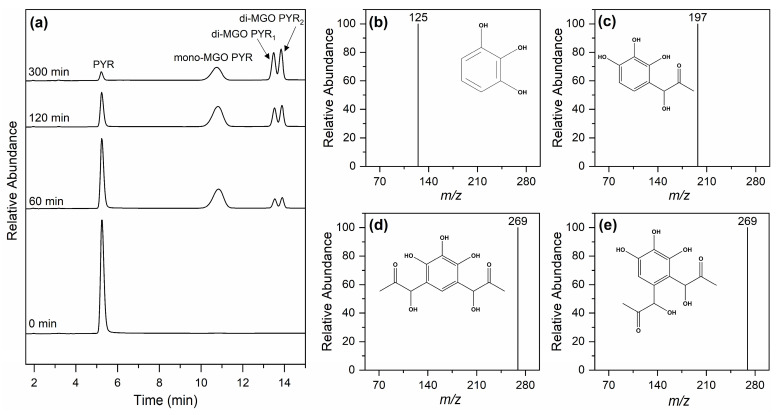 Figure 2
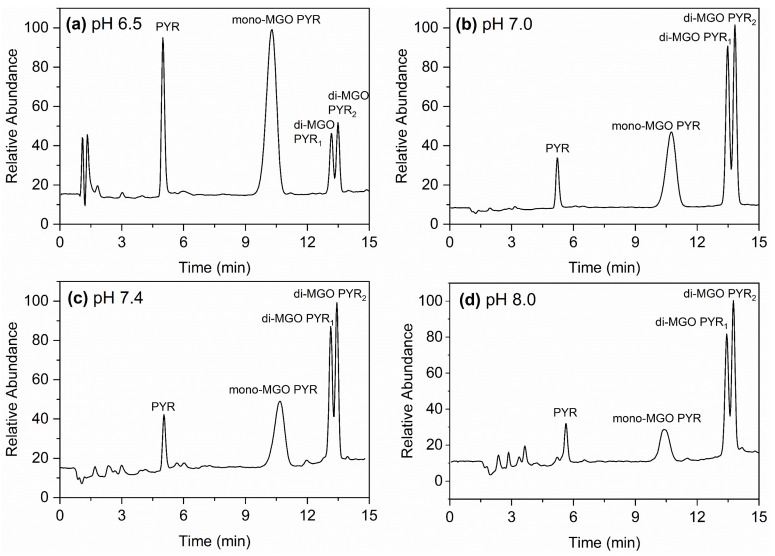 Figure 3
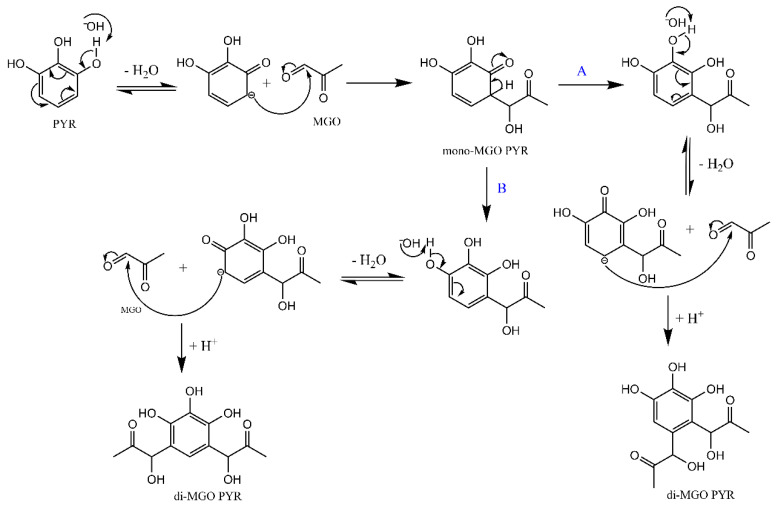 Figure 4
Peer Reviews
No public reviews on file for this paper yet. If you reviewed it on a platform where reviews are public (OpenReview, ICLR, NeurIPS, ICML), you can paste yours below so the community can read it here.
Videos
No videos yet. Explain this paper in a talk, walkthrough, or lecture? Add one.
Taxonomy
TopicsAdvanced Glycation End Products research · Phytochemicals and Antioxidant Activities · Tannin, Tannase and Anticancer Activities