Uniaxial Mechanical Behavior and Constitutive Modeling of Early-Age Steel Fiber-Reinforced Concrete Under Variable-Temperature Curing Conditions
Yongkang Xu, Quanmin Xie, Hui Zhou, Yongsheng Jia, Zhibin Zheng, Chong Pan

TL;DR
This study examines how curing temperature affects early-age steel fiber-reinforced concrete's mechanical properties and damage mechanisms.
Contribution
A Weibull-based constitutive model and fractal crack analysis are introduced to explain temperature effects on concrete behavior.
Findings
Concrete shows optimal mechanical property development under ambient temperature conditions.
Elastic modulus increased by 33.85% in room-temperature groups but decreased by 26.75% in varying-temperature groups.
Fractal analysis revealed internal damage mechanisms influenced by thermal history.
Abstract
In high geothermal tunnels (>28 °C), curing temperature critically affects early-age concrete mechanics and durability. Uniaxial compression tests under six curing conditions, combined with CT scanning and machine learning-based crack analysis, were used to evaluate the impacts of curing age, temperature, and fiber content. The test results indicate that concrete exhibits optimal development of mechanical properties under ambient temperature conditions. Specifically, the elastic modulus increased by 33.85% with age in the room-temperature group (RT), by 23.35% in the fiber group (F), and decreased by 26.75% in the varying-temperature group (VT). A Weibull statistical damage-based constitutive model aligned strongly with the experimental data (R2 > 0.99). Fractal analysis of CT-derived cracks revealed clear fractal characteristics in the log(Nr)–log(r) curves, demonstrating internal…
Genes, proteins, chemicals, diseases, species, mutations and cell lines named across the full text — each resolved to its canonical identifier and authoritative record.
Click any figure to enlarge with its caption.
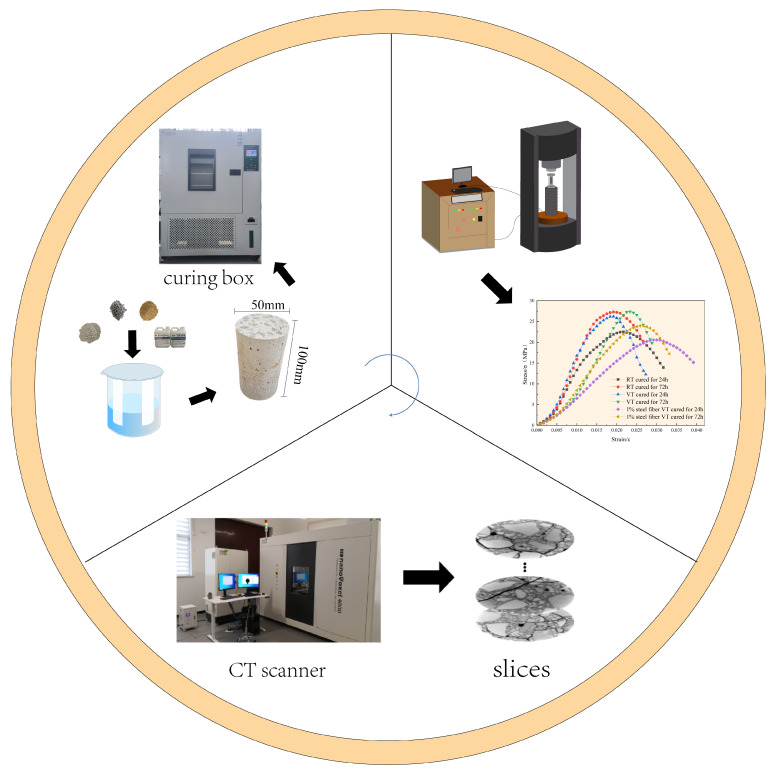 Figure 1
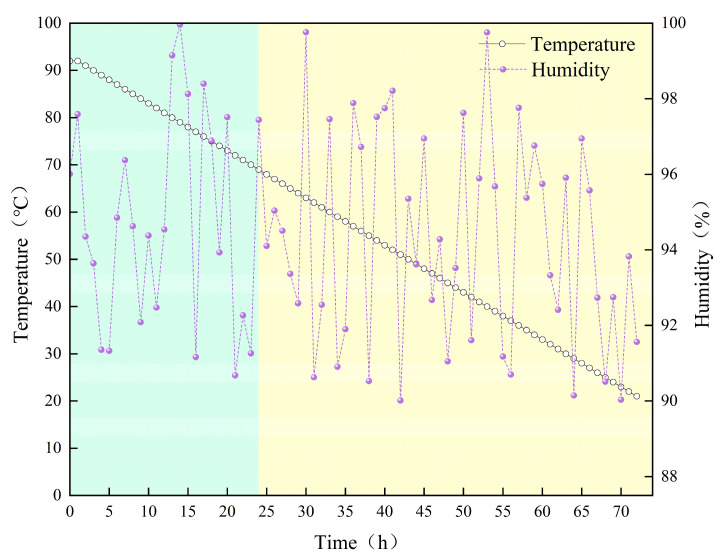 Figure 2
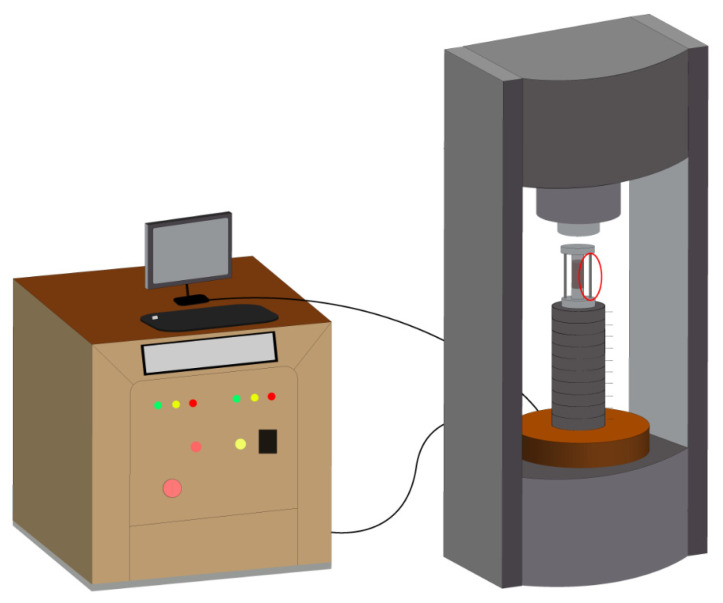 Figure 3
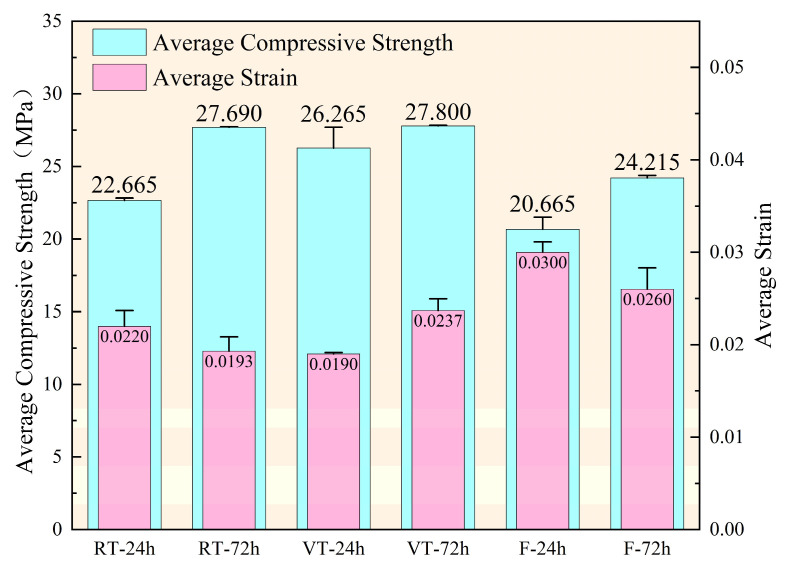 Figure 4
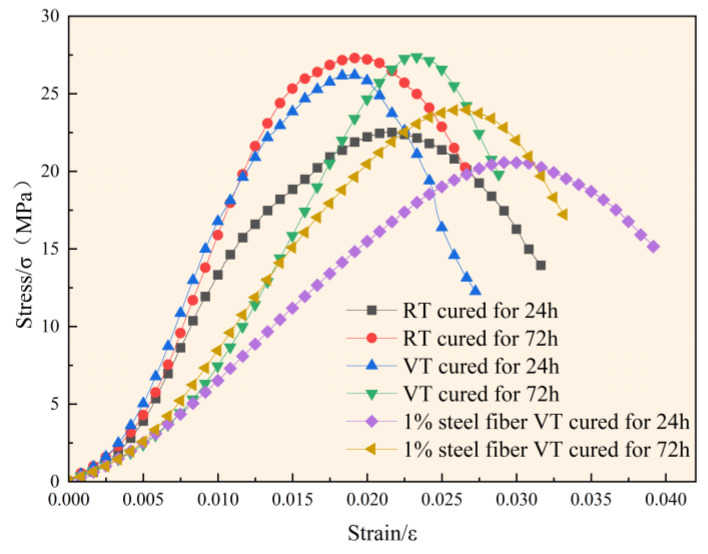 Figure 5
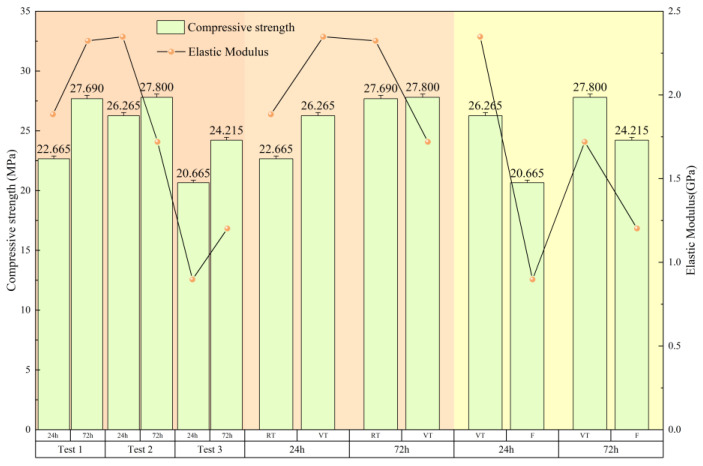 Figure 6
 Figure 7
 Figure 8
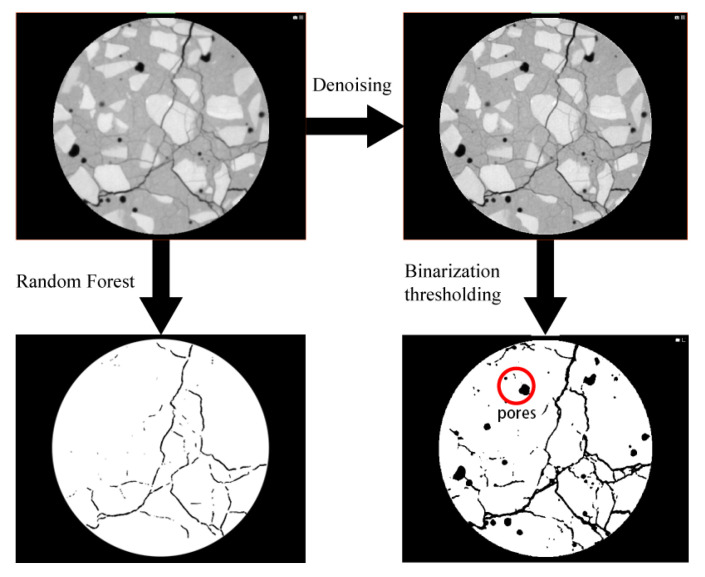 Figure 9
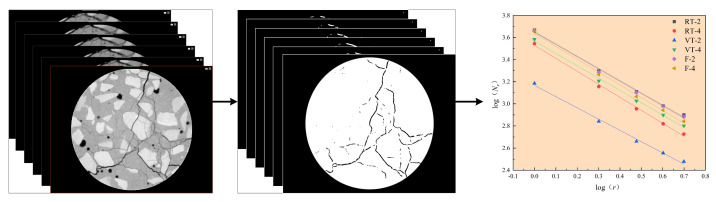 Figure 10
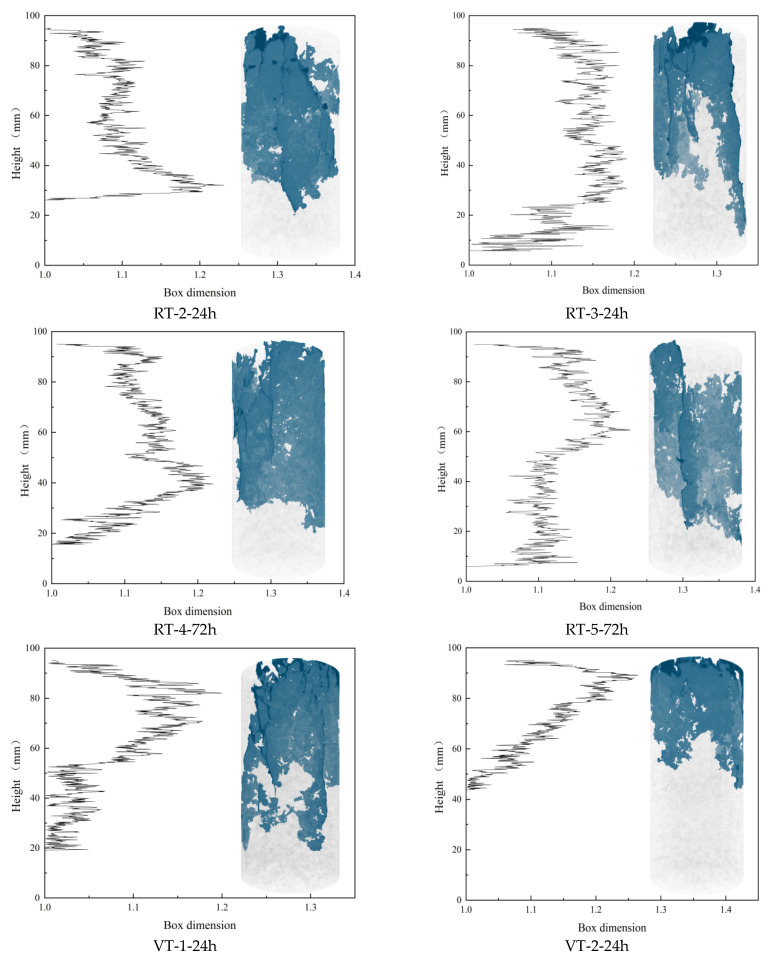 Figure 11
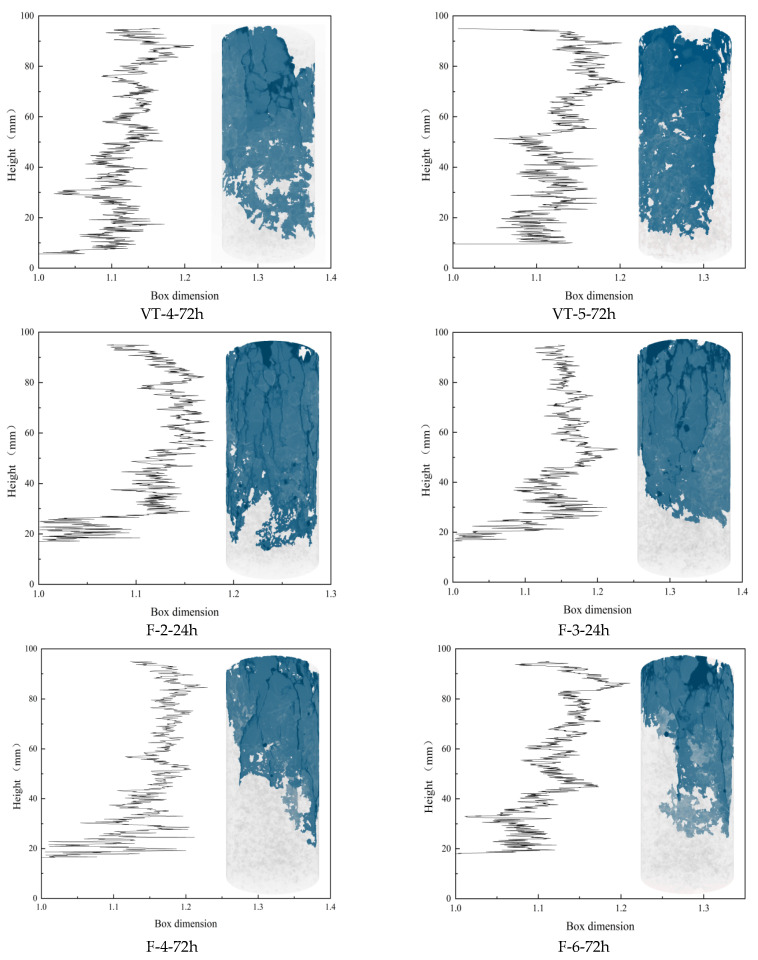 Figure 12
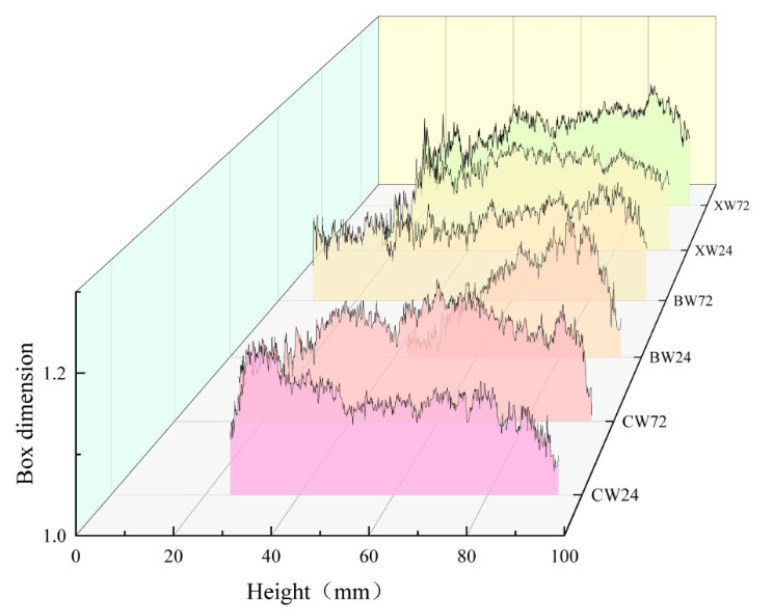 Figure 13
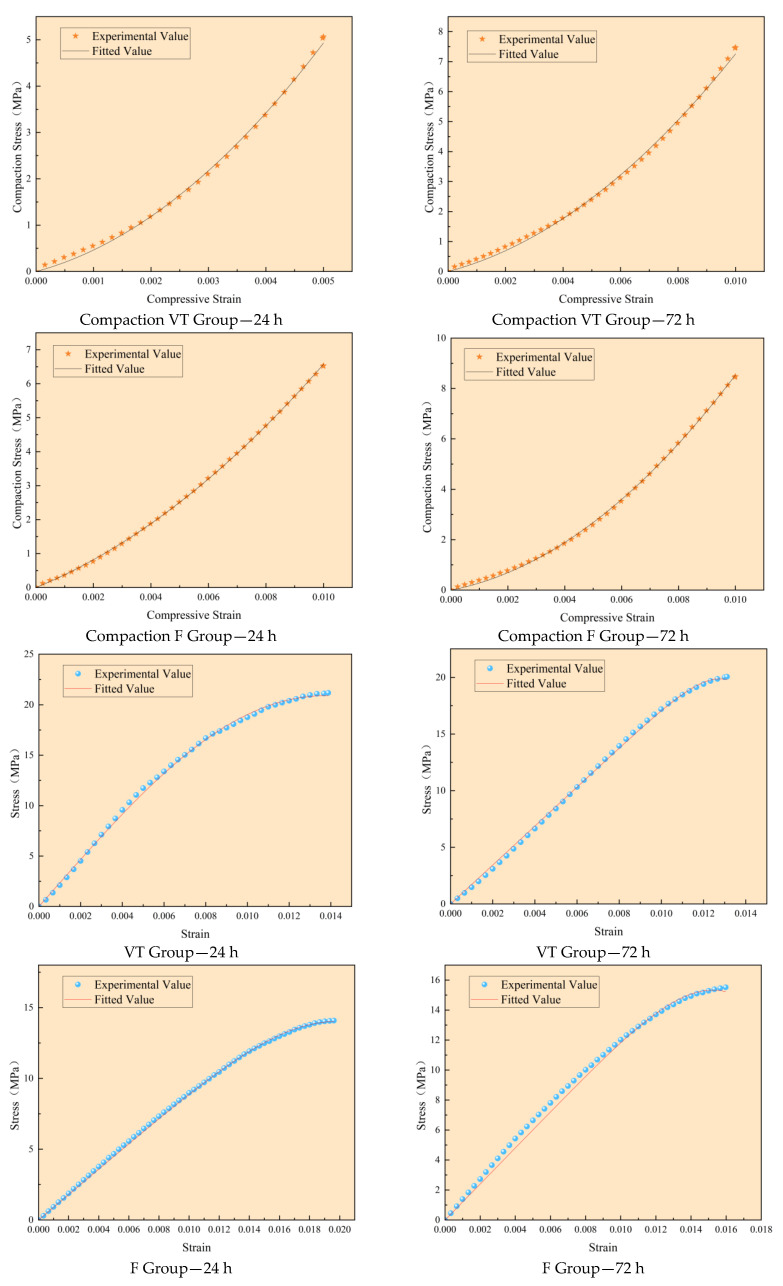 Figure 14
Peer Reviews
No public reviews on file for this paper yet. If you reviewed it on a platform where reviews are public (OpenReview, ICLR, NeurIPS, ICML), you can paste yours below so the community can read it here.
Videos
No videos yet. Explain this paper in a talk, walkthrough, or lecture? Add one.
Taxonomy
TopicsRock Mechanics and Modeling · Concrete Properties and Behavior · Concrete and Cement Materials Research