Spectroscopic, Thermally Induced, and Theoretical Features of Neonicotinoids’ Competition for Adsorption Sites on Y Zeolite
Bojana Nedić Vasiljević, Maja Milojević-Rakić, Maja Ranković, Anka Jevremović, Ljubiša Ignjatović, Nemanja Gavrilov, Snežana Uskoković-Marković, Aleksandra Janošević Ležaić, Hong Wang, Danica Bajuk-Bogdanović

TL;DR
This study explores how neonicotinoid pesticides compete for adsorption on Y zeolite using theoretical and experimental methods to understand their environmental behavior and removal potential.
Contribution
The study introduces a combined theoretical and experimental approach to assess neonicotinoid adsorption competition on Y zeolite for environmental remediation.
Findings
Acetamiprid and imidacloprid have similar adsorption energies (-2.2 eV), while thiamethoxam has a lower energy (-1.7 eV).
Hydrogen bonding is the dominant adsorption mechanism confirmed by FTIR analysis.
At higher concentrations, thiamethoxam's adsorption is reduced due to weaker binding energy.
Abstract
The competitive retention of pollutants in water tables determines their environmental fate and guides routes for their removal. To distinguish the fine differences in competitive binding at zeolite adsorption centers, a group of neonicotinoid pesticides is compared, relying on theoretical (energy of adsorption, orientation, charge distribution) and experimental (spectroscopic and thermogravimetric) analyses for quick, inexpensive, and reliable screening. The MOPAC/QuantumEspresso platform was used for theoretical calculation, indicating close adsorption energy values for acetamiprid and imidacloprid (−2.2 eV), with thiamethoxam having a lower binding energy of −1.7 eV. FTIR analysis confirmed hydrogen bonding, among different dipole-dipole interactions, as the dominant adsorption mechanism. Due to their comparable binding energies, when the mixture of all three pesticides is examined,…
Genes, proteins, chemicals, diseases, species, mutations and cell lines named across the full text — each resolved to its canonical identifier and authoritative record.
Click any figure to enlarge with its caption.
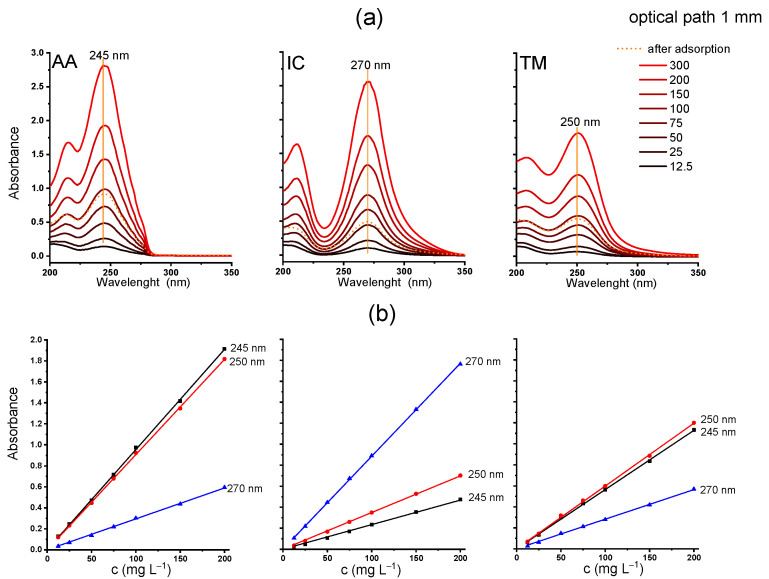 Figure 1
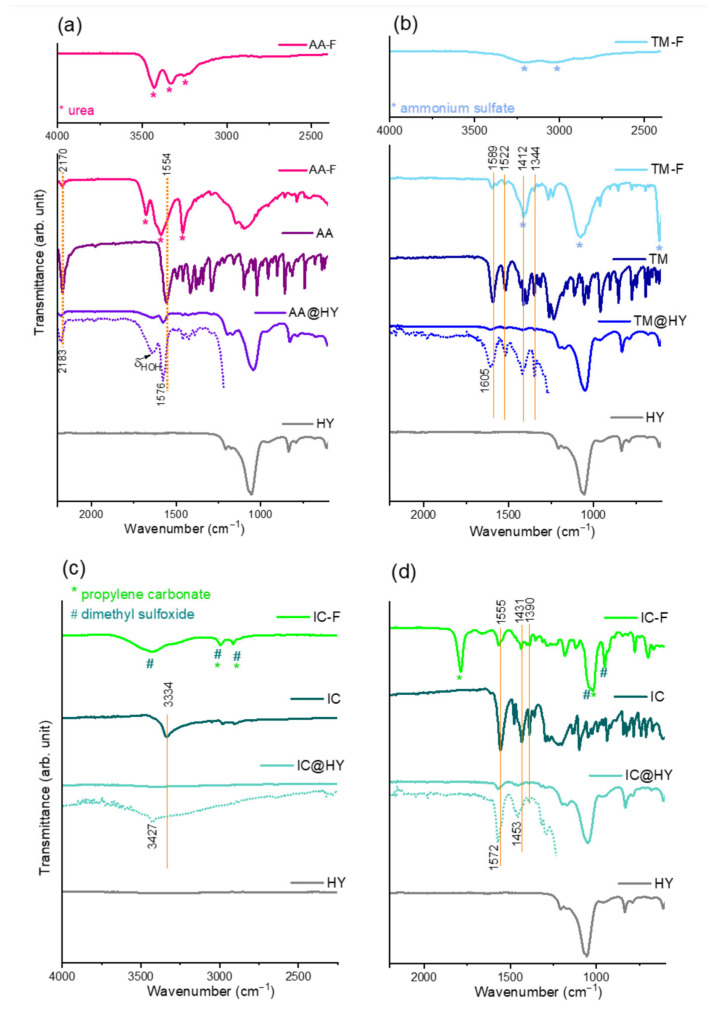 Figure 2
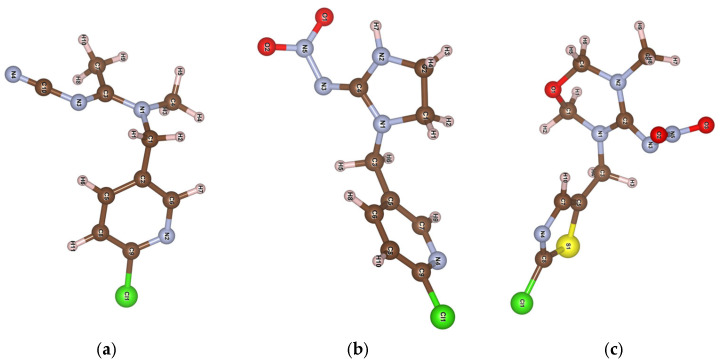 Figure 3
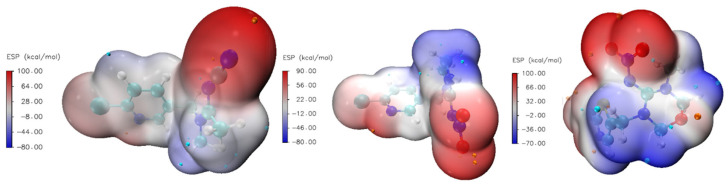 Figure 4
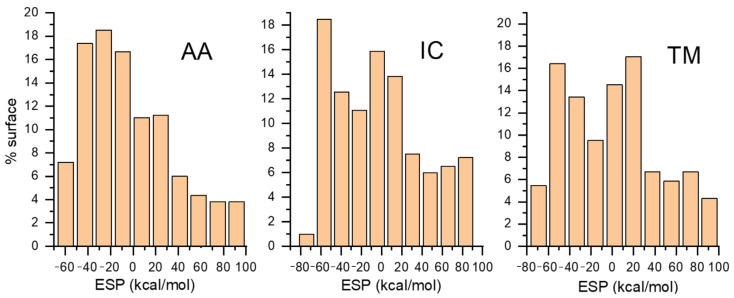 Figure 5
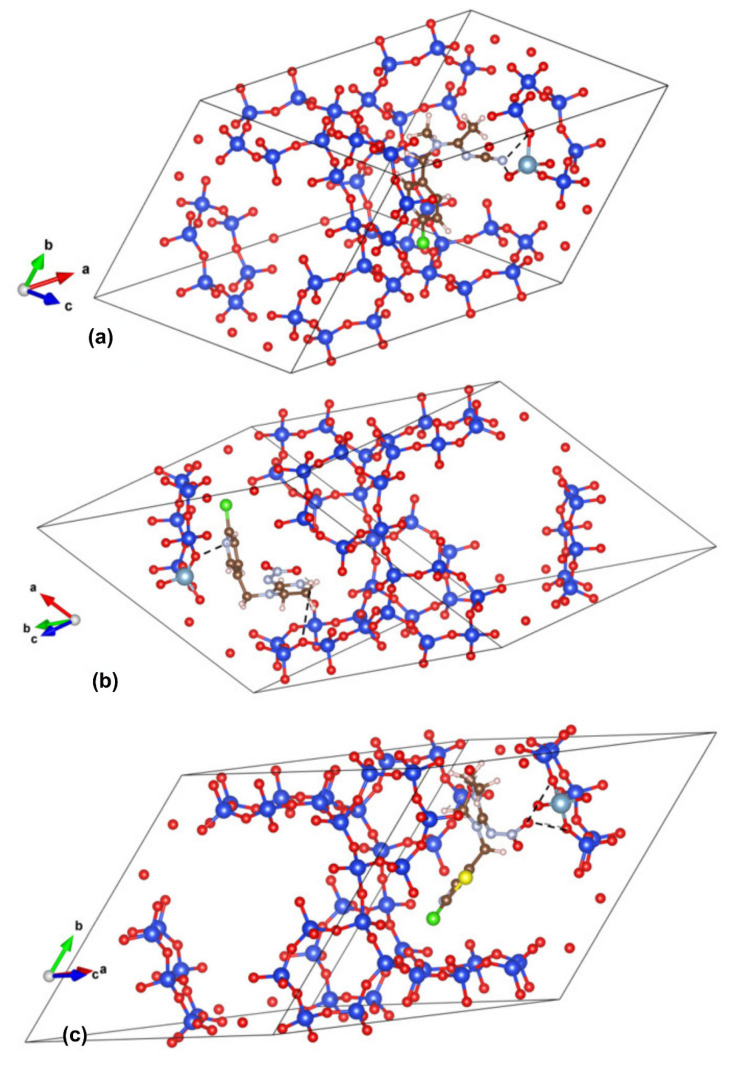 Figure 6
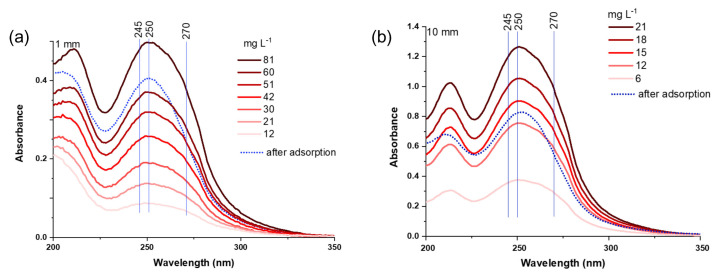 Figure 7
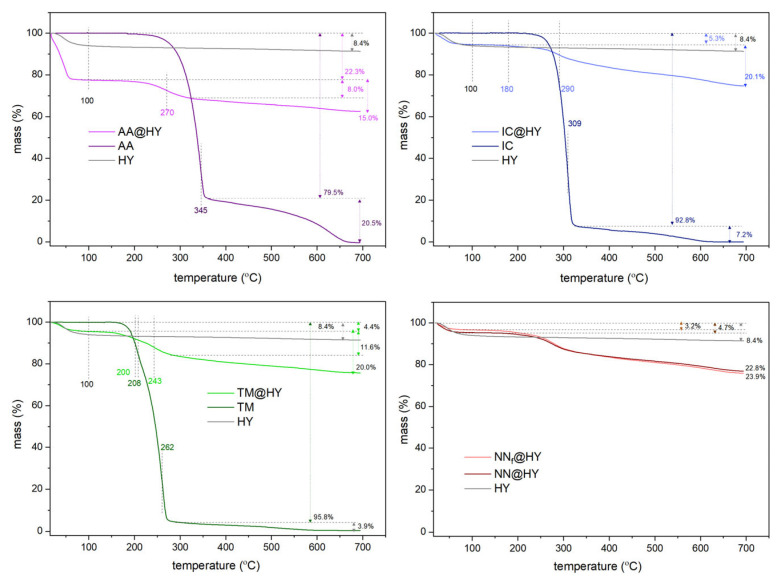 Figure 8
Peer Reviews
No public reviews on file for this paper yet. If you reviewed it on a platform where reviews are public (OpenReview, ICLR, NeurIPS, ICML), you can paste yours below so the community can read it here.
Videos
No videos yet. Explain this paper in a talk, walkthrough, or lecture? Add one.
Taxonomy
TopicsInsect and Pesticide Research · Quantum Dots Synthesis And Properties · Pharmaceutical and Antibiotic Environmental Impacts