Phytochemical Analysis and Therapeutic Potential of Tuberaria lignosa (Sweet) Samp. Aqueous Extract in Skin Injuries
Manuel González-Vázquez, Ana Quílez Guerrero, Mónica Zuzarte, Lígia Salgueiro, Jorge Alves-Silva, María Luisa González-Rodríguez, Rocío De la Puerta

TL;DR
This study explores the chemical composition and healing properties of Tuberaria lignosa extract, showing it could be useful for treating skin injuries and fungal infections.
Contribution
The study identifies Tuberaria lignosa as a rich source of bioactive phenolic compounds with multiple therapeutic effects on skin health.
Findings
The extract is rich in phenolic compounds, particularly ellagitannins like punicalagin.
It shows strong antioxidant, anti-enzyme, and antifungal activities relevant to skin care.
The extract is cytocompatible and promotes wound healing in vitro.
Abstract
Tuberaria lignosa (Sweet) Samp. (Cistaceae) is a herbaceous species native to southwestern Europe, traditionally used to treat wounds, ulcers, and inflammatory or infectious skin conditions. This study aimed to characterize the phytochemical profile of its aqueous leaf extract and evaluate its skin-related in vitro biological activities. The phenolic composition was determined using UHPLC-HRMS/MS, HPLC-DAD, and quantitative colorimetric assays. Antioxidant activity was assessed against synthetic free radicals, reactive oxygen and nitrogen species, transition metals, and pro-oxidant enzymes. Enzymatic inhibition of tyrosinase, hyaluronidase, collagenase, and elastase were evaluated using in vitro assays. Cytocompatibility was tested on human keratinocytes and NIH/3T3 fibroblasts using MTT and resazurin assays, respectively, while wound healing was evaluated on NIH/3T3 fibroblasts using…
Genes, proteins, chemicals, diseases, species, mutations and cell lines named across the full text — each resolved to its canonical identifier and authoritative record.
Click any figure to enlarge with its caption.
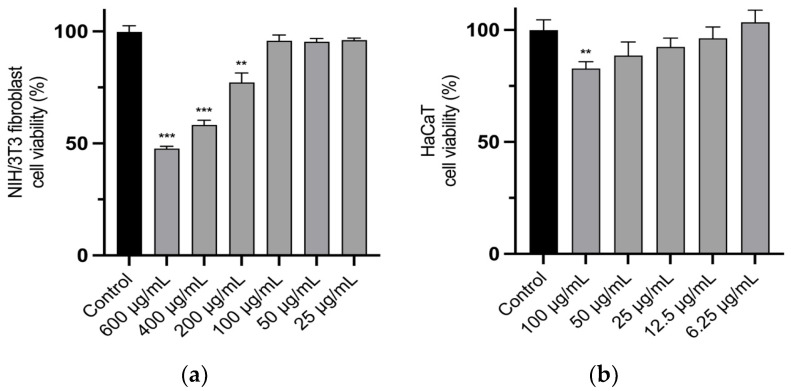 Figure 1
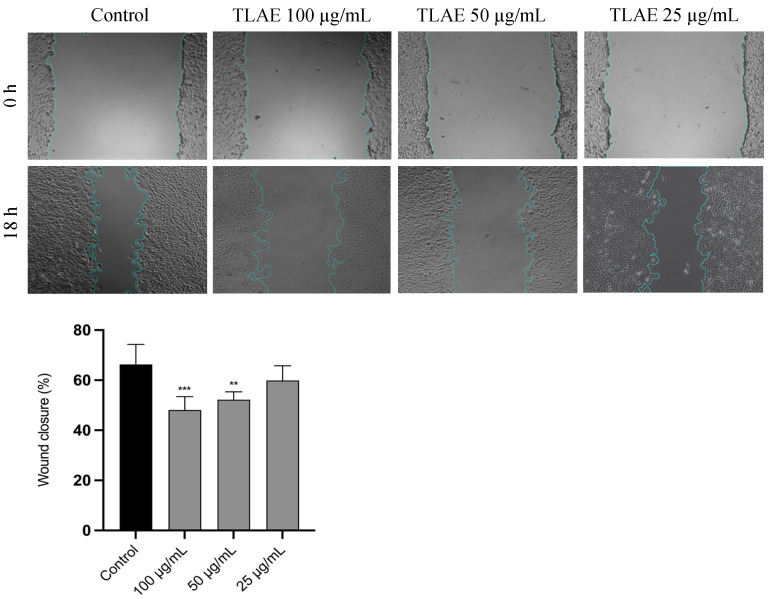 Figure 2
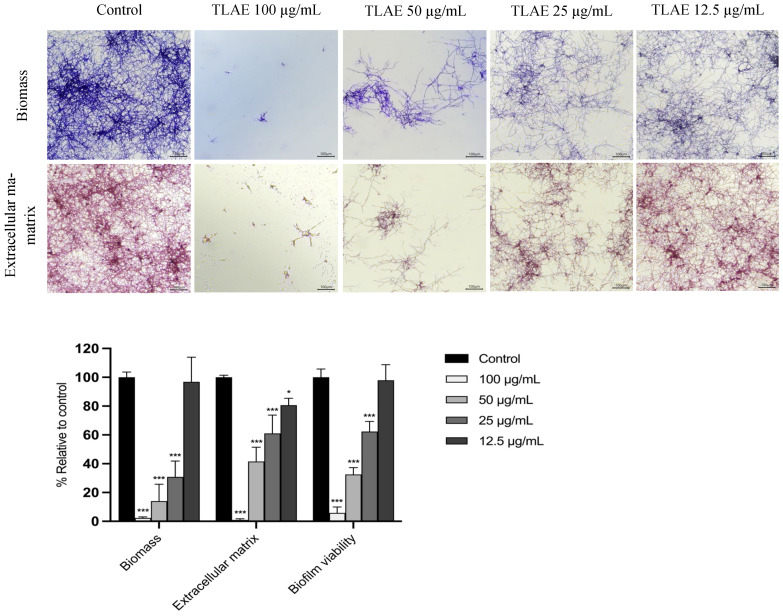 Figure 3
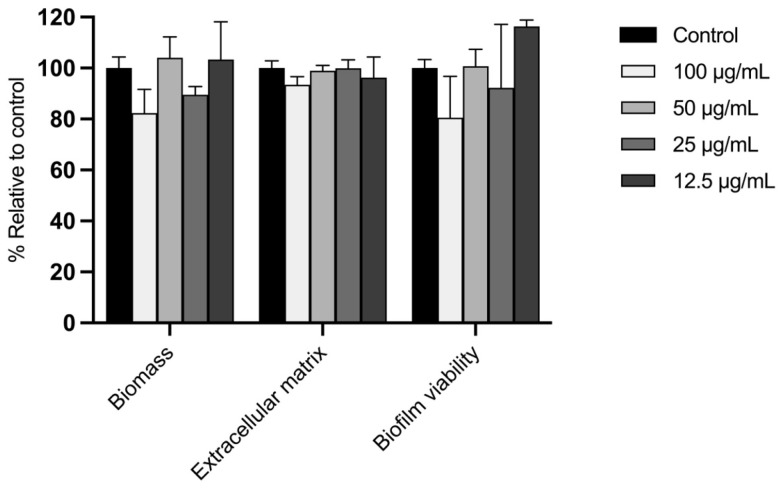 Figure 4
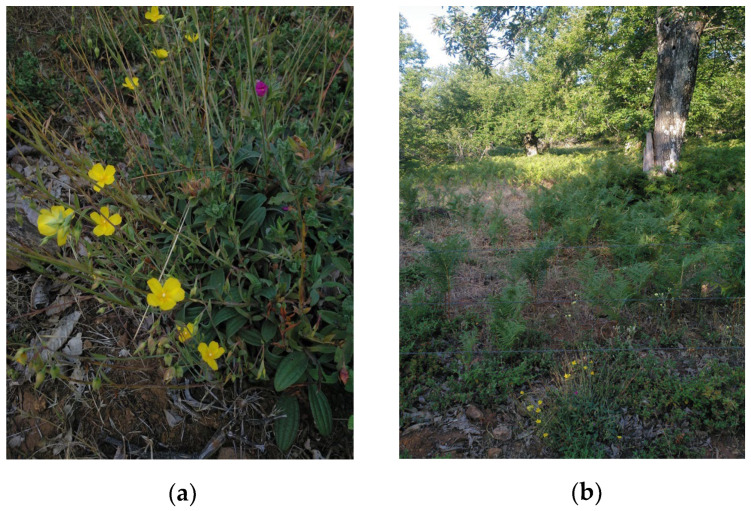 Figure 5
Peer Reviews
No public reviews on file for this paper yet. If you reviewed it on a platform where reviews are public (OpenReview, ICLR, NeurIPS, ICML), you can paste yours below so the community can read it here.
Videos
No videos yet. Explain this paper in a talk, walkthrough, or lecture? Add one.
Taxonomy
TopicsFungal Biology and Applications · Nail Diseases and Treatments · Plant Pathogens and Fungal Diseases