First-Principles Study on the Modulation of Schottky Barrier in Graphene/Janus MoSSe Heterojunctions by Interface Contact and Electric Field Effects
Zhe Zhang, Jiahui Li, Xiaopei Xu, Guodong Shi

TL;DR
This paper explores how the Schottky barrier in graphene/Janus MoSSe heterojunctions can be modulated by interface contact and electric fields, enabling control over electronic properties for nanoelectronics.
Contribution
The study reveals how interface contact and electric fields can switch the Schottky barrier type and transition to Ohmic contact in Gr/JMoSSe heterojunctions.
Findings
Contact with S atoms forms an n-type Schottky barrier, while contact with Se atoms forms a p-type Schottky barrier.
Increasing JMoSSe layers can transition the contact from Schottky to Ohmic.
An external electric field enables transitions among n-type, p-type, and Ohmic contacts.
Abstract
Constructing heterojunctions can combine the superior performance of different two-dimensional (2D) materials and eliminate the drawbacks of a single material, and modulating heterojunctions can enhance the capability and extend the application field. Here, we investigate the physical properties of the heterojunctions formed by the contact of different atom planes of Janus MoSSe (JMoSSe) and graphene (Gr), and regulate the Schottky barrier of the Gr/JMoSSe heterojunction by the number of layers and the electric field. Due to the difference in atomic electronegativity and surface work function (WF), the Gr/JSMoSe heterojunction formed by the contact of S atoms with Gr exhibits an n-type Schottky barrier, whereas the Gr/JSeMoS heterojunction formed by the contact of the Se atoms with Gr reveals a p-type Schottky barrier. Increasing the number of layers of JMoSSe allows the Gr/JMoSSe…
Genes, proteins, chemicals, diseases, species, mutations and cell lines named across the full text — each resolved to its canonical identifier and authoritative record.
Click any figure to enlarge with its caption.
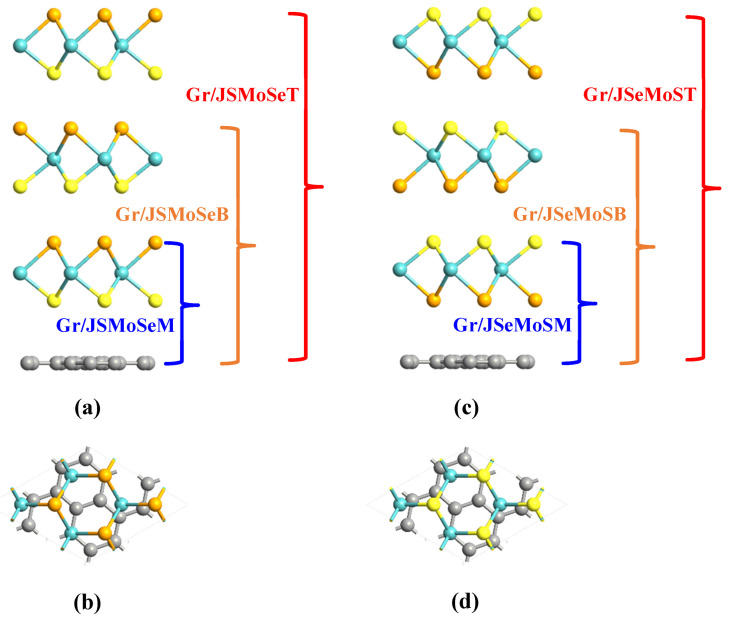 Figure 1
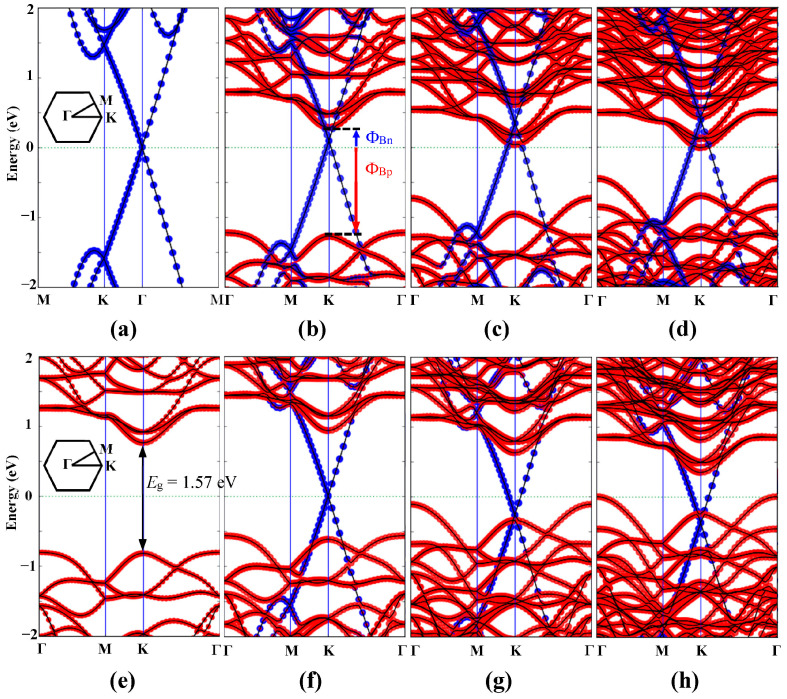 Figure 2
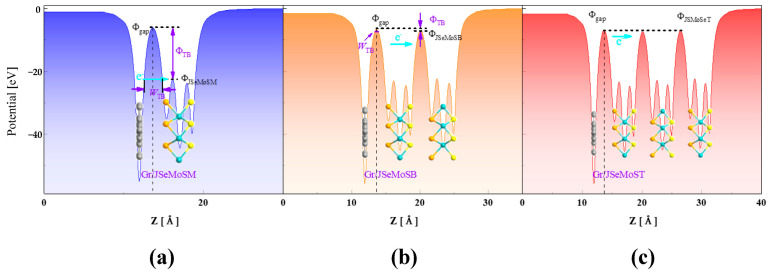 Figure 3
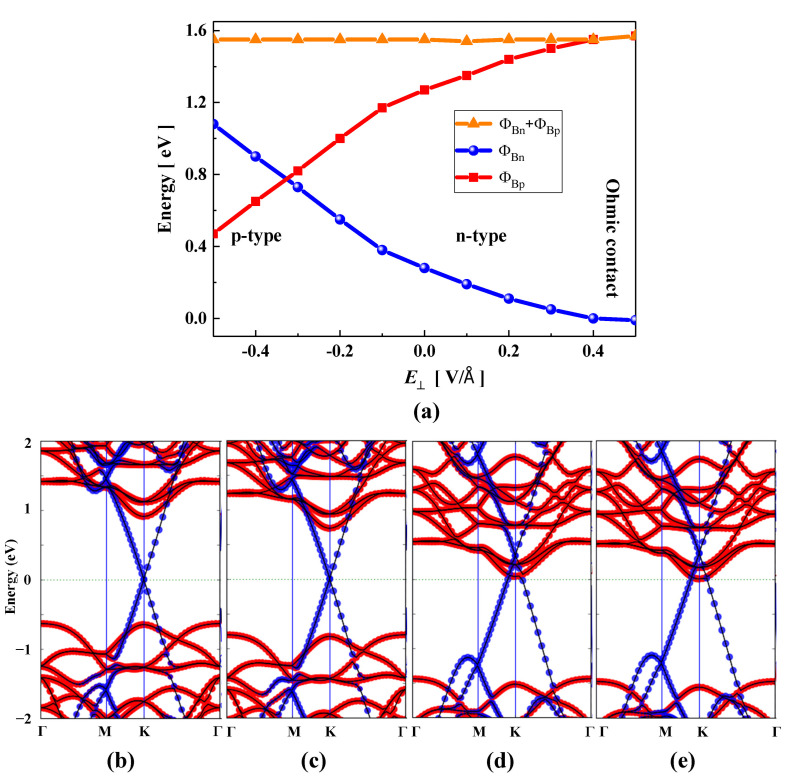 Figure 4
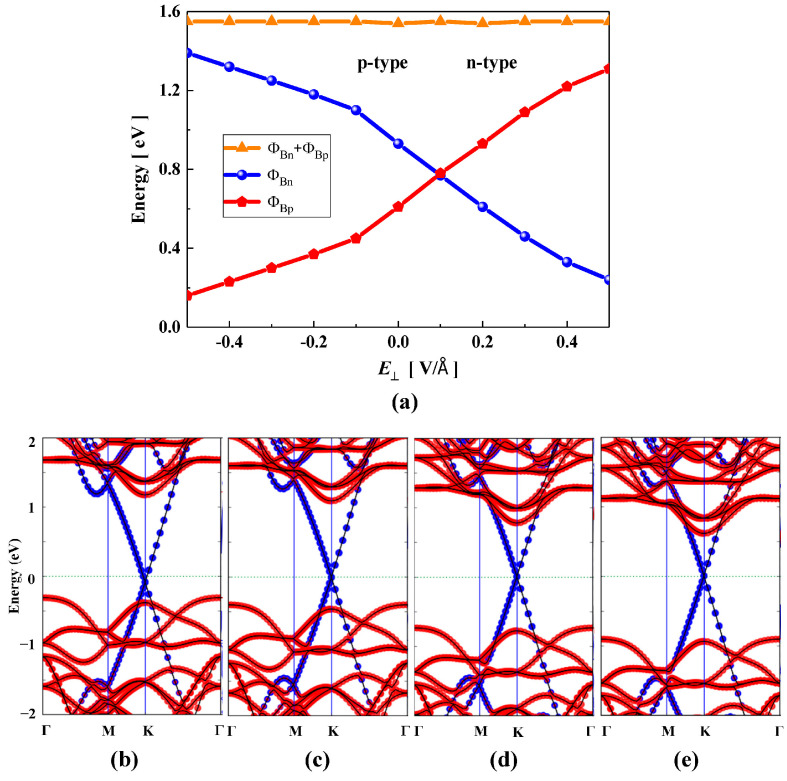 Figure 5
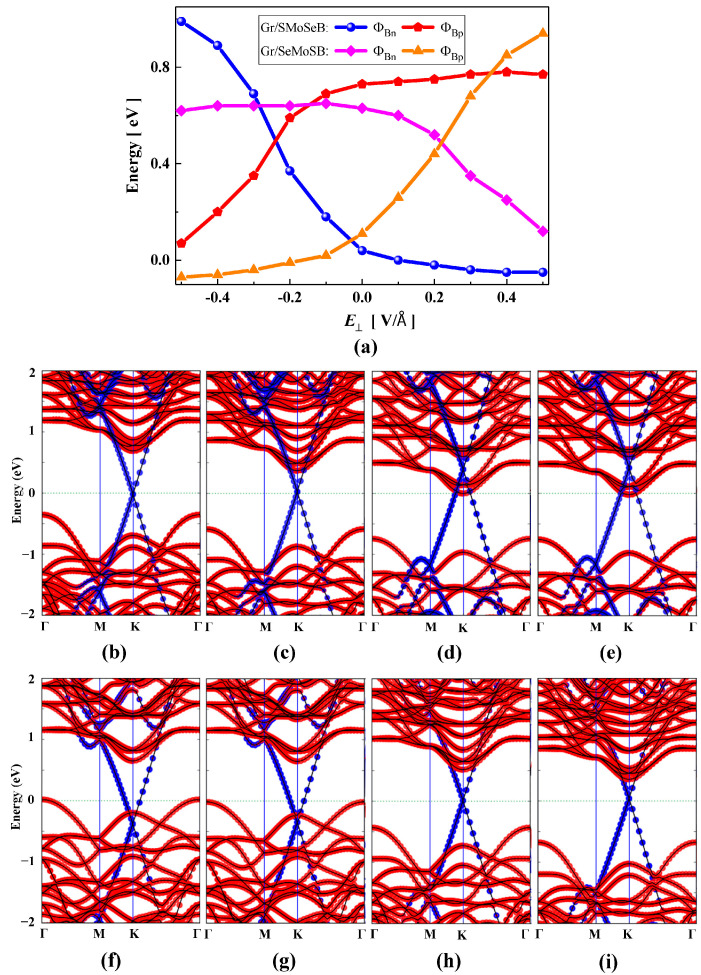 Figure 6
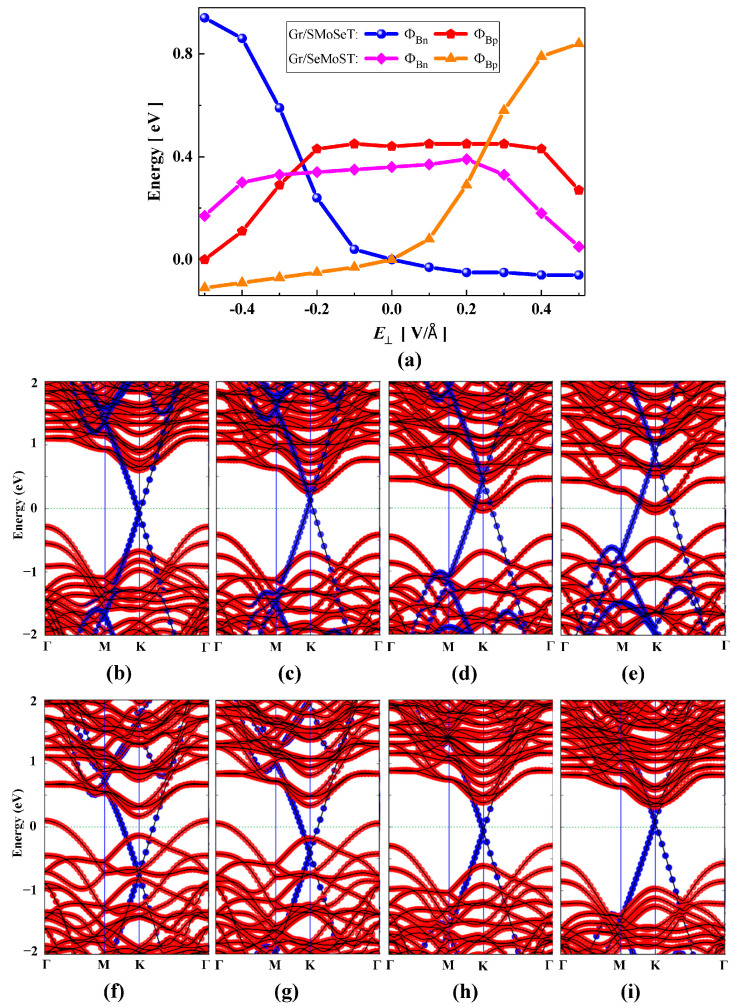 Figure 7
Peer Reviews
No public reviews on file for this paper yet. If you reviewed it on a platform where reviews are public (OpenReview, ICLR, NeurIPS, ICML), you can paste yours below so the community can read it here.
Videos
No videos yet. Explain this paper in a talk, walkthrough, or lecture? Add one.
Taxonomy
Topics2D Materials and Applications · Graphene research and applications · Quantum Dots Synthesis And Properties