Protocol for the Digital, Individualized, and Collaborative Treatment of Type 2 Diabetes in General Practice Based on Decision Aid (DICTA)—A Randomized Controlled Trial
Sofie Frigaard Kristoffersen, Jeanette Reffstrup Christensen, Louise Munk Ramo Jeremiassen, Lea Bolette Kylkjær, Nanna Reffstrup Christensen, Sally Wullf Jørgensen, Jette Kolding Kristensen, Sonja Wehberg, Ilan Esra Raymond, Dorte E. Jarbøl, Jesper Bo Nielsen, Jens Søndergaard

TL;DR
This study tests a digital tool to help manage type 2 diabetes by combining lifestyle coaching and clinical decision support in general practice.
Contribution
The study introduces a novel digital intervention combining lifestyle coaching and clinical decision support for type 2 diabetes in primary care.
Findings
The trial will assess the impact of a digital lifestyle coaching app and clinical decision support on cardiovascular risk in type 2 diabetes patients.
The intervention group will receive one year of digital support, while the control group will receive usual care followed by the intervention.
The primary outcome is the change in estimated ten-year cardiovascular risk using the SCORE2-Diabetes model.
Abstract
Background: Despite significant advancements in diabetes care, many individuals with type 2 diabetes (T2D) do not receive optimal care and treatment. Digital interventions promoting behavioral changes have shown promising long-term results in supporting healthier lifestyles but are not implemented in most healthcare offerings, maybe due to lack of general practice support and collaboration. This study evaluates the efficacy of the Digital, Individualized, and Collaborative Treatment of T2D in General Practice Based on Decision Aid (DICTA), a randomized controlled trial integrating a patient-centered smartphone application for lifestyle support in conjunction with a clinical decision support (CDS) tool to assist general practitioners (GPs) in optimizing antidiabetic treatment. Methods: The present randomized controlled trial aims to recruit 400 individuals with T2D from approximately 70…
Genes, proteins, chemicals, diseases, species, mutations and cell lines named across the full text — each resolved to its canonical identifier and authoritative record.
Click any figure to enlarge with its caption.
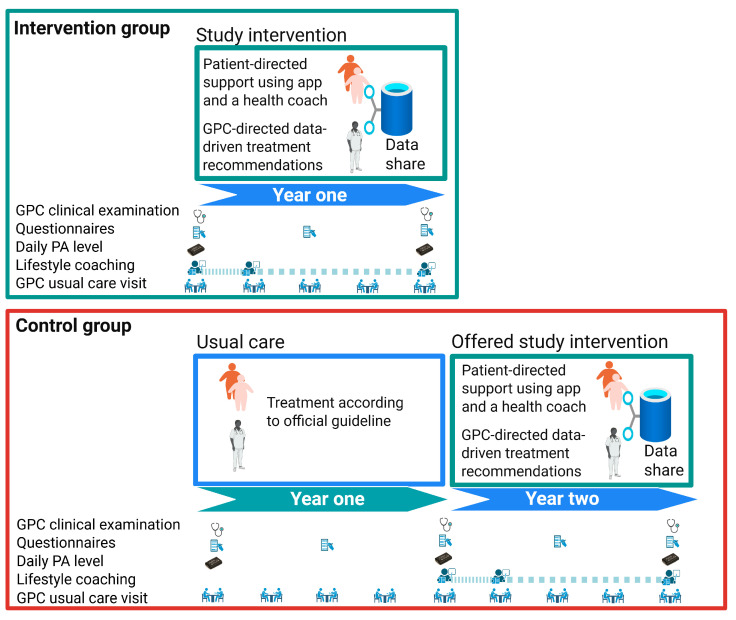 Figure 1
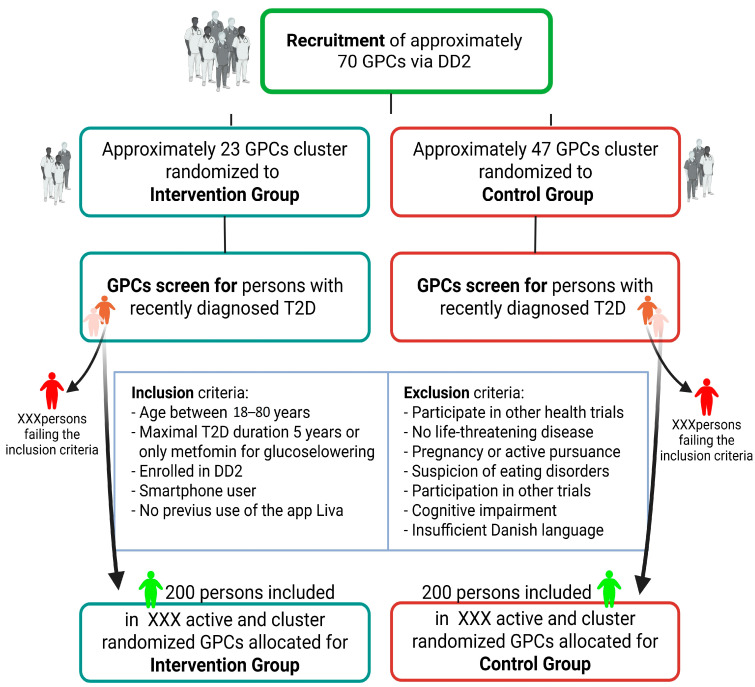 Figure 2
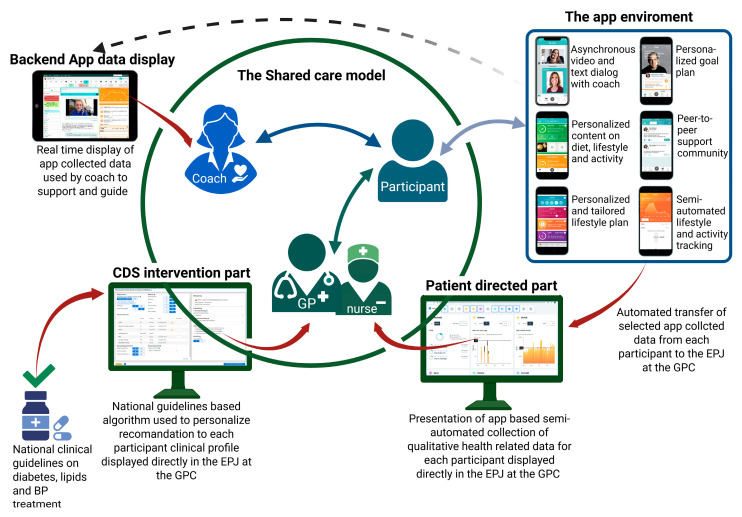 Figure 3
Peer Reviews
No public reviews on file for this paper yet. If you reviewed it on a platform where reviews are public (OpenReview, ICLR, NeurIPS, ICML), you can paste yours below so the community can read it here.
Videos
No videos yet. Explain this paper in a talk, walkthrough, or lecture? Add one.
Taxonomy
TopicsDiabetes Management and Education · Chronic Disease Management Strategies · Diabetes Management and Research