The Inhibitory Effect and Adsorption Properties of Testagen Peptide on Copper Surfaces in Saline Environments: An Experimental and Computational Study
Aurelian Dobriţescu, Adriana Samide, Nicoleta Cioateră, Oana Camelia Mic, Cătălina Ionescu, Irina Dăbuleanu, Cristian Tigae, Cezar Ionuţ Spînu, Bogdan Oprea

TL;DR
This study shows that the testagen peptide effectively inhibits copper corrosion in saline environments through a combination of chemical and physical adsorption.
Contribution
The study introduces testagen (KEDG) as a new, highly efficient copper corrosion inhibitor in saline conditions.
Findings
Testagen achieved an inhibition efficiency of around 86% in sodium chloride solution.
Adsorption followed the Freundlich isotherm with a ΔGadso of −30.86 kJ mol−1, indicating mixed chemical and physical adsorption.
SEM/EDS analysis confirmed the formation of a protective layer of KEDG and corrosion compounds on the copper surface.
Abstract
Experimental and theoretical studies were applied to investigate the adsorption properties of testagen (KEDG) peptide on copper surfaces in sodium chloride solution and, implicitly, its inhibition efficiency (IE) on metal corrosion. The tetrapeptide synthesized from the amino acids lysine (Lys), glutamic acid (Glu), aspartic acid (Asp), and glycine (Gly), named as H-Lys-Glu-Asp-Gly-OH, achieved an inhibition efficiency of around 86% calculated from electrochemical measurements, making KEDG a promising new copper corrosion inhibitor. The experimental data were best fitted to the Freundlich adsorption isotherm. The standard free energy of adsorption (ΔGadso) reached the value of −30.86 kJ mol−1, which revealed a mixed action mechanism of tetrapeptide, namely, chemical and physical spontaneous adsorption. The copper surface characterization was performed using optical microscopy and…
Genes, proteins, chemicals, diseases, species, mutations and cell lines named across the full text — each resolved to its canonical identifier and authoritative record.
Click any figure to enlarge with its caption.
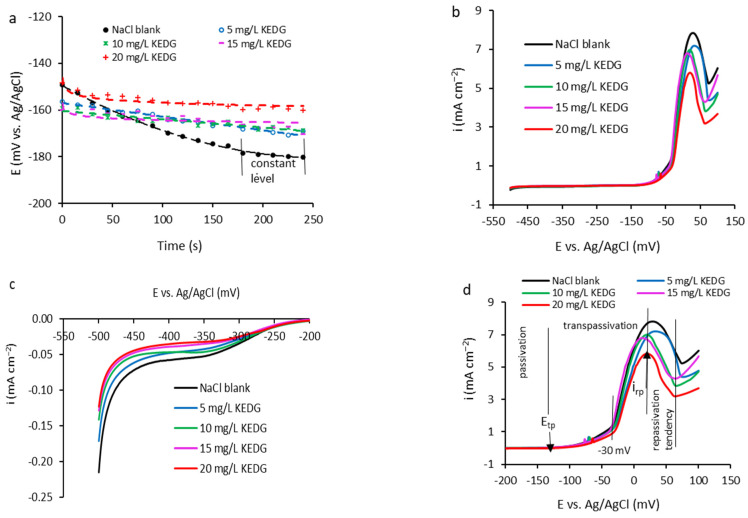 Figure 1
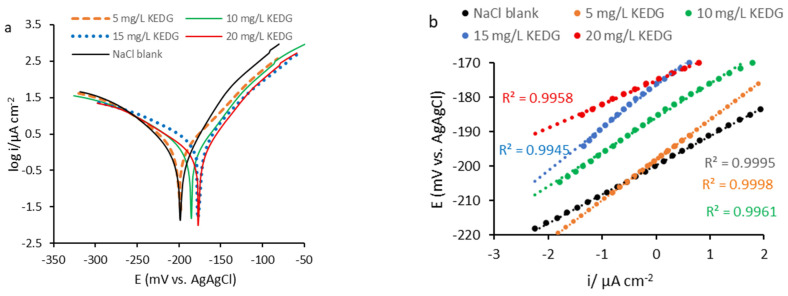 Figure 2
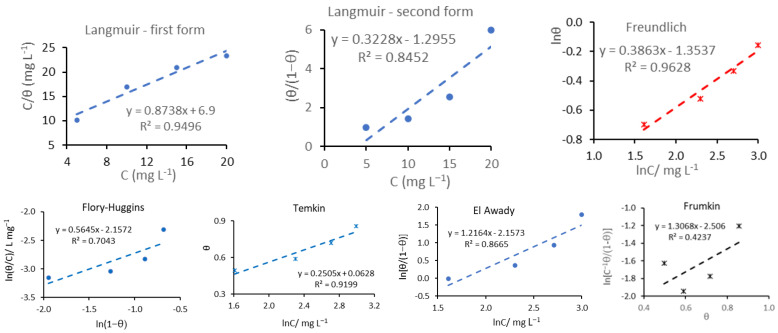 Figure 3
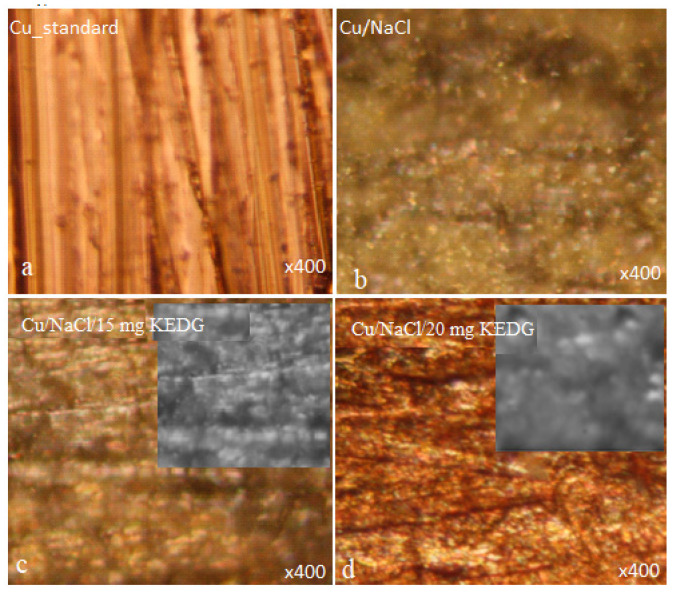 Figure 4
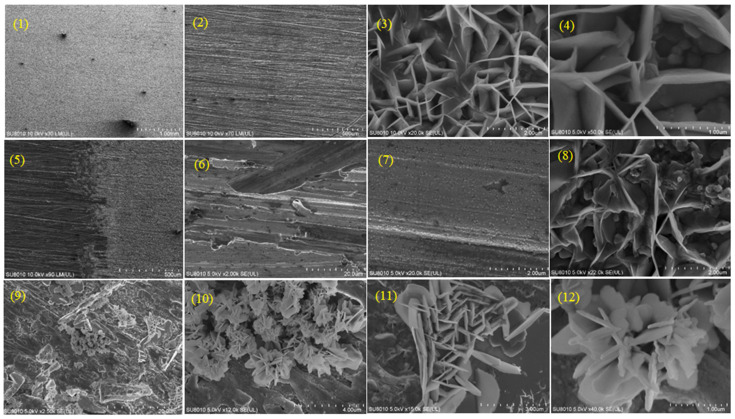 Figure 5
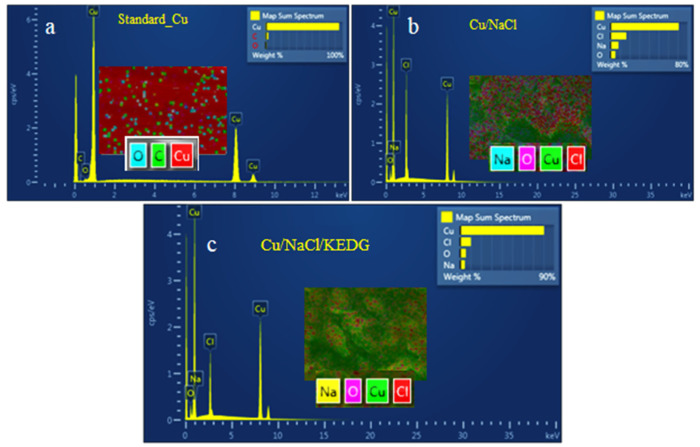 Figure 6
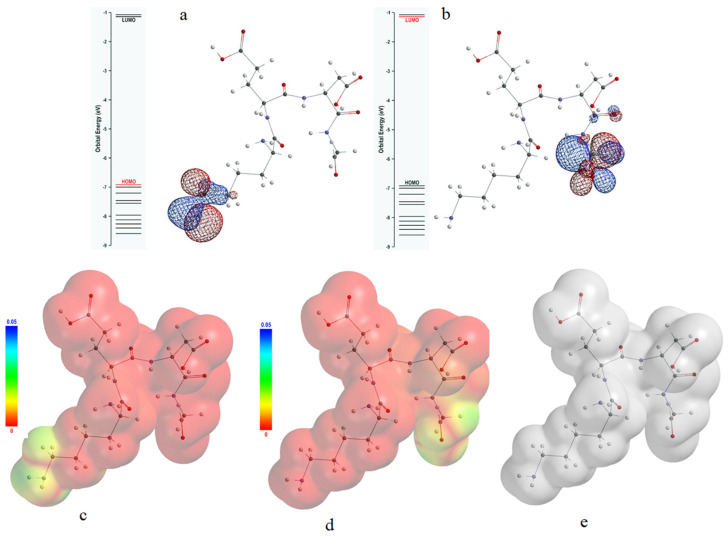 Figure 7
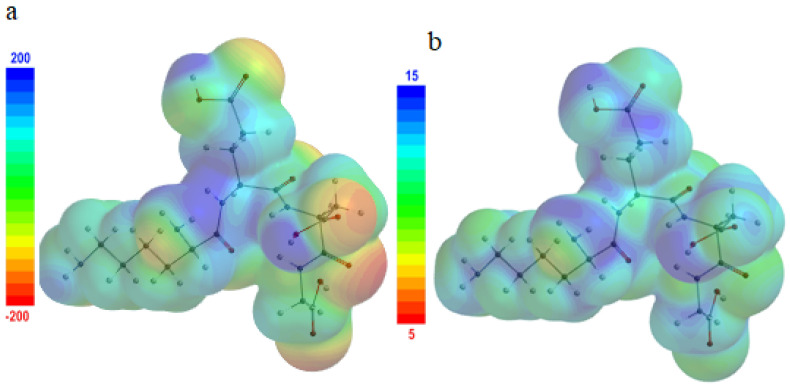 Figure 8
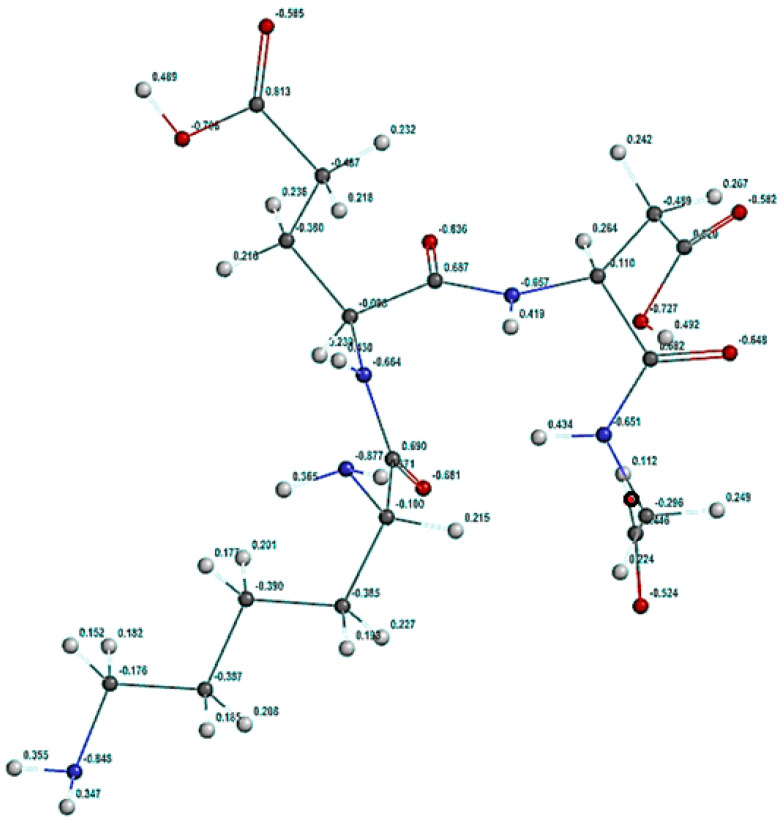 Figure 9
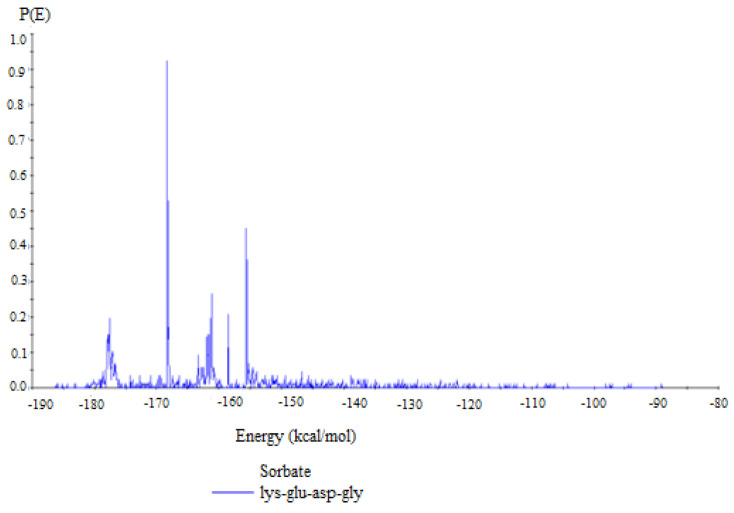 Figure 10
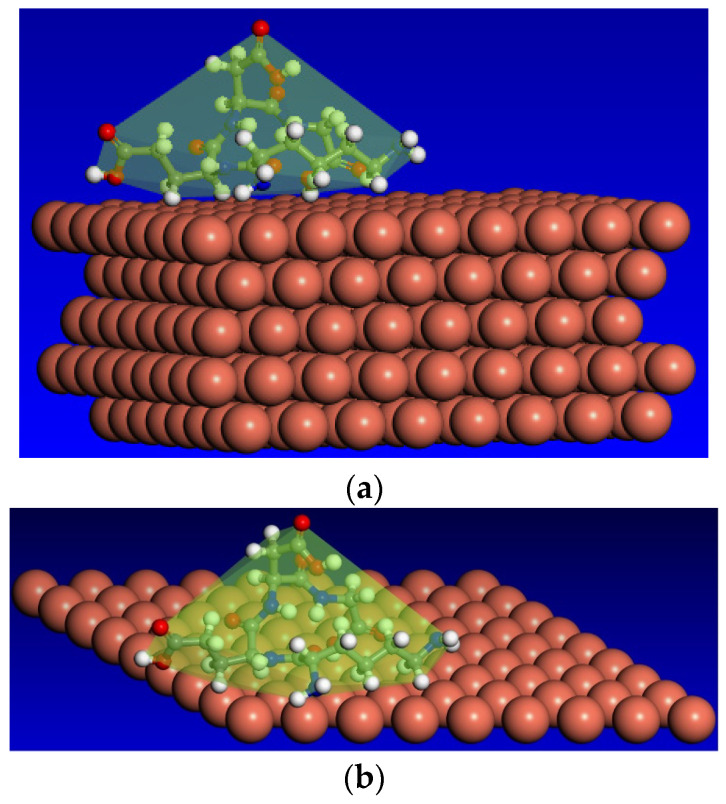 Figure 11
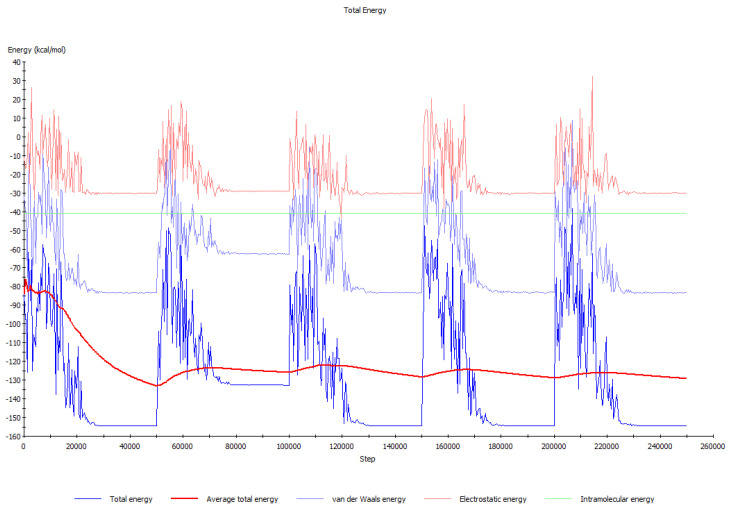 Figure 12
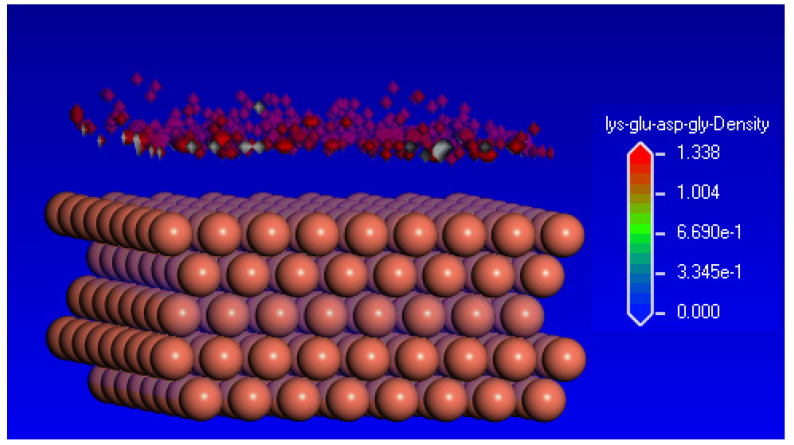 Figure 13
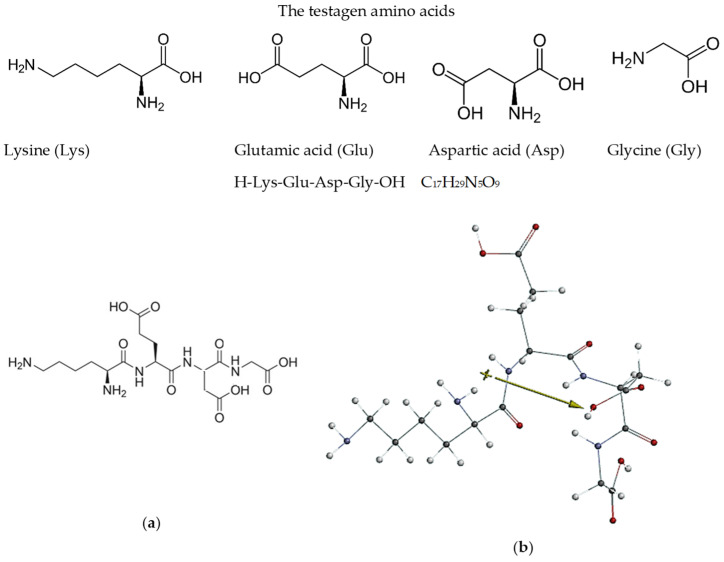 Figure 14
Peer Reviews
No public reviews on file for this paper yet. If you reviewed it on a platform where reviews are public (OpenReview, ICLR, NeurIPS, ICML), you can paste yours below so the community can read it here.
Videos
No videos yet. Explain this paper in a talk, walkthrough, or lecture? Add one.
Taxonomy
TopicsCorrosion Behavior and Inhibition · Polymer Surface Interaction Studies · Metal and Thin Film Mechanics