Adsorptive Separation of Chlorobenzene and Chlorocyclohexane by Nonporous Adaptive Crystals of Perethylated Pillar[6]arene
Sha Wu, Yuyue Chi, Qian Dong, Jiong Zhou

TL;DR
This paper introduces a new method using nonporous adaptive crystals to efficiently separate two similar chemicals that are hard to distinguish using traditional methods.
Contribution
The study presents a novel adsorptive separation method using nonporous adaptive crystals of perethylated pillar[6]arene.
Findings
EtP6α crystals achieved 99.5% purity in separating chlorocyclohexane from a 1:1 vapor mixture.
The crystals retained performance after being recycled for five cycles.
Abstract
The separation of chlorobenzene (CB) and chlorocyclohexane (CCH) using traditional industrial separation technologies (distillation, fractionation, and rectification) is a great challenge due to their close boiling points. Here, we report an innovative method for the separation of the mixture of CB and CCH by nonporous adaptive crystals (NACs) of perethylated pillar[6]arene (EtP6). NACs of EtP6 (EtP6α) can selectively adsorb CCH vapor from the vapor mixture of CB and CCH (v:v = 1:1) with a purity of 99.5%. Furthermore, EtP6α can be recycled for five times without a significant loss of performance.
Genes, proteins, chemicals, diseases, species, mutations and cell lines named across the full text — each resolved to its canonical identifier and authoritative record.
Click any figure to enlarge with its caption.
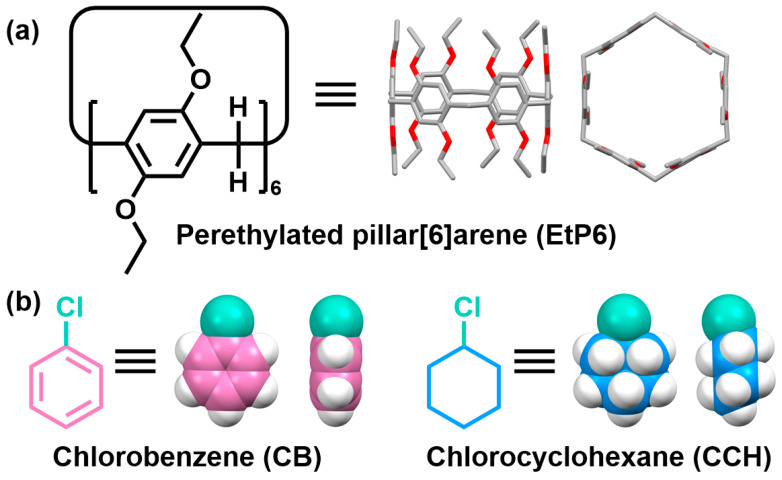 Figure 1
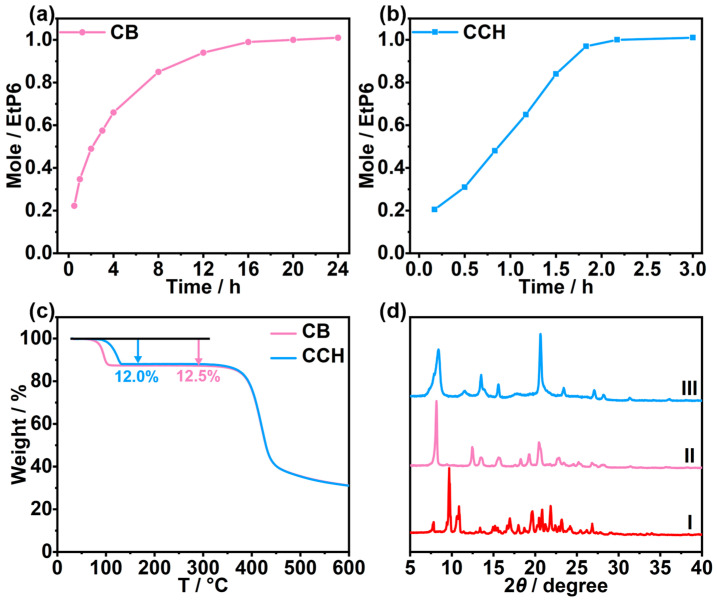 Figure 2
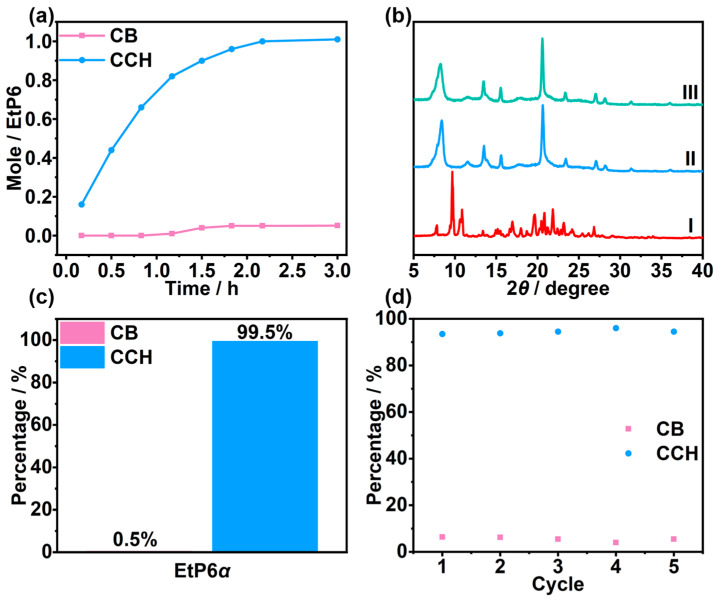 Figure 3
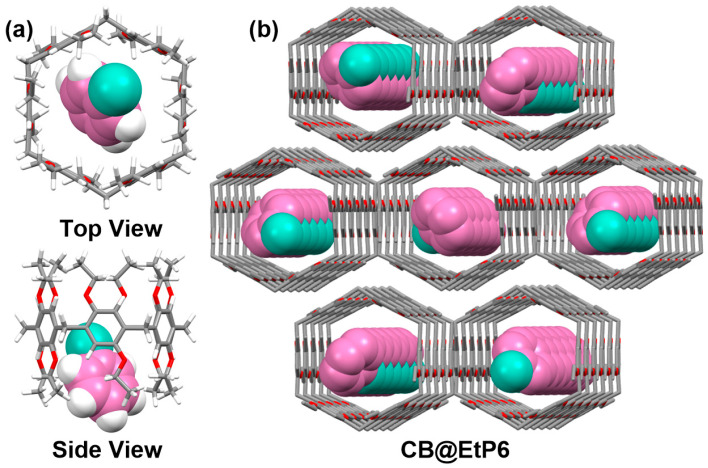 Figure 4
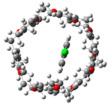 Figure 5
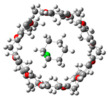 Figure 6
Peer Reviews
No public reviews on file for this paper yet. If you reviewed it on a platform where reviews are public (OpenReview, ICLR, NeurIPS, ICML), you can paste yours below so the community can read it here.
Videos
No videos yet. Explain this paper in a talk, walkthrough, or lecture? Add one.
Taxonomy
TopicsSupramolecular Chemistry and Complexes · Metal-Organic Frameworks: Synthesis and Applications · Crystallography and molecular interactions