Characterization of Biological Components of Leaves and Flowers in Moringa peregrina and Their Effect on Proliferation of Staurogyne repens in Tissue Culture Conditions
Hamideh Khajeh, Bahman Fazeli-Nasab, Ali Salehi Sardoei, Zeinab Fotoohiyan, Mehrnaz Hatami, Alireza Mirzaei, Mansour Ghorbanpour, Filippo Maggi

TL;DR
This study shows that Moringa peregrina leaf extract boosts the growth of Staurogyne repens in tissue culture, especially in full-strength MS medium.
Contribution
The novel finding is the significant enhancement of S. repens in vitro growth using M. peregrina leaf extract at 3 mg/L in MS medium.
Findings
M. peregrina extract increased branch length, green leaf percentage, and rooting in S. repens.
The highest growth was observed in MS medium with 3 mg/L extract after three weeks.
Fresh and dry weights were significantly higher in MS compared to ½ MS medium.
Abstract
Moringa peregrina (Forssk.) Fiori is a tropical tree in southern Iran known as the most important natural coagulant in the world. Today, plant tissue culture is a new method that has a very high potential to produce valuable medicinal compounds on a commercial level. Advances in in vitro cultivation methods have increased the usefulness of plants as renewable resources. In this study, in addition to the phytochemical analysis of the extract of M. peregrina using HPLC, the interaction effect of different concentrations of aqueous extract of M. peregrina (0, 1, 1.5, and 3 mg/L) in two types of MS and ½ MS basal culture media over three weeks on the in vitro growth of Staurogyne repens (Nees) Kuntze was studied. The amounts of quercetin, gallic acid, caffeic acid, and myricetin in the aqueous extract of M. peregrina were 64.9, 374.8, 42, and 4.6 mg/g, respectively. The results showed that…
Genes, proteins, chemicals, diseases, species, mutations and cell lines named across the full text — each resolved to its canonical identifier and authoritative record.
Click any figure to enlarge with its caption.
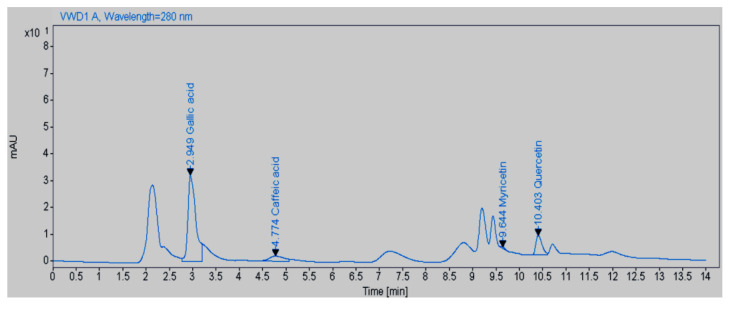 Figure 1
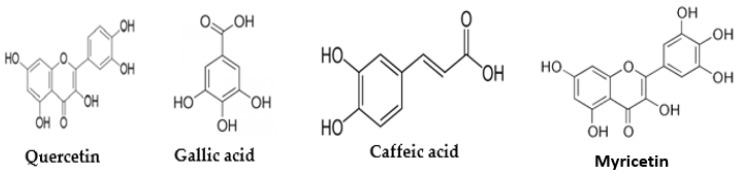 Figure 2
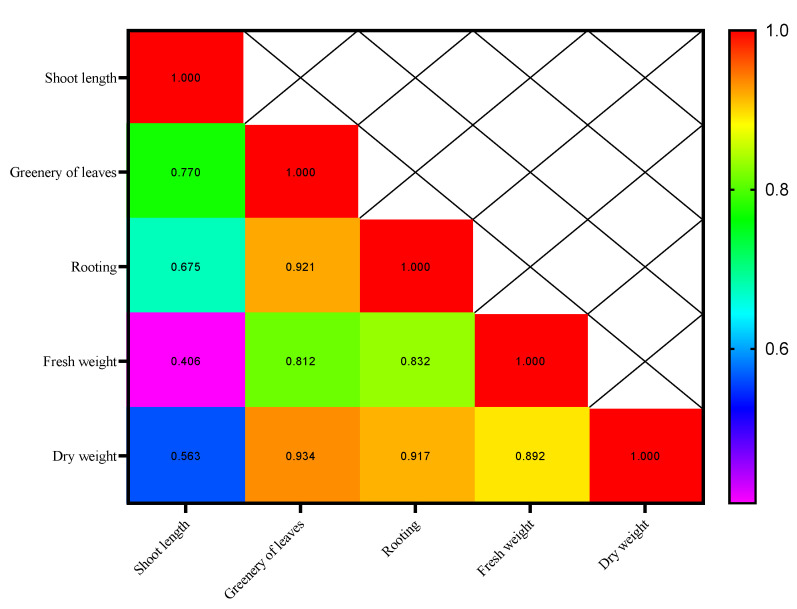 Figure 3
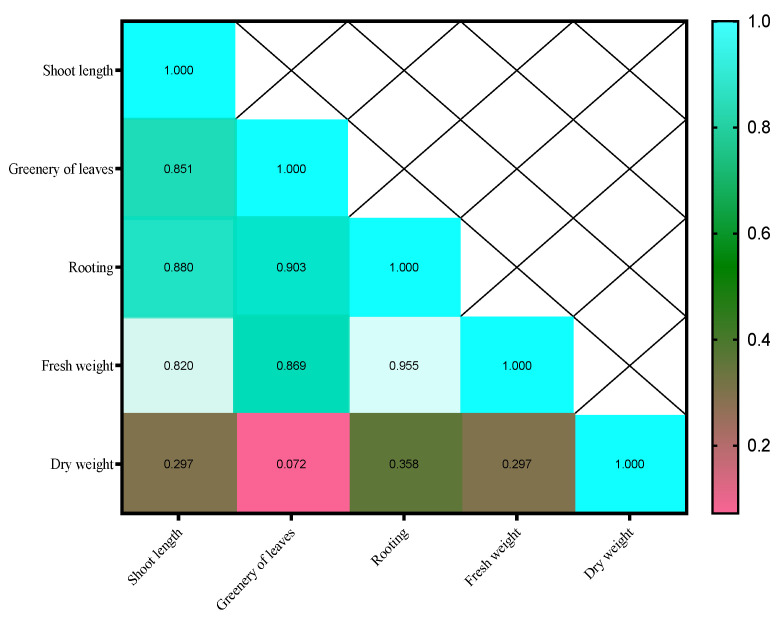 Figure 4
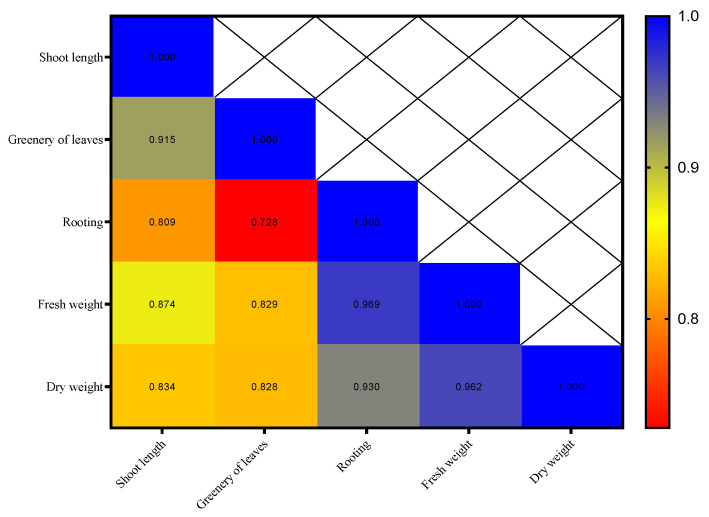 Figure 5
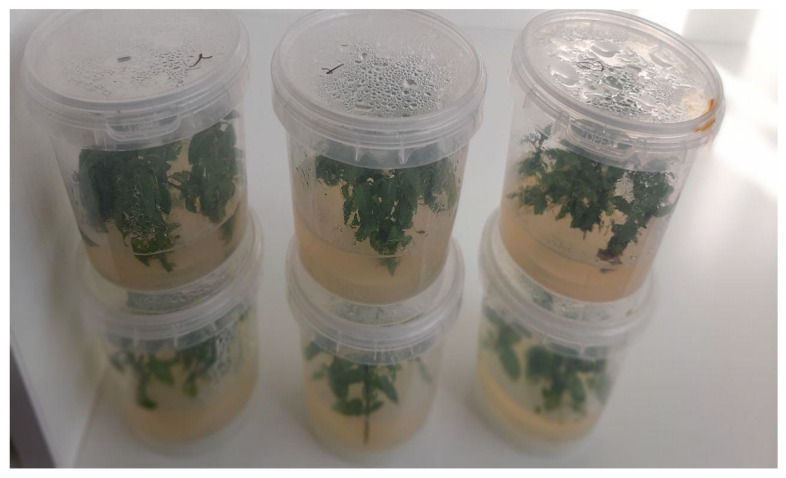 Figure 6
Peer Reviews
No public reviews on file for this paper yet. If you reviewed it on a platform where reviews are public (OpenReview, ICLR, NeurIPS, ICML), you can paste yours below so the community can read it here.
Videos
No videos yet. Explain this paper in a talk, walkthrough, or lecture? Add one.
Taxonomy
TopicsMoringa oleifera research and applications · Botany, Ecology, and Taxonomy Studies · Phytochemistry and Bioactivity Studies