Conceptual Design of a Hybrid Composite to Metal Joint for Naval Vessels Applications
Man Chi Cheung, Nenad Djordjevic, Chris Worrall, Rade Vignjevic, Mihalis Kazilas, Kevin Hughes

TL;DR
This paper introduces a new hybrid composite-metal joint design for naval vessels that is cost-effective and avoids the need for complex welding.
Contribution
A novel hybrid composite-metal joint design using friction stir-formed studs and resin infusion for naval applications is proposed.
Findings
The hybrid joint design was validated through simulation and experimental testing.
The joint's performance was evaluated in terms of force displacement and failure modes.
The design offers a cost-effective alternative to traditional welding methods.
Abstract
This paper describes the development of a new hybrid composite for the metal joints of aluminium and glass fibre composite adherents. The aluminium adherend is manufactured using friction stir-formed studs that are inserted into the composite adherend in the through-thickness direction during the composite manufacturing process, where the dry fibres are displaced to accommodate the studs before the resin infusion process. The materials used were AA6082-T6 aluminium and plain-woven E-glass fabric reinforced epoxy, with primary applications in naval vessels. This joining approach offers a cost-effective solution that does not require complicated onsite welding. The joint design was developed based on a simulation test program with finite element analysis, followed by experimental characterisation and validation. The design solution was analysed in terms of the force displacement response,…
Genes, proteins, chemicals, diseases, species, mutations and cell lines named across the full text — each resolved to its canonical identifier and authoritative record.
Click any figure to enlarge with its caption.
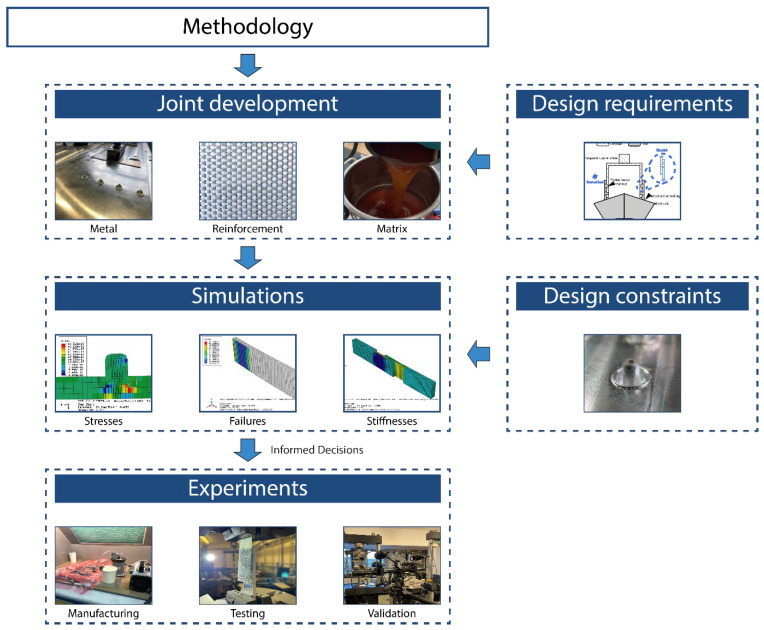 Figure 1
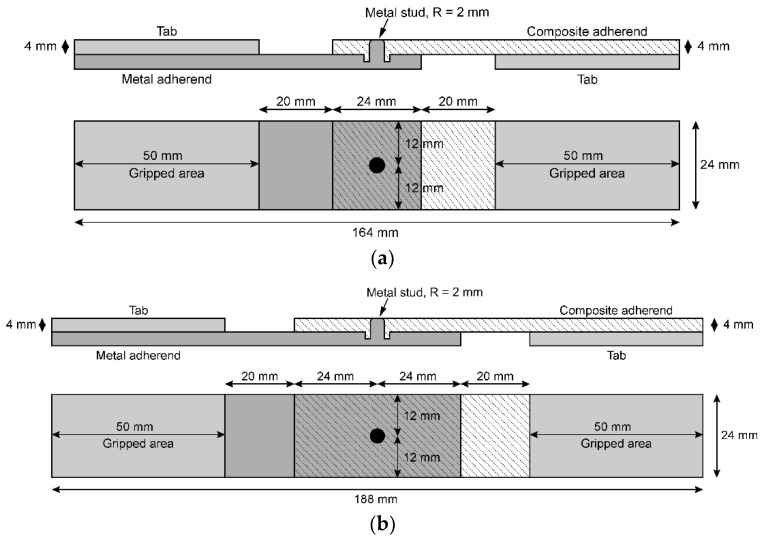 Figure 2
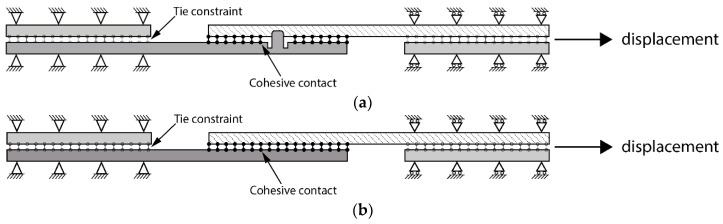 Figure 3
 Figure 4
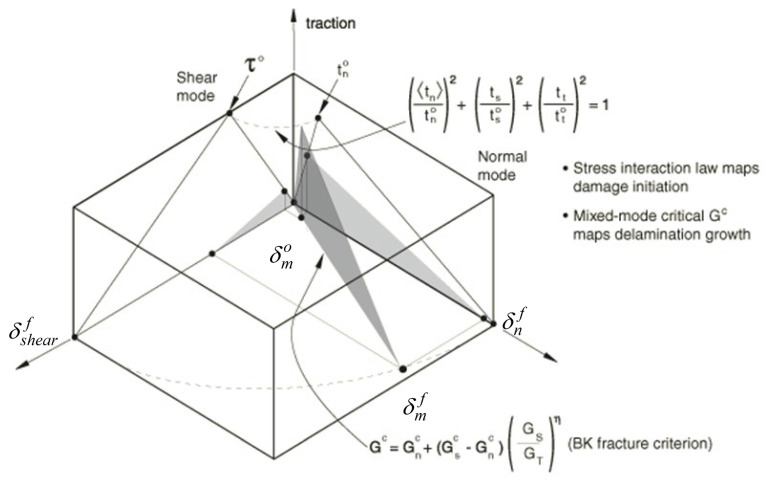 Figure 5
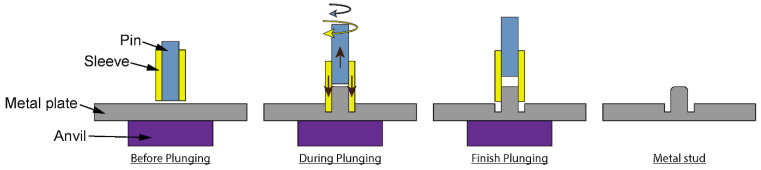 Figure 6
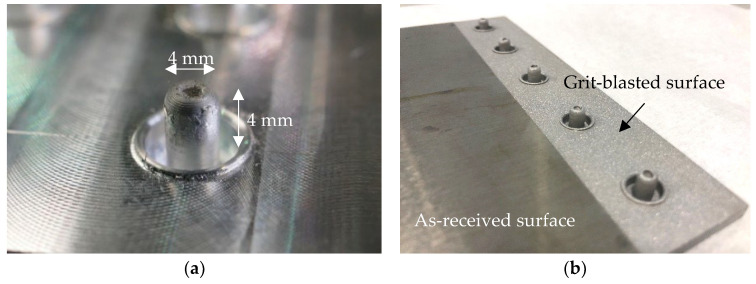 Figure 7
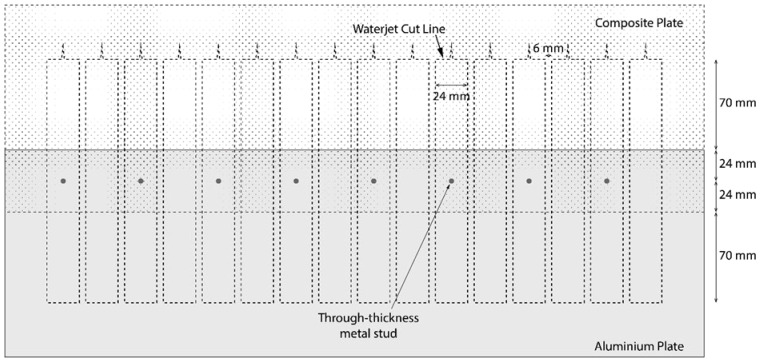 Figure 8
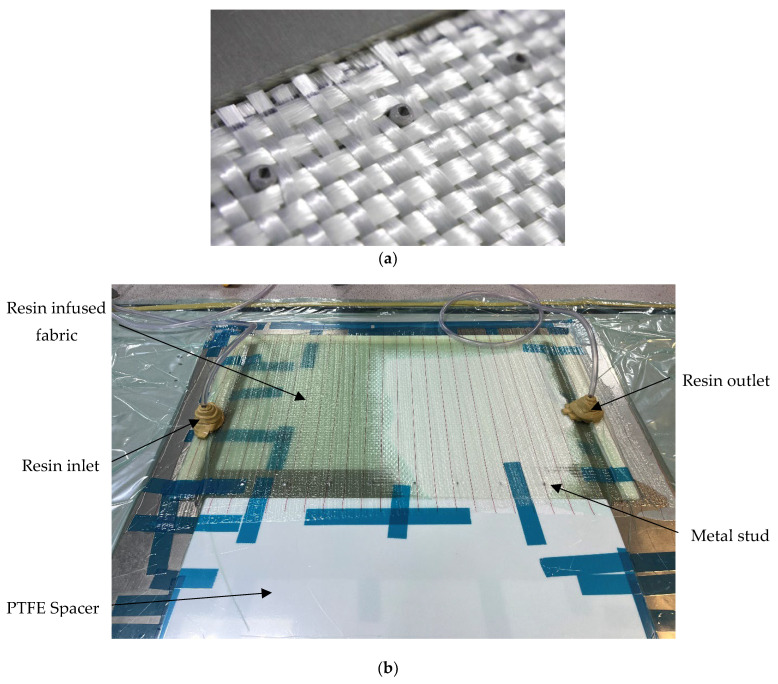 Figure 9
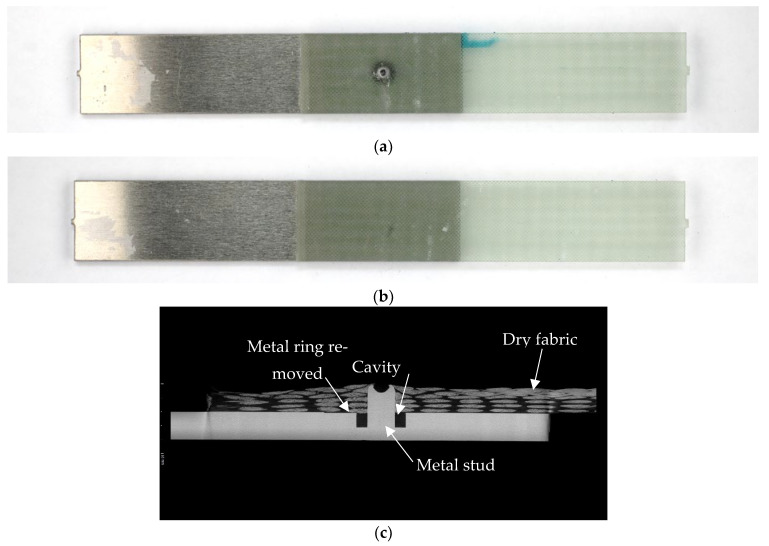 Figure 10
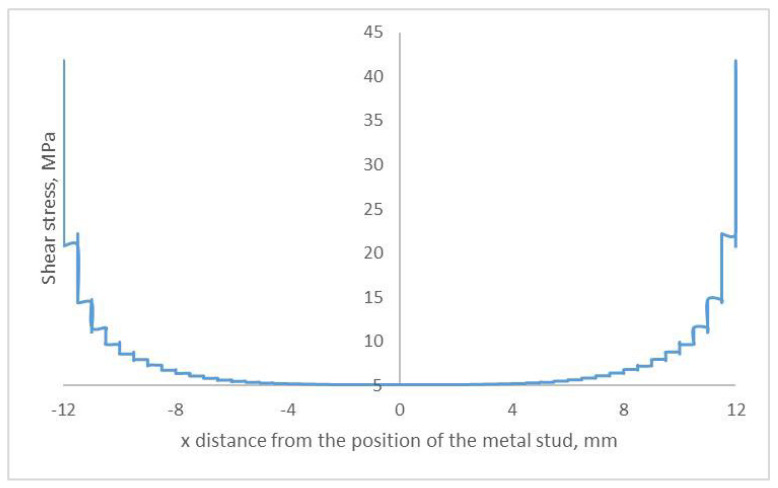 Figure 11
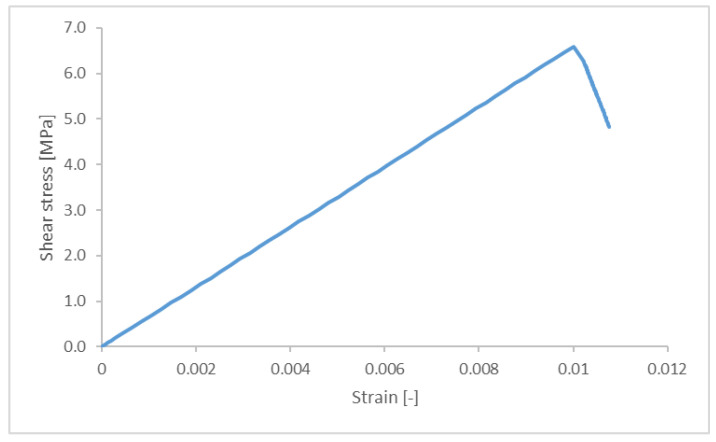 Figure 12
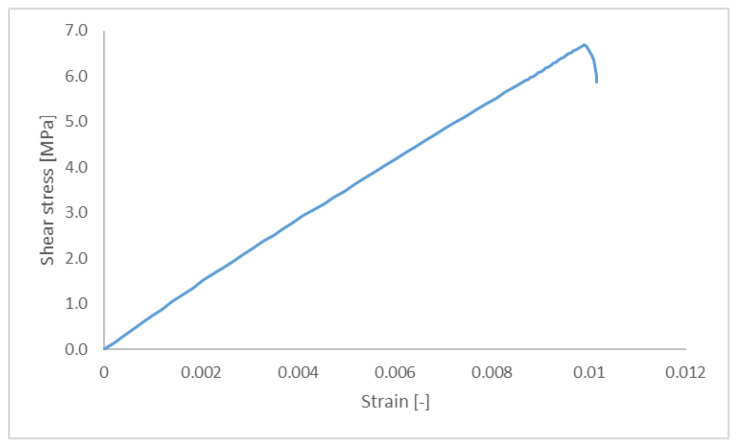 Figure 13
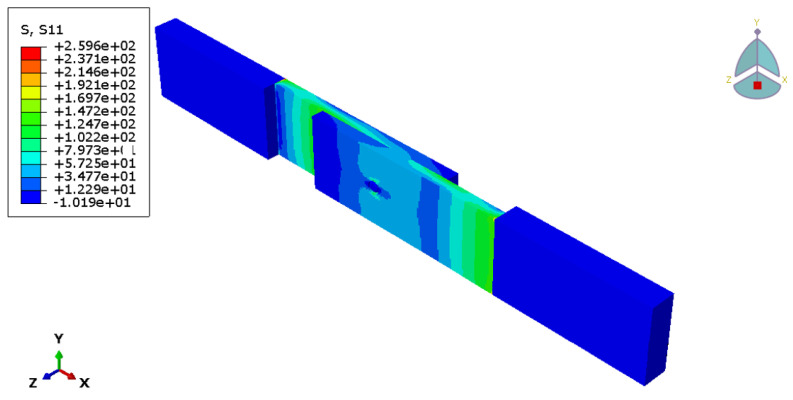 Figure 14
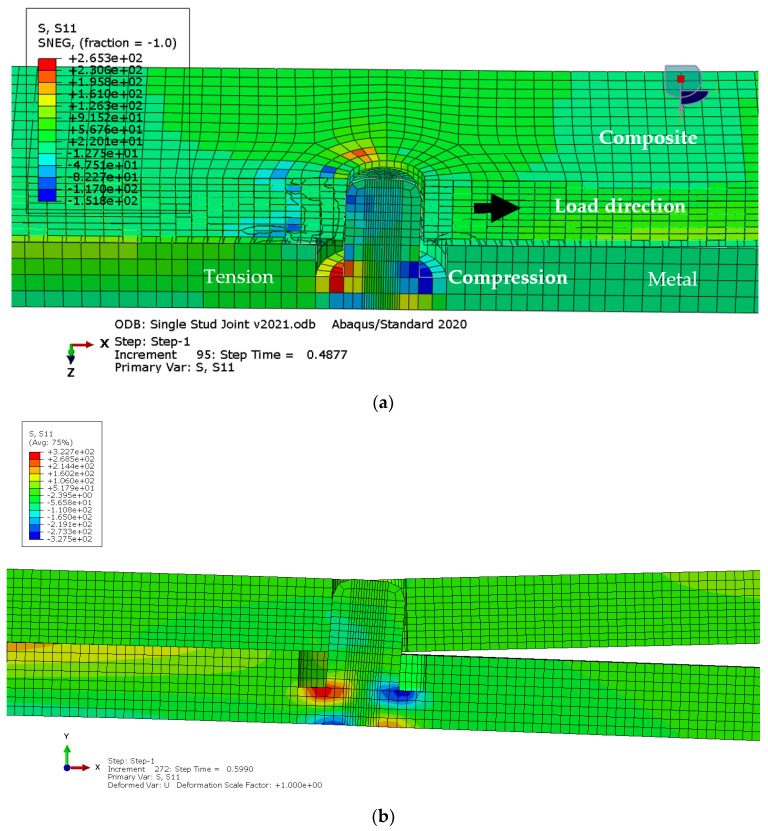 Figure 15
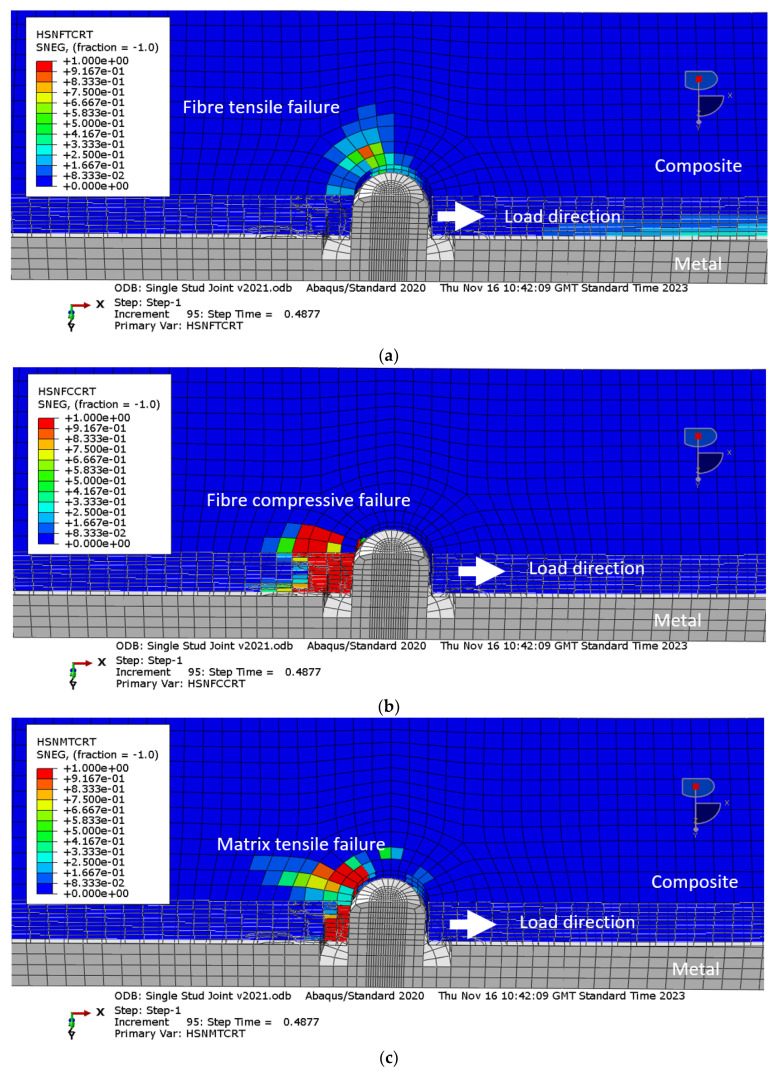 Figure 16
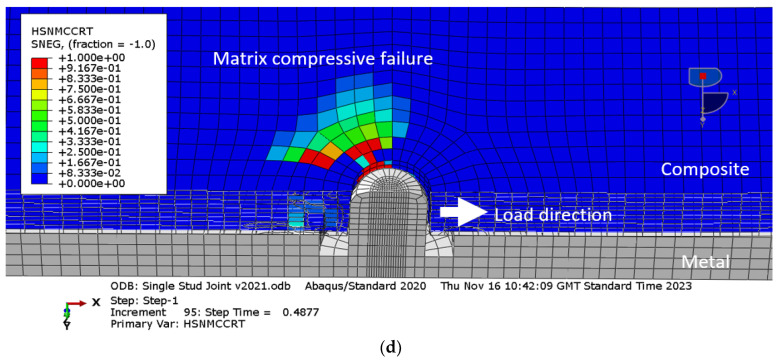 Figure 17
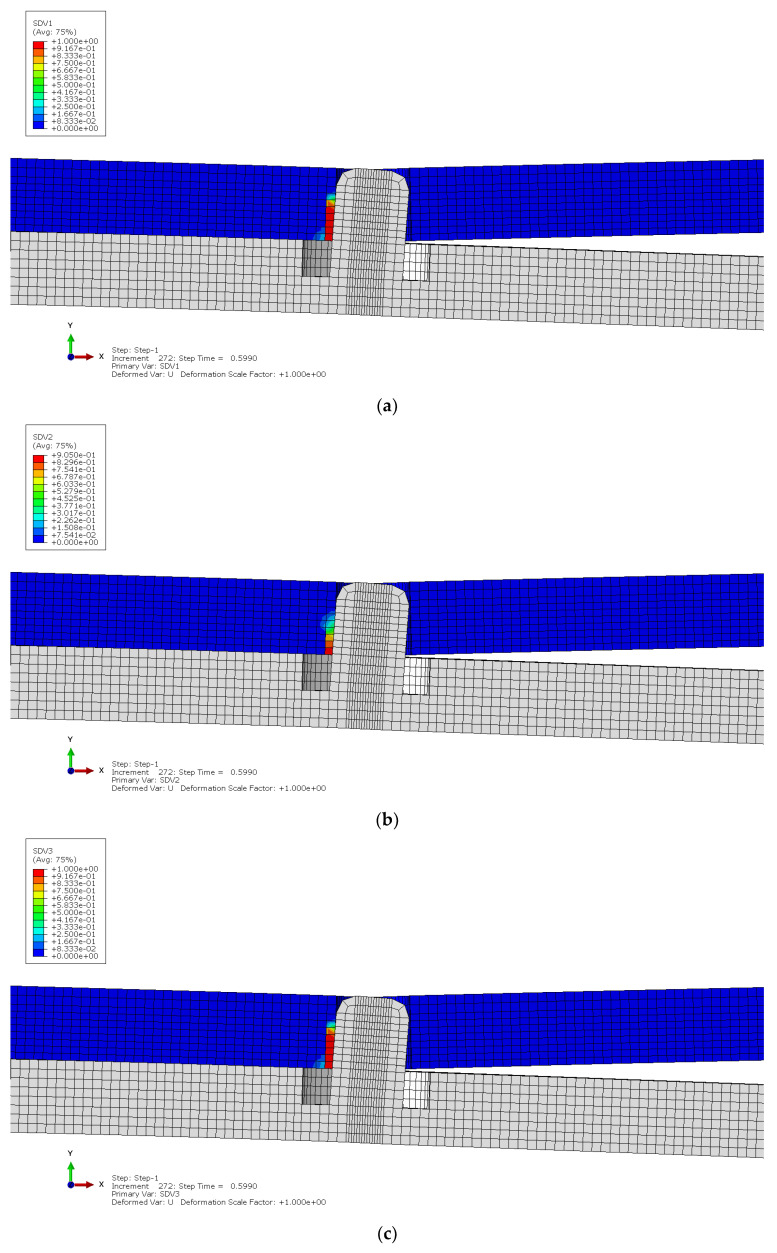 Figure 18
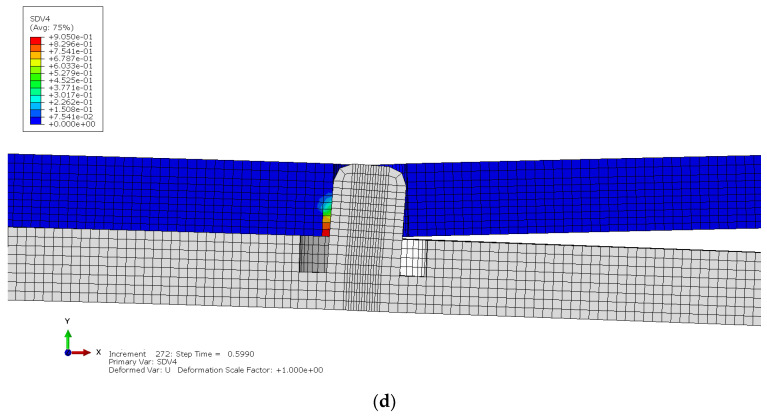 Figure 19
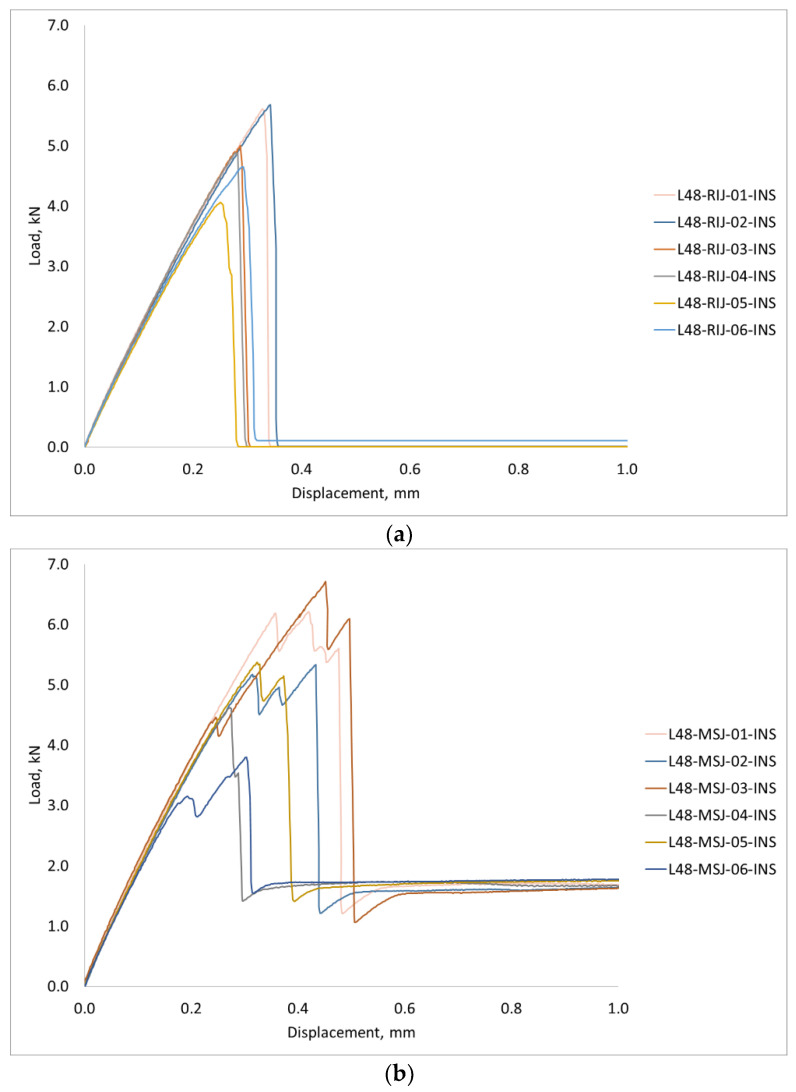 Figure 20
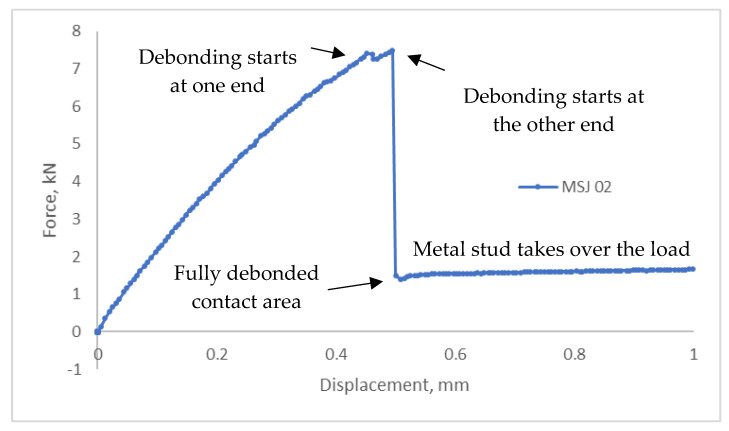 Figure 21
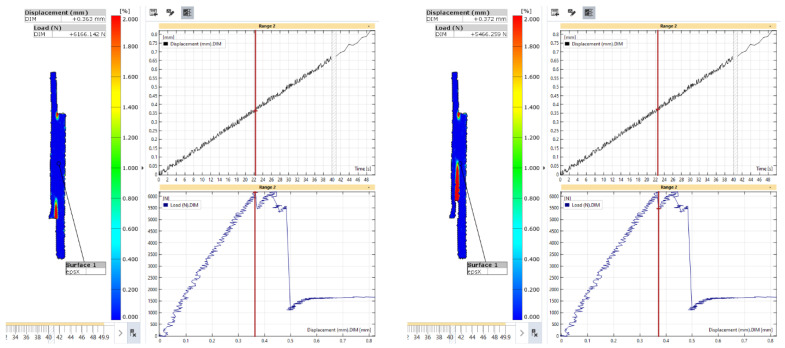 Figure 22
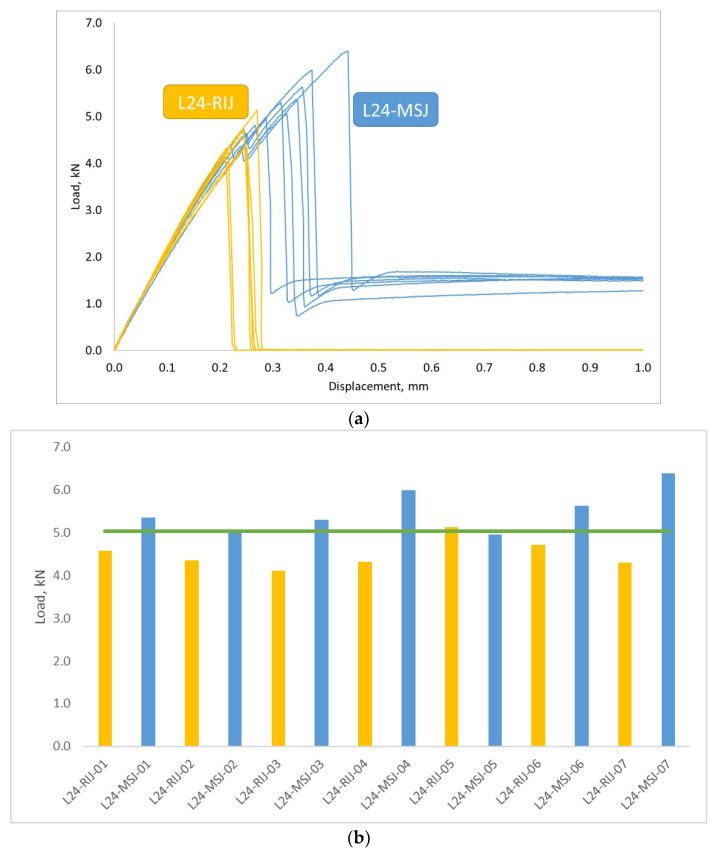 Figure 23
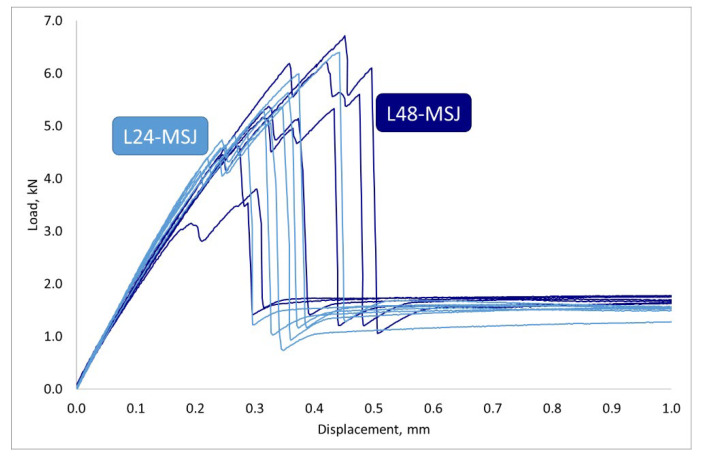 Figure 24
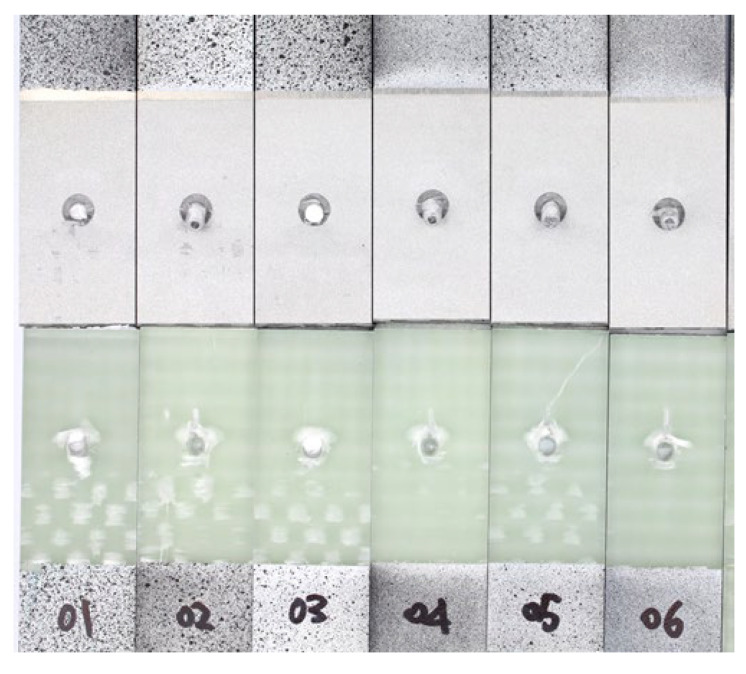 Figure 25
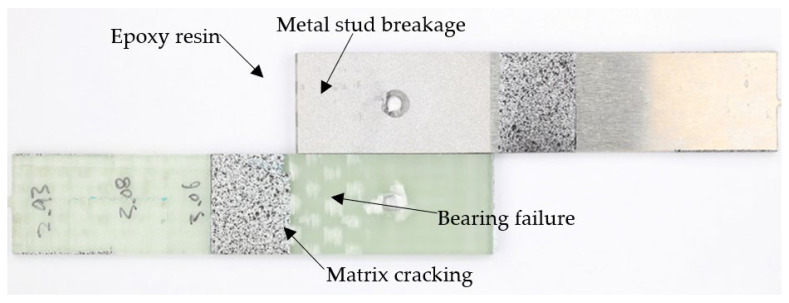 Figure 26
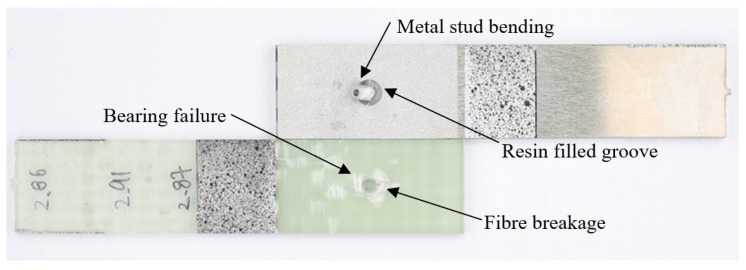 Figure 27
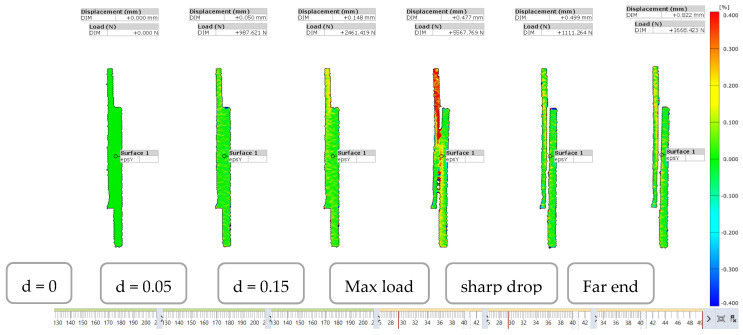 Figure 28
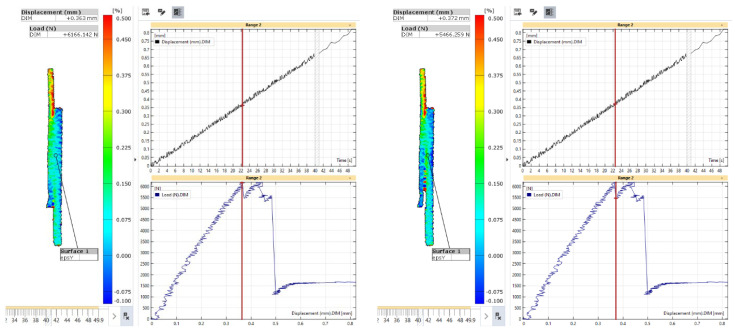 Figure 29
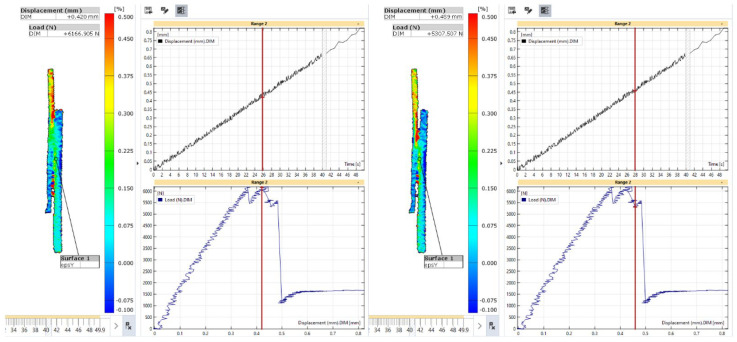 Figure 30
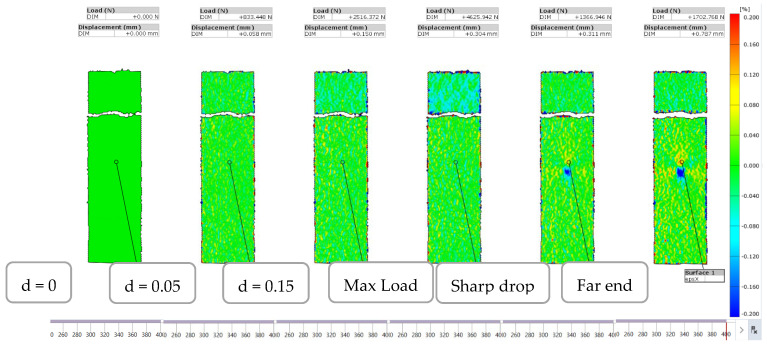 Figure 31
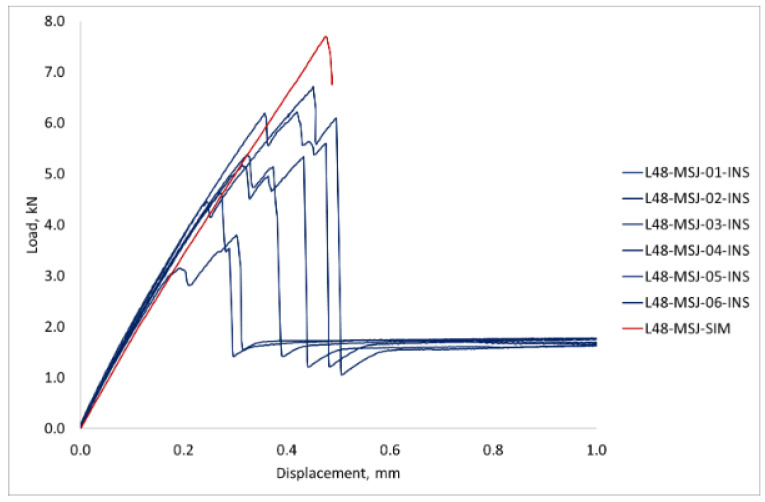 Figure 32
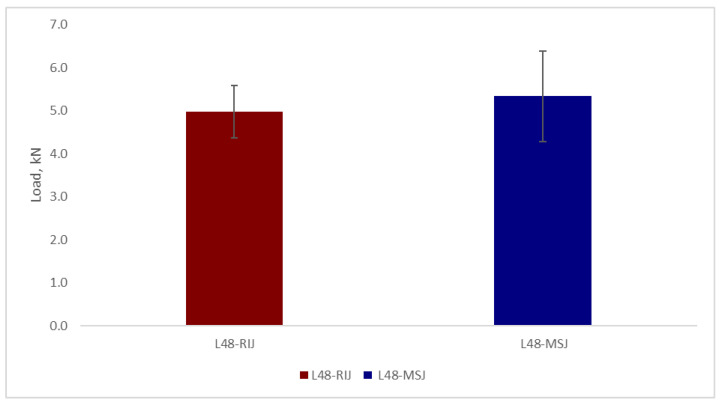 Figure 33
Peer Reviews
No public reviews on file for this paper yet. If you reviewed it on a platform where reviews are public (OpenReview, ICLR, NeurIPS, ICML), you can paste yours below so the community can read it here.
Videos
No videos yet. Explain this paper in a talk, walkthrough, or lecture? Add one.
Taxonomy
TopicsMechanical Behavior of Composites · Structural Behavior of Reinforced Concrete · Structural Load-Bearing Analysis