Effect of Plate Thickness on Residual Stress Distribution of GH3039 Superalloy Subjected to Laser Shock Peening
Yandong Ma, Maozhong Ge, Yongkang Zhang

TL;DR
This study examines how plate thickness affects residual stress in a superalloy after laser shock peening, using simulations and experiments.
Contribution
A modified Johnson-Cook constitutive equation is proposed to accurately predict the mechanical behavior of GH3039 under ultra-high strain rates.
Findings
The modified J-C equation accurately predicts residual stress fields in GH3039 alloy plates of different thicknesses.
Residual stress distribution varies with plate thickness due to differences in bending stiffness and wave coupling effects.
Simulated results align well with experimental measurements, validating the modified model.
Abstract
To accurately assess the effect of different plate thicknesses on the residual stress field of laser shock peened GH3039 superalloy, residual stress measurements were performed on GH3039 alloy plates with thicknesses of 2 mm and 5 mm after laser shock peening (LSP) treatment. Both quasi-static and high strain rate mechanical tests of GH3039 were conducted, and the Johnson-Cook (J-C) constitutive equation for GH3039 alloy at specific strain rates was fitted based on the experimental results. To obtain the parameter C in the J-C constitutive equation of GH3039 alloy under ultra-high strain rates, a modified method was proposed based on LSP experiment and finite element simulation results. Using the modified GH3039 alloy J-C constitutive equation, numerical simulations and comparative analyses of the residual stress field of GH3039 alloy plates of different thicknesses under LSP were…
Genes, proteins, chemicals, diseases, species, mutations and cell lines named across the full text — each resolved to its canonical identifier and authoritative record.
Click any figure to enlarge with its caption.
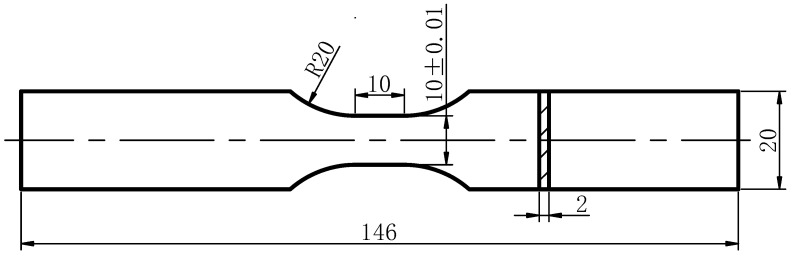 Figure 1
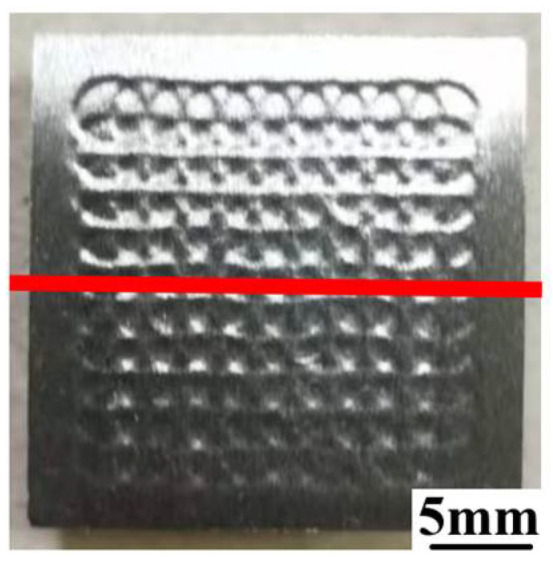 Figure 2
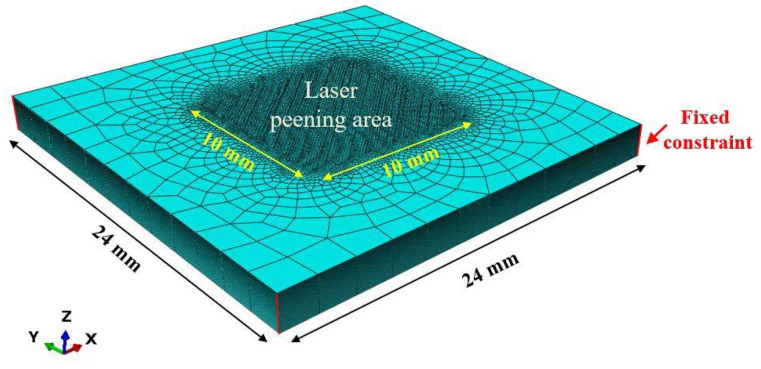 Figure 3
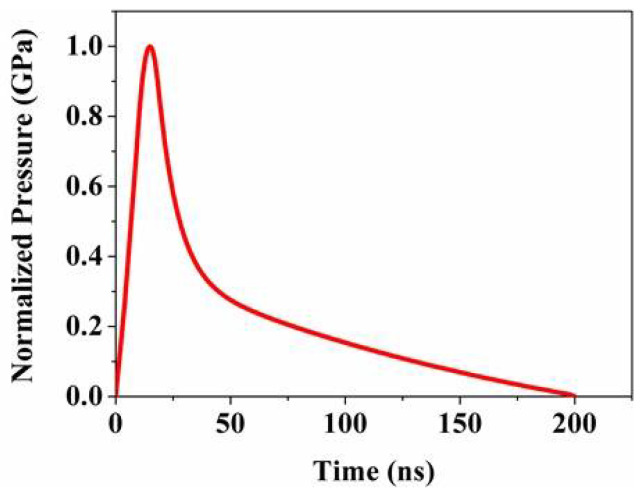 Figure 4
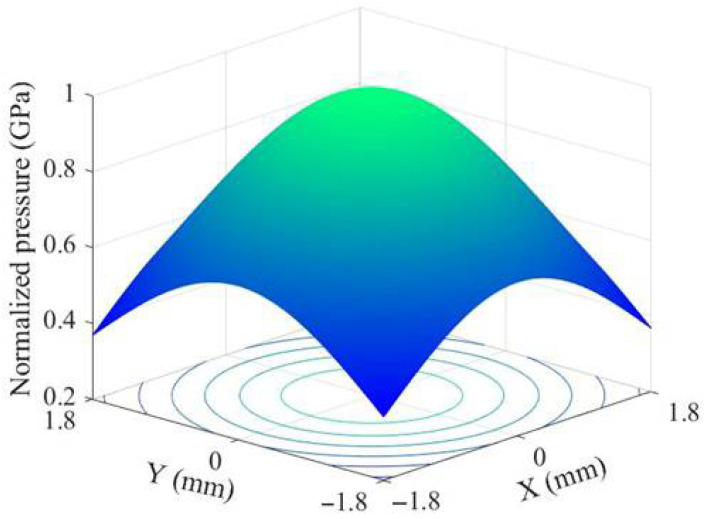 Figure 5
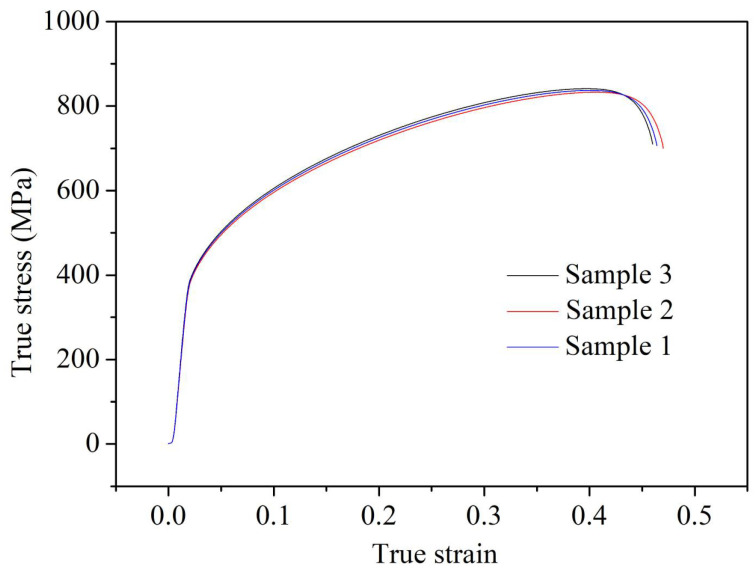 Figure 6
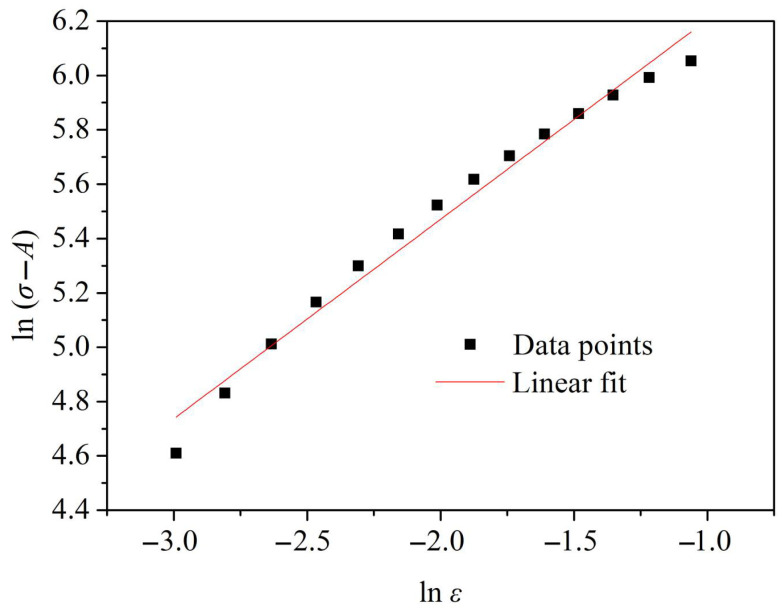 Figure 7
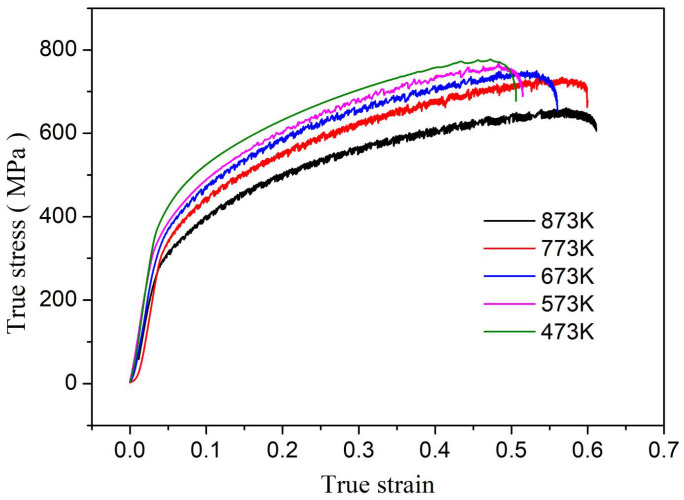 Figure 8
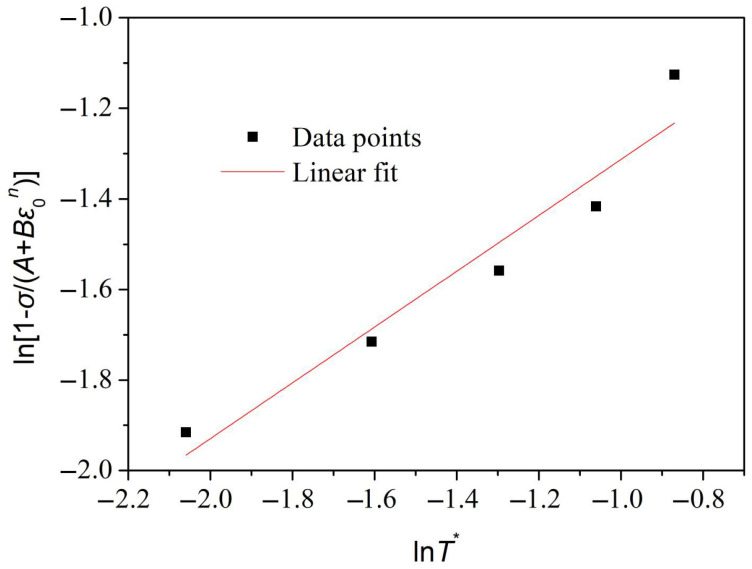 Figure 9
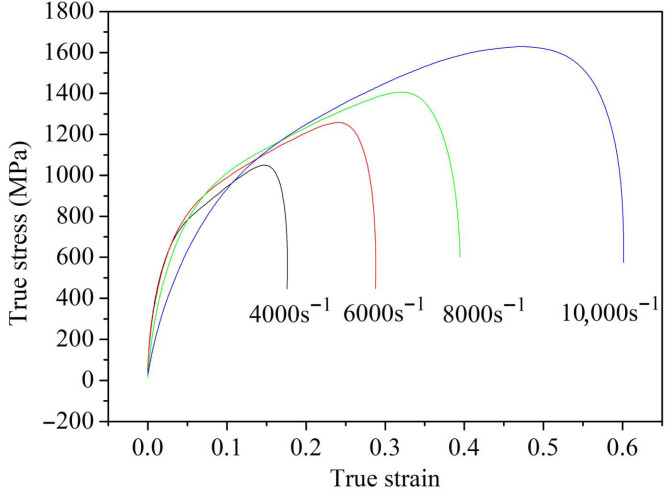 Figure 10
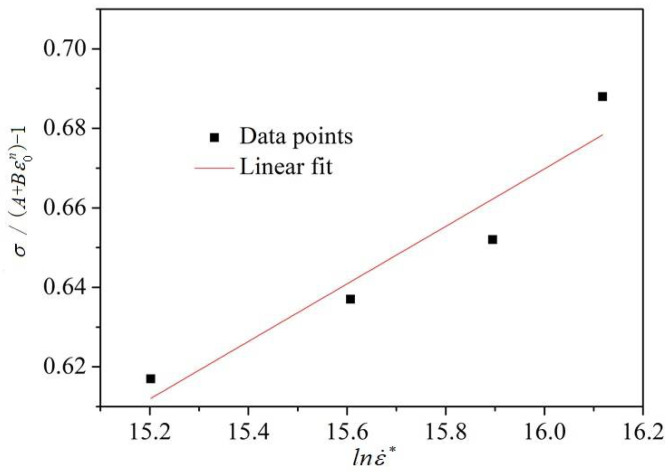 Figure 11
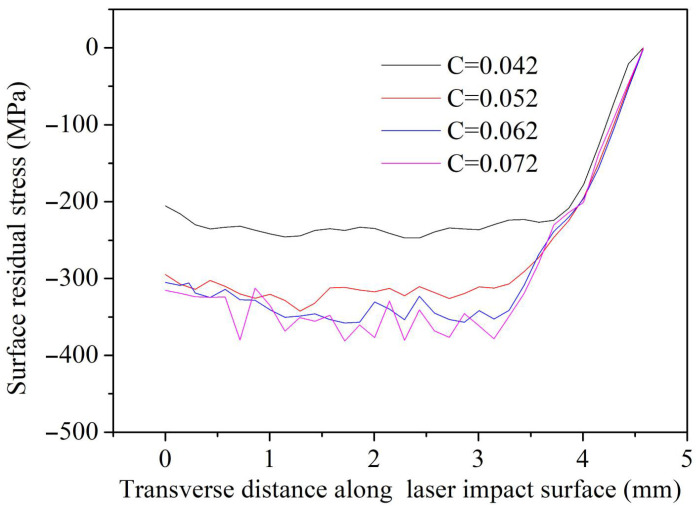 Figure 12
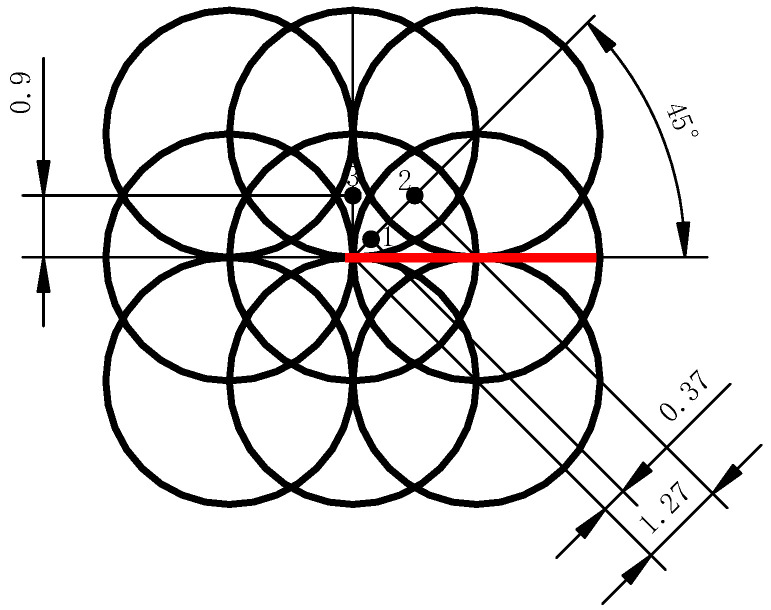 Figure 13
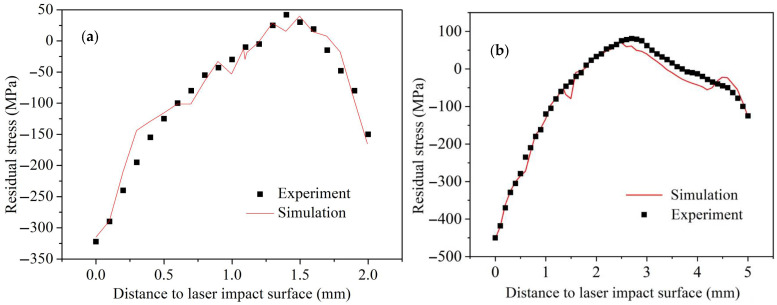 Figure 14
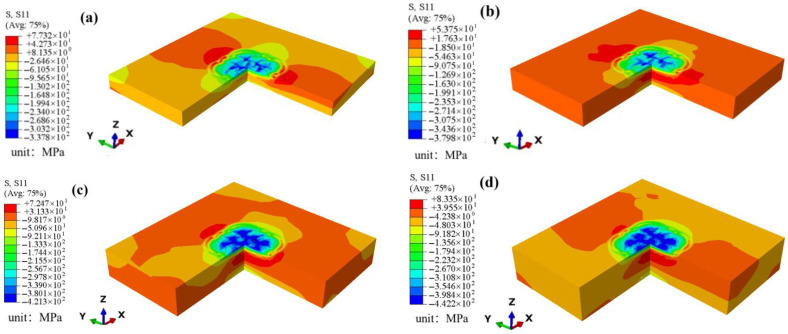 Figure 15
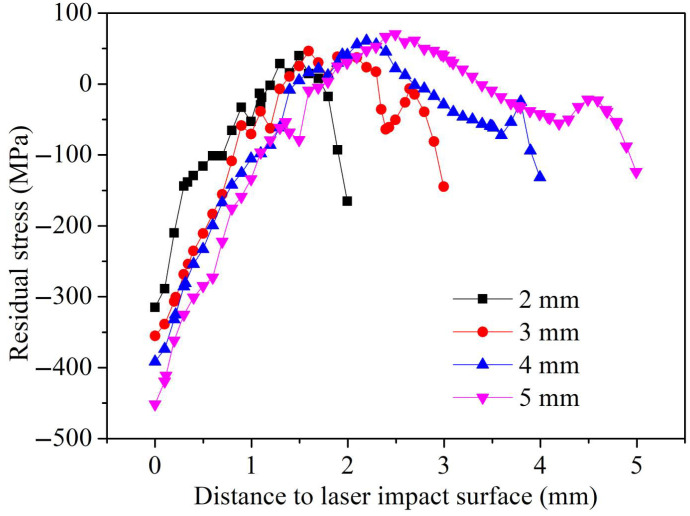 Figure 16
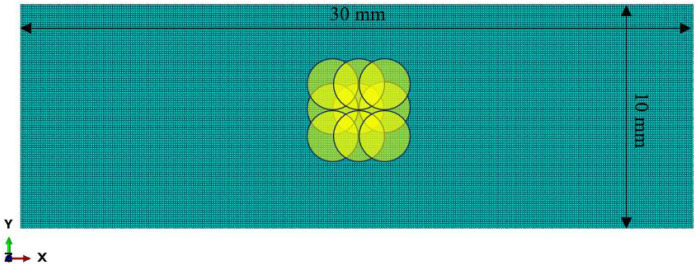 Figure 17
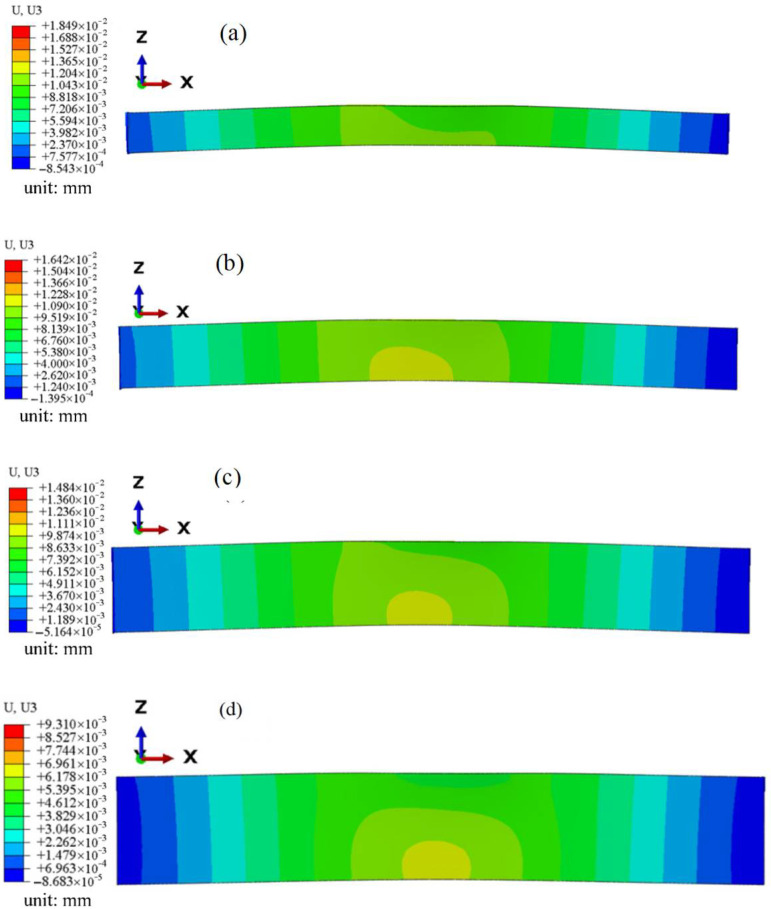 Figure 18
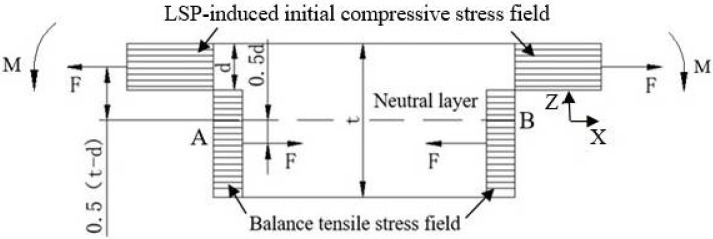 Figure 19
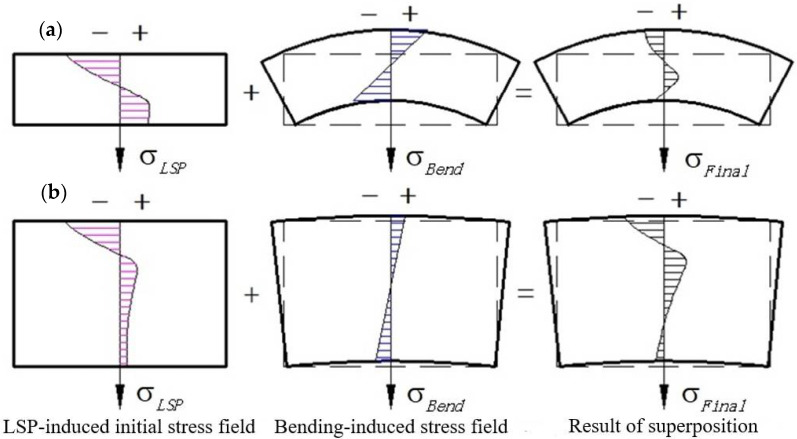 Figure 20
Peer Reviews
No public reviews on file for this paper yet. If you reviewed it on a platform where reviews are public (OpenReview, ICLR, NeurIPS, ICML), you can paste yours below so the community can read it here.
Videos
No videos yet. Explain this paper in a talk, walkthrough, or lecture? Add one.
Taxonomy
TopicsSurface Treatment and Residual Stress · High-Velocity Impact and Material Behavior · Erosion and Abrasive Machining