Effects of Zinc-Layered Filler Incorporation Routes on the Antimicrobial, Mechanical, and Physical Properties of Calcium Caseinate Biopolymeric Films
Maria E. Becerra, Reynell Pérez-Blanco, Oscar Giraldo, Lucia Medina-Pimentel, Christhy V. Ruiz

TL;DR
This study explores how adding zinc-based fillers to calcium caseinate films improves their strength, water resistance, and antimicrobial properties, making them a better sustainable packaging option.
Contribution
This is the first report of using zinc hydroxide nitrate in biopolymeric films and demonstrates a novel method to enhance their functional properties.
Findings
Wet-incorporated ZHN films showed significantly higher tensile strength (9.62 MPa) compared to the control (0.75 MPa).
ZHN-w films exhibited improved water resistance, reduced solubility, and better structural cohesion.
ZHN-w films demonstrated stronger antimicrobial activity against E. coli and S. aureus.
Abstract
As the demand for sustainable materials continues to grow, calcium caseinate (Cas) biopolymer films have emerged as promising alternatives to fossil-based plastics. However, their mechanical fragility and high-water sensitivity limit their application in packaging. In this study, we reinforced Cas films with zinc hydroxide nitrate (ZHN) using two incorporation methods: wet (ZHN-w) and dry (ZHN-d). We evaluated how each method affected the dispersion of the filler and, consequently, the functional properties of the films. To our knowledge, this is the first report of ZHN being used in biopolymeric films. Structural and morphological analyses showed better dispersion of ZHN in the wet-incorporated films. These samples exhibited a substantial increase in tensile strength, from 0.75 ± 0.00 MPa to 9.62 ± 2.45 MPa, along with a marked improvement in Young’s modulus. The films also became less…
Genes, proteins, chemicals, diseases, species, mutations and cell lines named across the full text — each resolved to its canonical identifier and authoritative record.
Click any figure to enlarge with its caption.
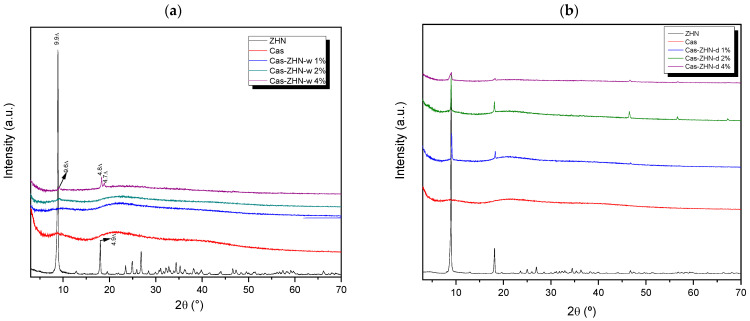 Figure 1
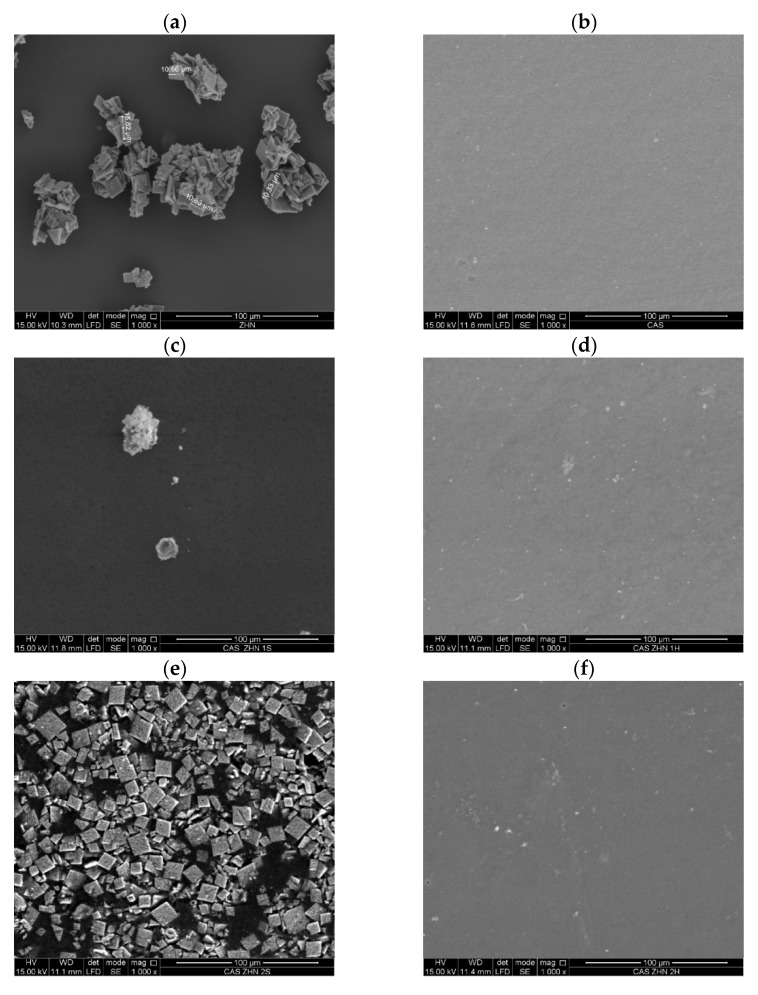 Figure 2
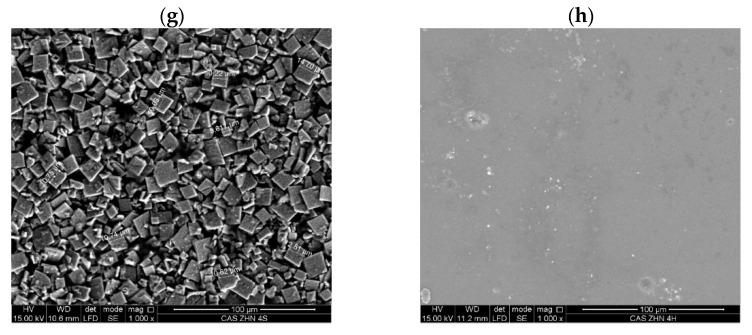 Figure 3
 Figure 4
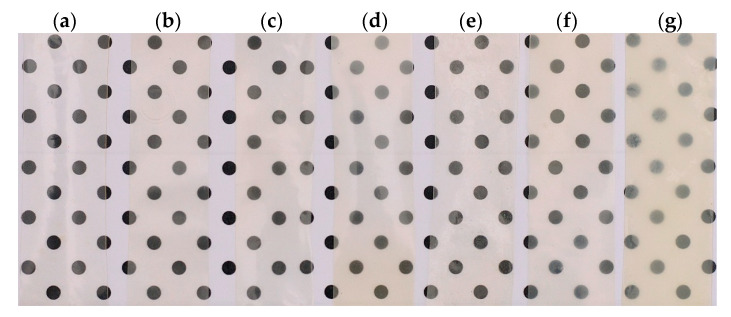 Figure 5
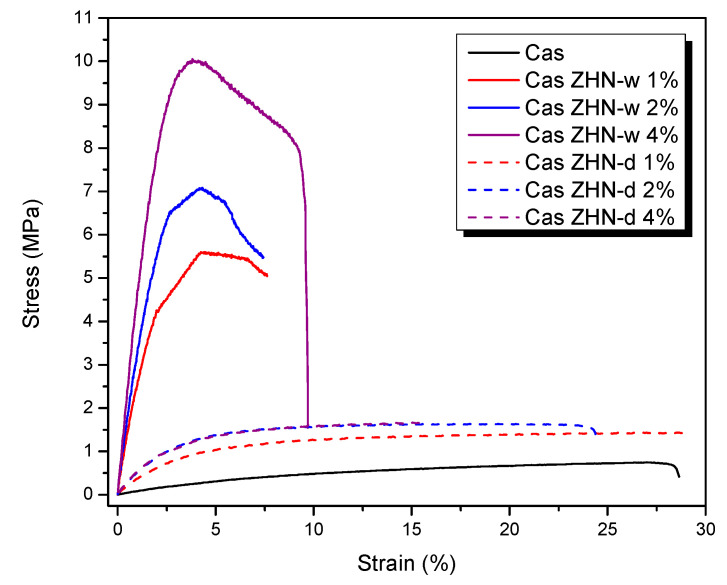 Figure 6
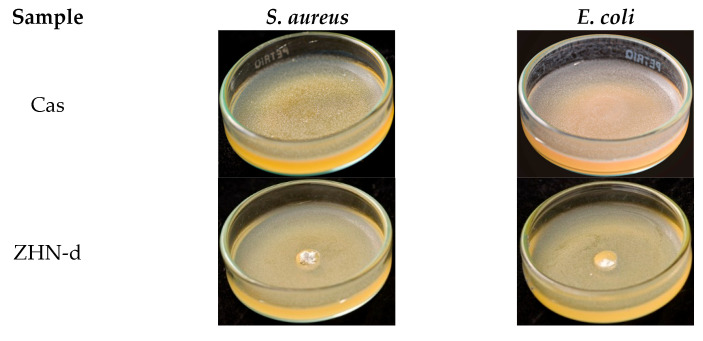 Figure 7
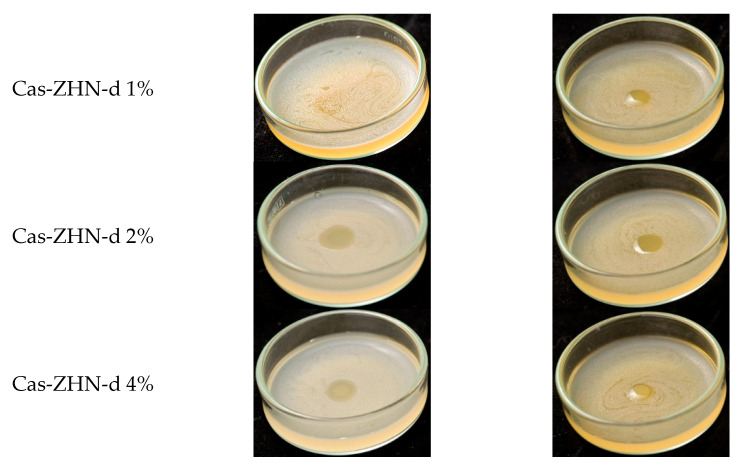 Figure 8
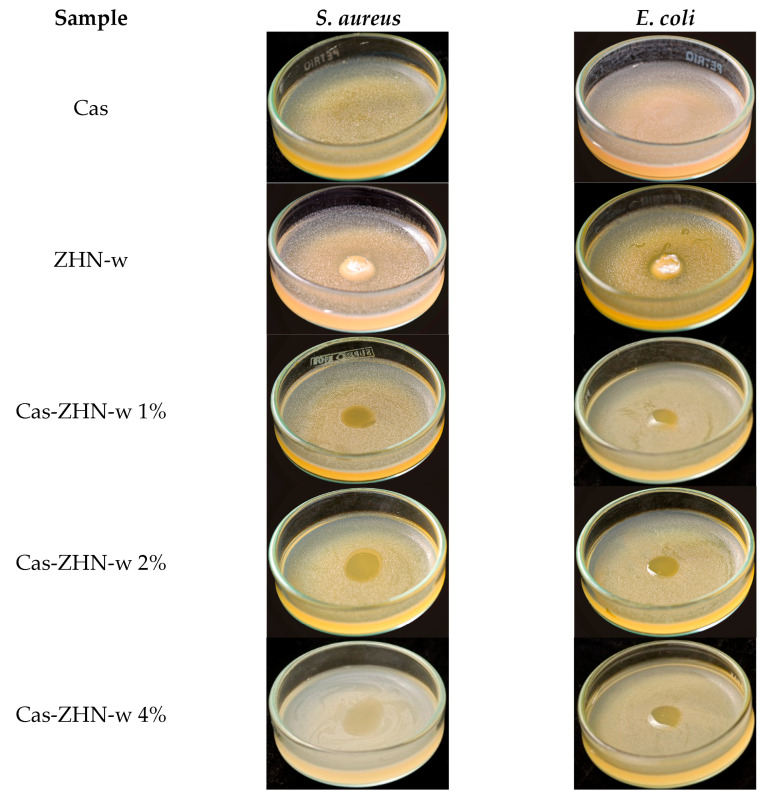 Figure 9
Peer Reviews
No public reviews on file for this paper yet. If you reviewed it on a platform where reviews are public (OpenReview, ICLR, NeurIPS, ICML), you can paste yours below so the community can read it here.
Videos
No videos yet. Explain this paper in a talk, walkthrough, or lecture? Add one.
Taxonomy
TopicsNanocomposite Films for Food Packaging · biodegradable polymer synthesis and properties · Microplastics and Plastic Pollution