Gut Hormones and Postprandial Metabolic Effects of Isomaltulose vs. Saccharose Consumption in People with Metabolic Syndrome
Jiudan Zhang, Dominik Sonnenburg, Stefan Kabisch, Stephan Theis, Margrit Kemper, Olga Pivovarova-Ramich, Domenico Tricò, Sascha Rohn, Andreas F. H. Pfeiffer

TL;DR
This study compares how isomaltulose and saccharose affect gut hormones and blood sugar in people with metabolic syndrome, finding that isomaltulose is more effective when consumed 3 hours before a meal.
Contribution
The study identifies the optimal preprandial timing for isomaltulose to enhance gut hormone responses and improve postprandial glucose control in metabolic syndrome.
Findings
Isomaltulose blunts the glucose ascent rate compared to saccharose.
Isomaltulose increases and sustains GLP-1 and PYY levels more effectively than saccharose.
Consuming isomaltulose 3 hours before a meal enhances PYY secretion and the second meal effect.
Abstract
Background: Low-glycemic index (GI) carbohydrates like isomaltulose (ISO) are known to enhance incretin release and to improve postprandial glucose control at the following meal (an effect known as second meal effect, or SME), which is particularly beneficial for individuals with metabolic syndrome (MetS). This study aimed to assess the most effective preprandial interval of ISO- or saccharose (SUC) snacks (1 h vs. 3 h preload) to enhance prandial incretin responses to a subsequent meal. Methods: In a randomized crossover design, 15 participants with MetS completed four experimental conditions on four non-consecutive days, combining two preload types (ISO or SUC) and two preload timings (Intervention A: 3 h preload; Intervention B: 1 h preload). Specifically, the four conditions were (1) ISO + Intervention A, (2) SUC + Intervention A, (3) ISO + Intervention B, and (4) SUC + Intervention…
Genes, proteins, chemicals, diseases, species, mutations and cell lines named across the full text — each resolved to its canonical identifier and authoritative record.
Click any figure to enlarge with its caption.
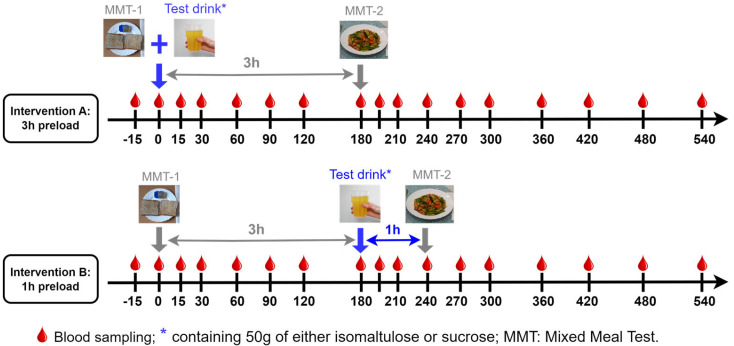 Figure 1
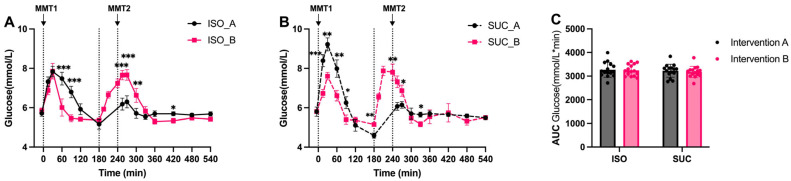 Figure 2
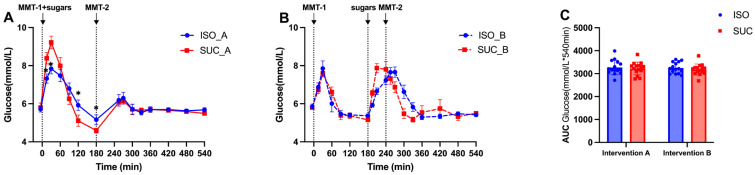 Figure 3
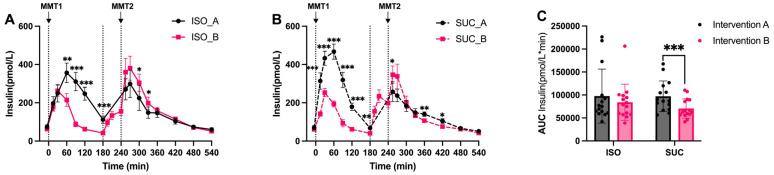 Figure 4
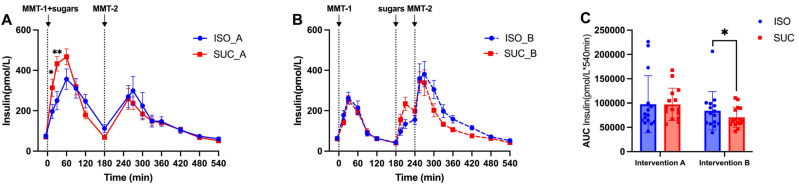 Figure 5
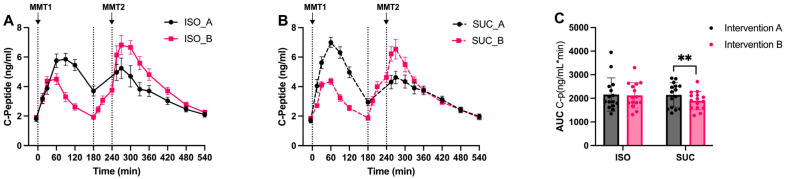 Figure 6
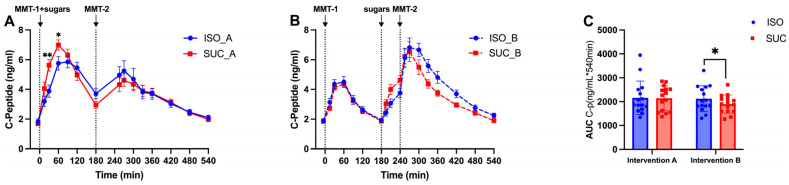 Figure 7
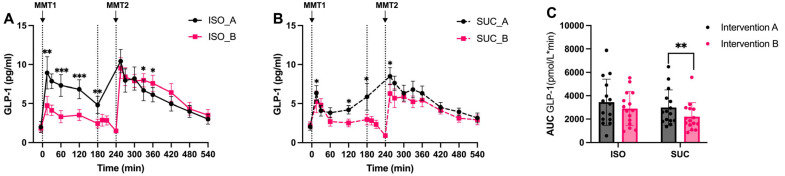 Figure 8
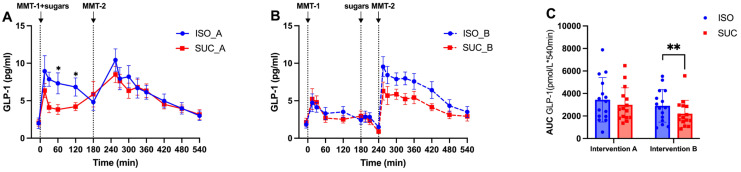 Figure 9
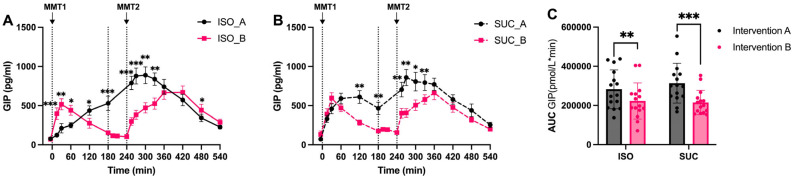 Figure 10
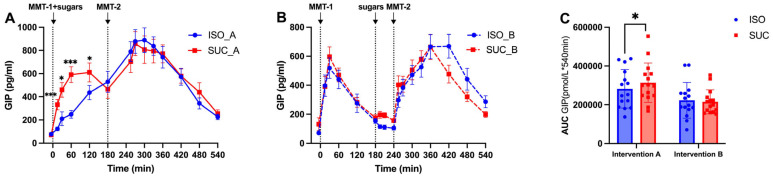 Figure 11
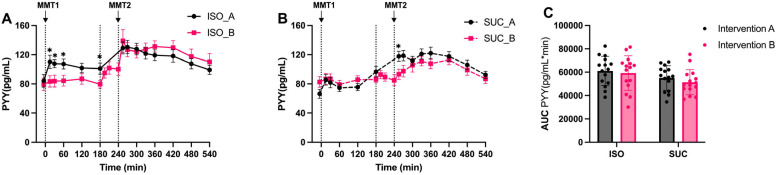 Figure 12
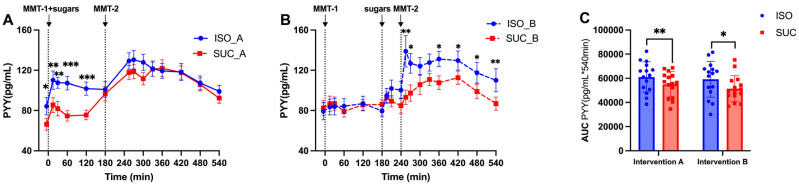 Figure 13
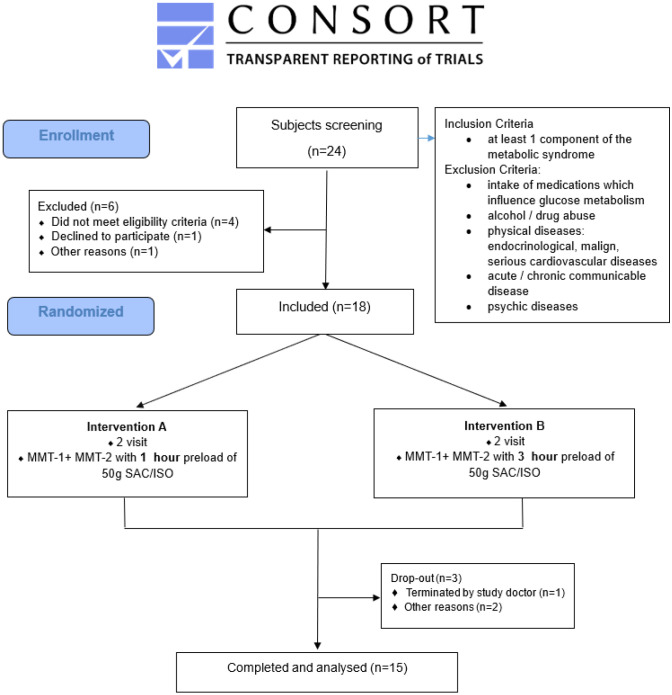 Figure 14
Peer Reviews
No public reviews on file for this paper yet. If you reviewed it on a platform where reviews are public (OpenReview, ICLR, NeurIPS, ICML), you can paste yours below so the community can read it here.
Videos
No videos yet. Explain this paper in a talk, walkthrough, or lecture? Add one.
Taxonomy
TopicsDiabetes Treatment and Management · Metabolism, Diabetes, and Cancer · Pharmacology and Obesity Treatment