Polyphosphoramidate Glycohydrogels with Biorecognition Properties and Potential Antibacterial Activity
Zornica Todorova, Oyundari Tumurbaatar, Violeta Mitova, Neli Koseva, Iva Ugrinova, Penka Petrova, Kolio Troev

TL;DR
A new biodegradable glycohydrogel was developed with antibacterial properties and potential uses in biosensors and wound dressings.
Contribution
The first biodegradable and non-toxic polyphosphoramidate glycohydrogel with biorecognition and antibacterial activity is synthesized.
Findings
The hydrogel binds 92% of Concanavalin A within 24 hours and remains stable until 0.3 mM glucose is present.
The gel degrades fully in 19 days with alkaline phosphatase and shows 52% hydrolytic degradation.
The hydrogel supports silver nanoparticles and exhibits antibacterial activity against skin pathogens.
Abstract
In the present study, for the first time, a biodegradable and non-toxic polyphosphoramidate glycohydrogel (PPAGHGel) was prepared by crosslinking a polyphosphoramidate glycoconjugate (PPAG) with hexamethylene diisocyanate (HMDI) under mild conditions. Poly(oxyethylene H-phosphonate) (POEHP) was used as a precursor and was converted into PPAG via the Staudinger reaction with glucose-containing azide (2-p-azidobenzamide-2-deoxy-1,3,4,6-tetra-O-trimethylsilyl-α-D-glucopyranose). Then, crosslinking of PPAG was performed to yield PPAGHGel, which was thoroughly characterized. The gel showed a gel fraction of 83%, a swelling degree of 1426 ± 98%, and G″ = 1560 ± 65 Pa. The gel was fully degraded by alkaline phosphatase (400 U/L, pH 9) in 19 days, while hydrolytically, up to 52% degradation was observed under similar conditions. Multivalent studies of the obtained hydrogel with…
Genes, proteins, chemicals, diseases, species, mutations and cell lines named across the full text — each resolved to its canonical identifier and authoritative record.
Click any figure to enlarge with its caption.
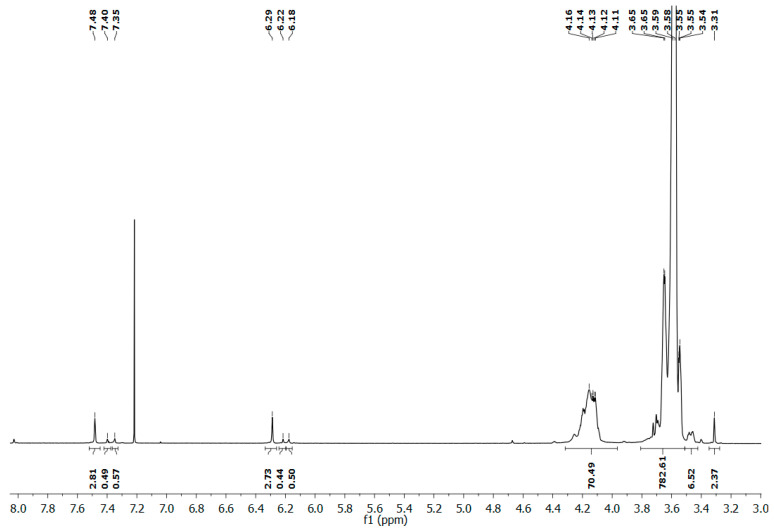 Figure 1
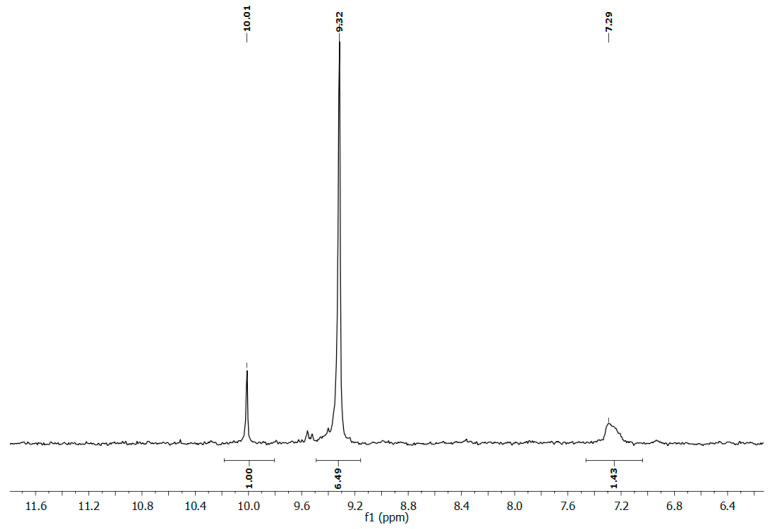 Figure 2
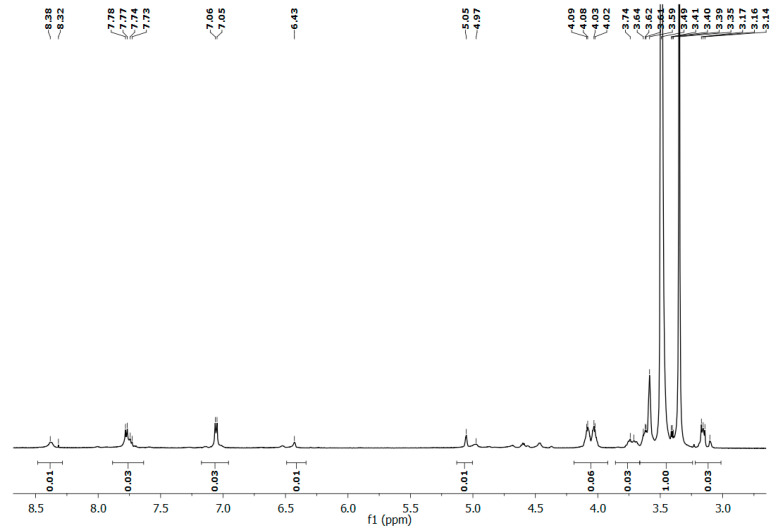 Figure 3
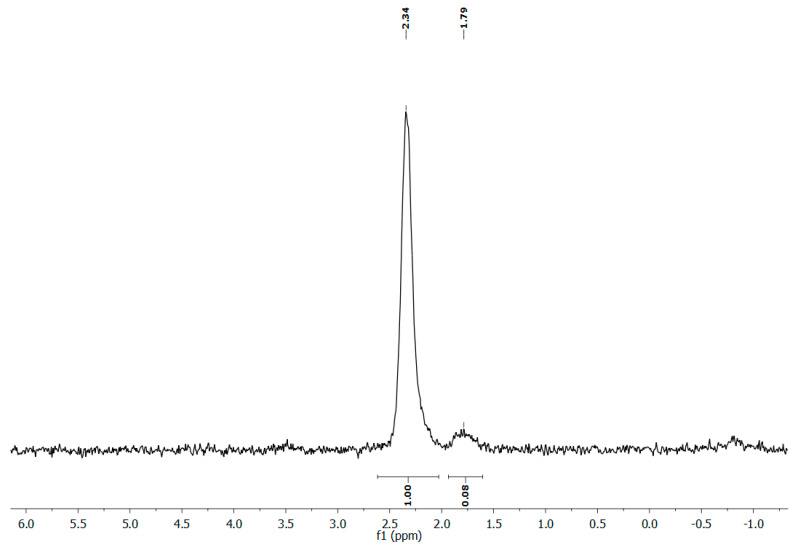 Figure 4
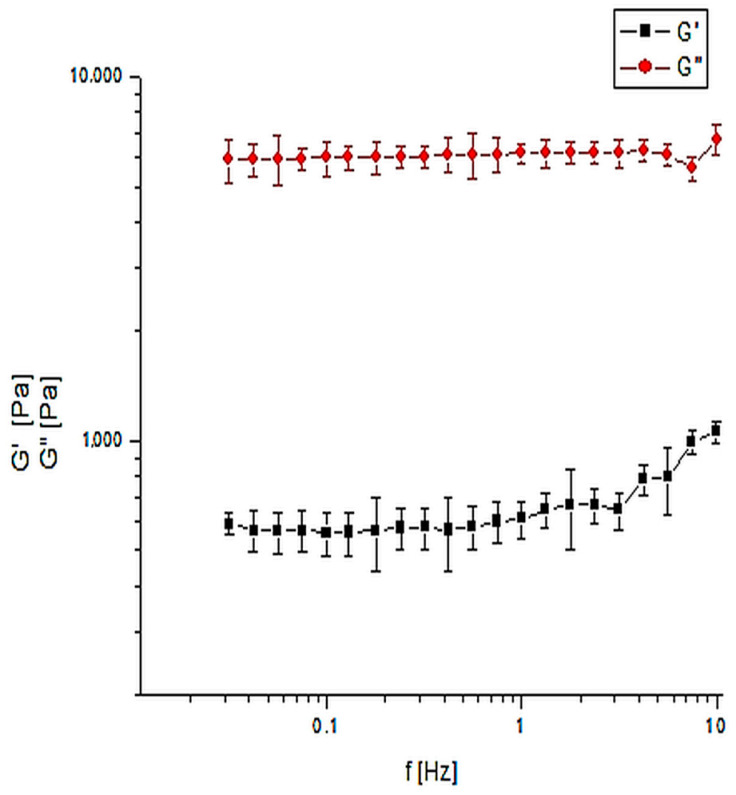 Figure 5
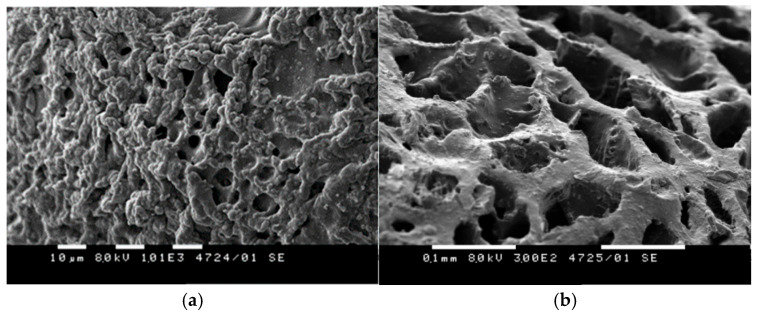 Figure 6
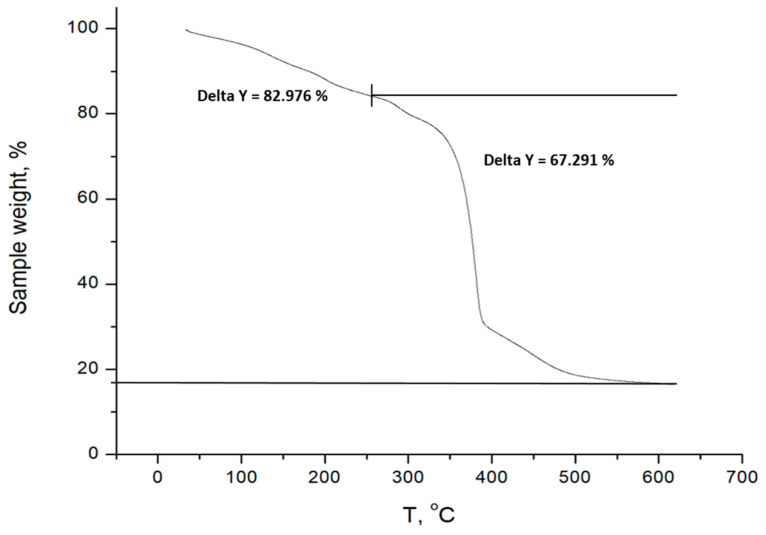 Figure 7
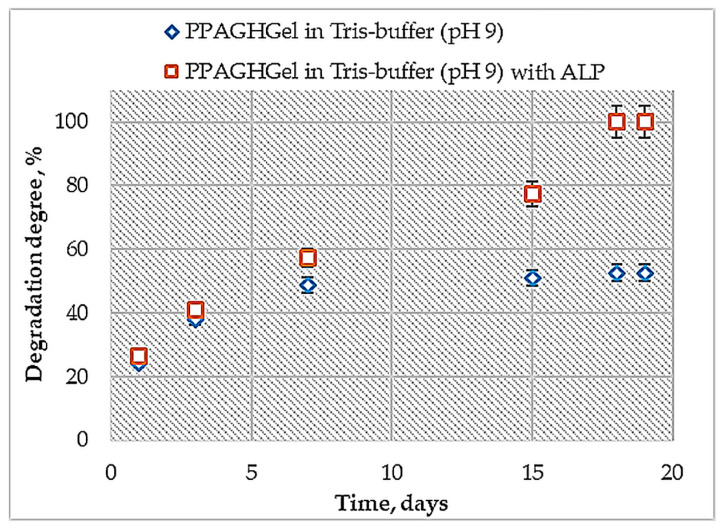 Figure 8
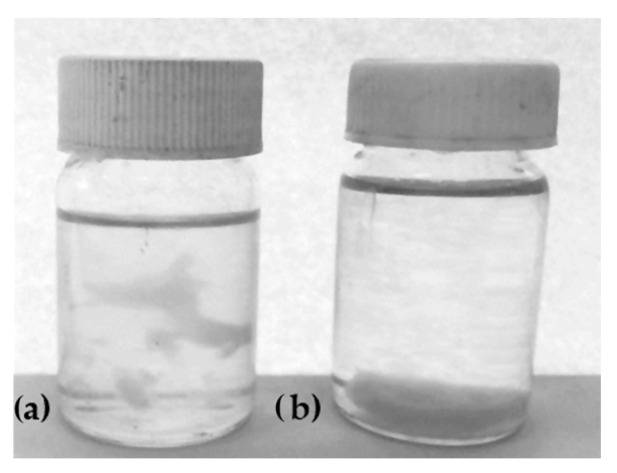 Figure 9
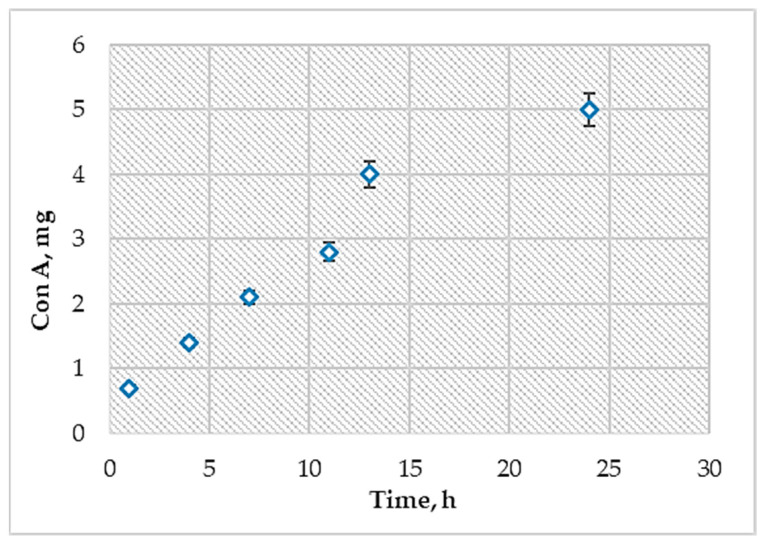 Figure 10
 Figure 11
 Figure 12
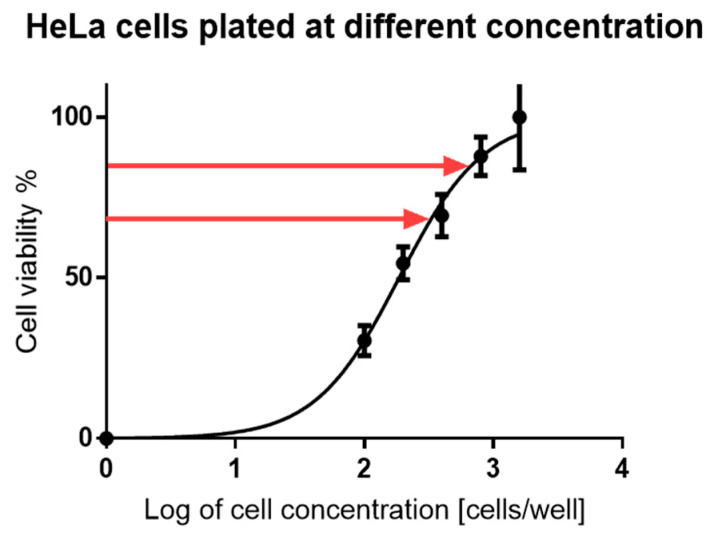 Figure 13
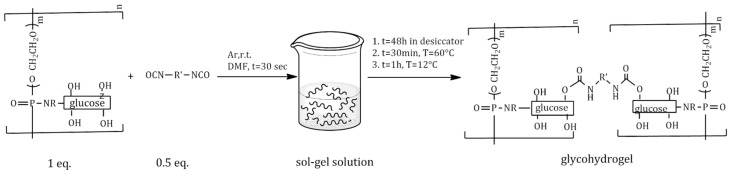 Figure 14
Peer Reviews
No public reviews on file for this paper yet. If you reviewed it on a platform where reviews are public (OpenReview, ICLR, NeurIPS, ICML), you can paste yours below so the community can read it here.
Videos
No videos yet. Explain this paper in a talk, walkthrough, or lecture? Add one.
Taxonomy
TopicsHydrogels: synthesis, properties, applications · Graphene and Nanomaterials Applications · Nanoparticle-Based Drug Delivery