Photodegradation of Polyethylene Terephthalate and Bis(2-hydroxyethyl) Terephthalate Using Excimer Lamps and Hydrogen Peroxide: A Strategy for PET–Derived Waste Treatment
Ángel Navarro-García, María Gómez, María D. Murcia, Elisa Gómez, Asunción M. Hidalgo, Luis A. Dorado, Josefa Bastida

TL;DR
This paper explores using excimer lamps and hydrogen peroxide to break down PET waste components, offering a promising strategy for recycling.
Contribution
The study introduces excimer lamp-based Advanced Oxidation Processes for degrading PET monomers, a novel approach in waste treatment.
Findings
KrCl excimer lamps effectively degrade bis(2-hydroxyethyl) terephthalate and terephthalic acid.
Hydrogen peroxide enhances degradation efficiency when used with excimer lamps.
Optimal conditions depend on the H2O2/monomer mass ratio and reaction volume.
Abstract
Polyethylene terephthalate (PET) is a widely used polymer whose accumulation in the environment poses a significant pollution challenge. This study explores the degradation of bis(2-hydroxyethyl) terephthalate (BHET) and terephthalic acid (TPA)—two monomers commonly produced during PET hydrolysis and widely used as intermediates in PET recycling—through Advanced Oxidation Processes (AOPs) employing KrCl (222 nm) and XeBr (283 nm) excimer lamps in the presence of hydrogen peroxide (H2O2). The effects of the H2O2/monomer mass ratio, initial monomer concentrations, and reaction volume on degradation efficiency were systematically evaluated. The results demonstrate that excimer lamp technology, particularly KrCl, holds promising potential for the effective degradation of both BHET and TPA, and thus represents a viable strategy for PET waste treatment.
Genes, proteins, chemicals, diseases, species, mutations and cell lines named across the full text — each resolved to its canonical identifier and authoritative record.
Click any figure to enlarge with its caption.
 Figure 1
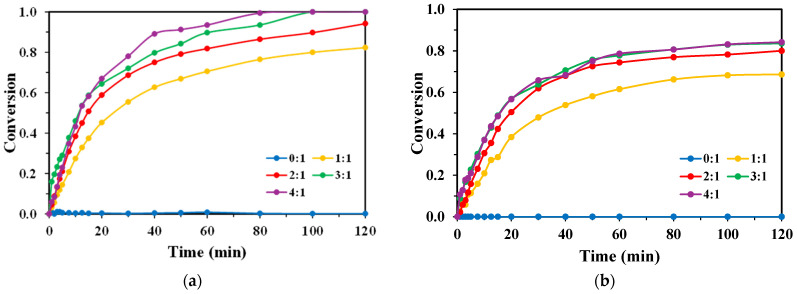 Figure 2
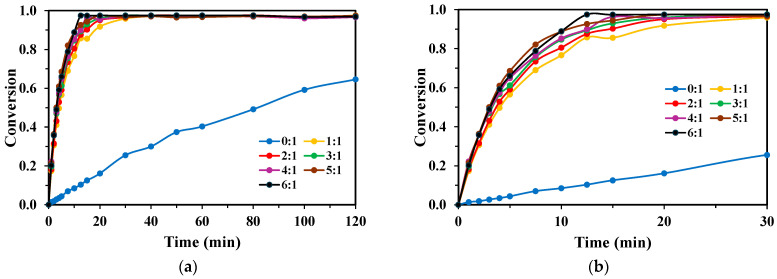 Figure 3
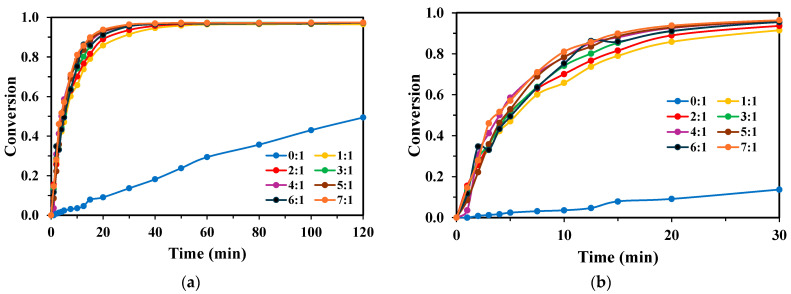 Figure 4
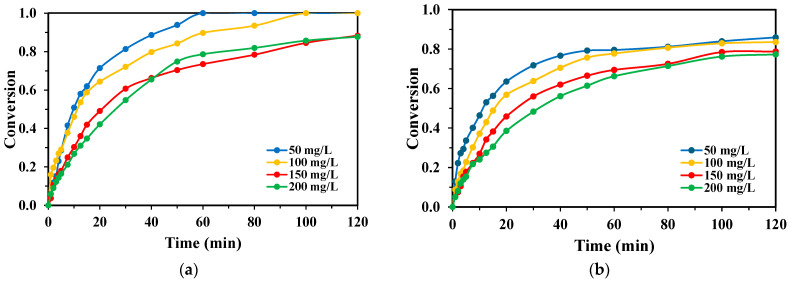 Figure 5
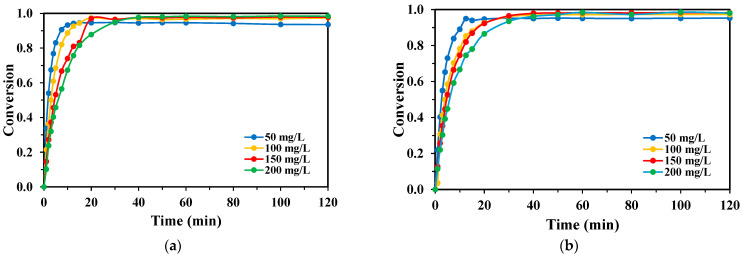 Figure 6
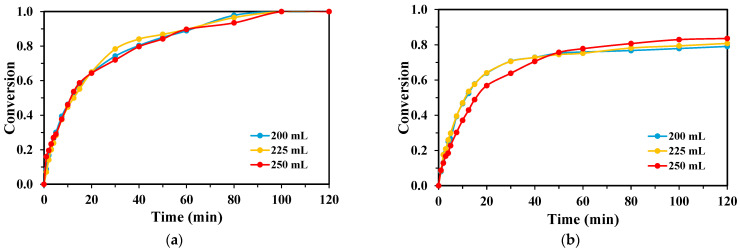 Figure 7
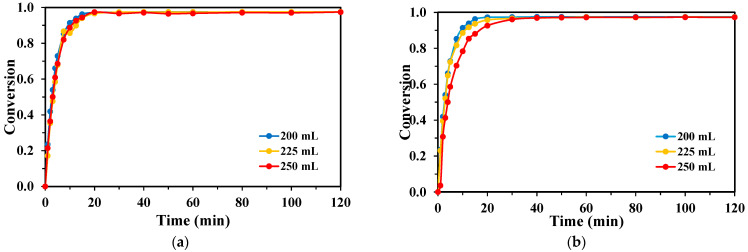 Figure 8
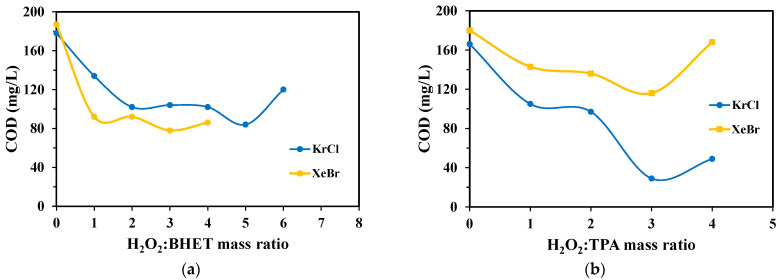 Figure 9
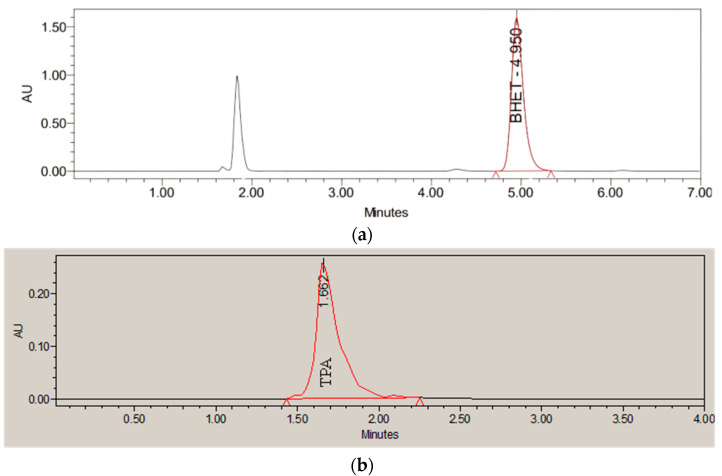 Figure 10
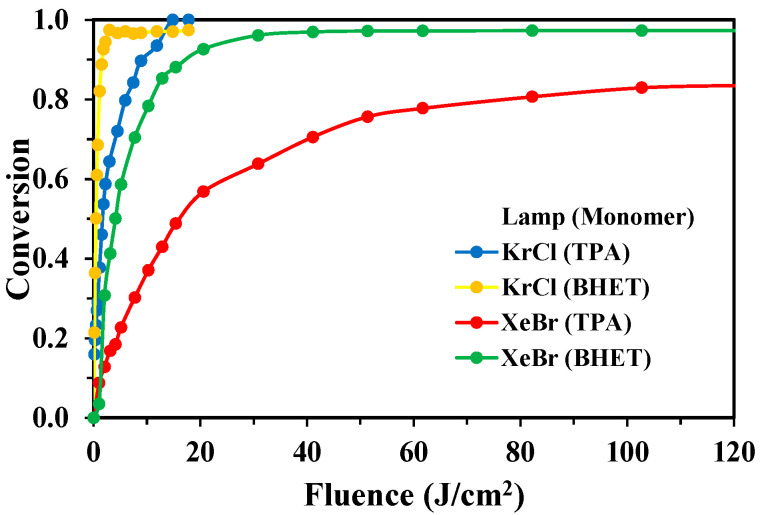 Figure 11
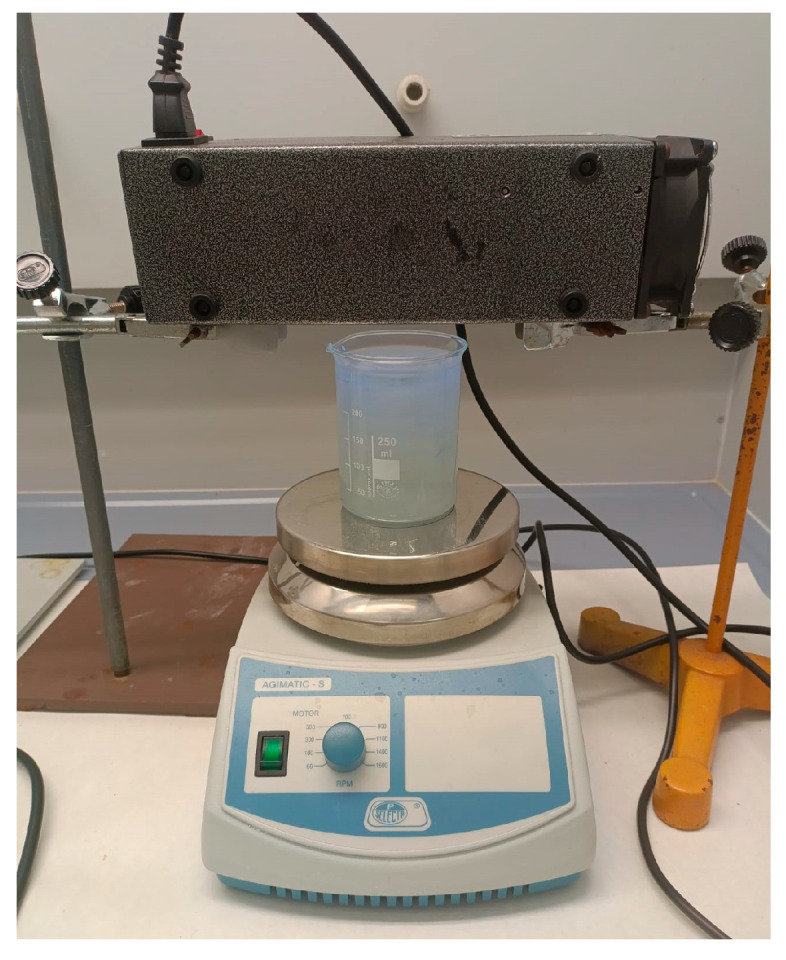 Figure 12
Peer Reviews
No public reviews on file for this paper yet. If you reviewed it on a platform where reviews are public (OpenReview, ICLR, NeurIPS, ICML), you can paste yours below so the community can read it here.
Videos
No videos yet. Explain this paper in a talk, walkthrough, or lecture? Add one.
Taxonomy
TopicsMicroplastics and Plastic Pollution · Recycling and Waste Management Techniques · Effects and risks of endocrine disrupting chemicals