A neonatal rat model of progressive left ventricular pressure overload induced by abdominal aortic banding microsurgery
Zheng Wang, Sixie Zheng, Lincai Ye, Debao Li, He Zhang, Yingying Xiao, Chenxi Liu, Yuqing Hu, Sijuan Sun, Peisen Ruan, Hao Chen, Qi Sun

TL;DR
This study creates a new neonatal rat model to study left ventricular pressure overload, which could help understand heart development and disease in infants.
Contribution
The study introduces a novel neonatal rat model of progressive left ventricular pressure overload using abdominal aortic banding microsurgery.
Findings
Abdominal aortic banding surgery achieved a 100% success rate without requiring thoracotomy.
The model showed increased cardiomyocyte proliferation at postnatal day 7 compared to day 3.
The model differs from transverse aortic constriction surgery by promoting rather than inhibiting cardiomyocyte proliferation.
Abstract
Left ventricular pressure overload models using adult mice or rats were developed 60 years ago; however, a neonatal mouse model of left ventricular pressure overload was reported only 5 years ago. Moreover, how left ventricular pressure overload reshapes the neonatal left ventricle and how it affects cardiomyocyte proliferation remain largely unexplored. The aim of this study is to develop a simple neonatal rat model with clinical features matched to those of left ventricular pressure overload. A neonatal rat model of progressive left ventricular pressure overload was created via abdominal aortic banding microsurgery at postnatal day 1 and verified by gross examination at postnatal day 7, abdominal ultrasound at postnatal day 21, and left upper limb blood pressure measurement from postoperative day 21 to day 35. A surgical video and detailed surgical procedures were documented for…
Genes, proteins, chemicals, diseases, species, mutations and cell lines named across the full text — each resolved to its canonical identifier and authoritative record.
Click any figure to enlarge with its caption.
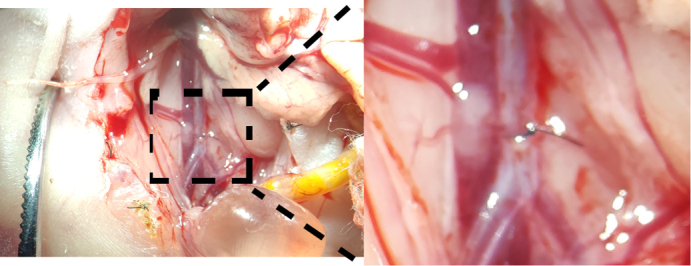 Figure 1
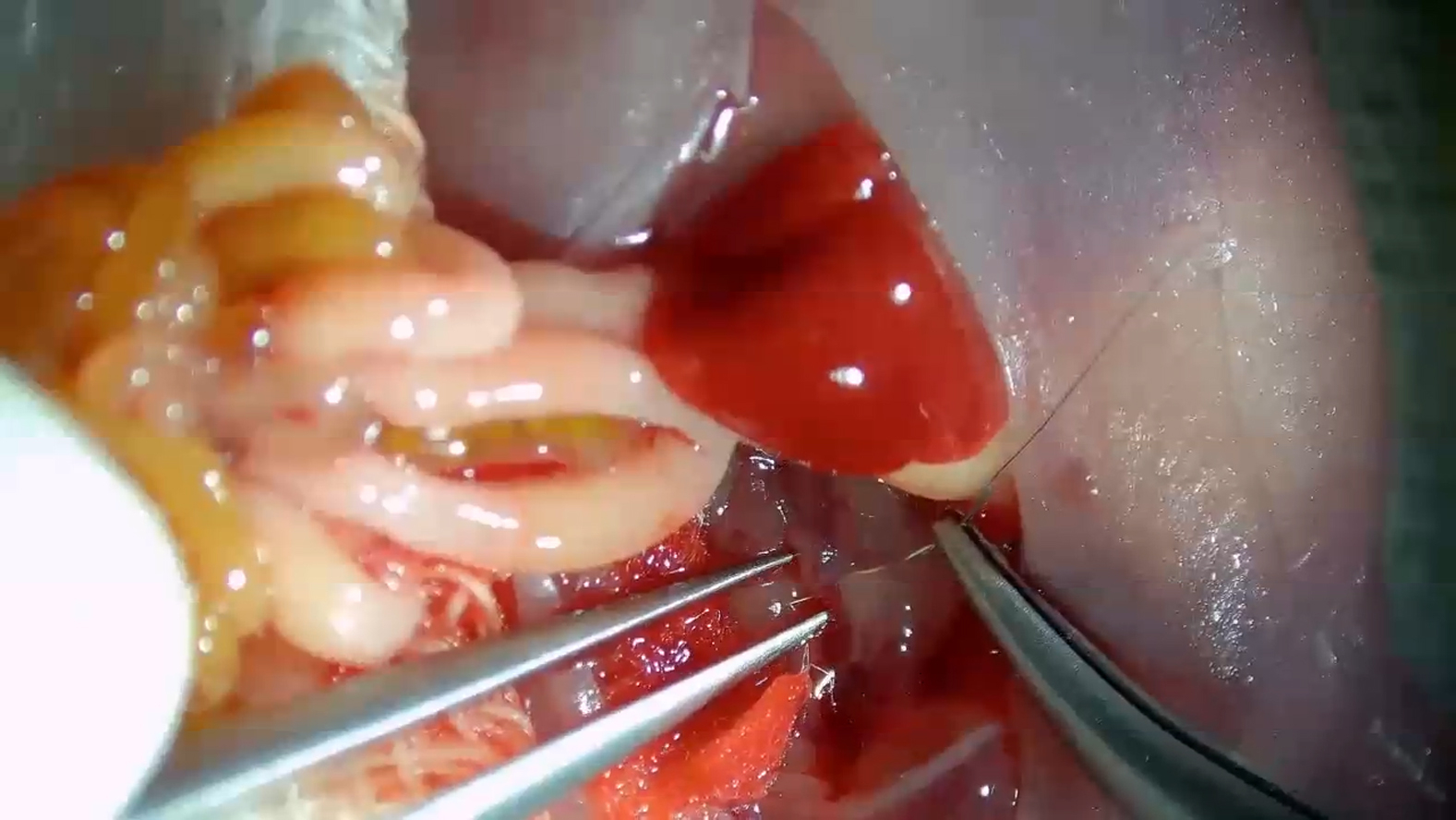 Figure 2
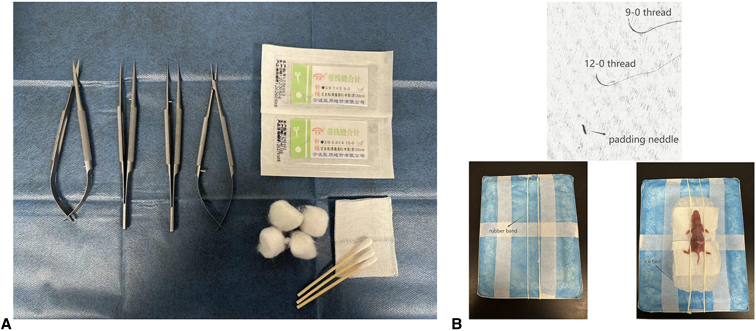 Figure 3
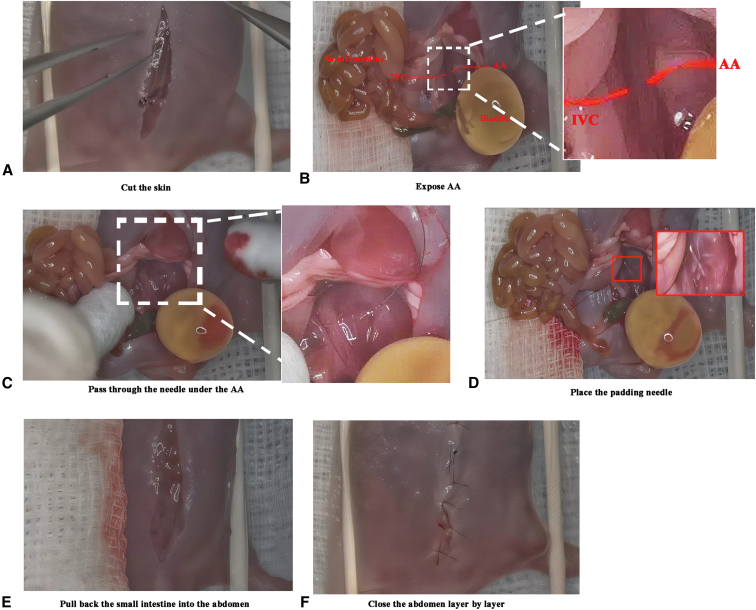 Figure 4
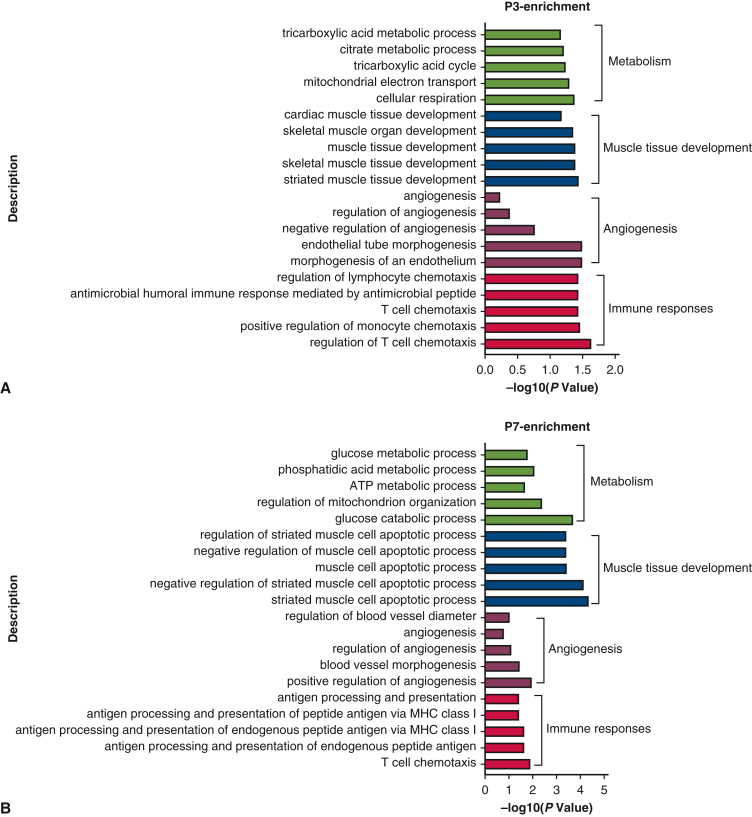 Figure 5
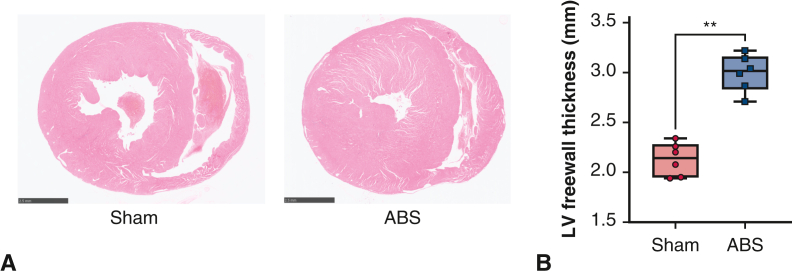 Figure 6
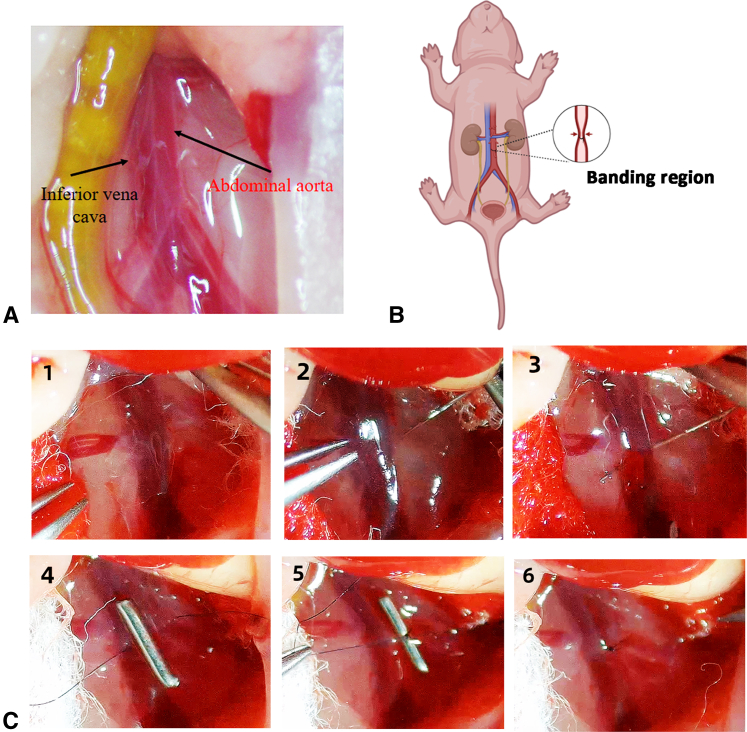 Figure 7
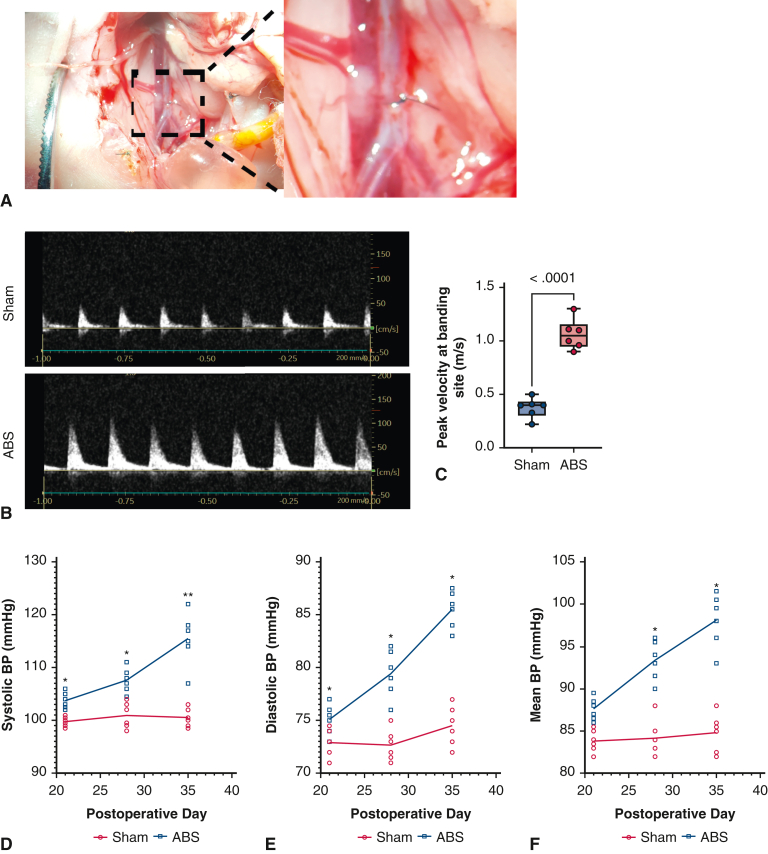 Figure 8
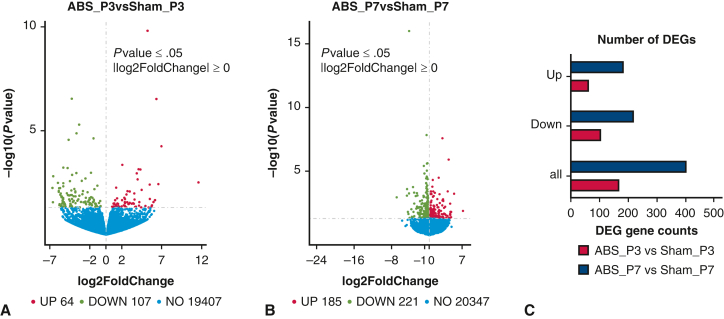 Figure 9
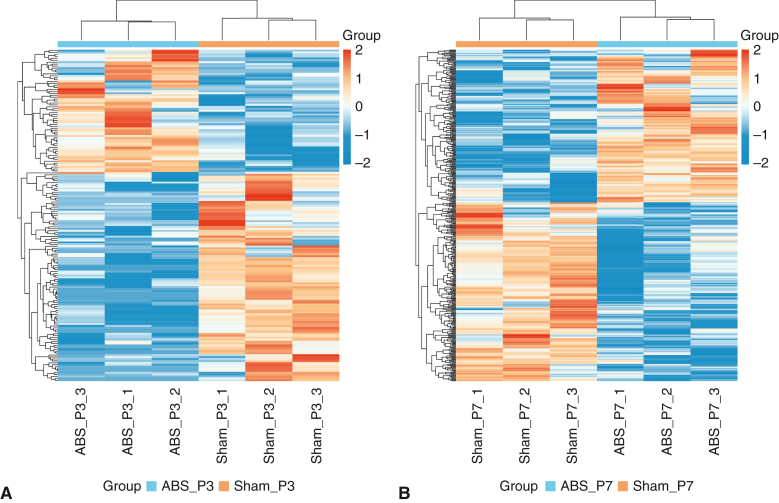 Figure 10
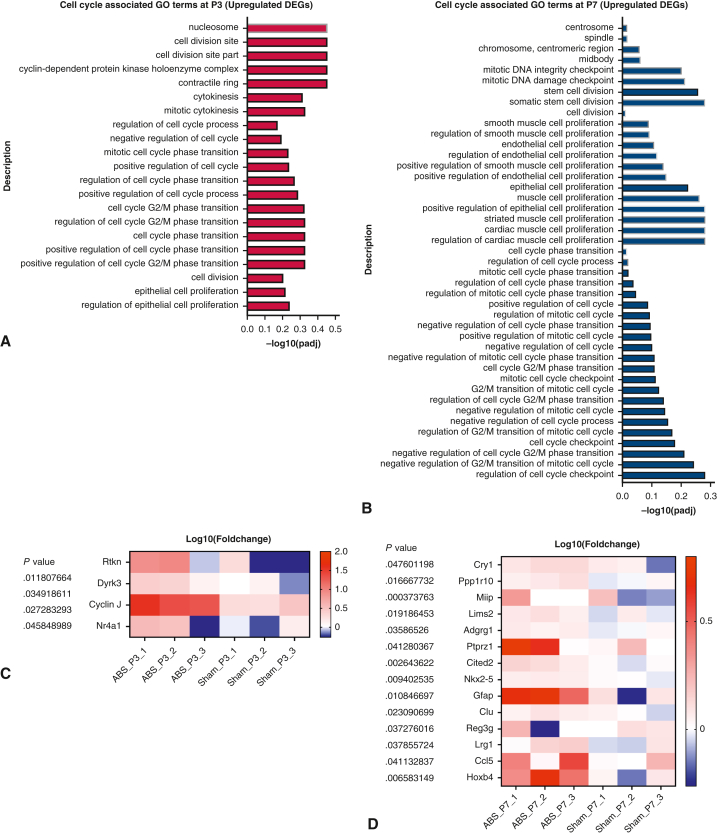 Figure 11
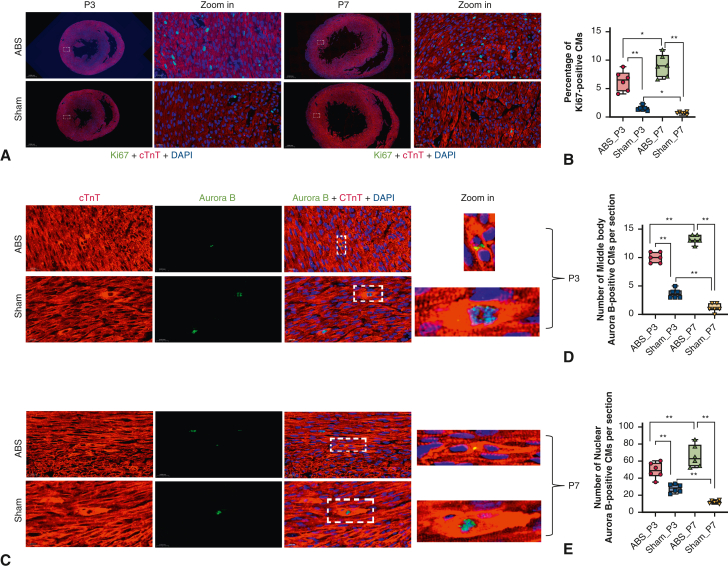 Figure 12
Peer Reviews
No public reviews on file for this paper yet. If you reviewed it on a platform where reviews are public (OpenReview, ICLR, NeurIPS, ICML), you can paste yours below so the community can read it here.
Videos
No videos yet. Explain this paper in a talk, walkthrough, or lecture? Add one.
Taxonomy
TopicsAnesthesia and Neurotoxicity Research · Birth, Development, and Health