Influence of Sample Mass and Pouring Temperature on the Effectiveness of Thermal Analysis for Estimating Gray Iron Inoculation Potential
Raymundo del Campo-Castro, Manuel Castro-Román, Edgar-Ivan Castro-Cedeno, Martín Herrera-Trejo

TL;DR
This study examines how sample mass and pouring temperature affect thermal analysis for controlling gray iron inoculation potential and melt quality.
Contribution
The study identifies the minimum eutectic temperature as a reliable parameter for inoculation control under varying mass and temperature conditions.
Findings
Minimum eutectic temperature is robust for inoculation control with cup masses between 268–390 g and pouring temperatures between 1235–1369 °C.
Cups under 268 g and low pouring temperatures are unsuitable for inoculation control but still useful for carbon equivalent control.
Cooling times under 180 s indicate unsuitable samples, and a bimodal cell surface population was observed in the samples.
Abstract
Thermal analysis (TA) has been a valuable tool for controlling the carbon equivalent (CE) of cast irons. Additionally, this technique can provide enhanced control over melt quality, allowing for the avoidance of defects such as undesirable graphite morphology and the formation of carbides. To obtain the most valuable information from the TA, it is necessary to minimize the variations in the filling operation of the TA cups. However, the mass and pouring temperature of TA cups can vary in TA’s typical foundry operations. A design of experiments was performed to determine whether specific parameters of cooling curves used for quality control can distinguish the inoculation effect in the melt when the mass and the pouring temperature of TA cups are varied. The minimum temperature of the eutectic arrest proved to be a robust inoculation potential control parameter when variations in the…
Genes, proteins, chemicals, diseases, species, mutations and cell lines named across the full text — each resolved to its canonical identifier and authoritative record.
Click any figure to enlarge with its caption.
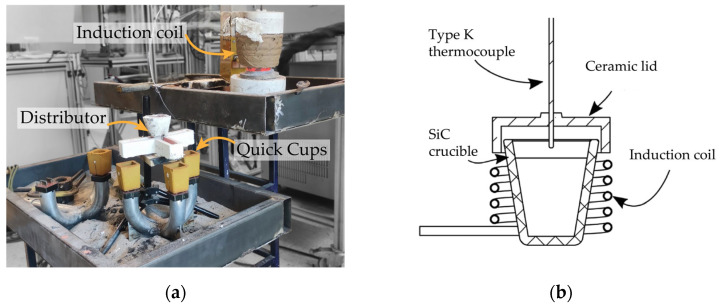 Figure 1
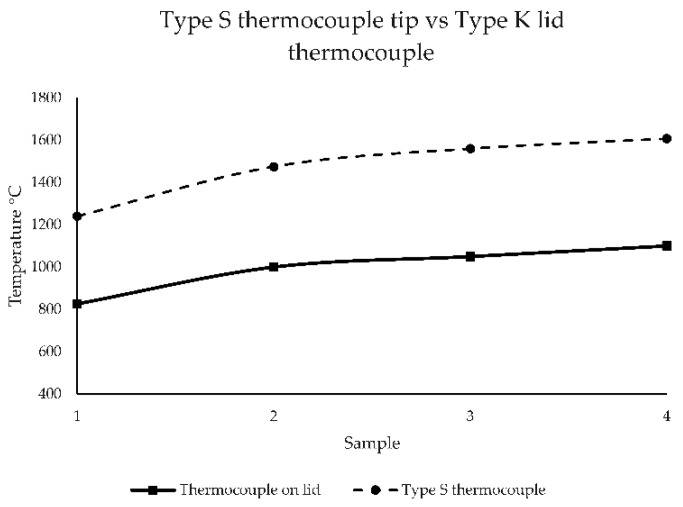 Figure 2
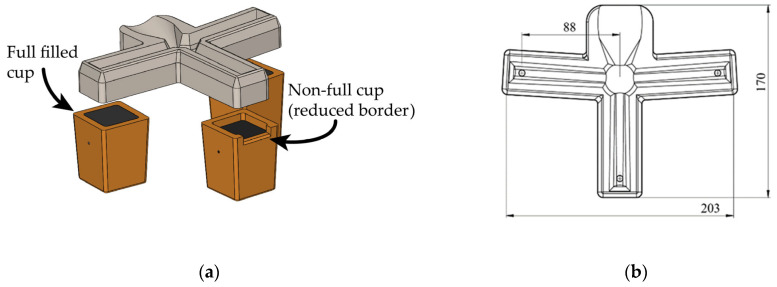 Figure 3
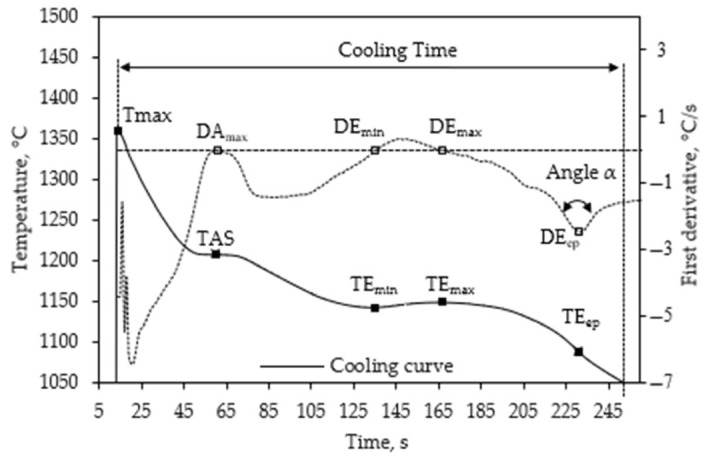 Figure 4
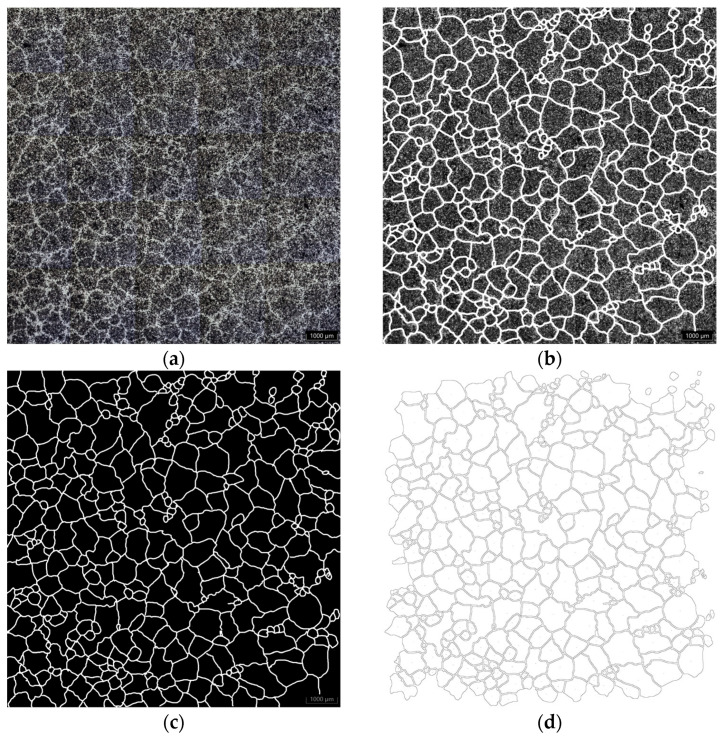 Figure 5
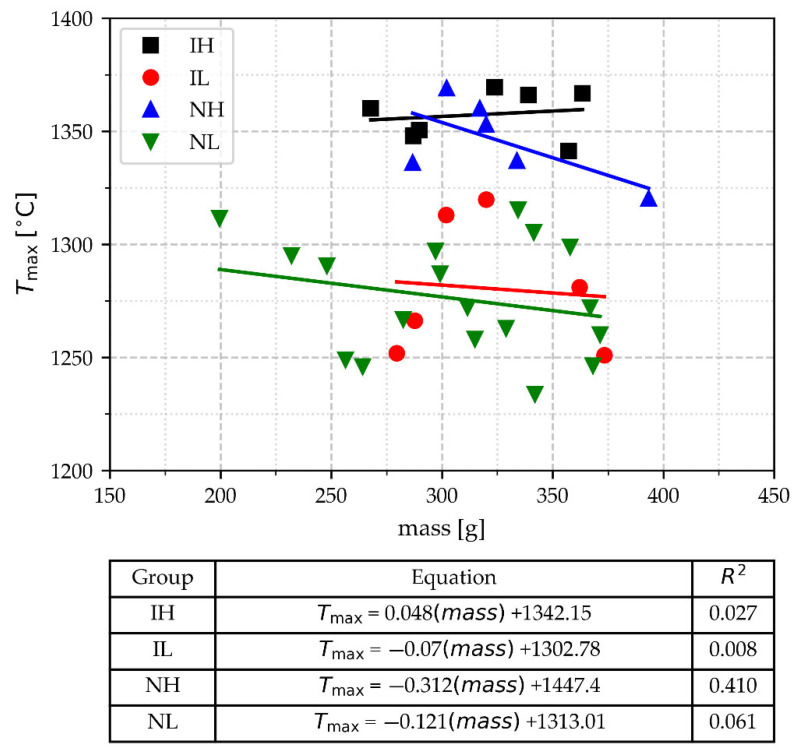 Figure 6
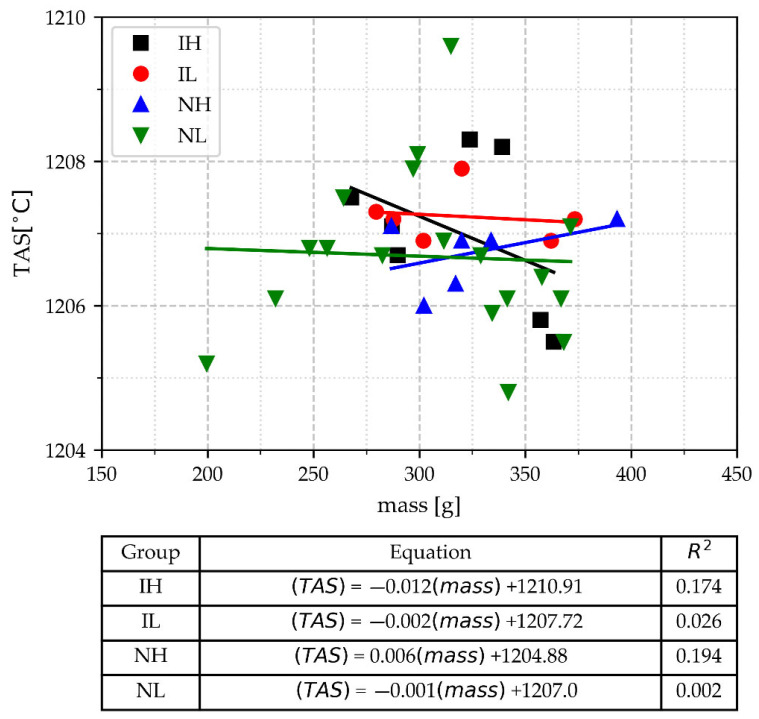 Figure 7
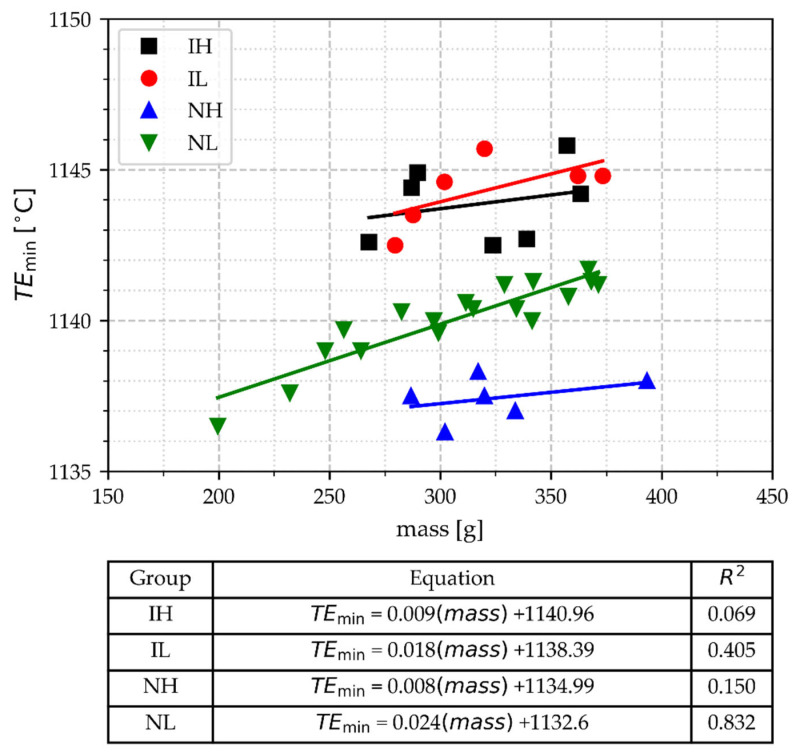 Figure 8
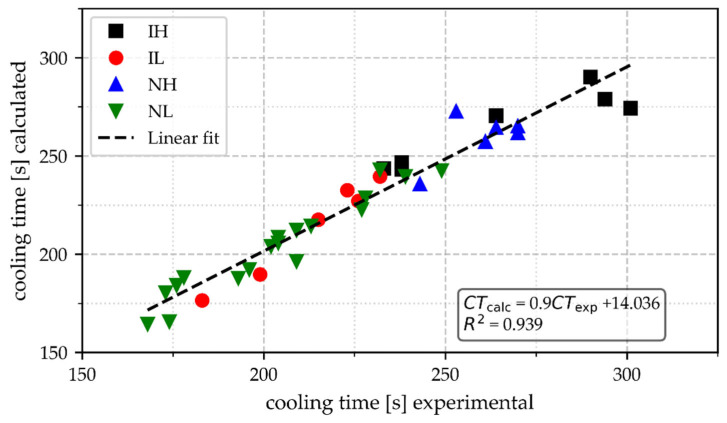 Figure 9
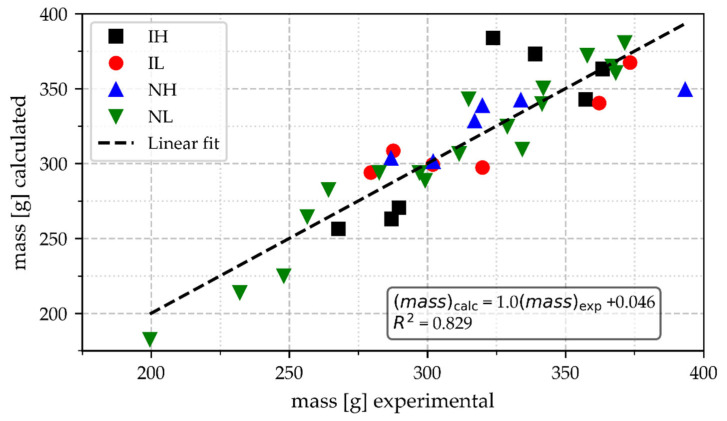 Figure 10
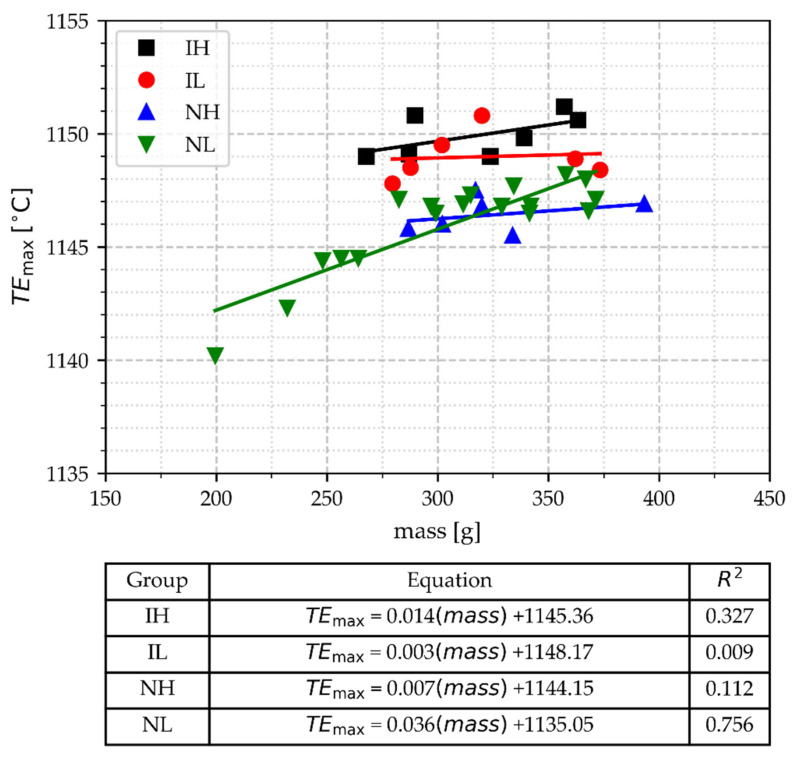 Figure 11
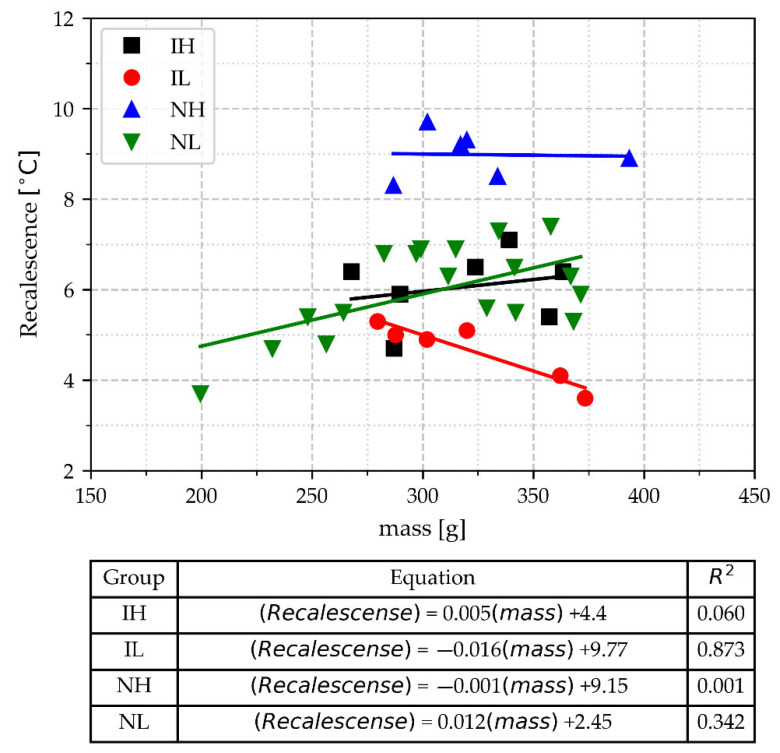 Figure 12
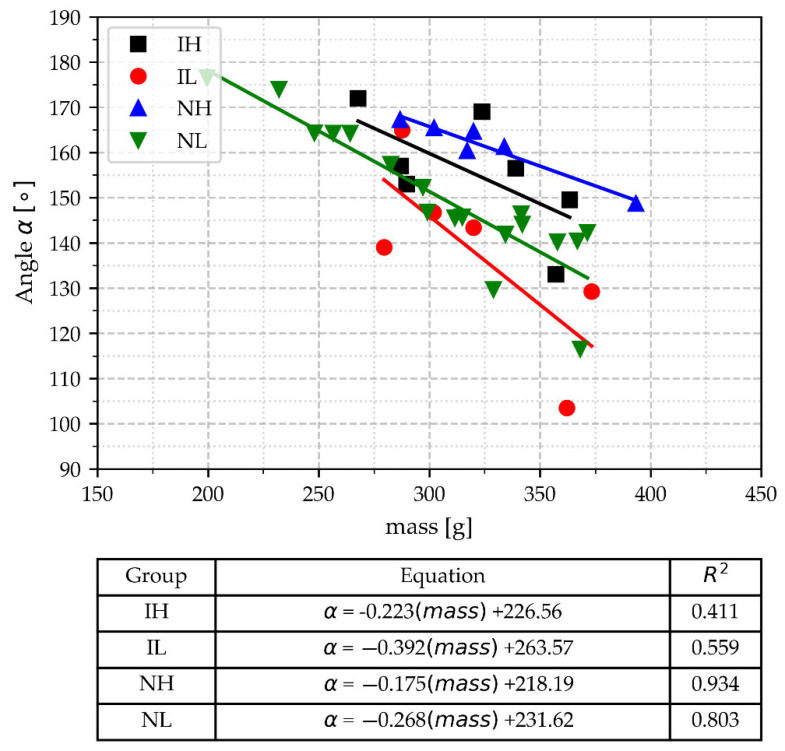 Figure 13
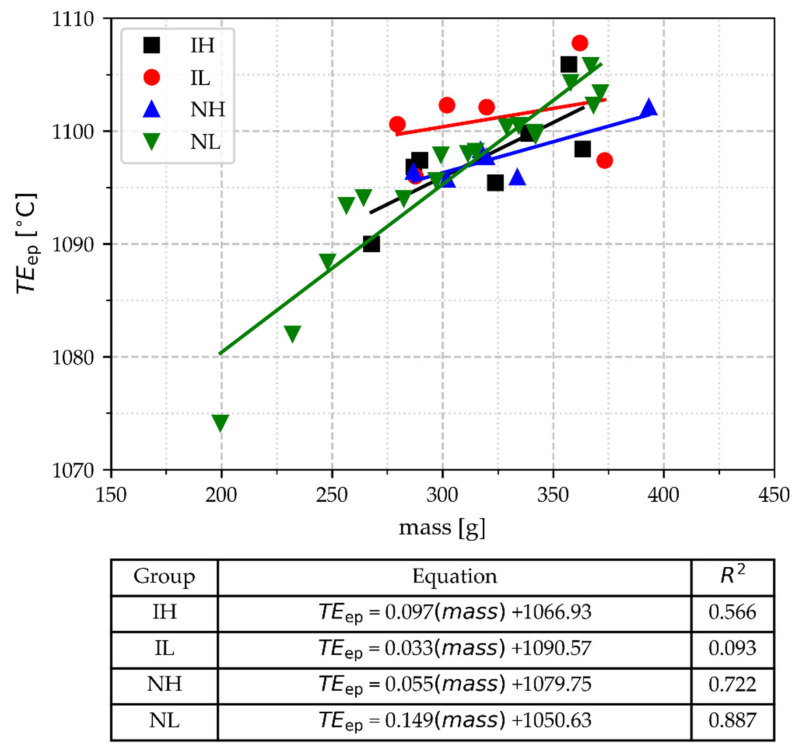 Figure 14
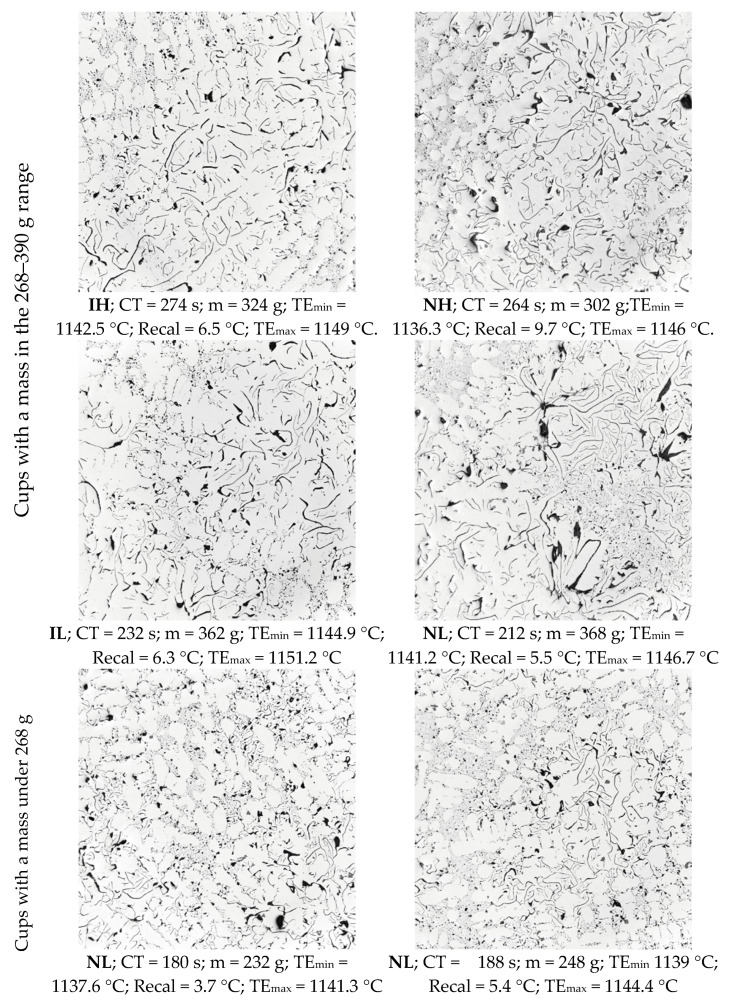 Figure 15
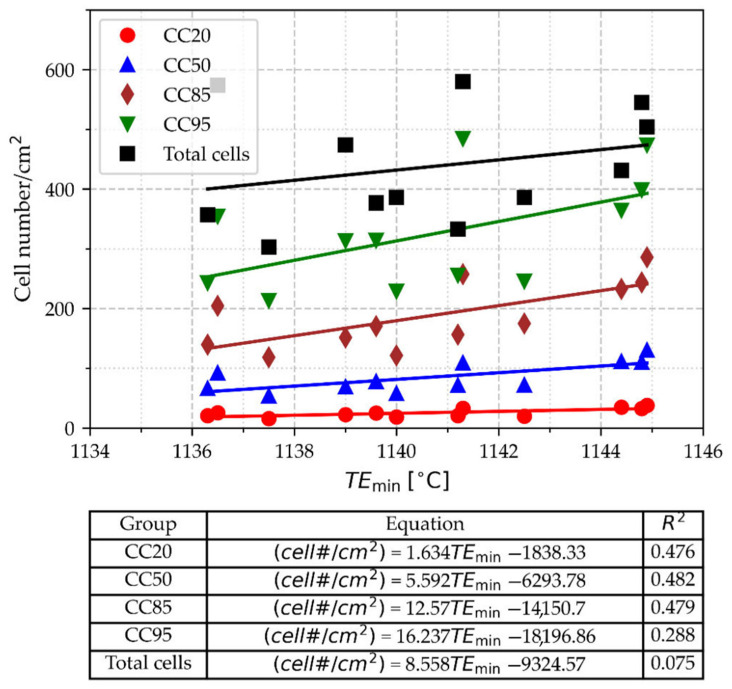 Figure 16
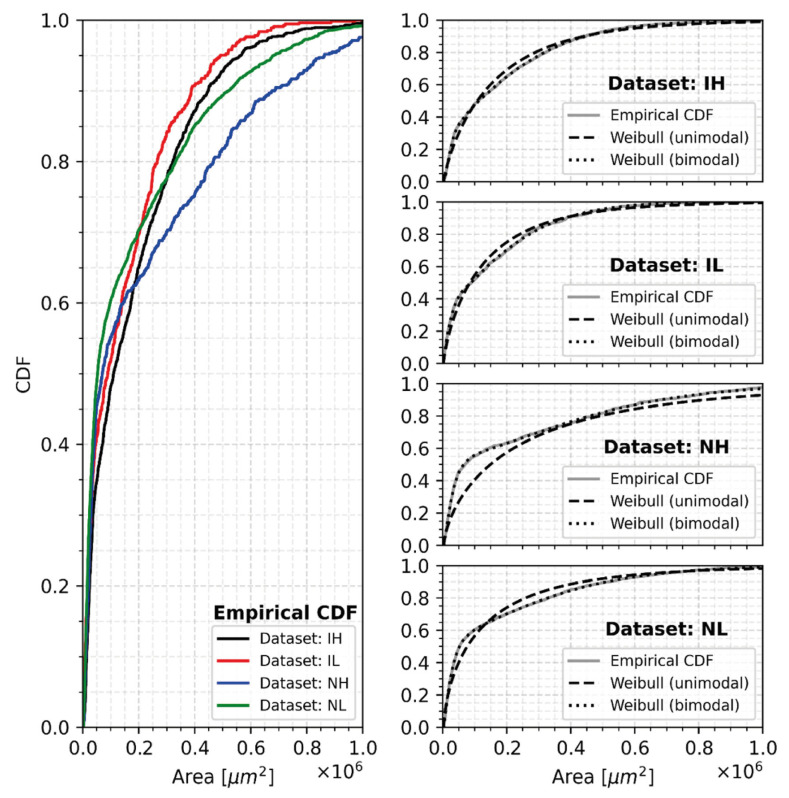 Figure 17
Peer Reviews
No public reviews on file for this paper yet. If you reviewed it on a platform where reviews are public (OpenReview, ICLR, NeurIPS, ICML), you can paste yours below so the community can read it here.
Videos
No videos yet. Explain this paper in a talk, walkthrough, or lecture? Add one.
Taxonomy
TopicsMetal Alloys Wear and Properties · Microstructure and Mechanical Properties of Steels · Materials Engineering and Processing