Enhanced Response of ZnO Nanorod-Based Flexible MEAs for Recording Ischemia-Induced Neural Activity in Acute Brain Slices
José Ignacio Del Río De Vicente, Valeria Marchetti, Ivano Lucarini, Elena Palmieri, Davide Polese, Luca Montaina, Francesco Maita, Jan Kriska, Jana Tureckova, Miroslava Anderova, Luca Maiolo

TL;DR
A new flexible microelectrode array using zinc oxide nanorods improves detection of brain activity during ischemia, offering better sensitivity and signal quality.
Contribution
The study introduces a flexible nano-fMEA with gold-coated ZnO nanorods that enhances electrophysiological recording during ischemic conditions.
Findings
The nano-fMEA showed higher event detection rates and captured subtle neural signal fluctuations better than flat fMEAs.
The improved performance is due to an optimized electrode-tissue interface that reduces impedance and enhances charge transfer.
The nano-fMEA effectively detected weak electrophysiological events under ischemic models like oxygen–glucose deprivation and hyperkalemia.
Abstract
Brain ischemia is a severe condition caused by reduced cerebral blood flow, leading to the disruption of ion gradients in brain tissue. This imbalance triggers spreading depolarizations, which are waves of neuronal and glial depolarization propagating through the gray matter. Microelectrode arrays (MEAs) are essential for real-time monitoring of these electrophysiological processes both in vivo and in vitro, but their sensitivity and signal quality are critical for accurate detection of extracellular brain activity. In this study, we evaluate the performance of a flexible microelectrode array based on gold-coated zinc oxide nanorods (ZnO NRs), referred to as nano-fMEA, specifically for high-fidelity electrophysiological recording under pathological conditions. Acute mouse brain slices were tested under two ischemic models: oxygen–glucose deprivation (OGD) and hyperkalemia. The nano-fMEA…
Genes, proteins, chemicals, diseases, species, mutations and cell lines named across the full text — each resolved to its canonical identifier and authoritative record.
Click any figure to enlarge with its caption.
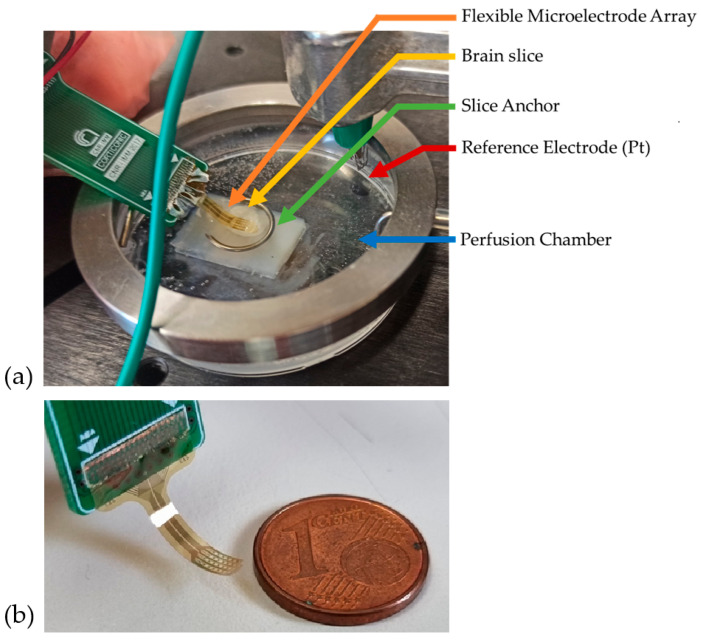 Figure 1
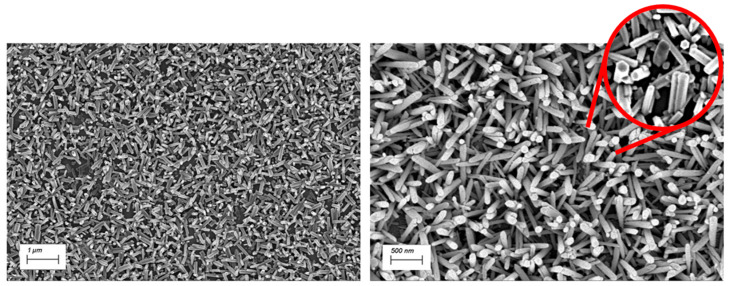 Figure 2
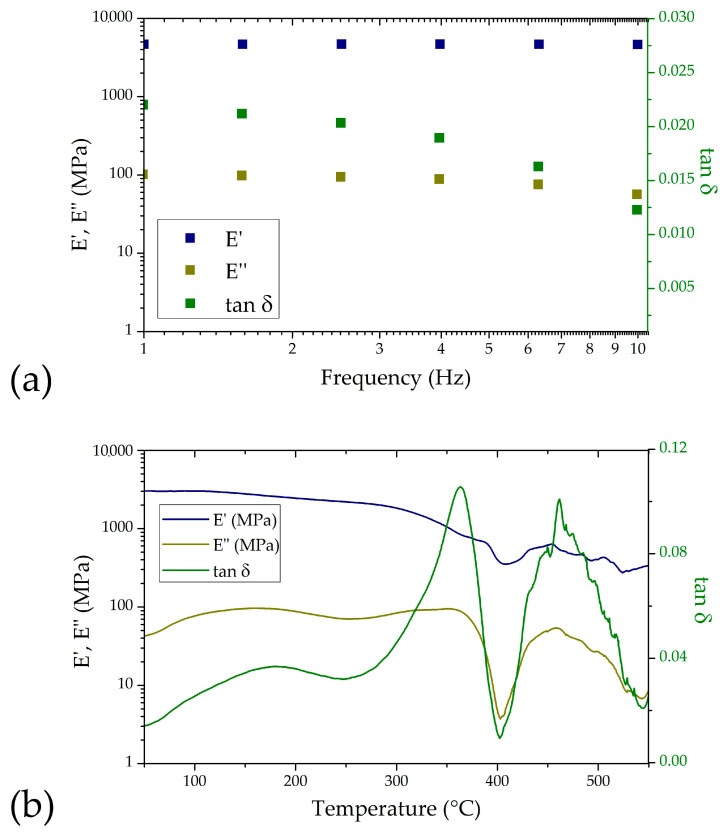 Figure 3
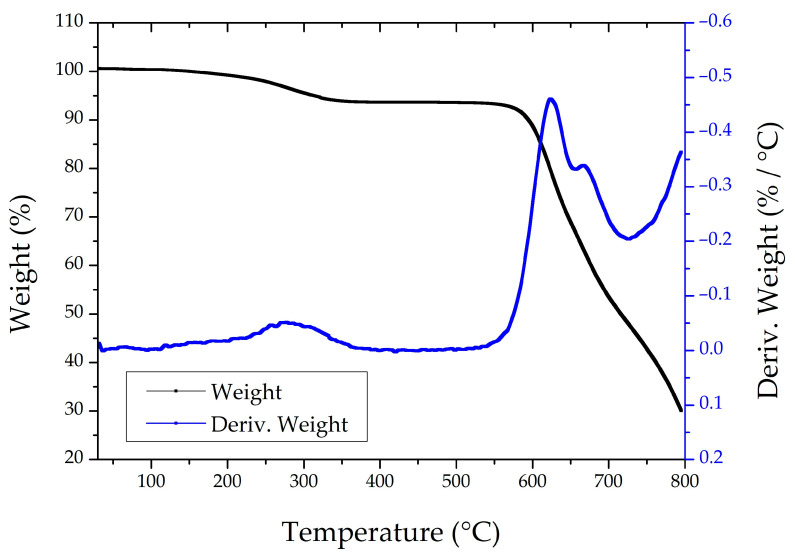 Figure 4
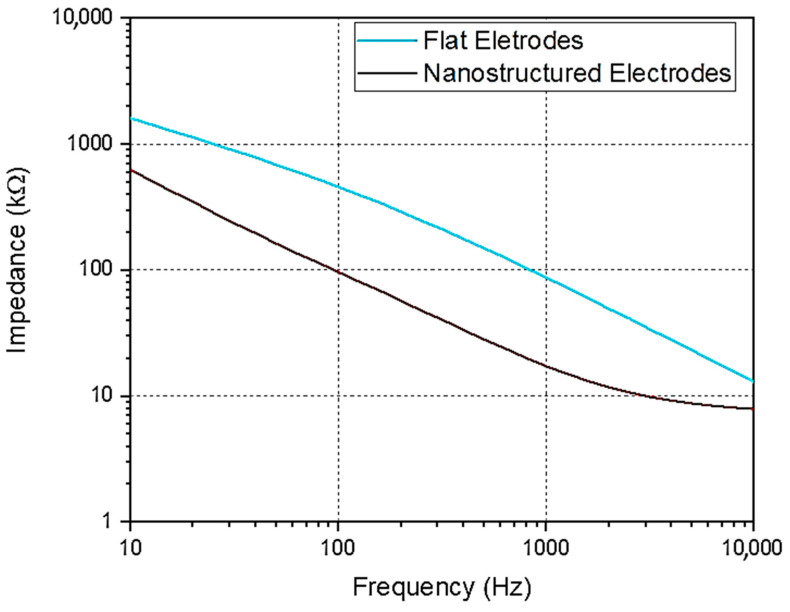 Figure 5
 Figure 6
 Figure 7
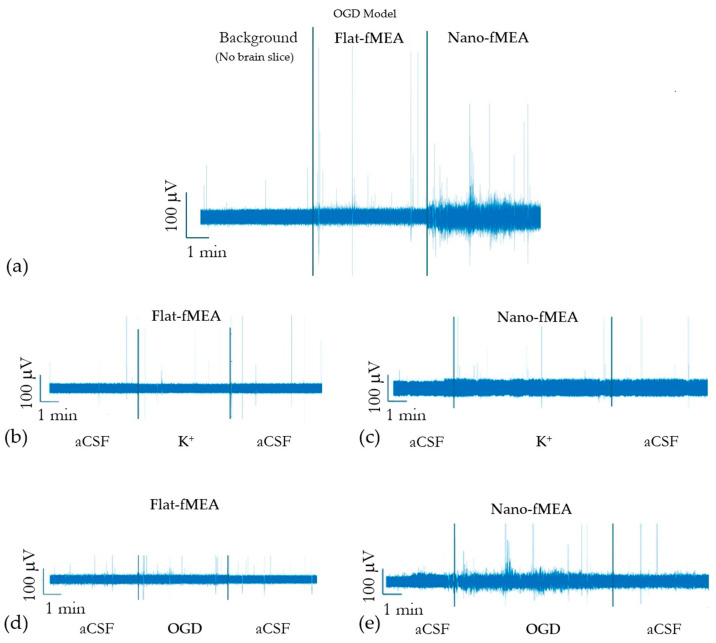 Figure 8
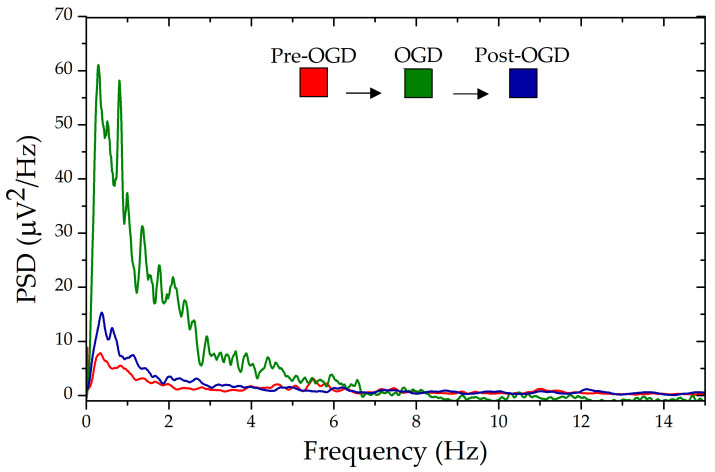 Figure 9
Peer Reviews
No public reviews on file for this paper yet. If you reviewed it on a platform where reviews are public (OpenReview, ICLR, NeurIPS, ICML), you can paste yours below so the community can read it here.
Videos
No videos yet. Explain this paper in a talk, walkthrough, or lecture? Add one.
Taxonomy
TopicsNeuroscience and Neural Engineering · Advanced Memory and Neural Computing · Conducting polymers and applications